
Can Catnip Hurt Dogs? Safety Tips for Pet Owners
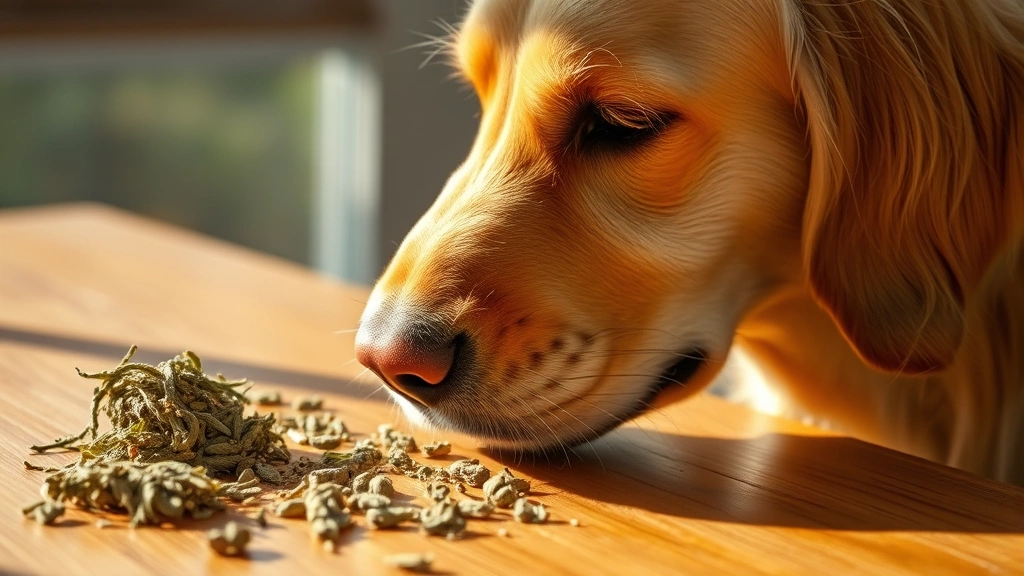
If you’re a multi-pet household, you’ve probably wondered whether your curious canine can safely enjoy catnip like their feline siblings do. The short answer? It’s complicated—and that’s exactly what we’re here to clarify! While catnip is generally considered safe for dogs, understanding how it affects them differently than cats is crucial for responsible pet ownership.
Many dog owners assume that because catnip is safe for cats, it must be equally thrilling for their furry best friends. However, the reality is far more nuanced. Dogs and cats have entirely different neurochemistry, which means catnip interacts with their bodies in distinctly different ways. This article will walk you through everything you need to know about catnip and your dog’s safety, from the science behind the herb to practical tips for keeping your pup healthy and happy.
Whether you’re considering giving your dog catnip as a treat or you’re worried because Fido got into the stash meant for Fluffy, we’ve got the answers you need. Let’s dig into this fascinating topic together!
What Is Catnip and How Does It Work?
Catnip, scientifically known as Nepeta cataria, is a perennial herb from the mint family that’s been used for centuries in traditional medicine and pet enrichment. The plant contains a powerful essential oil called nepetalactone, which is the primary compound responsible for catnip’s famous effects on cats. When cats smell or ingest catnip, the nepetalactone molecules bind to specific receptors in their nasal tissue, triggering a cascade of neurological responses that create that characteristic euphoric behavior we all know and love.
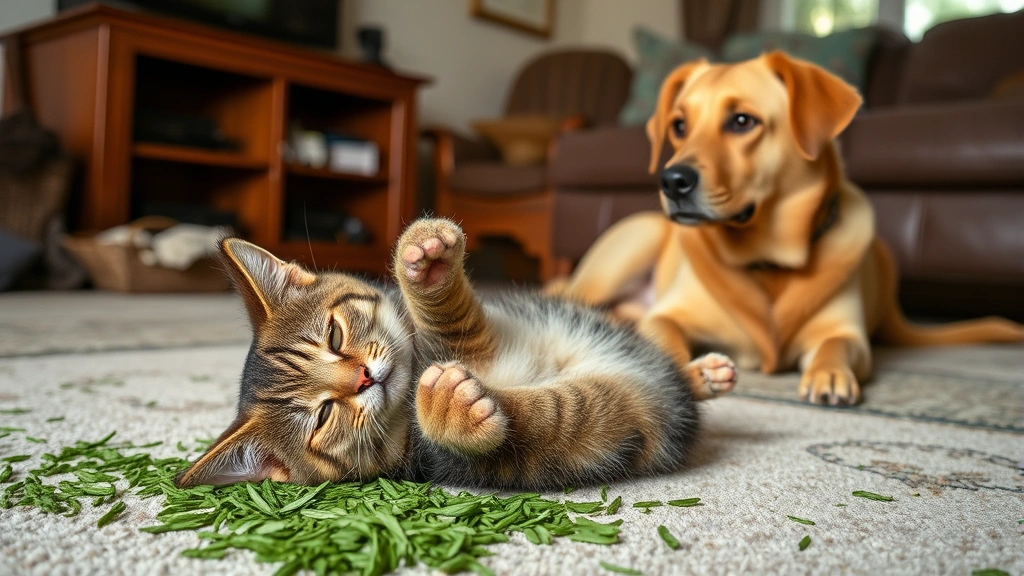
The science behind catnip is actually quite fascinating. The nepetalactone essentially hijacks the cat’s sensory system, creating what researchers describe as a hallucinogenic-like experience that’s completely harmless and non-addictive. Cats exposed to catnip typically display behaviors like rolling, rubbing, purring, and playful pouncing. This response is so reliable that scientists have used catnip as a research tool to study feline behavior and neurobiology.
Interestingly, not all cats respond to catnip—roughly 30% of felines lack the genetic predisposition to be affected by it. This genetic variation is similar to how some humans are more sensitive to certain scents than others. The potency of catnip also varies depending on how it’s prepared, stored, and the quality of the plant material. Fresh catnip tends to be more potent than dried varieties, though dried catnip is more shelf-stable and convenient for pet owners.
How Dogs React to Catnip Differently Than Cats
Here’s where things get really interesting. While cats have evolved a strong neurological response to catnip, dogs lack the same sensory receptors that make cats go wild. Most dogs are essentially immune to catnip’s psychoactive effects, which means your pup won’t experience the euphoric high that your cat enjoys. However, this doesn’t mean catnip is completely without effect on dogs—it’s just different.
When you explore whether catnip works on dogs, you’ll find that the response varies considerably among individual canines. Some dogs might show mild interest in catnip due to its aromatic properties, similar to how they might react to other herbs or plants. The smell might be mildly stimulating or interesting, but it won’t trigger the dramatic behavioral changes seen in cats. Other dogs might be completely indifferent to it altogether.
A small percentage of dogs may actually show calming effects from catnip, particularly when it’s ingested in small quantities. This is likely because catnip contains compounds that have mild sedative properties in some animals. However, this response is unpredictable and not something you should rely on as a behavioral tool for your dog. The lack of consistent response in dogs means that catnip simply isn’t a practical enrichment tool for most canines, unlike for cats.
Understanding what catnip does to dogs is essential for setting realistic expectations. You won’t see your dog rolling around in ecstasy or displaying the playful antics that cats exhibit. If your dog does show interest in catnip, it’s more likely curiosity about the novelty of the plant rather than a genuine psychoactive response. This distinction is important for pet owners who might be considering catnip as an enrichment tool for their dogs.
Is Catnip Safe for Dogs?
The good news is that dogs can eat catnip without serious harm in most cases. Catnip is not toxic to dogs, and the ASPCA does not list it as a poisonous substance for canines. This means that if your dog accidentally nibbles on some catnip or gets into your cat’s stash, you don’t need to panic and rush to the emergency vet clinic.
According to the American Kennel Club, catnip is generally recognized as safe for dogs when consumed in small to moderate amounts. The herb doesn’t contain compounds that are inherently dangerous to canine physiology. However, safety doesn’t automatically mean it’s beneficial or recommended for regular use in dogs, and there are several important caveats to understand.
When considering whether catnip is bad for dogs, the answer depends on several factors including the amount consumed, your individual dog’s health status, and how the catnip is prepared. While catnip itself isn’t toxic, certain situations and preparations can create problems. This is why responsible pet ownership means understanding not just whether something is safe, but how to safely incorporate it into your pet’s life if you choose to do so.
Potential Risks and Side Effects
Although catnip is non-toxic, there are several potential risks and side effects that pet owners should be aware of. The most common concern is gastrointestinal upset. If your dog consumes a large quantity of catnip, especially if they’re not accustomed to it, they might experience digestive issues like mild diarrhea, vomiting, or stomach discomfort. This is particularly true for dogs with sensitive digestive systems or those prone to gastrointestinal problems.
Dogs that ingest excessive amounts of catnip might also experience mild lethargy or sedation, as some compounds in the herb have relaxant properties. While this isn’t dangerous per se, it’s not an ideal state for your active pup. Additionally, if your dog has a tendency to eat things they shouldn’t—a condition known as pica—catnip could become problematic if it encourages them to consume other potentially dangerous plant materials.
Another consideration is allergic reactions, though these are relatively rare in dogs. Some dogs might have individual sensitivities to catnip or other plants in the mint family. Signs of an allergic reaction could include itching, skin irritation, or respiratory symptoms. If your dog has known allergies or a compromised immune system, it’s wise to consult with your veterinarian before introducing catnip.
For dogs with certain health conditions, catnip might pose additional risks. Dogs with liver or kidney disease, for example, might have difficulty processing the compounds in catnip. Pregnant or nursing dogs should also avoid catnip, as there’s limited research on its effects during these critical periods. Similarly, puppies with developing digestive systems should not be given catnip until they’re older and their systems are more robust.
It’s also worth noting that some commercial catnip products contain additives, preservatives, or pesticides that could be harmful to your dog. Always check the ingredient list and source of any catnip product you’re considering, and opt for organic, pure catnip from reputable suppliers when possible.
Dog-Friendly Alternatives to Catnip
If you’re looking for enrichment options for your dog that are more effective and specifically designed for canines, there are plenty of excellent alternatives to catnip. Dog-specific herbs and supplements have been formulated with canine physiology in mind and tend to produce more predictable and beneficial results.
One popular alternative is valerian root, which some dogs find calming and stimulating in ways similar to catnip’s effects on cats. However, valerian has a strong smell that some dogs (and owners!) find unpleasant. Another option is silvervine, which is actually more potent than catnip for some cats and might have mild effects on certain dogs. Chamomile is another herb that can have gentle calming properties for anxious dogs when used appropriately.
For enrichment and play, consider toys specifically designed for dogs, puzzle feeders, and interactive games that engage your pup’s natural hunting and problem-solving instincts. These are far more effective at providing mental stimulation than catnip would be. Just as you might explore whether dogs can have certain human foods, it’s worth researching dog-specific enrichment options that are tailored to canine needs and preferences.
If you’re interested in using herbs for your dog’s wellbeing, consulting with a veterinary herbalist or your regular veterinarian can help you identify options that are truly beneficial for your specific dog’s needs and health status. Many vets now recognize the value of herbal supplements and can recommend evidence-based options.
Safe Guidelines for Catnip Use
If you’ve decided to give your dog catnip despite the limited benefits, here are some guidelines to ensure you’re doing so as safely as possible:
- Start small: Begin with a tiny amount to see how your individual dog reacts. Every dog is unique, and you want to monitor for any adverse effects before increasing the amount.
- Use pure, organic catnip: Avoid products with additives, pesticides, or unknown ingredients. Look for organic, food-grade catnip from reputable sources.
- Monitor for digestive upset: Watch your dog for signs of vomiting, diarrhea, or abdominal discomfort in the hours following catnip consumption. If these occur, discontinue use immediately.
- Limit frequency: Even if your dog tolerates catnip well, don’t make it a regular treat. Reserve it as an occasional novelty rather than a dietary staple.
- Consult your vet first: If your dog has any underlying health conditions, takes medications, or has a history of digestive issues, talk to your veterinarian before introducing catnip.
- Keep portions tiny: A small pinch is sufficient for any experimentation. There’s no benefit to giving your dog large amounts of catnip.
- Avoid catnip toys with stuffing: Some catnip toys designed for cats can be choking hazards or cause intestinal blockages if dogs ingest the stuffing. Stick with catnip in its pure form or in dog-safe toys.
- Store safely: Keep catnip stored securely where your dog can’t access it unsupervised, just as you would with any herb or supplement.
Understanding that dogs sometimes eat things they shouldn’t helps reinforce the importance of proper storage and supervision. Your responsibility as a pet owner includes preventing accidental ingestion of substances that might cause harm, even if they’re generally considered safe.
Frequently Asked Questions
What should I do if my dog accidentally ate a lot of catnip?
If your dog consumed a large quantity of catnip, first don’t panic—catnip is not toxic to dogs. Monitor your pup for signs of gastrointestinal upset like vomiting, diarrhea, or lethargy over the next 24 hours. Offer plenty of fresh water and stick to their regular diet. If your dog shows severe symptoms or doesn’t improve within a day, contact your veterinarian. In most cases, a dog will pass the catnip without serious issues.
Why doesn’t catnip affect my dog the way it affects cats?
Dogs and cats have different neurological structures and sensory receptors. Cats have evolved specific receptors in their nasal tissue that respond to nepetalactone, the active compound in catnip. Dogs lack these specialized receptors, so they don’t experience the same psychoactive effects. This is a natural biological difference, not a sign that anything is wrong with your dog.
Can catnip help calm an anxious dog?
While some dogs might show mild sedative effects from small amounts of catnip, it’s not a reliable or recommended treatment for canine anxiety. If your dog struggles with anxiety, consult your veterinarian about evidence-based options like behavioral training, behavioral modification techniques, or appropriate medications. Your vet might also recommend anxiety wraps, calming supplements specifically formulated for dogs, or professional training support.
Is it safe to give my puppy catnip?
It’s best to wait until your puppy is at least six months old before introducing catnip. Puppies have developing digestive systems that are more sensitive to new substances. Additionally, puppies are naturally curious and might not have learned appropriate boundaries around plants and herbs yet. When your puppy is older, follow the same safety guidelines recommended for adult dogs and start with tiny amounts.
What are the signs that my dog is having an adverse reaction to catnip?
Signs of an adverse reaction might include vomiting, diarrhea, excessive drooling, lethargy, difficulty breathing, or signs of allergic reaction like itching or swelling. If you notice any of these symptoms after your dog has been exposed to catnip, discontinue use immediately and contact your veterinarian. Most mild digestive upset resolves on its own within 24 hours, but persistent or severe symptoms warrant professional evaluation.
Are there any dog breeds that shouldn’t have catnip?
While breed-specific restrictions aren’t well-established for catnip, individual health status matters more than breed. Dogs with liver disease, kidney disease, digestive disorders, or those taking certain medications should avoid catnip. Additionally, dogs with a history of eating inappropriate items or those prone to gastrointestinal upset should steer clear. Always consult your vet if you’re uncertain about your specific dog’s suitability for catnip.
Can I use catnip to train my dog?
Catnip is not an effective training tool for most dogs since they don’t have a strong motivational response to it like cats do. For dog training, use rewards that your dog actually finds motivating—whether that’s high-value treats, toys, praise, or playtime. Understanding what drives your individual dog is far more effective than attempting to use catnip as a motivator.





