

Can Dogs and Cats Get Lice? What Pet Experts Say
If you’re a pet parent juggling both dogs and cats under one roof, you’ve probably wondered about parasites that might affect your furry companions. One question that comes up surprisingly often is whether our beloved canines and felines can get lice. The short answer? Yes, they absolutely can—but here’s the twist: the lice that infest dogs are completely different from those that bug cats, and neither type can hitch a ride on humans. Understanding the nuances of pet lice is crucial for keeping your household healthy and your pets comfortable.
Lice are among the most misunderstood parasites in the pet world. Many people confuse them with fleas, which are far more common and problematic. While fleas are the notorious troublemakers in pet health, lice deserve attention too, especially in multi-pet households or situations involving poor sanitation or overcrowding. In this comprehensive guide, we’ll explore everything you need to know about canine and feline lice, how to spot them, and what pet experts recommend for treatment and prevention.
Whether you’re dealing with a potential infestation or simply want to stay informed about your pets’ health, this article will arm you with expert knowledge and practical solutions. Let’s dive into the world of pet parasites and separate fact from fiction.
Understanding Lice: The Basics
Lice are small, wingless parasitic insects that live on the skin and hair of their hosts. Unlike fleas, which are external parasites that feed on blood, lice are actually obligate parasites, meaning they cannot survive away from their host for extended periods. They’re also species-specific, which is why dog lice won’t infest cats and vice versa. This is fundamentally different from other parasites that might jump between species.
There are two main types of lice that affect pets: chewing lice (Mallophaga) and sucking lice (Anoplura). Chewing lice feed on skin debris, sebaceous secretions, and hair, while sucking lice feed directly on blood. Dogs and cats can be affected by different species, and understanding which type your pet has is important for treatment. According to the American Kennel Club, lice infestations are less common today than they were decades ago, but they still occur, particularly in certain situations.
The life cycle of lice is relatively short compared to fleas. Adult lice lay eggs called nits, which attach firmly to hair shafts. These nits hatch within 5-10 days, and the entire life cycle from egg to reproductive adult takes about 3-4 weeks. This relatively quick reproduction cycle means infestations can escalate rapidly if left untreated.
Can Dogs Get Lice?
Yes, dogs absolutely can get lice, though it’s becoming increasingly rare in well-maintained households. Dogs can get lice through direct contact with infested animals or contaminated bedding and grooming tools. The two main species affecting dogs are Linognathus setosus (a sucking louse) and various Trichodectes species (chewing lice).
Dogs are most susceptible to lice infestations when they’re in compromised health situations. Puppies, senior dogs, and those with weakened immune systems are at higher risk. Poor nutrition, stress, and lack of grooming can also increase susceptibility. Dogs living in kennels, shelters, or multi-dog households may have elevated exposure risk. Additionally, dogs with matted coats or existing skin conditions are more prone to lice infestations because the parasites find it easier to establish themselves.
Interestingly, how dogs get fleas is often confused with lice transmission, but the mechanisms are different. While both are parasites, fleas are far more common in modern pet populations and spread more easily through environmental contamination.
Can Cats Get Lice?
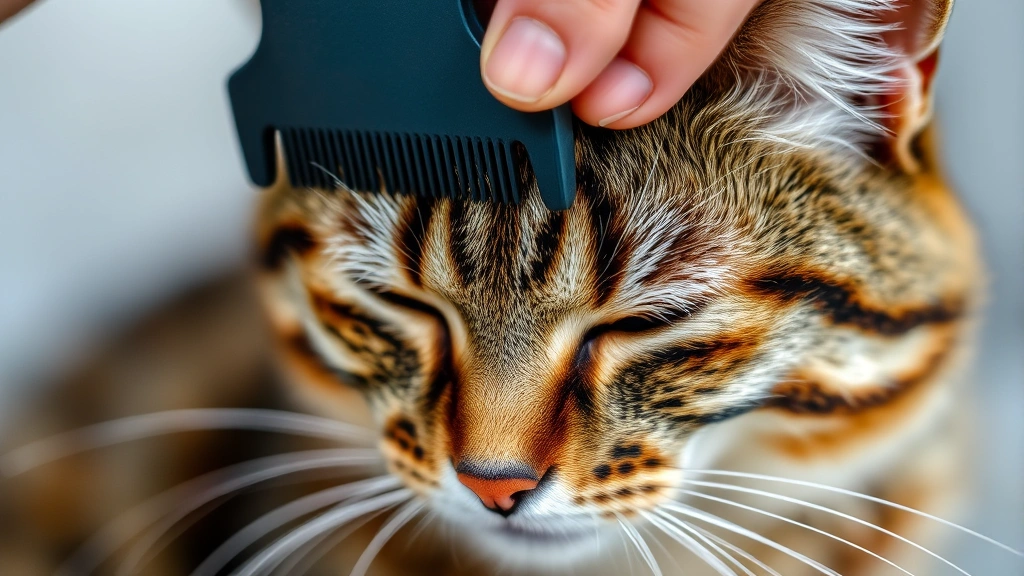
Cats can also get lice, though it’s relatively uncommon in indoor cats and well-cared-for felines. The primary louse species affecting cats is Felicola subrostrata, a chewing louse. Unlike dogs, which can host sucking lice, cats are typically affected only by chewing lice species. This distinction matters for treatment approaches and understanding the parasites’ behavior.
Cats are generally less susceptible to lice than dogs, partly due to their fastidious grooming habits. A cat’s constant self-grooming helps remove parasites and their eggs before infestations can become severe. However, cats with health issues, elderly cats, or those with compromised grooming abilities due to arthritis or illness can develop lice infestations. Outdoor cats have slightly higher exposure risk, though even this is relatively low compared to other parasites like fleas or ear mites.
If you have both dogs and cats in your household, you might wonder about cross-species transmission. The good news is that dogs and cats cannot share lice species. The lice that affect dogs are biologically incompatible with cats, and vice versa. This means you don’t need to worry about your cat catching dog lice or your dog catching cat lice, even in close contact situations.
Signs and Symptoms of Lice Infestation
Identifying lice infestations early is crucial for prompt treatment. The most common signs include excessive scratching, particularly around the head, neck, and body. Your pet may scratch so intensely that they cause secondary skin infections or hair loss. Look for visible signs like small insects or their eggs (nits) on the skin and coat, though lice are much smaller than fleas and can be harder to spot.
Other symptoms of lice infestation include:
- Patchy hair loss or alopecia, often in areas where scratching is most intense
- Scaly or flaky skin that might appear similar to dandruff
- Skin irritation or dermatitis with visible redness or inflammation
- Dull, unkempt coat appearance despite regular grooming
- Restlessness and behavioral changes due to discomfort
- Secondary skin infections from constant scratching and self-trauma
- Anemia in severe cases, particularly with sucking lice that feed on blood
It’s worth noting that lice infestations can sometimes be confused with other conditions. What fleas look like on dogs is often more recognizable to pet owners than lice, as fleas are more common. However, a veterinarian can easily distinguish between parasites and other skin conditions.

Diagnosis and Identification
Proper diagnosis is essential for effective treatment. Your veterinarian will typically perform a thorough skin examination using a magnifying glass or dermatoscope to look for adult lice and nits. They might also use a flea comb to collect debris from the coat, which can be examined under a microscope for lice eggs and adults. In some cases, skin scrapings or tape preparations might be recommended.
Veterinarians can differentiate between chewing and sucking lice based on their physical characteristics and the symptoms they cause. The ASPCA emphasizes that professional diagnosis is important because misidentification could lead to inappropriate treatment. Some conditions that mimic lice infestations include allergies, mange, ringworm, and other parasitic infections.
When you visit your vet, provide a detailed history of your pet’s symptoms, including when you first noticed signs and any recent contact with other animals. This information helps your veterinarian make an accurate diagnosis and develop an appropriate treatment plan.
Treatment Options for Pet Lice
Once lice infestation is confirmed, several treatment options are available. The most common approach involves medicated shampoos or topical treatments specifically formulated to kill lice. Products containing pyrethrins, permethrin (for dogs only), or other antiparasitic ingredients are typically effective. These treatments usually need to be repeated every 7-10 days for 2-3 weeks to ensure all life stages of the lice are eliminated.
Your veterinarian might recommend:
- Topical spot-on treatments applied directly to the skin, usually between the shoulder blades where pets can’t lick them
- Oral medications such as ivermectin or other systemic antiparasitics
- Medicated shampoos used as part of a bathing routine
- Dips or rinses in some cases, though these are less commonly used today
- Environmental treatment to eliminate any parasites in bedding and living spaces
It’s crucial to follow your veterinarian’s instructions exactly regarding dosage, frequency, and duration of treatment. Never use dog products on cats or vice versa, as this can be dangerous. Some flea treatments are toxic to cats, and dosages appropriate for dogs can be lethal to felines.
During treatment, regular bathing with a gentle, medicated shampoo can help remove dead lice and nits while soothing irritated skin. Thorough grooming with a fine-toothed comb between treatments can also help remove debris and dead parasites. Most cases resolve within 2-3 weeks with appropriate treatment, though some severe infestations might require extended therapy.
Prevention Strategies
Prevention is always easier than treatment. The best way to prevent lice infestations is through regular grooming and hygiene maintenance. Brushing your dog or cat several times per week helps you spot parasites early and keeps the coat healthy. Regular bathing with quality shampoos also helps maintain skin health and can reduce parasite susceptibility.
Key prevention strategies include:
- Regular veterinary check-ups to catch any parasitic infestations early
- Maintaining good nutrition to support immune system function
- Practicing good sanitation with bedding, toys, and grooming tools
- Limiting contact with stray or unvaccinated animals
- Keeping your pet’s environment clean and free from parasites
- Treating any underlying health conditions that might compromise immunity
- Using year-round parasite prevention as recommended by your veterinarian
For multi-pet households, maintaining separate grooming tools and bedding can help prevent cross-contamination. Regularly wash all bedding, toys, and grooming equipment in hot water to eliminate any parasites or eggs. This is particularly important if you suspect lice exposure.
Lice vs. Fleas: Key Differences
Understanding the differences between lice and fleas is important for pet owners. While both are parasites, they’re quite different creatures with distinct behaviors and treatment needs. How dogs get fleas is often through environmental contact, as flea eggs and larvae can persist in the environment for months. Lice, by contrast, require direct contact with an infested animal or contaminated grooming tools.
Here are the key differences:
| Characteristic | Lice | Fleas |
|---|---|---|
| Size | 1-3mm, visible but small | 2-4mm, more easily visible |
| Transmission | Direct contact or fomites | Environmental, hosts, or wildlife |
| Off-host survival | Hours to days | Months in environment |
| Life cycle | 3-4 weeks | 2-3 weeks |
| Disease transmission | Rare | Common (tapeworms, plague) |
| Prevalence | Uncommon today | Very common |
Fleas are significantly more common in modern pet populations and pose greater public health concerns. However, this doesn’t mean lice should be ignored. Both parasites cause discomfort and can lead to secondary infections if left untreated. The good news is that both respond well to appropriate veterinary treatment.
It’s also worth noting that cross-species transmission concerns are minimal with lice. Unlike some parasites that can affect multiple species, lice are highly host-specific. You don’t need to worry about catching lice from your dog or cat, and they can’t catch human lice.
Frequently Asked Questions
Can humans catch lice from dogs or cats?
No, human lice and pet lice are completely different species. The lice that affect dogs and cats cannot infest humans, and human lice cannot infest pets. This is due to the highly host-specific nature of lice. Each species has evolved to live on a particular host and cannot survive on other species.
Are lice contagious between dogs and cats?
No, lice cannot transfer between dogs and cats. Dog lice and cat lice are different species that are biologically incompatible. A dog with lice cannot infect a cat in the same household, and vice versa. This makes managing multi-pet households with lice infestations somewhat easier.
How long does it take to treat a lice infestation?
Most lice infestations can be resolved within 2-3 weeks with appropriate treatment. However, the exact timeline depends on the severity of the infestation and the specific treatment used. You’ll typically need to repeat treatments every 7-10 days for 2-3 weeks to ensure all life stages are eliminated. Always follow your veterinarian’s specific recommendations.
Can lice survive on bedding and furniture?
Lice can survive for a short time on bedding and furniture, typically only a few hours to a few days. Unlike fleas, which can persist in the environment for extended periods, lice require a host to survive long-term. However, washing bedding, toys, and grooming tools in hot water is still recommended to eliminate any parasites or eggs that might be present.
What’s the difference between lice and mites?
Lice and mites are different parasites. Mites cause conditions like mange (sarcoptic or demodectic), while lice are insects. Mites are typically microscopic and not visible to the naked eye, whereas lice can be seen with magnification. Diagnosis, treatment, and prevention strategies differ between the two, so veterinary diagnosis is essential.
Is scratching the only sign of lice infestation?
While excessive scratching is the most common sign, other parasitic signs can include hair loss, scaly skin, dull coat appearance, and visible insects or nits. Some pets may also show behavioral changes like restlessness or irritability. If you notice any of these signs, consult your veterinarian for proper diagnosis.
Can outdoor cats get lice more easily than indoor cats?
Outdoor cats do have slightly higher exposure risk to lice compared to indoor cats, though lice infestations remain relatively uncommon in cats overall. Outdoor exposure increases contact with potentially infested animals and contaminated environments. However, a cat’s grooming behavior and generally lower susceptibility to lice keep infestation rates low even in outdoor cats.
Should I treat my entire household if one pet has lice?
Not necessarily. Since lice are species-specific and require direct contact or contact with contaminated items, you only need to treat the affected pet. However, if you have multiple dogs or multiple cats, and they have close contact, you should monitor the other animals closely. Wash shared bedding and toys in hot water as a precaution. Your veterinarian can advise on whether other pets need preventive treatment.





