
Can Dogs Drink Soda Water? Safety Tips for Pet Owners
Picture this: you’re enjoying a refreshing glass of soda water on a warm afternoon, and your furry best friend gives you those irresistible puppy dog eyes. Before you share, you pause and wonder—is soda water safe for dogs? It’s a question that deserves a thoughtful answer, because as pet parents, we want to keep our canine companions healthy and happy.
The short answer is that plain soda water without additives is generally safe for dogs in small amounts, but it’s not something you should regularly offer. However, the devil is in the details, and understanding the nuances can help you make informed decisions about what your pup drinks.
In this comprehensive guide, we’ll explore everything you need to know about dogs and soda water, including potential risks, safer alternatives, and expert tips for keeping your pooch hydrated the right way.
What Is Soda Water?
Before we dive into safety concerns, let’s clarify what soda water actually is. Soda water, also known as carbonated water or sparkling water, is plain water that has been infused with carbon dioxide gas under pressure. This creates those characteristic bubbles that make it fizzy and refreshing.
Unlike regular soda or soft drinks, plain soda water contains no sugar, artificial sweeteners, caffeine, or other additives. It’s simply water with bubbles—which sounds innocent enough. However, the carbonation process itself introduces considerations for our canine friends that we need to understand.
The carbonation creates carbonic acid, which gives soda water its slightly acidic pH. While this is harmless to humans, dogs have different digestive systems, and we need to consider how this might affect them.
Is Plain Soda Water Safe for Dogs?
The good news is that plain soda water without any additives is not toxic to dogs. If your dog accidentally takes a small sip of your sparkling water, there’s no need to panic or rush to the emergency vet. Plain carbonated water won’t poison your pet or cause serious harm in small quantities.
However, just because something isn’t toxic doesn’t mean it’s beneficial or something you should encourage. Think of it like this: your dog doesn’t need soda water, and regular consumption could lead to uncomfortable digestive issues. The carbonation can cause gas buildup in their stomach, leading to bloating and discomfort.
According to the American Kennel Club, water should be your dog’s primary beverage. Plain, fresh water is always the best choice for keeping your pup hydrated and healthy.
The Carbonation Question: What You Should Know
The carbonation in soda water is where things get interesting. When your dog drinks carbonated beverages, the bubbles can accumulate in their stomach and intestines. This gas buildup can cause several uncomfortable issues:
- Bloating: Gas accumulation can make your dog’s stomach feel uncomfortably full and distended
- Flatulence: Excess gas needs to escape somehow, often resulting in embarrassing (and smelly) dog farts
- Stomach discomfort: Your pup might experience cramping or pain as the gas moves through their digestive tract
- Nausea: Some dogs may feel queasy when their stomach is filled with gas bubbles
In rare cases, especially with large quantities or in dogs predisposed to bloat, carbonated beverages could theoretically contribute to more serious gastric issues. This is particularly concerning for deep-chested dog breeds that are already at higher risk for bloat, a potentially life-threatening condition.
If you’re curious about other beverages your dog might encounter, you might also wonder if dogs can drink milk or whether coffee is safe for dogs—both important questions for responsible pet owners.
Why Flavored Sodas Are a Big No-No
While plain soda water might be marginally acceptable in tiny amounts, flavored sodas and energy drinks are absolutely off-limits for dogs. Here’s why:
Sugar and Artificial Sweeteners: Regular sodas contain high amounts of sugar, which can lead to obesity, dental problems, and diabetes in dogs. Even worse, many diet sodas contain xylitol, an artificial sweetener that is highly toxic to dogs and can cause severe hypoglycemia and liver damage.
According to the ASPCA Animal Poison Control Center, xylitol is one of the most common causes of poisoning in dogs. Even small amounts can be dangerous, so always check ingredient labels before sharing any beverage with your pup.
Caffeine: Many sodas contain caffeine, which can cause heart palpitations, tremors, and restlessness in dogs. Some flavored sodas also contain other harmful ingredients like citric acid or flavorings that can upset a dog’s stomach.

The bottom line is that flavored sodas should never be given to dogs, even as an occasional treat. Stick with plain water for your pup’s hydration needs.
Sodium Content and Your Dog’s Health
Another consideration with soda water is sodium content. While plain soda water typically contains minimal sodium, some brands add salt to enhance flavor. Excess sodium intake can be problematic for dogs, particularly those with:
- Heart disease or hypertension
- Kidney problems
- Certain medications that affect fluid balance
- Predisposition to bloat
If you’re concerned about your dog’s sodium intake, it’s best to avoid soda water altogether and stick with fresh, plain water. Speaking of hydration, if you’ve noticed your dog seems excessively thirsty, you might want to explore why your dog might be drinking so much water, as this could indicate an underlying health issue.
How Soda Water Affects Canine Digestion
Dogs have a completely different digestive system than humans. Their stomachs are more acidic, and their digestive tract is shorter and more specialized for processing meat-based diets. This means that carbonated beverages can affect them differently than they affect us.
When a dog drinks soda water, the carbonation doesn’t get absorbed like it does in humans. Instead, it remains as gas in the digestive tract, potentially causing discomfort throughout the entire journey from stomach to intestines. This is especially problematic for dogs with sensitive stomachs or existing digestive issues.
If your dog has a history of gastrointestinal problems, inflammatory bowel disease, or pancreatitis, soda water is definitely something to avoid. Even plain carbonated water could trigger symptoms or exacerbate existing conditions.
For dogs that need extra hydration encouragement, consider exploring options like coconut water for dogs, though you’ll want to consult your vet first. You might also find helpful tips in our guide about how to get your dog to drink more water.
Safer Hydration Alternatives for Dogs
So what should you offer your dog instead of soda water? Here are the best options:
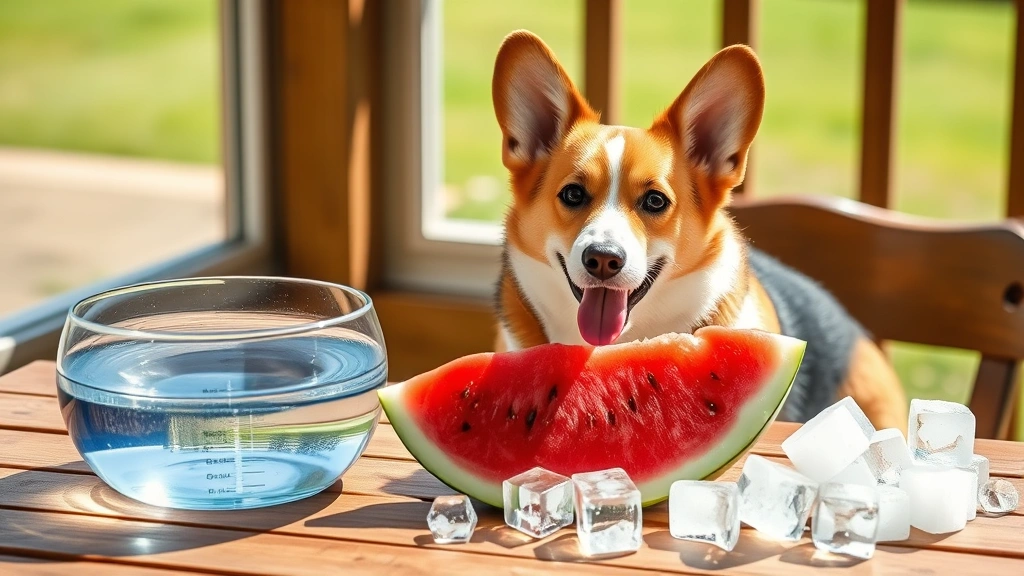
Fresh, Clean Water: This is always the gold standard. Provide your dog with access to fresh water throughout the day. Change the water regularly to keep it appealing and clean.
Dog-Friendly Broths: Low-sodium chicken or beef broth (without onions or garlic) can be a tasty hydration option. You can even freeze it in ice cube trays for a refreshing summer treat.
Watermelon and Other Fruits: Many dogs love watermelon, which is mostly water and contains beneficial nutrients. Other safe options include cantaloupe and apples (without seeds).
Ice Cubes: Plain ice cubes are refreshing and encourage drinking. Some dogs love crunching on them, especially on hot days.
Wet Food: Incorporating wet or canned dog food into their diet increases water intake naturally. Mix it with dry kibble for added hydration.
Dog-Specific Beverages: Some companies make specially formulated dog drinks that are nutritionally balanced and safe for canine consumption.
If your dog seems to prefer plain water but you want to add variety, consult your veterinarian about safe options before introducing anything new.
When to Contact Your Vet
In most cases, if your dog takes a small sip of plain soda water, no veterinary intervention is needed. However, you should contact your vet if your dog:
- Ingests a large quantity of soda water and shows signs of bloating or distension
- Drinks flavored soda or diet soda that may contain xylitol
- Experiences persistent vomiting, diarrhea, or abdominal pain after consuming carbonated beverages
- Shows signs of gastric distress such as excessive drooling, panting, or restlessness
- Has a known predisposition to bloat and has consumed any carbonated beverage
The Pet Poison Helpline is an excellent resource if you’re ever unsure about whether your dog has ingested something dangerous. They’re available 24/7 and can provide guidance specific to your situation.
Frequently Asked Questions
Can dogs have a tiny sip of soda water?
A tiny sip of plain soda water won’t harm your dog, but it’s not recommended as a regular practice. The carbonation can cause digestive discomfort, and there’s simply no nutritional benefit. Plain water is always the better choice.
What if my dog drank soda by accident?
If your dog accidentally drank a small amount of regular soda, monitor them for any signs of discomfort. If it was diet soda containing xylitol, contact your vet immediately, as xylitol is toxic to dogs even in small quantities.
Is sparkling water the same as soda water?
Sparkling water and soda water are essentially the same thing—both are water infused with carbon dioxide. The terms are often used interchangeably, though some brands use specific terminology. The same safety considerations apply to both.
Can carbonation cause bloat in dogs?
While carbonation itself doesn’t directly cause bloat, it can contribute to gas accumulation in the stomach. For breeds predisposed to bloat, this is an additional reason to avoid carbonated beverages.
What about dogs with sensitive stomachs?
Dogs with sensitive stomachs should definitely avoid soda water. The carbonation can trigger digestive upset, gas, and discomfort. Stick with plain, room-temperature water for these pups.
Are there any benefits to giving dogs soda water?
There are no nutritional or health benefits to giving dogs soda water. Plain water provides complete hydration without any risk of digestive discomfort or other side effects.
How much water should my dog drink daily?
Most dogs need about one ounce of water per pound of body weight daily. However, this varies based on activity level, diet, weather, and individual health factors. Your vet can recommend the right amount for your specific pup.





