

Can Dogs Eat Animal Crackers? Safety Tips Every Pet Parent Should Know
Picture this: you’re munching on a box of animal crackers while your furry best friend gives you those irresistible puppy dog eyes from across the room. It’s a scenario that plays out in households everywhere, and it raises a question that many dog owners find themselves asking: can dogs eat animal crackers? The answer, like many things in pet nutrition, is nuanced and requires a closer look at what’s actually in those adorable little treats.
Animal crackers have been a beloved snack for generations, marketed as a wholesome option for kids and often perceived as relatively harmless. But when it comes to our four-legged companions, what’s safe for humans isn’t always safe for dogs. The good news? Your pup can occasionally enjoy animal crackers in moderation, but there are some important caveats and safety considerations you need to understand before tossing one to your tail-wagging buddy.
In this comprehensive guide, we’ll explore everything you need to know about dogs and animal crackers, from ingredient concerns to portion sizes and healthier alternatives. Whether you’re a curious dog owner or someone looking to better understand canine nutrition, this article will give you the knowledge to make informed decisions about your pet’s snacking habits.
Are Animal Crackers Safe for Dogs?
The straightforward answer is: yes, dogs can eat animal crackers in moderation, but with important limitations. Most commercial animal crackers contain ingredients that are not toxic to dogs, making them technically safe in small quantities. However, “safe” doesn’t necessarily mean “healthy” or “recommended.”
Plain animal crackers without any special flavorings, chocolate coatings, or artificial sweeteners pose minimal immediate danger to your dog. The primary concern isn’t usually toxicity but rather the nutritional value (or lack thereof) and the potential for digestive upset or weight gain from excessive consumption.
If you’re wondering about other similar crackers, you might also want to explore whether dogs can eat Cheerios, as they share similar nutritional profiles. Additionally, understanding the broader category helps—learning about whether dogs can eat crackers in general provides valuable context for making treat decisions.
Understanding the Ingredients
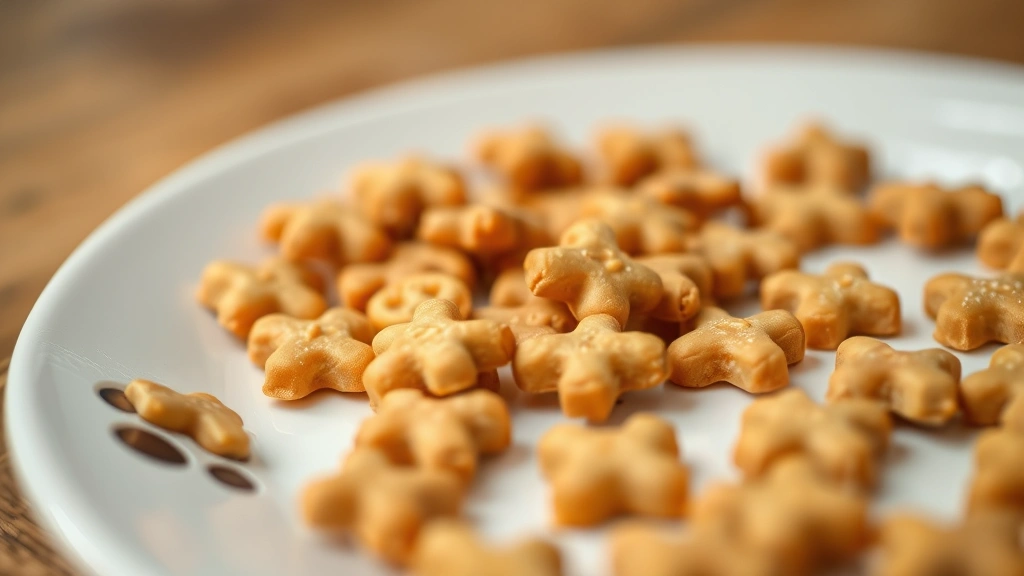
To determine whether animal crackers are appropriate for your dog, it’s essential to read the ingredient list carefully. Most standard animal crackers contain relatively simple ingredients like enriched wheat flour, sugar, vegetable oil, salt, and various leavening agents. Let’s break down what each of these means for your furry friend:
- Wheat Flour: Generally safe for dogs unless they have a wheat allergy. Enriched flour means vitamins and minerals have been added, which provides minimal nutritional benefit for dogs.
- Sugar: This is where concerns arise. While a small amount won’t cause immediate harm, excess sugar contributes to obesity, dental problems, and potentially diabetes in dogs.
- Vegetable Oil: Safe in small quantities, though high-fat foods can trigger pancreatitis in susceptible dogs.
- Salt: While small amounts are necessary, excess sodium can be problematic for dogs, particularly those with heart or kidney conditions.
- Leavening Agents: Baking soda and yeast are generally safe for dogs in the small quantities found in crackers.
It’s crucial to avoid animal crackers that contain certain harmful ingredients. Never give your dog crackers with xylitol (an artificial sweetener), chocolate, raisins, or macadamia nuts. If you’re curious about other sweet treats, you might want to check whether dogs can safely eat graham crackers or explore what dogs can eat when it comes to cake.
For those wondering about other popular snack options, Goldfish crackers for dogs present similar considerations with their own specific ingredient profiles.

Potential Health Risks
While plain animal crackers aren’t toxic, several health concerns warrant careful consideration before sharing them with your pup:
Weight Gain and Obesity: Animal crackers are calorie-dense and nutrient-light. A single serving contains roughly 130 calories and minimal protein or fiber. For small dogs, even a few crackers can represent 5-10% of their daily caloric intake. Regular consumption can quickly lead to weight gain, which increases the risk of joint problems, diabetes, and heart disease.
According to the American Animal Hospital Association, nearly 60% of dogs in the United States are overweight or obese, making treat management critical to canine health.
Digestive Issues: Dogs have shorter digestive systems than humans and are adapted to process meat-based diets. High-carbohydrate, processed foods like animal crackers can cause upset stomach, diarrhea, or constipation in sensitive dogs. The refined flour lacks the fiber that helps maintain healthy digestion.
Dental Concerns: The sugar content in animal crackers can contribute to plaque buildup and tooth decay. Dogs don’t brush their teeth, so managing sugar intake is one of the few ways pet owners can protect their dogs’ oral health.
Nutritional Inadequacy: Animal crackers provide “empty calories” with little nutritional value. They contain minimal protein, no essential fatty acids, and limited vitamins or minerals that benefit dogs. Your pup would be better served by treats that contribute meaningfully to their nutritional needs.
Allergic Reactions: While uncommon, some dogs have wheat allergies or sensitivities. If your dog experiences itching, digestive upset, or skin issues after consuming crackers, discontinue immediately. Learn more about what to give dogs for allergies if you suspect a food sensitivity.
The ASPCA emphasizes that treats should comprise no more than 10% of a dog’s daily caloric intake, with the remaining 90% coming from complete and balanced meals.
Portion Control Guidelines
If you decide to give your dog animal crackers occasionally, portion control is absolutely essential. Here’s what responsible treat-giving looks like:
For Small Dogs (under 25 lbs): No more than 2-3 animal crackers per week, and only as an occasional treat. One or two crackers represent a more reasonable single serving.
For Medium Dogs (25-50 lbs): Maximum of 5-7 crackers per week, offered as infrequent treats. A single serving should be limited to 2-3 crackers.
For Large Dogs (over 50 lbs): Up to 10 crackers per week, but still as occasional treats rather than regular snacks. A single serving might include 3-4 crackers.
These guidelines assume your dog is at a healthy weight and has no underlying health conditions. Dogs with obesity, diabetes, pancreatitis, or heart disease should avoid animal crackers entirely.
The 10% Rule: Remember that treats (including animal crackers) should never exceed 10% of your dog’s daily caloric intake. Most adult dogs need between 700-1800 calories daily, depending on size and activity level. Calculate how many calories animal crackers represent for your specific dog and adjust accordingly.
Frequency Matters: Even if the portion size is appropriate, offering animal crackers more than once or twice weekly isn’t recommended. Think of them as an occasional surprise rather than a regular snack option.
Healthier Treat Alternatives
Instead of reaching for animal crackers, consider these nutritious alternatives that provide genuine health benefits:
- Carrots: Low-calorie, crunchy, and full of vitamins. They also help clean teeth naturally. Most dogs love them, and they’re essentially guilt-free treats.
- Apple Slices: Sweet enough to satisfy cravings but low in calories. Remove seeds first, as they contain cyanogenic compounds. Offer occasionally due to sugar content.
- Peanut Butter: High in protein and healthy fats. Offer in moderation (a small spoonful) and ensure it doesn’t contain xylitol, which is toxic to dogs.
- Plain Pumpkin: Excellent for digestive health and naturally sweet. Low in calories and packed with fiber.
- Watermelon: Hydrating and refreshing, especially on hot days. Remove seeds and offer seedless varieties when possible.
- Green Beans: Crunchy, low-calorie, and nutritious. Many dogs find them satisfying, and they’re safe to offer regularly.
- Blueberries: Antioxidant-rich superfoods for dogs. Small portions make them perfect for training rewards.
- Plain Cooked Chicken: Protein-packed and beloved by most dogs. Cut into small pieces for training treats.
These alternatives provide actual nutritional value while keeping your dog’s health and weight in check. They’re also often more interesting to dogs than processed crackers.
When to Call Your Vet
Eating a few animal crackers won’t typically require veterinary attention, but contact your vet immediately if your dog shows any of these symptoms:
- Vomiting or severe diarrhea: Persistent digestive upset suggests food intolerance or a more serious issue.
- Excessive drooling or difficulty swallowing: Could indicate choking or an allergic reaction.
- Swelling of the face, lips, or throat: Signs of allergic reaction requiring emergency care.
- Lethargy or unusual behavior: May indicate a more serious reaction or underlying condition.
- Difficulty breathing: Always a veterinary emergency.
Additionally, consult your vet if your dog has existing health conditions before introducing any new treats. Your veterinarian can provide personalized guidance based on your dog’s specific health profile.
The Association of American Feed Control Officials (AAFCO) sets standards for pet food and treats, and your vet can help you navigate these guidelines for your specific dog.
Frequently Asked Questions
Can puppies eat animal crackers?
Puppies have developing digestive systems and specific nutritional needs for growth. It’s best to avoid animal crackers for puppies under six months old. After that, only offer them very occasionally and in tiny portions. Puppy-specific treats are formulated to support healthy development.
What if my dog accidentally ate a whole box of animal crackers?
Don’t panic. A single incident of overeating animal crackers is unlikely to cause serious harm, though your dog might experience digestive upset like vomiting or diarrhea. Monitor your dog closely for 24-48 hours, offer plenty of water, and feed bland food (boiled chicken and rice) if they seem unwell. Contact your vet if symptoms persist or worsen.
Are organic or “natural” animal crackers better for dogs?
While organic versions might avoid certain pesticides and artificial additives, they’re still nutritionally similar to conventional animal crackers—high in carbs and sugar, low in protein and fiber. The “natural” label doesn’t make them significantly healthier for your dog. Focus on the ingredient list rather than marketing claims.
Can dogs eat animal crackers with honey or cinnamon?
Plain cinnamon in small amounts is safe for dogs, though there’s no nutritional benefit. However, honey contains sugar and should be limited. Flavored varieties of animal crackers often contain more sugar and should be avoided or given even more sparingly than plain versions.
What about animal crackers with cheese flavoring?
Cheese-flavored animal crackers typically contain artificial cheese flavoring rather than real cheese. They’re usually higher in sodium and often contain additional ingredients that make them less ideal than plain varieties. Stick to plain animal crackers if you choose to offer them at all.
Do animal crackers have nutritional benefits for dogs?
Unfortunately, no. Animal crackers provide minimal nutritional value for dogs. They’re essentially empty calories with little protein, healthy fat, fiber, or essential nutrients. Your dog receives no meaningful health benefit from consuming them.
Can I use animal crackers as training treats?
While they’re small enough to use as training rewards, there are better options. High-value training treats should be nutrient-dense and motivating. Small pieces of chicken, cheese, or specialized dog training treats are more effective and healthier choices that won’t contribute to weight gain during intensive training sessions.
Are there dog-specific crackers I should use instead?
Yes! Many companies manufacture dog-specific biscuits and crackers formulated for canine nutrition. These typically contain appropriate protein levels, beneficial ingredients, and proper portions. However, even these should be given in moderation as part of the 10% treat allowance.





