

Can Dogs Eat Banana Skin? Safety Tips Every Pet Parent Should Know
Your furry friend gives you those irresistible puppy-dog eyes while you’re peeling a banana, and suddenly you’re wondering: can dogs eat banana skin? It’s a question that deserves a thoughtful answer, especially when it comes to keeping your canine companion safe and healthy. While the soft fruit inside is generally a dog-approved snack, the peel is a different story altogether.
The banana skin question pops up surprisingly often in pet parent circles, and for good reason. Dogs are naturally curious creatures who want to investigate everything their humans are eating. Understanding what’s safe and what’s not can mean the difference between a happy, healthy pup and an unnecessary trip to the vet. Let’s peel back the layers of this fruity mystery and discover what you need to know about banana skins and your beloved dog.
Whether your dog has already munched on a banana peel or you’re just being proactive, this comprehensive guide will walk you through everything from digestion concerns to practical prevention strategies. We’ll also explore how banana skins compare to other fruit peels your dog might encounter, so you can make informed decisions about what goes into your pup’s bowl.
Can Dogs Eat Banana Skin? The Direct Answer
Let’s get straight to the point: banana skin is not toxic to dogs, but it’s not recommended. This is an important distinction that many pet parents miss. While the peel won’t poison your pup, it doesn’t mean it’s an ideal treat either. Think of it like the difference between something being legal and something being wise—just because your dog can technically digest it doesn’t mean they should be snacking on it regularly.
The banana skin itself contains no compounds that will cause immediate harm to your dog’s system. However, this doesn’t translate to it being a healthy choice. The main issues revolve around digestive difficulty and potential choking hazards rather than toxic ingredients. When comparing what parts of bananas dogs can safely eat, the soft fruit is always the winner over the tough, fibrous skin.
Many veterinarians and canine nutrition experts agree that while a small piece of banana skin won’t cause an emergency, the risks outweigh any potential benefits. The peel is simply too difficult for most dogs to process efficiently, and it offers minimal nutritional value compared to the fruit inside.
Nutritional Content of Banana Skin
Understanding what’s actually in a banana peel can help you make better decisions about your dog’s diet. Banana skins contain fiber, potassium, vitamin B6, and vitamin C—nutrients that sound beneficial on paper but come in a package that’s difficult for dogs to access and digest.
The fiber content in banana skin is significantly higher than in the fruit itself, which might sound like a positive thing. However, dogs have shorter digestive tracts than humans and process plant-based fiber differently. The tough, stringy texture of the peel can actually create problems rather than provide benefits. Additionally, banana skins contain compounds like tannins that can be difficult for canine digestive systems to break down effectively.
When you look at the broader category of fruits dogs can enjoy, you’ll find that most nutritional benefits are better obtained from the edible portions rather than peels and skins. Dogs don’t need the specific nutrients in banana skins when there are so many better alternatives available.

Digestive Concerns and Risks
Your dog’s digestive system is a marvel of nature, but it has limits. The primary concern with banana skin isn’t toxicity—it’s digestibility. Dogs evolved as carnivores, and while modern domestic dogs have adapted to process some plant matter, they still don’t have the enzyme systems to efficiently break down tough, fibrous plant material like banana peels.
When a dog ingests banana skin, several things can happen. First, the peel passes through relatively unchanged because the dog’s stomach acid and digestive enzymes can’t adequately break it down. This means the dog doesn’t absorb any of the nutrients, but the peel still takes up space in the digestive tract. For some dogs, this causes no problem. For others, it can lead to constipation or mild digestive upset.
More concerning is the potential for the banana skin to create a blockage, particularly in smaller dog breeds. If your dog doesn’t chew thoroughly and swallows large pieces of peel, these tough fibers can accumulate in the stomach or intestines. While complete blockages from banana skin alone are rare, they’re not impossible, especially if combined with other indigestible materials.
Another consideration is that banana skins can harbor pesticide residues if the banana wasn’t organically grown. Even though you might wash the outside of the banana, the peel itself can absorb chemicals used during cultivation. Feeding your dog something coated in pesticides defeats the purpose of offering a healthy snack.
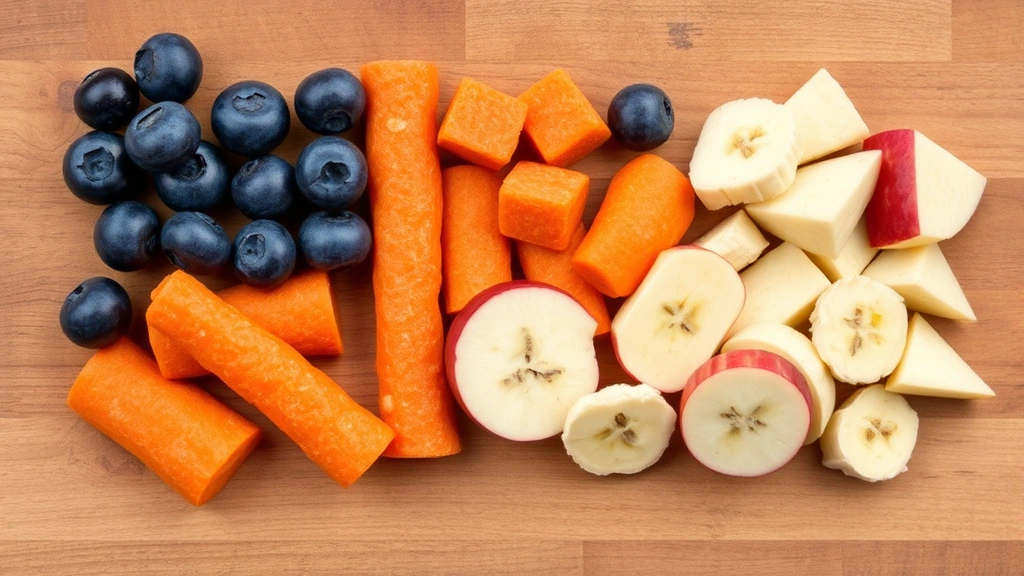
When exploring whether bananas are safe for dogs overall, the answer is more nuanced. The fruit itself is safe in moderation, but the skin remains problematic.
What Happens If Your Dog Eats Banana Skin
So your dog managed to snag a piece of banana skin before you could stop them. Don’t panic. In most cases, a small amount of banana peel will pass through your dog’s system without causing significant issues. Here’s what you should watch for and when to be concerned.
Immediate Effects: Most dogs will experience nothing more than a minor digestive disturbance. Your pup might seem slightly uncomfortable or have a bit of loose stool, but this typically resolves within 24 hours. Some dogs might experience mild constipation instead, as the indigestible fiber can slow things down.
Signs of Concern: Watch for these warning signs over the next few days:
- Persistent vomiting or retching
- Loss of appetite lasting more than 24 hours
- Severe or prolonged diarrhea
- Abdominal pain or bloating
- Lethargy or unusual behavior
- Difficulty defecating or straining
- Signs of intestinal obstruction
If your dog exhibits any of these symptoms, contact your veterinarian. While it’s unlikely that a small piece of banana skin caused a serious problem, it’s better to err on the side of caution, especially if your dog is small, very young, or senior.
When to Seek Emergency Care: If your dog ingested a large amount of banana peel or shows signs of a complete blockage (inability to defecate, severe vomiting, extreme lethargy, or abdominal distension), seek emergency veterinary care immediately. An ASPCA Animal Poison Control Center consultation can also provide guidance specific to your situation.
Safe Banana Alternatives for Dogs
The good news is that you have plenty of options for treating your dog to safe, nutritious snacks that provide similar benefits to bananas without the peel problem. Let’s explore some excellent alternatives.
The Banana Fruit Itself: This remains the safest option if you want to give your dog banana. Remove the peel completely and offer only the soft fruit inside. Cut it into appropriate-sized pieces based on your dog’s size, and remember that treats should comprise no more than 10% of your dog’s daily caloric intake. One or two small slices a few times a week is plenty.
Other Fruits Dogs Can Enjoy: When considering other fruit peels and whether dogs can eat them, you’ll find that most share similar issues with banana skins. However, the fruits themselves (properly prepared and without seeds) are great options:
- Apples: Remove seeds and core. Apples are high in fiber and vitamin C. Interestingly, similar concerns apply—apple cores present their own set of risks that pet parents should understand.
- Blueberries: These tiny powerhouses are packed with antioxidants and can be given whole. Most dogs love them.
- Watermelon: Remove seeds and rind. The high water content makes this perfect for hot days.
- Strawberries: A vitamin C boost that most dogs find delicious.
- Pumpkin: Excellent for digestive health and naturally sweet.
Vegetables as Treats: Don’t overlook vegetables as healthy snack options. Carrots, green beans, and sweet potatoes are nutritious choices that provide dental benefits through chewing.
Prevention Tips and Best Practices
The best approach is preventing your dog from accessing banana skins in the first place. Here are practical strategies for every pet parent.
Kitchen Management: Keep banana peels out of your dog’s reach. This might seem obvious, but many dogs are surprisingly resourceful when it comes to finding food. Don’t leave peels on counters or in easily accessible trash cans. Use a secure compost bin or trash container that your dog can’t open.
Training and Boundaries: Teach your dog a solid “leave it” command. This is one of the most valuable commands for preventing accidental ingestion of dangerous items. Practice regularly with safe items before relying on it in real situations.
Supervision During Meal Prep: When you’re eating fruit, keep your dog at a distance. Even well-trained dogs can be tempted by food being actively prepared. Establish a designated area where your dog should be during your meals.
Guest Education: If friends or family members visit and eat bananas, let them know not to share the peel with your dog. Many people don’t realize the risks and might think they’re being generous.
Understanding Toxic Alternatives: While we’re discussing what dogs shouldn’t eat, it’s worth noting that some foods are far more dangerous than banana skin. If you’re ever concerned about accidental ingestion, knowing what to do if dog eats chocolate or other truly toxic substances can be lifesaving knowledge.
Regular Vet Check-ups: Maintain regular veterinary visits where you can discuss your dog’s diet and any concerns about their digestive health. Your vet can provide personalized recommendations based on your specific dog’s age, size, and health status.
According to the American Kennel Club, bananas can be a healthy treat for dogs in moderation, though the organization emphasizes removing all peels before offering the fruit. This professional guidance aligns with what we’ve discussed throughout this article.
Frequently Asked Questions
Is banana skin poisonous to dogs?
No, banana skin is not poisonous to dogs. However, “not poisonous” doesn’t mean “safe to eat.” The peel contains no toxic compounds, but it’s difficult to digest and poses choking or blockage risks, particularly for small dogs.
What should I do if my dog ate a banana peel?
Monitor your dog for the next 24-48 hours. Most dogs pass small amounts of banana peel without issues. Watch for vomiting, constipation, diarrhea, or signs of abdominal discomfort. Contact your vet if symptoms develop or persist.
Can dogs eat banana peels if they’re cooked?
Cooking doesn’t significantly improve banana peel digestibility for dogs. While cooked peel might be slightly softer, it still lacks nutritional value and poses the same digestive challenges. Stick to offering only the cooked fruit if you want to offer banana as a warm treat.
How much banana can I safely give my dog?
For the banana fruit itself (without peel), offer small portions: about one or two slices for large dogs, half a slice for small dogs, a few times per week. Remember that treats should comprise no more than 10% of your dog’s daily calories.
Are banana peels better for dogs than other fruit peels?
Banana peels are similar to many other fruit peels in terms of digestibility challenges. Most fruit peels should be avoided, though the fruits themselves (properly prepared) are generally safe. The common theme is removing the peel before offering fruit to your dog.
Can puppies eat banana skin?
Puppies should definitely avoid banana skins. Their digestive systems are still developing, and they’re more prone to blockages from indigestible materials. Stick to age-appropriate puppy treats and consult your vet before introducing any new foods.
My dog loves bananas—is the fruit safe for senior dogs?
Yes, the banana fruit itself can be safe for senior dogs in moderation. However, always remove the peel. Senior dogs might have more sensitive digestive systems, so start with very small portions and monitor for any adverse reactions. Consult your vet if your senior dog has any digestive issues.
What’s the difference between banana skin and other things dogs shouldn’t eat?
Banana skin falls into the “difficult to digest but not immediately toxic” category. Unlike truly toxic foods like chocolate, grapes, or xylitol, banana peel won’t cause poisoning. However, it’s still best avoided due to digestive risks.





