Can Dogs Eat Deer Meat? Safety and Benefits Explained
If you’re a hunter, live near wildlife, or simply curious about what your furry friend can safely consume, you’ve probably wondered whether deer meat is a suitable addition to your dog’s diet. The short answer? Yes, dogs can eat deer meat, and it can actually be quite beneficial for them! But like most things in pet nutrition, there are important nuances to understand before serving venison to your canine companion.
Deer meat, commonly called venison, is a lean protein source that many dog owners are turning to as an alternative to conventional meats. It’s nutrient-dense, often easier to digest than beef, and provides essential amino acids that support muscle development and maintenance. However, the way you prepare and serve venison matters significantly for your dog’s health and safety.
In this comprehensive guide, we’ll explore everything you need to know about feeding deer meat to dogs, from nutritional benefits to preparation methods and potential risks. Whether you’re considering venison as an occasional treat or a dietary staple, this article will help you make informed decisions about your dog’s nutrition.
Nutritional Benefits of Venison for Dogs
Venison is packed with nutrients that support canine health and vitality. This lean meat contains high-quality protein essential for building and maintaining strong muscles, producing enzymes, and supporting immune function. Unlike some conventional meats, venison is naturally lower in fat, making it an excellent choice for dogs that need to maintain a healthy weight or those with sensitive digestive systems.
One of the standout benefits of deer meat is its rich iron content. Iron is crucial for oxygen transport in the blood and helps prevent anemia in dogs. Additionally, venison provides B vitamins, particularly B12, which supports neurological function and energy metabolism. The meat also contains selenium, a powerful antioxidant that protects cells from damage and supports thyroid health.
For dogs with food sensitivities or allergies to more common proteins, venison can be a game-changer. Many dogs that react negatively to beef, chicken, or pork tolerate venison exceptionally well. This makes it an ideal protein source for dogs with inflammatory bowel disease or other digestive conditions. The amino acid profile in venison is also well-balanced, containing all nine essential amino acids your dog needs.
When comparing different protein sources, venison stands out as a novel protein—meaning it hasn’t been heavily processed or widely used in commercial dog foods. This novelty factor makes it particularly valuable for elimination diets when determining food allergies or sensitivities in dogs.
Safety Considerations and Potential Risks
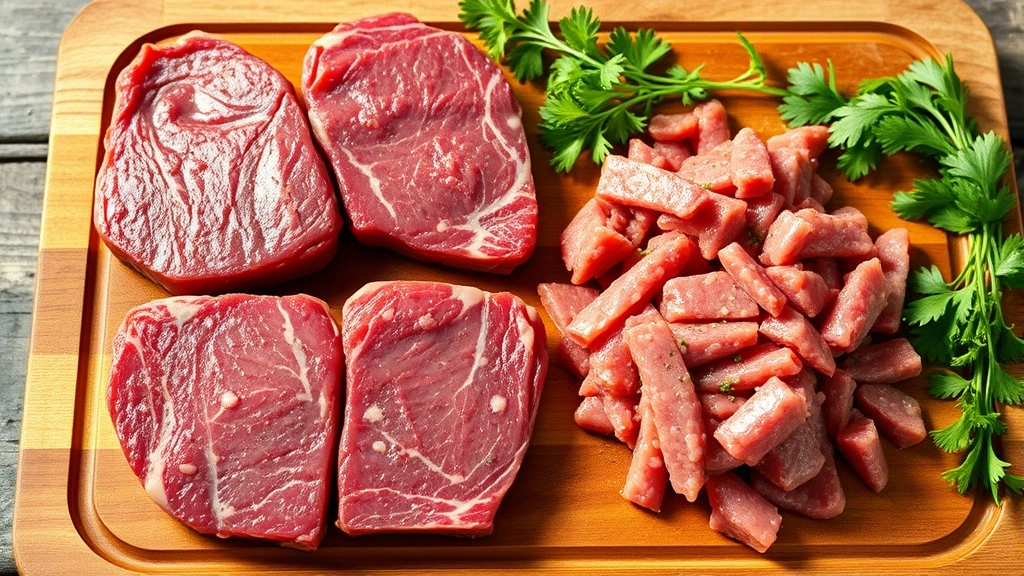
While venison is generally safe for dogs, several important safety considerations should guide your feeding decisions. The primary concern with wild deer meat is parasites and pathogens. Wild venison may contain parasites such as Toxoplasma, Neospora, or various tapeworms that can affect dogs. These organisms are typically killed through proper cooking, but raw venison carries inherent risks.
If you’re hunting and processing your own deer, ensure the meat is thoroughly cooked to kill any potential parasites and bacteria. Ground venison should reach an internal temperature of 160°F, while whole cuts should reach 145°F. Never serve raw venison to your dog unless you’ve had it tested and processed specifically for raw feeding under strict food safety protocols.
Another critical consideration involves bones. While some dog owners feed raw bones, cooked venison bones become brittle and can splinter, potentially causing intestinal blockages or perforations. If you’re serving venison with bones, ensure they’re raw and appropriately sized for your dog, or remove them entirely. For more information about bone safety, check out our guide on whether dogs can digest bones.
Ground venison is generally safer than whole cuts because it’s easier to control for contamination during processing. If you’re purchasing commercially prepared venison, ensure it comes from a reputable source with proper food safety certifications. Avoid feeding your dog venison that’s been heavily seasoned, as garlic, onions, and excessive salt can be harmful to canines.
Dogs with pancreatitis or those prone to digestive upset should introduce venison gradually. The richness of any new protein can sometimes cause temporary digestive issues if introduced too quickly. Additionally, if your dog has kidney disease, consult your veterinarian before adding venison to their diet, as the high protein content may need to be monitored.
How to Prepare Deer Meat for Your Dog
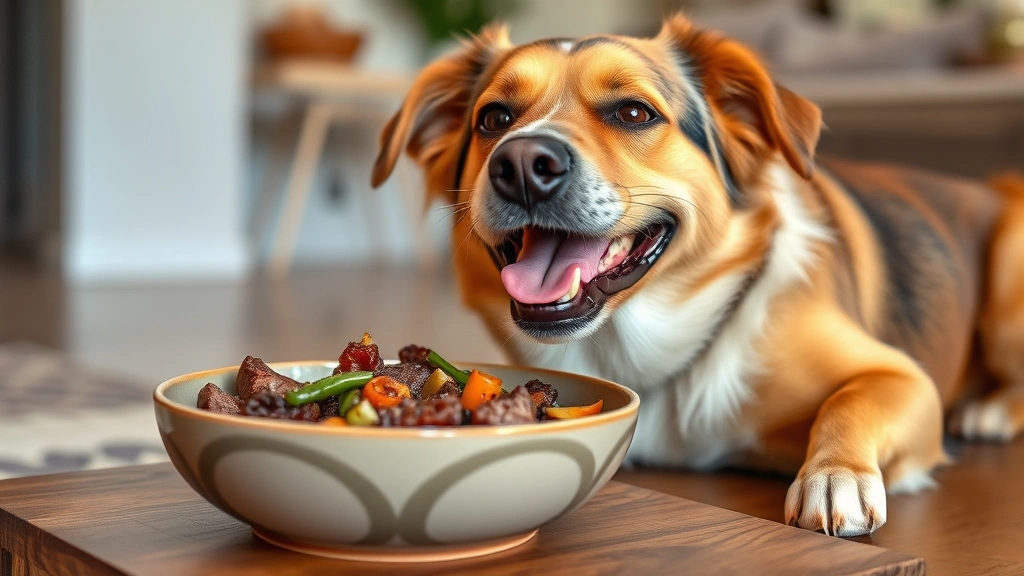
Proper preparation is absolutely essential when feeding venison to your dog. The safest method for most dog owners is cooking the meat thoroughly. Here are the recommended preparation methods:
- Boiling: This is perhaps the safest option. Boil venison in plain water without any seasonings for 15-20 minutes until fully cooked through. This method helps render out excess fat and makes the meat easy to digest. You can even save the cooking water to pour over your dog’s regular food for added flavor and nutrition.
- Baking: Bake venison at 350°F until the internal temperature reaches the safe minimum (145-160°F depending on cut). This preserves more nutrients than boiling and creates a firmer texture that some dogs prefer.
- Slow Cooking: Using a slow cooker is an excellent method for tenderizing venison while keeping it moist. Cook on low for 6-8 hours with just water, creating a tender, easily digestible meal.
- Ground Preparation: If working with ground venison, brown it in a pan over medium heat without oil or seasoning. Drain any excess fat before serving to your dog.
When preparing venison at home, maintain strict food safety practices. Use separate cutting boards and utensils for pet food, wash your hands thoroughly, and store prepared venison in airtight containers in the refrigerator for up to three days or freeze for up to three months.
If you’re considering raw venison, understand that this requires specialized knowledge and food safety precautions. Raw feeding carries risks including bacterial contamination and parasites. If you choose to feed raw venison, source it from suppliers who specifically process meat for raw dog food and follow their guidelines precisely. Never feed your dog raw wild venison unless it’s been professionally tested and processed.
Proper Serving Guidelines and Portions
The amount of venison you should feed your dog depends on several factors including their age, size, activity level, and overall diet. Venison should typically comprise no more than 10% of your dog’s daily caloric intake when used as a supplemental protein or treat. If you’re replacing their regular protein source with venison, it can make up a larger portion of their diet, but should still be balanced with other nutrients.
For a 50-pound dog, a reasonable serving might be 2-4 ounces of cooked venison per day, though this varies based on individual needs. Consider your dog’s caloric requirements and adjust portions accordingly. If you’re unsure about proper portions for your specific dog, consult our article on how much food to feed your dog, which provides detailed guidelines.
When introducing venison to your dog’s diet, start small. Offer just a small piece (about the size of a marble) and observe your dog for 24 hours. Watch for signs of digestive upset such as vomiting, diarrhea, or constipation. If your dog tolerates it well, gradually increase the portion size over a week or two.
Puppies and senior dogs require special consideration. Puppies need appropriate proportions of calcium and phosphorus for proper bone development, so venison shouldn’t constitute their entire protein source. Senior dogs may benefit from venison’s digestibility but should be monitored for any dietary adjustments their aging digestive systems might need.
How Venison Compares to Other Meats
Understanding how venison stacks up against other common proteins can help you make the best choice for your dog’s specific needs. When compared to ground beef, venison is leaner with significantly less fat content. This makes venison superior for weight management and dogs with pancreatitis concerns. Ground beef typically contains 15-25% fat, while venison contains only 1-2% fat.
Venison also differs from raw steak in its digestibility profile. While both are protein-rich, venison’s lean nature makes it easier on the digestive system. Raw steak carries additional food safety concerns that cooked venison, when properly prepared, avoids.
In comparison to lamb, venison offers comparable protein levels but with significantly less fat. Lamb is an excellent protein source but can be too rich for some dogs, particularly those with sensitive stomachs. Venison’s leanness makes it gentler while still providing robust nutritional value.
According to the American Kennel Club’s feeding guidelines, dogs require complete and balanced nutrition with proper protein sources. Venison meets these requirements as a complete protein source containing all essential amino acids.
It’s worth noting that venison is more nutrient-dense than many conventional proteins. A small serving of venison provides more bioavailable nutrients than equivalent portions of some other meats. This means your dog may feel more satisfied with smaller portions, potentially supporting weight management efforts.
For dogs with specific health conditions, venison’s nutritional profile offers distinct advantages. The ASPCA recommends varying protein sources to ensure comprehensive nutrient intake, making venison an excellent addition to a rotation of quality proteins.
Frequently Asked Questions
Is venison safe for puppies?
Yes, venison is safe for puppies when properly prepared and served in appropriate portions. However, puppies have specific nutritional requirements for bone development, including balanced calcium and phosphorus. Venison should be part of a complete and balanced puppy diet rather than the sole protein source. Consult your veterinarian about incorporating venison into your puppy’s diet to ensure it meets their developmental needs.
Can dogs eat venison jerky or processed venison products?
Most commercial venison jerky and processed products contain excessive salt, preservatives, and seasonings that aren’t suitable for dogs. The high sodium content can lead to dehydration and other health issues. If you want to give your dog venison jerky, look for products specifically made for dogs without added salt or harmful seasonings, or prepare your own at home without seasonings.
What if my dog has an allergic reaction to venison?
Though rare, some dogs may have sensitivities to venison. Signs of an allergic reaction include itching, hives, facial swelling, vomiting, or diarrhea. If you notice any of these symptoms, discontinue venison immediately and contact your veterinarian. Your vet can perform allergy testing if needed and recommend alternative proteins.
Can I feed my dog wild venison I hunted myself?
Yes, but with important precautions. Ensure the venison is thoroughly cooked to kill potential parasites and bacteria. Practice strict food safety during processing, using separate cutting surfaces and utensils. Avoid feeding raw wild venison unless it’s been professionally processed for raw feeding. When in doubt, cooking is the safest option.
Is venison better than chicken for dogs?
Both venison and chicken are excellent protein sources, but they offer different benefits. Chicken is more affordable and widely available, while venison is leaner and often better tolerated by dogs with sensitivities. Venison contains more iron and B vitamins than chicken. For dogs with allergies to common proteins, venison’s novelty status makes it particularly valuable. Ideally, rotating between quality proteins including both chicken and venison provides comprehensive nutrition.
How does venison compare to fish as a protein source?
Venison and fish offer different nutritional profiles. Fish provides omega-3 fatty acids that support coat health and reduce inflammation, while venison is leaner and more iron-rich. Both are excellent proteins for different reasons. Fish is particularly beneficial for coat and joint health, while venison excels at supporting muscle development and weight management. Using both in rotation provides complementary benefits.
Can senior dogs eat venison?
Yes, venison is often an excellent choice for senior dogs. Its high digestibility makes it easier on aging digestive systems, and the lean protein supports muscle maintenance crucial for older dogs. However, monitor your senior dog’s kidney function, as high protein diets may need adjustment for dogs with kidney disease. Consult your veterinarian before significantly changing your senior dog’s protein sources.
Should I be concerned about CWD (Chronic Wasting Disease) in venison?
Chronic Wasting Disease is a concern primarily for human hunters consuming venison. Research from the CDC on Chronic Wasting Disease indicates transmission to dogs is extremely unlikely. However, to be cautious, avoid feeding venison from areas with known CWD outbreaks. If you’re unsure about the safety of venison from your region, consult local wildlife authorities.