
Can Dogs Eat Lychee? A Complete Safety and Health Guide for Pet Owners
If you’ve ever enjoyed the sweet, floral taste of lychee fruit, you might have wondered whether your furry best friend could join in on the tropical treat. The short answer? Yes, dogs can eat lychee in moderation, but there are several important considerations you need to know before offering this exotic fruit to your pup. As a pet parent, understanding which human foods are safe for your canine companion is crucial for their health and wellbeing.
Lychees are delicious little fruits packed with vitamin C, copper, and antioxidants that benefit humans in numerous ways. However, your dog’s digestive system works differently from yours, and not all foods that are safe for us are equally safe for them. In this comprehensive guide, we’ll explore everything you need to know about lychees and dogs, including potential risks, proper serving sizes, and how to safely introduce this fruit to your pet’s diet.
Whether you’re a tropical fruit enthusiast or simply curious about expanding your dog’s treat options, this article will provide you with evidence-based information to make informed decisions about your pup’s nutrition.
What Are Lychees and Their Nutritional Profile?
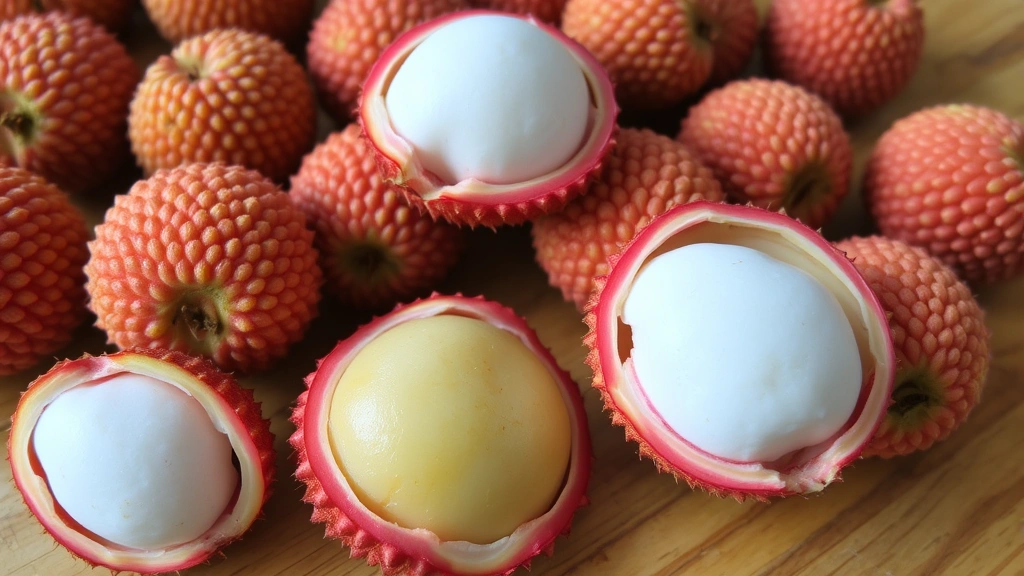
Lychees are small, round tropical fruits with a bumpy reddish-pink exterior and translucent white flesh inside. Native to Southeast Asia, particularly China, these fruits have become increasingly popular in Western markets and are often enjoyed fresh, dried, or frozen. The fruit has a delicate, slightly floral sweetness that makes it a favorite among fruit enthusiasts.
From a nutritional standpoint, lychees contain several beneficial compounds. A 100-gram serving of fresh lychee provides approximately 66 calories, 17 grams of carbohydrates, 1.3 grams of fiber, and an impressive 71.5 milligrams of vitamin C. They also contain copper, which aids in iron absorption and bone development, along with various polyphenols and antioxidants.
However, what’s nutritious for humans doesn’t always translate directly to dogs. While lychees aren’t inherently toxic to canines, the fruit’s high sugar content and specific compounds require careful consideration before adding them to your dog’s diet. Understanding the composition of lychees is the first step in determining whether they’re an appropriate treat for your pup.

Safety Concerns: Toxins and Risks for Canine Companions
The primary concern with lychees for dogs isn’t a direct toxin, but rather several interconnected factors that can pose health risks. First and foremost is the high sugar content. Dogs don’t require added sugars in their diet, and excessive sugar consumption can lead to obesity, dental problems, and diabetes over time. This is particularly concerning for breeds predisposed to weight gain or metabolic issues.
Another significant concern involves the seed and pit. Lychee seeds are relatively large and present a choking hazard, especially for smaller breeds. Additionally, the seed contains trace amounts of compounds that could be problematic if ingested. The seed should never be given to your dog, and you must always remove it completely before offering the fruit.
Interestingly, lychees share a botanical family with other fruits that require caution around dogs. While grapes are toxic to dogs and raisins pose serious risks, lychees haven’t been shown to contain the same nephrotoxic compounds. However, this doesn’t mean they’re consequence-free.
Some dogs may experience mild gastrointestinal upset from lychees, particularly if they’re not accustomed to exotic fruits. The fruit’s fiber content, while generally beneficial, can cause digestive distress in dogs with sensitive stomachs. Additionally, the flesh can be somewhat sticky and may adhere to teeth or cause minor digestive issues if consumed in large quantities.
For dogs with certain health conditions—such as diabetes, obesity, or gastrointestinal sensitivities—lychees should be avoided entirely. Always consult with your veterinarian before introducing any new food to your dog’s diet, especially if your pup has pre-existing health concerns.

How to Safely Serve Lychee to Your Dog
If you’ve determined that lychee is appropriate for your individual dog, proper preparation and portion control are essential. Here’s a step-by-step guide to safely introduce this tropical fruit:
- Remove the outer skin: The bumpy exterior is inedible and should be completely removed before offering any fruit to your dog.
- Extract the seed entirely: This is non-negotiable. Cut the lychee in half and carefully remove the large pit from the center. Even small pieces of seed should be discarded, not given to your dog.
- Cut into appropriate portions: Depending on your dog’s size, cut the fruit into small, manageable pieces. For toy breeds, quarter-sized pieces are ideal, while larger dogs can handle slightly bigger chunks.
- Start with a small amount: Introduce lychee gradually, offering just one or two small pieces as a test. Monitor your dog for any signs of digestive upset over the next 24 hours.
- Keep portions minimal: Lychee should never constitute more than 10% of your dog’s daily caloric intake. For most dogs, this means no more than 2-3 small pieces per week.
- Serve fresh or frozen: Fresh lychee is preferable, though frozen versions are acceptable. Avoid dried lychees, which have concentrated sugars and pose greater choking risks.
The key principle here is moderation. Even though lychees aren’t toxic like chocolate, they should be treated as an occasional treat rather than a dietary staple. Think of lychee as a rare delicacy for your pup, not a regular snack.
Safer Fruit Alternatives for Dogs
If you’re looking to diversify your dog’s treat options with fruits, several alternatives are safer and equally delicious. Papaya offers similar tropical appeal with lower sugar content and excellent digestive enzymes. Dragon fruit is another exotic option that’s generally well-tolerated by dogs when served properly.
Other excellent fruit choices for dogs include:
- Apples: Rich in fiber and vitamin C, apples are an excellent low-calorie treat. Always remove seeds, which contain cyanogenic compounds.
- Blueberries: These antioxidant powerhouses are perfectly safe and often recommended by veterinarians for cognitive health.
- Watermelon: High in hydration and low in calories, watermelon is ideal for hot days. Remove seeds and avoid the rind.
- Bananas: Packed with potassium and B vitamins, bananas make a satisfying treat, though their higher sugar content means moderation is important.
- Strawberries: Low in calories and high in vitamin C, strawberries are a delightful occasional treat.
- Pumpkin: While technically a fruit, pumpkin is lower in sugar and excellent for digestive health.
When introducing any new fruit, follow the same cautious approach you would with lychee: start small, monitor for reactions, and keep portions limited. According to the American Kennel Club, treats should comprise no more than 10% of your dog’s daily caloric intake, with the remaining 90% coming from balanced, complete dog food.
Signs of Lychee Toxicity and When to Contact Your Vet
While lychee toxicity is rare in dogs, it’s important to recognize potential warning signs. If your dog has consumed a large quantity of lychees or has eaten seeds, watch for these symptoms:
- Gastrointestinal upset: Vomiting, diarrhea, or constipation within a few hours of consumption
- Abdominal discomfort: Restlessness, panting, or reluctance to move or eat
- Loss of appetite: Your dog shows no interest in their regular meals
- Lethargy: Unusual tiredness or lack of interest in play or activities they normally enjoy
- Choking or difficulty swallowing: If a seed was swallowed whole
- Excessive drooling: May indicate oral discomfort or blockage
If your dog exhibits any of these symptoms after consuming lychee, contact your veterinarian immediately. In cases where your dog has swallowed a seed whole or consumed a large quantity of fruit, you may need to explore options like inducing vomiting, though this should only be done under professional veterinary guidance.
For minor digestive upset, your veterinarian might recommend fasting your dog for 12-24 hours followed by a bland diet of boiled chicken and white rice. However, never attempt home remedies without professional advice, as some interventions can cause more harm than good.
The ASPCA Animal Poison Control Center is an excellent resource if you’re uncertain about whether your dog has consumed a toxic substance. They can provide professional guidance 24/7 and help you determine the appropriate course of action.
Frequently Asked Questions
Are lychees toxic to dogs like grapes are?
No, lychees are not toxic to dogs in the same way grapes are. Grapes contain compounds that can cause acute kidney injury in dogs, while lychees lack these nephrotoxic properties. However, lychees do pose other risks due to their high sugar content, seeds, and potential for gastrointestinal upset. Always remove the seed and offer only small portions.
How much lychee can I safely give my dog?
The amount depends on your dog’s size and overall health. Generally, limit lychee to no more than 2-3 small pieces per week, and ensure it comprises less than 10% of your dog’s daily caloric intake. For toy breeds, even smaller portions are appropriate. When in doubt, consult your veterinarian for personalized recommendations.
What should I do if my dog swallows a lychee seed?
If your dog swallows a single lychee seed, monitor them closely for choking signs or digestive upset over the next 24-48 hours. In most cases, a single seed will pass through their digestive system without incident. However, if your dog shows signs of choking, distress, or persistent gastrointestinal problems, seek immediate veterinary attention.
Can puppies eat lychee?
Puppies have more sensitive digestive systems than adult dogs and are still developing their ability to handle diverse foods. It’s best to avoid giving lychee to puppies under one year of age. Once your puppy matures, introduce lychee very gradually and in minimal amounts, if at all.
Is dried lychee safer than fresh for dogs?
No, dried lychee is actually less safe than fresh. The drying process concentrates the sugar content, making it higher in calories and more likely to cause digestive upset. Additionally, dried lychees are stickier and pose a greater choking risk. If you’re going to offer lychee to your dog, fresh is the better choice.
Can dogs with diabetes eat lychee?
Dogs with diabetes should not eat lychee. The fruit’s high sugar content can cause blood sugar spikes, which is dangerous for diabetic dogs. If your dog has diabetes, stick to veterinarian-approved treats and foods that won’t affect their glucose levels. Always discuss any dietary changes with your vet.
What are the best tropical fruits for dogs?
The best tropical fruits for dogs include papaya, dragon fruit, and coconut (in moderation). These options are generally lower in sugar than lychee and offer various nutritional benefits. Always remove any seeds or pits, serve in small portions, and introduce new fruits gradually to monitor for adverse reactions.





