

Can Dogs Eat Plantain Chips? A Complete Safety Guide for Pet Parents
Picture this: you’re enjoying a bag of crispy plantain chips while your furry best friend gives you those irresistible puppy-dog eyes. Before you share your snack, let’s talk about whether plantain chips are actually safe for your canine companion. The short answer? It’s complicated, and there are several important factors you need to know before offering these tropical treats to your pup.
Plantain chips have become increasingly popular as a healthier alternative to traditional potato snacks, but what’s good for humans isn’t always good for dogs. As responsible pet parents, it’s our job to understand which foods can safely grace our dogs’ bowls and which ones should remain strictly off-limits. In this comprehensive guide, we’ll explore everything you need to know about plantain chips and your dog’s health.
Whether you’re a first-time dog owner or a seasoned pet parent, this article will help you make informed decisions about your dog’s diet. We’ll break down the nutritional content, identify potential risks, and provide practical alternatives that your pup will love just as much.
What Are Plantain Chips?
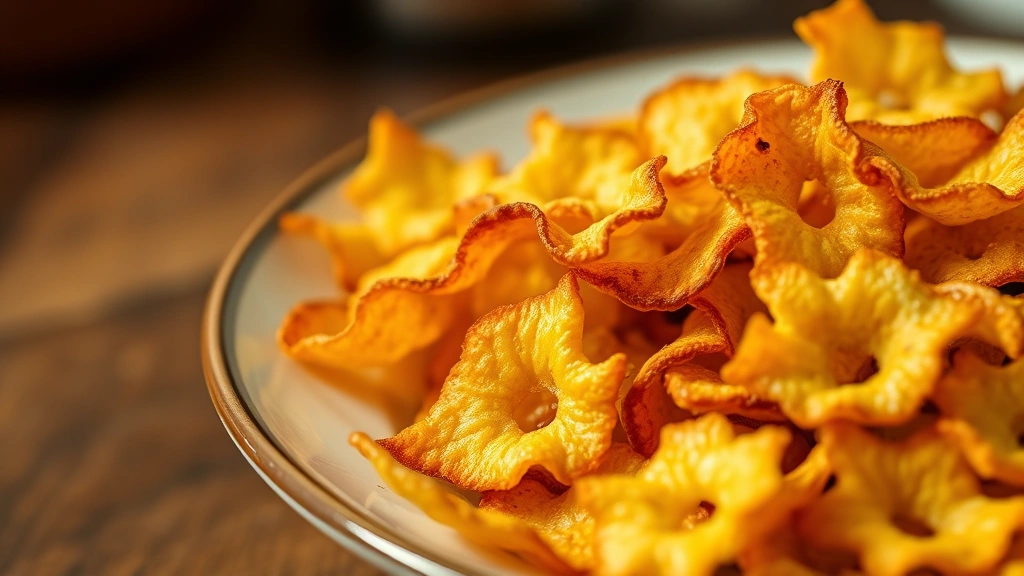
Plantain chips are a snack made from sliced plantains—a starchy fruit that looks similar to bananas but is typically larger and used in cooking rather than eaten raw. Unlike their sweeter banana cousins, plantains are harvested when green and firm, making them ideal for frying or baking into crispy chips. These chips have become a favorite snack across many cultures, particularly in Latin American, African, and Caribbean cuisines.
The appeal of plantain chips lies in their satisfying crunch and savory flavor profile. They’re often seasoned with salt, spices, or other flavorings to enhance their taste. While they might seem like a natural, plant-based snack, the processing method and added ingredients can create concerns when it comes to canine consumption. Understanding what goes into these chips is the first step toward determining whether they’re appropriate for your four-legged friend.
Plantains themselves are technically safe for dogs in very small, plain quantities. However, the commercial preparation of plantain chips introduces several variables that complicate the picture. Most store-bought versions are deep-fried in oil and heavily salted—two things that don’t align well with optimal canine nutrition.
Nutritional Content and Canine Needs
To understand whether plantain chips work for dogs, we need to examine their nutritional profile. A typical serving of plantain chips contains carbohydrates, some fiber, and minimal protein. While plantains do offer some vitamins like vitamin C and potassium, the processing into chips significantly reduces their nutritional value.
Dogs are primarily carnivores with different nutritional requirements than humans. According to the Association of American Feed Control Officials (AAFCO), dogs require appropriate levels of protein, fat, vitamins, and minerals. A balanced canine diet should be formulated to meet these specific needs. Plantain chips, being primarily carbohydrates and fat, don’t contribute meaningfully to these requirements.
The high carbohydrate content in plantain chips is particularly noteworthy. While dogs can digest carbohydrates, they don’t require them in their diet the way humans do. Excessive carbohydrate consumption can contribute to weight gain, and for dogs with certain health conditions like diabetes, it can be especially problematic.
Safety Concerns for Dogs
Now let’s address the elephant in the room: the specific safety concerns surrounding plantain chips for dogs. There are several reasons why these snacks should be approached with caution or avoided entirely.
Sodium Content: Most commercial plantain chips are heavily salted. Excessive sodium intake can be harmful to dogs, potentially leading to sodium ion toxicosis. While a tiny piece won’t cause immediate problems, regular consumption or large quantities can increase blood pressure and strain the kidneys. The ASPCA recommends limiting sodium in canine diets.
Fat and Oil: Plantain chips are typically deep-fried in oil, making them high in fat. High-fat foods can trigger pancreatitis in dogs, a serious and potentially life-threatening condition. Dogs with sensitive stomachs or those prone to gastrointestinal issues are particularly vulnerable. Additionally, the excess fat contributes unnecessary calories that can lead to obesity.
Digestive Issues: The high fat and salt content can upset your dog’s stomach, causing vomiting, diarrhea, or general gastrointestinal distress. Some dogs may experience these symptoms within hours of consumption, while others might develop issues more gradually.
Additives and Seasonings: Many commercial plantain chips contain additional seasonings, preservatives, or flavoring agents. Some of these—particularly garlic powder or onion powder if present—can be toxic to dogs. Always check ingredient lists carefully.
Choking Hazard: The hard, crispy texture of plantain chips can pose a choking risk, especially for enthusiastic eaters or dogs with swallowing difficulties. Pieces can also potentially cause blockages if swallowed whole.
If you’re wondering about whether dogs can eat chips in general, the answer applies similarly to plantain chips. The broader chip category—including potato chips, tortilla chips, and corn chips—share these same concerning characteristics that make them inappropriate for regular canine consumption.

How Plantain Chips Compare to Other Snacks
To put things in perspective, let’s compare plantain chips to other popular snack options. When stacked against alternatives, plantain chips don’t stand out as particularly dog-friendly.
Compared to potato chips, plantain chips are similar in their high salt and fat content, though plantains do offer slightly more fiber. Neither should be regular treats. Tortilla chips often contain additional seasonings that increase their risk profile. Corn chips present similar concerns regarding fat and sodium.
If you’re looking for starchy treats, plain cooked vegetables like sweet potato are far superior. Sweet potatoes offer actual nutritional benefits without the excessive fat and salt. They’re rich in vitamins, minerals, and fiber that support canine health.
For dogs with dietary sensitivities or allergies, it’s especially important to avoid processed snacks. If your dog suffers from food sensitivities, consult our guide on what to give dogs for allergies for better alternatives.
Signs Your Dog Has Eaten Plantain Chips
If your dog has already gotten into your plantain chips, knowing what to watch for can help you determine if veterinary attention is needed. Most dogs who eat a small amount of plantain chips won’t experience serious problems, but it’s important to monitor them carefully.
Immediate Signs: Watch for vomiting, diarrhea, or excessive drooling within the first few hours. Your dog might seem uncomfortable or restless. Some dogs may experience decreased appetite.
Gastrointestinal Symptoms: Over the next 24-48 hours, observe whether your dog develops loose stools, constipation, or abdominal discomfort. They may display reluctance to eat or show signs of belly pain by hunching or whining.
Behavioral Changes: Your dog might seem lethargic or unusually anxious. They may drink more water than normal or attempt to vomit repeatedly.
Serious Symptoms: If your dog shows signs of pancreatitis—severe vomiting, abdominal pain, lethargy, or loss of appetite—contact your veterinarian immediately. While rare from a single exposure, high-fat foods can trigger this serious condition.
The amount consumed matters significantly. A single chip is unlikely to cause problems, while a handful or more increases the risk. Your dog’s size, age, and overall health also factor into the equation. Senior dogs or those with pre-existing health conditions are at higher risk for complications.
Safe and Healthy Alternatives
The good news? There are plenty of delicious, safe alternatives that your dog will enjoy just as much as plantain chips—without the health risks. These options provide actual nutritional benefits while satisfying that desire for crunchy, interesting textures.
Vegetable-Based Treats: Plain, cooked carrots offer natural sweetness and satisfying crunch. Apples (without seeds) provide similar appeal. Green beans and zucchini can be served raw or lightly cooked. These vegetables are nutrient-dense and low in calories.
Homemade Options: You can make your own dog treats using dog-friendly ingredients. Baked sweet potato slices, pumpkin biscuits, or banana chips (plain, unsalted) give you control over ingredients. Many recipes are available from veterinary nutritionists that ensure balanced nutrition.
Commercial Dog Treats: Look for treats formulated specifically for dogs by reputable manufacturers. These are designed to meet nutritional standards and avoid problematic ingredients. Check the AAFCO statement on packaging to ensure they meet established guidelines.
Freeze-Dried Options: Freeze-dried fruits and vegetables retain more nutritional value than processed chips while offering interesting textures. Many pet stores carry freeze-dried dog treats made from single ingredients.
Protein-Based Alternatives: Since dogs are carnivores, protein-rich treats like small amounts of cooked chicken, turkey, or beef satisfy their nutritional needs better than carbohydrate-heavy snacks.
Frequently Asked Questions
What should I do if my dog ate plantain chips?
If your dog ate only one or two plantain chips, monitor them for gastrointestinal upset over the next 24 hours. If they seem fine, no intervention is typically necessary. However, if your dog consumed a large quantity, contact your veterinarian for guidance. Watch for vomiting, diarrhea, or abdominal pain and seek immediate care if these occur.
Are fried plantains worse than baked plantain chips?
Fried plantains are generally worse due to higher fat content. However, even baked plantain chips aren’t ideal for dogs because they’re still high in sodium and carbohydrates. Plain, unsalted, boiled plantain in tiny amounts would be the safest option if you absolutely want to share plantains with your dog.
Can dogs eat plain plantains without seasoning?
Plain, cooked plantain in very small quantities is technically less harmful than processed chips, but it’s still not recommended as a regular treat. Plantains lack significant nutritional benefits for dogs and offer empty calories. If you want to give your dog a starchy treat, plain cooked sweet potato is a superior choice.
How much salt is too much for dogs?
According to veterinary guidelines, dogs require minimal sodium—far less than humans. While there’s no universal “safe” amount, most veterinarians recommend keeping sodium intake very low. A single plantain chip likely won’t cause problems, but regular consumption of salty snacks can contribute to health issues over time.
Are there any health benefits to plantain chips for dogs?
Not really. While raw plantains contain some vitamins and minerals, the processing into chips—especially frying and salting—destroys most nutritional value. The benefits are outweighed by the risks associated with high fat and sodium content.
What if my dog has a sensitive stomach?
Dogs with sensitive stomachs should absolutely avoid plantain chips. The high fat content is particularly likely to trigger digestive upset in these dogs. Stick to bland, easily digestible foods recommended by your veterinarian.
Can puppies eat plantain chips?
Puppies should definitely avoid plantain chips. Their developing digestive systems are more sensitive, and their nutritional needs are very specific. High-fat, high-sodium foods can interfere with proper growth and development. Stick to age-appropriate puppy food and treats formulated for their developmental stage.
Is there a difference between green and yellow plantain chips?
Green plantains are firmer and less sweet, while yellow plantains are softer and sweeter. However, once processed into chips with added salt and oil, this distinction matters little for canine safety. Both versions carry the same concerns regarding fat and sodium content.





