
Can Dogs Eat Prosciutto? What Vets Recommend
Picture this: you’re hosting an elegant charcuterie board, and your furry best friend gives you those irresistible puppy-dog eyes as thin, salty slices of prosciutto dangle from your fingertips. We’ve all been there, and the question that inevitably pops into your head is: “Can dogs eat prosciutto?” The short answer is that while a tiny taste won’t send your pup to the emergency vet, prosciutto isn’t exactly a gold-star choice for your canine companion. Let’s dig into what vets actually recommend and why this Italian delicacy doesn’t make the cut for regular dog treats.
As pet parents, we want to share everything with our dogs—including our favorite foods. But the reality is that our digestive systems are vastly different from theirs, and what’s delicious for us can sometimes be downright dangerous for them. Prosciutto, with its high sodium content and processed nature, falls into that gray area where it’s not immediately toxic but definitely not beneficial either.
In this guide, we’ll explore everything you need to know about prosciutto and dogs, from the nutritional concerns to safer alternatives that will make your pup just as happy (and healthier too). Whether you’re curious about occasional treats or concerned about an accidental nibble, we’ve got you covered with expert veterinary insight.
What Is Prosciutto?
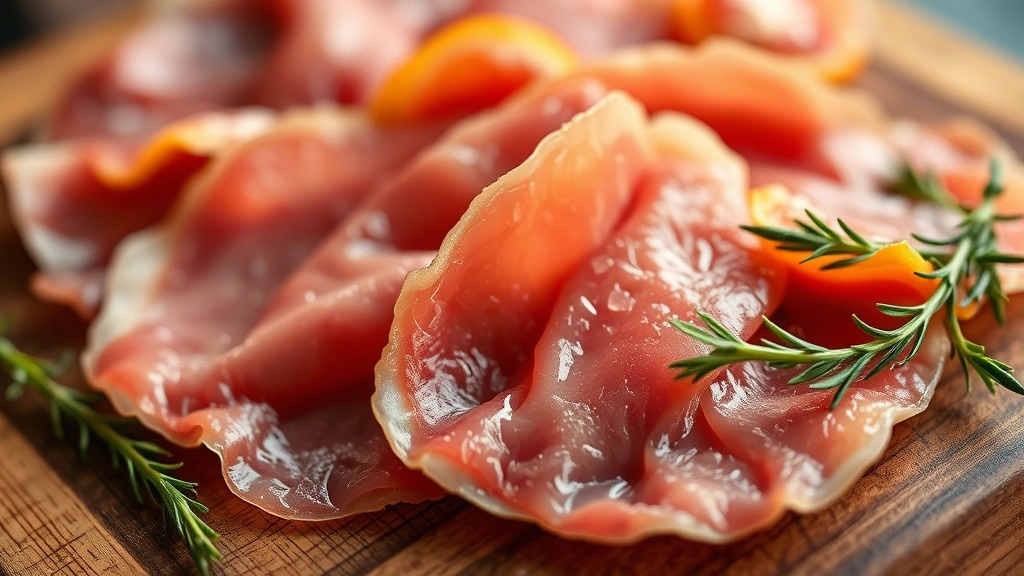
Prosciutto is an Italian cured ham that’s been aged and seasoned to perfection—at least for human palates. Unlike regular ham, prosciutto goes through a specific curing and aging process that concentrates its flavors and creates that delicate, melt-in-your-mouth texture we all crave. The two main types are prosciutto crudo (raw, air-dried) and prosciutto cotto (cooked), and both involve heavy salt content as a key preservation method.
The curing process that makes prosciutto so delicious for us is precisely what makes it problematic for our dogs. The salt used in curing, combined with the processed nature of the product, creates a food item that doesn’t align with a dog’s nutritional needs. While your pup might think a sliver of prosciutto is the best thing since sliced bread, their body is essentially processing a highly concentrated salt bomb wrapped in pork fat.

The Sodium Problem
Let’s talk numbers. A typical serving of prosciutto contains approximately 400-600 mg of sodium per ounce. To put this in perspective, the Association of American Feed Control Officials (AAFCO) recommends that adult dogs consume only about 1,500 mg of sodium per day. A single ounce of prosciutto represents nearly half of that daily recommendation in just one small serving.
Excessive sodium intake in dogs can lead to a condition called hypernatremia, where sodium levels in the bloodstream become dangerously elevated. This can cause dehydration, excessive thirst, and in severe cases, neurological issues. Even if your dog doesn’t experience acute symptoms from a small amount, chronic consumption of high-sodium foods contributes to long-term health problems.
Senior dogs and those with existing heart conditions are particularly vulnerable to the effects of excess sodium. If your older pup has been diagnosed with any cardiovascular issues, even a tiny taste of prosciutto is worth avoiding. The same caution applies to dogs with kidney disease, as their bodies struggle to regulate sodium levels effectively.
Health Risks for Dogs
Beyond the sodium concern, prosciutto presents several other health risks that veterinarians want pet parents to understand. First, there’s the fat content. Prosciutto is approximately 30% fat, and while dogs need some dietary fat, the concentrated fat in cured meats can trigger pancreatitis—an inflammation of the pancreas that causes severe abdominal pain, vomiting, and potentially life-threatening complications.
The processed nature of prosciutto also means it contains preservatives, including nitrates and nitrites. These chemicals are used to prevent bacterial growth and maintain the meat’s color, but they’ve been associated with increased cancer risk in humans who consume them regularly. While research on dogs is less extensive, the principle remains concerning: our pets’ bodies weren’t designed to process these additives regularly.
Additionally, prosciutto is a choking hazard, especially for enthusiastic eaters or smaller breeds. Those delicate, thin slices can stick to the roof of a dog’s mouth or throat, creating a potentially dangerous situation. Dogs don’t chew as thoroughly as humans do, and they’re more prone to swallowing food without proper mastication.
If you’re wondering about other processed meats, you should know that prosciutto shares similarities with several other foods to avoid. If you want to understand the broader category of cured meats, our guide on whether dogs can eat lunch meat covers the entire spectrum. Similarly, bacon and salami present comparable risks due to their salt and fat content.
Safe Alternatives Your Dog Will Love
The good news? There are plenty of delicious, dog-safe alternatives that will make your pup just as excited without the health risks. Fresh, unsalted meats are always the best option. Plain cooked chicken, turkey, or beef (without seasoning, garlic, or onions) make excellent treats that provide quality protein without the sodium overload.
If you want to stick with pork specifically, plain cooked pork loin or unsalted pork tenderloin offers a similar protein-rich experience without the curing process. Just ensure it’s prepared without any seasoning that might include garlic, onions, or excessive salt.
For something that mimics the “special treat” feeling of prosciutto, consider these options:
- Plain cooked ham (in small quantities, as it still contains some sodium but significantly less than prosciutto)
- Lean beef jerky made without added salt or preservatives
- Dehydrated chicken or turkey treats from pet-specific suppliers
- Fresh fruits and vegetables like apple slices, carrots, or green beans
- Peanut butter (xylitol-free) as an occasional indulgence
- Cheese in small portions (choose lower-sodium varieties)
When considering your dog’s overall diet and treat portions, remember to account for treats in their daily caloric intake. Our article on how much food to feed your dog provides guidance on appropriate portion sizes, including treats.
What to Do If Your Dog Eats Prosciutto
Don’t panic if your dog manages to snag a small piece of prosciutto from your plate or the floor. A single, small portion is unlikely to cause serious harm, though it’s not ideal. Here’s what you should do:
- Stay calm. Your anxiety will transfer to your dog, creating unnecessary stress.
- Monitor for symptoms. Watch for excessive thirst, vomiting, diarrhea, lethargy, or difficulty urinating over the next 24-48 hours.
- Provide fresh water. Ensure your dog has unlimited access to clean drinking water to help dilute sodium levels.
- Contact your vet if concerned. If your dog shows any unusual symptoms or if they consumed a large quantity, call your veterinarian for guidance.
- Document the incident. Note what was eaten, how much, and when, in case you need to discuss it with your vet.
For larger quantities or if your dog has pre-existing health conditions, contact your veterinarian or an emergency animal poison control center. The ASPCA Animal Poison Control Center is available 24/7 at (888) 426-4435.
Processed Meats and Your Dog’s Diet
Understanding the broader category of processed meats helps you make informed decisions about what to feed your pup. Prosciutto isn’t an isolated concern—it’s part of a larger family of cured, processed, and preserved meats that generally aren’t recommended for regular dog consumption.
If you’re interested in exploring what other processed meats your dog should avoid, our comprehensive guide on whether ham is bad for dogs breaks down the specifics. We also have detailed information about bacon consumption for dogs and the risks associated with salami and similar cured meats.
The Association of American Feed Control Officials establishes nutritional standards for pet foods, and commercial dog foods are formulated to meet these guidelines. When we give our dogs human foods, especially processed ones, we’re introducing variables that fall outside these carefully balanced formulations.
A general rule of thumb: if a food requires curing, smoking, or heavy seasoning to achieve its flavor profile, it’s probably not ideal for your dog. The processes that make food delicious and shelf-stable for humans often involve ingredients and techniques that don’t align with canine nutrition.
If you’re concerned about your dog’s diet or they have specific health conditions, consulting with your veterinarian about appropriate treats is always wise. Dogs with allergies or sensitivities deserve extra consideration, and our resource on managing dog allergies might help identify safe alternatives for your specific pup.
Frequently Asked Questions
Is a tiny piece of prosciutto really that harmful?
A single, small piece of prosciutto won’t typically cause immediate harm, but it’s not something to make a habit of. The risk increases with frequency and quantity. Occasional, accidental exposure to small amounts is different from intentionally feeding it to your dog as a treat. The cumulative effects of high-sodium foods can contribute to long-term health problems, particularly in senior dogs or those with underlying conditions.
What’s the difference between prosciutto and regular ham for dogs?
While both are pork products, prosciutto undergoes a curing and aging process that significantly concentrates its sodium content. Regular ham, while still processed and salty, typically contains less sodium than prosciutto. Neither is ideal for dogs, but prosciutto is the more problematic option. If you must choose between the two, plain cooked ham in very small quantities is the lesser evil, but unsalted, fresh-cooked pork is always preferable.
Can I give my dog prosciutto as an occasional treat?
Veterinarians generally recommend against making prosciutto an occasional treat, even in tiny amounts. There are so many better options available that provide nutritional value without the sodium and fat concerns. If your dog has already consumed prosciutto and you’re worried, monitor them for symptoms, but moving forward, choose treats that actually benefit their health.
What symptoms should I watch for if my dog eats prosciutto?
After consuming prosciutto, watch for excessive thirst, vomiting, diarrhea, lethargy, loss of appetite, or difficulty urinating. Some dogs may also experience tremors or disorientation if sodium levels become significantly elevated. These symptoms can appear within hours or develop over a 24-48 hour period. Contact your veterinarian if any of these signs emerge.
Are there any dogs that should absolutely avoid prosciutto?
Yes. Senior dogs, puppies, dogs with heart disease, kidney disease, or hypertension should never consume prosciutto. Dogs with pancreatitis or a history of pancreatitis should also avoid it due to the high fat content. Additionally, small breed dogs face increased choking risks. If your dog has any pre-existing health conditions, prosciutto is definitely off the menu.
What about prosciutto-flavored dog treats?
Check the ingredient list carefully. While some commercial dog treats use “prosciutto flavor,” the actual sodium content may be much lower than real prosciutto. However, if a treat is labeled as prosciutto-flavored, it likely contains added salt beyond what’s ideal for dogs. Stick with treats specifically formulated for canine nutrition, which will list sodium content and be designed with dogs’ dietary needs in mind.
Can I give my dog the fat trimmings from prosciutto?
No. The fat trimmings are even more concentrated in fat than the meat itself and present an even higher risk for pancreatitis. Additionally, the salt would still be present in high concentrations. Discard these trimmings in a place where your curious pup can’t access them.
Is prosciutto toxic to dogs?
Prosciutto isn’t technically toxic in the way that chocolate or xylitol is toxic, but it’s definitely harmful when consumed regularly or in large quantities. The sodium and fat content create health risks that can manifest as acute symptoms or contribute to chronic health problems. Think of it as “harmful rather than toxic”—it won’t cause immediate poisoning from a tiny taste, but it’s not something you want your dog eating.





