
Can Dogs Eat Provolone Cheese? A Safety Guide
Picture this: you’re enjoying a delicious Italian sandwich loaded with provolone cheese, and your furry best friend is giving you those irresistible puppy-dog eyes from under the table. It’s a scenario that plays out in countless households, and naturally, you’re wondering whether it’s safe to share a slice with your canine companion. The good news? We’ve got answers, and they’re more nuanced than a simple yes or no.
Provolone cheese is a semi-hard Italian cheese that’s become increasingly popular in American kitchens. While your dog’s digestive system isn’t exactly designed for dairy products, small amounts of certain cheeses can be offered as occasional treats. But before you toss a piece to Fido, let’s dig into what you really need to know about dogs and provolone cheese.
This comprehensive guide will walk you through everything from nutritional content to portion sizes, potential health risks, and safer alternatives. We’ll help you make informed decisions about what goes into your pup’s bowl and keep your four-legged friend happy and healthy.
What Is Provolone Cheese?
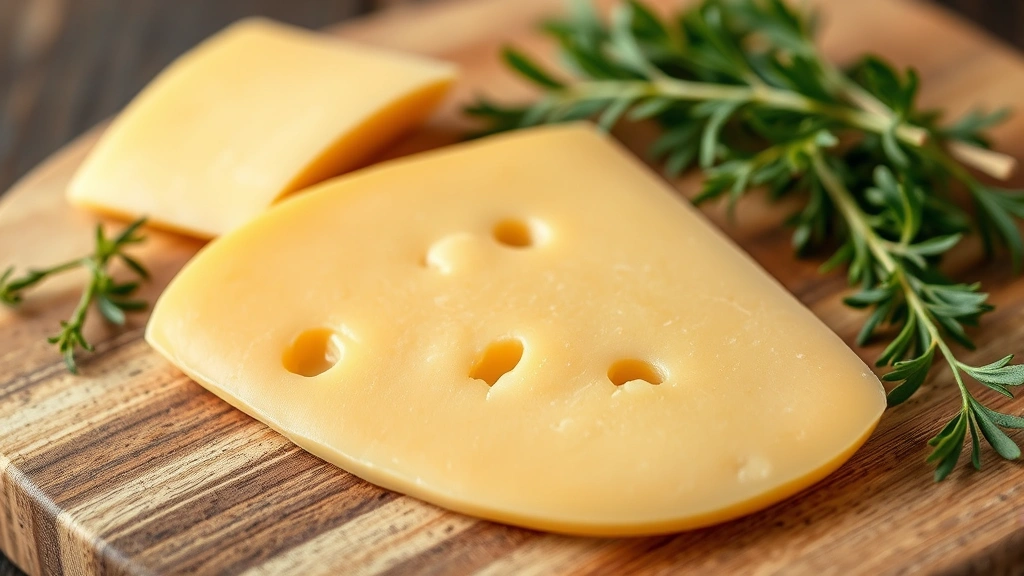
Provolone is a traditional Italian cheese that falls into the semi-hard category. It’s made from cow’s milk and has a smooth, creamy texture with a slightly smoky or peppery flavor depending on how long it’s been aged. The cheese comes in two main varieties: provolone dolce (mild, aged for a shorter period) and provolone piccante (sharper, aged longer).
This cheese is created through a specific process involving milk curdling, whey drainage, and careful aging. The result is a cheese that’s higher in fat and sodium compared to many other dairy products. Understanding these characteristics is crucial when determining whether it’s appropriate for your canine friend.
Provolone is commonly found on deli meats, in sandwiches, and as part of Italian cheese boards. Its popularity means many dog owners encounter situations where they might be tempted to share this treat with their pets. The key is knowing the safety parameters before doing so.
Can Dogs Eat Provolone Cheese?
The straightforward answer is: yes, dogs can eat small amounts of provolone cheese occasionally, but it shouldn’t become a regular part of their diet. This is similar to what we recommend when discussing whether dogs can eat cheese in general.
Unlike some human foods that are outright toxic to dogs, provolone isn’t poisonous. However, it’s not an ideal food choice for several reasons. Dogs are facultative carnivores, meaning their digestive systems are primarily designed to process meat proteins rather than dairy products. When you offer provolone, you’re introducing a food that doesn’t align with your dog’s natural dietary needs.
The occasional small piece won’t cause immediate harm to most healthy adult dogs, but it’s important to understand the limitations and risks. Think of provolone as an emergency treat—something that’s okay if it happens, but not something you should actively encourage or plan to give regularly.
If you’re interested in exploring whether cheese is good for dogs more broadly, you’ll find that some varieties are better tolerated than others. Provolone falls into the middle range—not the worst option, but certainly not the best.
Nutritional Content and Concerns
A one-ounce serving of provolone cheese contains approximately 98 calories, 7 grams of fat, 7 grams of protein, and 248 milligrams of sodium. For a small dog weighing 10 pounds, this single ounce represents a significant portion of their daily caloric needs.
The sodium content is particularly concerning. Dogs require far less sodium than humans do—the AAFCO (Association of American Feed Control Officials) recommends a minimum of 0.3% sodium in adult dog food, but excessive sodium can contribute to hypertension and other health issues. One ounce of provolone contains more sodium than many dogs should consume in a day.
Provolone is also relatively high in fat, which can be problematic for dogs with pancreatitis or digestive sensitivities. The fat content contributes to the cheese’s caloric density, meaning even small portions can add unnecessary calories to your dog’s diet. This is especially important if your pup is already overweight or prone to obesity.
The protein in provolone is high-quality, which is one of the few nutritional positives. However, your dog is likely already receiving adequate protein from their regular diet, so this benefit doesn’t outweigh the other concerns.
Potential Health Risks for Dogs
While a tiny piece of provolone won’t send your dog to the emergency vet clinic, regular consumption or large portions can lead to several health complications.
Weight Gain and Obesity: The high caloric and fat content makes provolone a diet disaster for weight management. Dogs fed excessive treats often struggle with obesity, which can lead to joint problems, diabetes, and shortened lifespans.
Digestive Issues: Many dogs experience digestive upset from dairy products. You might notice vomiting, diarrhea, or gas after your dog consumes provolone. This connects to the broader issue of lactose intolerance in dogs, which we’ll explore in detail later.
Pancreatitis Risk: The high fat content in provolone can trigger pancreatitis—an inflammation of the pancreas that causes severe abdominal pain. This condition can be life-threatening and often requires emergency veterinary care.
Sodium-Related Issues: Excessive sodium intake can lead to increased thirst, excessive urination, and potentially contribute to hypertension over time. Senior dogs and those with heart conditions are particularly vulnerable.
Choking Hazard: Provolone’s texture can sometimes be sticky, and if not cut into appropriately small pieces, it could pose a choking risk—particularly for enthusiastic eaters.
It’s worth noting that if you’re considering other cheese options, cheddar cheese and mozzarella cheese present similar concerns, though some varieties may be slightly better or worse depending on their sodium content and processing methods.
Safe Serving Guidelines
If you’ve decided that provolone cheese is something you want to occasionally offer your dog, follow these guidelines to minimize potential harm:
- Size Matters: Offer only a small piece—think of it as a sliver rather than a chunk. For a large dog, this might be the size of a pea; for a small dog, it should be even tinier.
- Frequency: Limit provolone to no more than once every two to three weeks, and only if your dog has no underlying health conditions.
- Plain Only: Never offer provolone that’s been seasoned with garlic, onions, or other additives. These can be toxic to dogs.
- Cut Appropriately: Always cut provolone into small, manageable pieces to prevent choking hazards.
- Monitor Your Dog: After offering provolone, watch for signs of digestive upset over the next 24 hours. If your dog experiences vomiting or diarrhea, avoid giving provolone in the future.
- Account for Calories: Remember that any treat should comprise no more than 10% of your dog’s daily caloric intake. If you’re giving provolone, reduce other treats accordingly.
- Health Considerations: Dogs with pancreatitis, obesity, heart disease, or digestive sensitivities should avoid provolone entirely.
Think of these guidelines as the minimum safety standards. When in doubt, consult with your veterinarian about what’s appropriate for your specific dog.
Safer Cheese Alternatives
If you want to offer your dog a cheese treat without the risks associated with provolone, consider these safer alternatives:
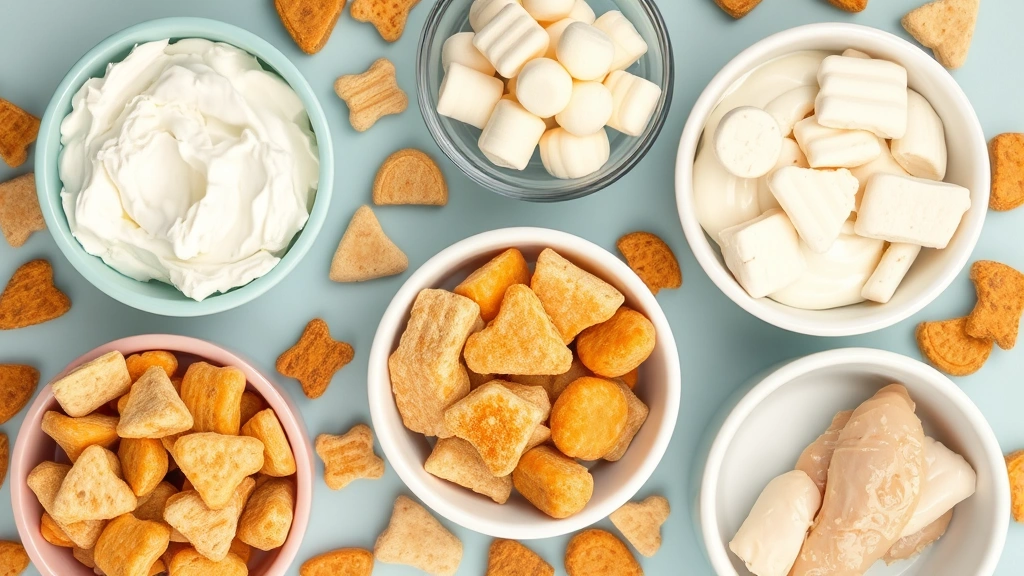
Low-Fat Cottage Cheese: Cottage cheese is an excellent option when you choose the low-fat variety. It’s lower in sodium than provolone, provides beneficial probiotics, and is generally well-tolerated by most dogs. Serve in small amounts as an occasional treat.
Plain Greek Yogurt: Another dairy option that’s often better tolerated than cheese, plain Greek yogurt (without added sugars or artificial sweeteners) offers protein and probiotics. The probiotic content can actually support digestive health.
Cream Cheese (Moderation): While higher in fat, small amounts of plain cream cheese are occasionally acceptable for most dogs. It’s softer and easier to digest than harder cheeses.
Non-Dairy Alternatives: If you’re looking to avoid dairy altogether, consider offering your dog small pieces of cooked chicken, peanut butter (make sure it doesn’t contain xylitol), or specially formulated dog treats. Peanut butter can be a delicious alternative that many dogs love.
Frozen Treats: Freeze plain Greek yogurt or low-fat cottage cheese in ice cube trays for a refreshing treat that’s healthier than cheese and often more enjoyable on warm days.
The key is finding treats that provide satisfaction and bonding opportunities without compromising your dog’s health. Your veterinarian can recommend specific products or foods appropriate for your individual dog’s needs and dietary restrictions.
Understanding Canine Lactose Intolerance
One of the most important factors to understand about dogs and dairy is lactose intolerance. Many people assume that because dogs have lactose intolerance similar to some humans, all dogs will get sick from dairy. The reality is more nuanced.
Most adult dogs lose the ability to produce lactase—the enzyme needed to digest lactose—as they mature beyond puppyhood. According to research from veterinary nutritionists, approximately 60-90% of dogs have some degree of lactose intolerance. However, the severity varies significantly from dog to dog.
Some dogs can tolerate small amounts of cheese without issues because aged cheeses like provolone contain less lactose than fresh dairy products like milk. The aging process breaks down much of the lactose, making it somewhat more digestible. However, this doesn’t mean lactose-intolerant dogs can consume unlimited amounts.
Signs that your dog may have lactose intolerance include diarrhea, vomiting, gas, bloating, and abdominal discomfort occurring within 30 minutes to two hours after consuming dairy. If your dog exhibits these symptoms after eating provolone, you’ll know dairy isn’t a good fit for your pup.
If you want to determine your dog’s tolerance level, consult with your veterinarian before conducting any food experiments. They can help you understand your specific dog’s digestive capabilities and recommend appropriate treats.
According to the American Kennel Club’s guidance on cheese for dogs, moderation is key, and individual tolerance varies widely among dogs.
Frequently Asked Questions
Is provolone toxic to dogs?
No, provolone is not toxic to dogs. It doesn’t contain any ingredients that are inherently poisonous to canines. However, that doesn’t mean it’s a good food choice. The main concerns are the high fat and sodium content, potential digestive upset, and the risk of pancreatitis with regular consumption. Think of it as similar to how certain foods aren’t toxic to humans but still aren’t recommended for regular consumption.
What if my dog ate a whole slice of provolone?
If your dog consumed a single slice of provolone, don’t panic. Most healthy adult dogs will be fine, though you should monitor them for signs of digestive upset over the next 24 hours. Watch for vomiting, diarrhea, or abdominal discomfort. If your dog shows no symptoms and seems completely normal, they’ve likely processed the cheese without issue. However, this is exactly why prevention through proper food storage and management is important.
Can puppies eat provolone cheese?
Puppies should avoid provolone entirely. Young dogs have developing digestive systems and are more sensitive to dietary changes and rich foods. Additionally, puppies require carefully balanced nutrition to support their growth, and provolone provides empty calories without nutritional benefit. Stick to puppy-formulated foods and treats specifically designed for their developmental stage.
Are there dog breeds that can’t have provolone?
While all dogs should limit provolone consumption, certain breeds are at higher risk for complications. Breeds prone to pancreatitis (like Miniature Schnauzers, Cocker Spaniels, and Cavalier King Charles Spaniels) should absolutely avoid provolone. Additionally, senior dogs and those with pre-existing health conditions should not consume provolone. If your dog has any health concerns, always consult your veterinarian before introducing new foods.
Is smoked provolone worse than regular provolone for dogs?
Smoked provolone is generally not appropriate for dogs. While the smoking process itself may not be harmful, smoked meats and cheeses often contain additional seasonings, nitrates, and other additives that can be problematic for canines. Stick with plain provolone if you’re going to offer any at all, and even then, only in tiny amounts as an occasional treat.
Can dogs eat provolone if they’re on a special diet?
If your dog is on a prescription diet or special feeding plan recommended by your veterinarian, provolone should be avoided unless your vet explicitly approves it. Dogs with allergies, sensitivities, kidney disease, heart disease, or digestive disorders require careful dietary management, and introducing foods like provolone can disrupt the balance of their specialized nutrition.
What’s the best way to store provolone to keep it away from my dog?
Store provolone in your refrigerator in sealed containers on shelves your dog cannot access. Some dogs are surprisingly resourceful and can open lower refrigerator drawers or cabinets. Keep cheese on upper shelves and ensure your dog cannot jump or climb to access it. Additionally, never leave provolone or other foods unattended on countertops or tables where your dog might snatch them.
Should I use provolone as a training treat?
While small pieces of provolone could technically be used as training treats, there are far better options available. The ASPCA recommends using low-calorie, nutrient-dense treats for training. Consider using tiny pieces of cooked chicken, carrots, or commercially available low-fat dog treats instead. These options provide the reward value without the health risks associated with provolone.
How does provolone compare to other Italian cheeses?
Most Italian cheeses fall into similar categories regarding dog safety. Parmesan is very high in sodium and should be avoided. Mozzarella is slightly better due to lower sodium content but still should be limited. The bottom line is that Italian cheeses are generally high in fat and sodium, making them poor choices for regular dog consumption. If you’re comparing provolone to other cheese options, focus on lower-fat, lower-sodium varieties.





