
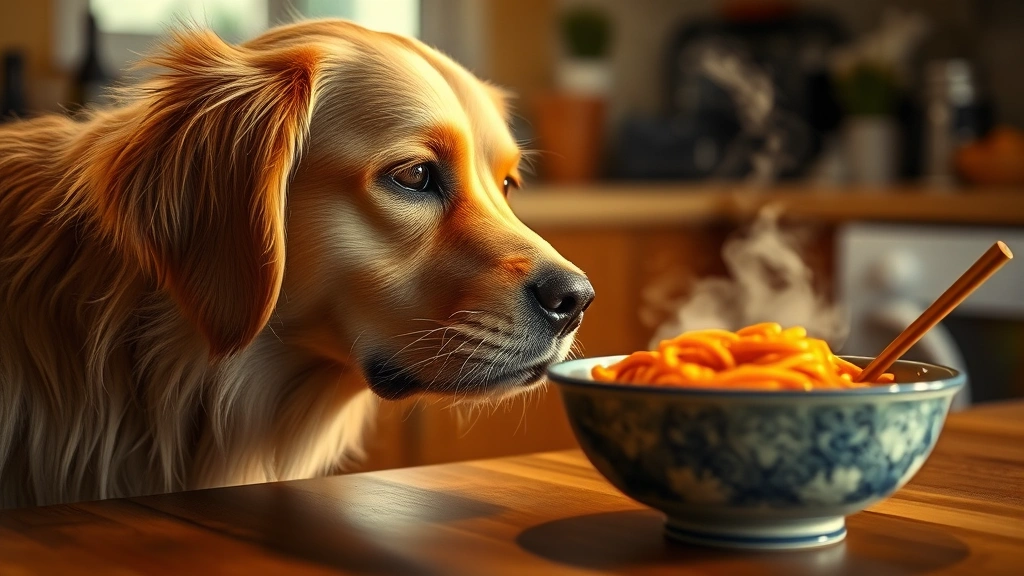
Can Dogs Eat Ramen Noodles? Safety Facts Every Pet Owner Should Know
We’ve all been there—sitting at home with a steaming bowl of ramen noodles, and suddenly your furry best friend is giving you those irresistible puppy-dog eyes from across the room. It’s tempting to share a little taste of what you’re eating, but before you offer your pup a slurp of those savory noodles, we need to have an important conversation about canine nutrition and safety.
The short answer? Dogs should not eat ramen noodles. While a tiny, plain piece of cooked noodle won’t necessarily send your dog to the emergency vet, ramen noodles as a whole present several health risks that make them an unsuitable food choice for our four-legged companions. This comprehensive guide will walk you through exactly why ramen is problematic for dogs, what dangers lurk in that innocent-looking package, and what safer alternatives you can offer your pup instead.
Whether you’re a ramen enthusiast or just curious about what’s safe for your furry family member, understanding the facts about dogs and ramen will help you make informed decisions about your pet’s diet and keep them healthy and happy for years to come.
Why Ramen Noodles Are Unsafe for Dogs
Ramen noodles might seem like a harmless human snack, but they’re actually loaded with ingredients that can harm your dog’s health. Unlike some human foods that are perfectly safe for dogs, ramen presents multiple simultaneous risks that compound the danger. Think of it as a perfect storm of nutritional problems—each element on its own might be manageable, but together they create a situation you’ll want to avoid.
The primary concerns with ramen noodles involve their high sodium content, artificial seasonings, potential additives, and the processing methods used to create those signature instant noodles. When you understand what goes into that convenient package, you’ll quickly see why veterinarians consistently recommend keeping ramen off your dog’s menu. This is quite different from other pasta products, which is why it’s worth learning more about whether dogs can eat noodles in general.
Dogs have different nutritional needs than humans, and their bodies process certain ingredients differently than ours do. What might be a tasty, relatively harmless meal for you could potentially cause serious health complications for your beloved pet. The key is understanding these differences and making choices that prioritize your dog’s wellbeing.
The Sodium Problem
One of the most significant concerns with ramen noodles is their astronomical sodium content. A single package of instant ramen typically contains between 800 to 1,800 milligrams of sodium, depending on the brand and flavor. For context, most adult dogs should consume no more than 100 to 200 milligrams of sodium per day, depending on their size and health status.
When a dog ingests excessive sodium, their body struggles to maintain proper electrolyte balance. This can lead to increased thirst, excessive urination, and in more serious cases, sodium ion poisoning. The kidneys work overtime trying to filter out the excess salt, which puts strain on this vital organ. Over time, regular sodium consumption can contribute to kidney disease, high blood pressure, and heart problems in dogs.
Small breeds are particularly vulnerable to sodium toxicity because their bodies are simply smaller and less able to process large quantities of salt. A Chihuahua eating a single package of ramen would consume a significantly higher proportion of sodium relative to their body weight than a Great Dane eating the same amount. This is why portion control and ingredient awareness are crucial for all dog owners, but especially for those with toy breeds.
Seasoning Packet Dangers
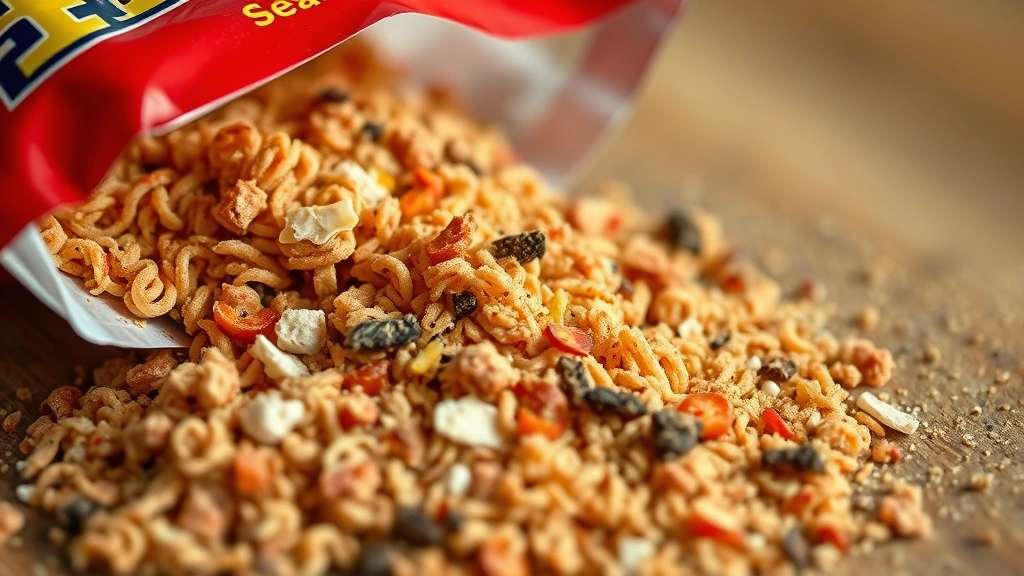
The seasoning packets that come with ramen noodles are perhaps even more problematic than the noodles themselves. These packets contain a cocktail of artificial flavors, monosodium glutamate (MSG), and various spices that can irritate your dog’s digestive system and cause adverse reactions.
Many ramen seasoning packets contain garlic and onion powder, which are toxic to dogs. Both of these ingredients contain compounds called thiosulfates that can damage dogs’ red blood cells and lead to hemolytic anemia. Even small amounts can be harmful, and the effects can be cumulative. If your dog regularly consumes foods containing garlic or onion, the damage builds up over time, making the situation increasingly serious.
Additionally, some ramen flavors might include other spices like chili powder or excessive black pepper, which can cause gastrointestinal upset in dogs. These seasonings are formulated for human palates and human digestive systems—they’re simply not designed for canine consumption. Understanding what salt does to dogs becomes even more critical when you realize how much of it is in these seasoning packets.
The artificial flavoring agents in ramen seasoning can also trigger allergic reactions in sensitive dogs. Some dogs might experience itching, skin problems, or gastrointestinal distress after consuming these artificial additives. Since you can’t always predict how your individual dog will react, it’s best to avoid exposing them to these ingredients altogether.
Potential Digestive Issues
Beyond the immediate concerns of sodium and toxic seasonings, ramen noodles can cause various digestive problems in dogs. The highly processed nature of instant ramen makes it difficult for your dog’s digestive system to break down efficiently. This can lead to constipation, diarrhea, or general gastrointestinal upset.
The starch content in ramen is quite high, and while dogs can tolerate some starches, excessive amounts can lead to digestive distress. Some dogs might experience bloating or gas after consuming ramen, which can be uncomfortable and potentially lead to more serious conditions like gastroenteritis. If your dog does manage to sneak some ramen, you might notice digestive issues that require special dietary attention.
The texture of cooked ramen noodles can also pose a choking hazard, particularly for dogs who are enthusiastic eaters and don’t chew thoroughly. Long, slippery noodles can get stuck in the throat or cause intestinal blockages if swallowed whole. While this is less likely than with foods like grapes or chocolate, it’s still a consideration worth keeping in mind.
Dogs with pre-existing health conditions—particularly those with kidney disease, heart problems, or digestive sensitivities—are at even higher risk for complications from ramen consumption. If your dog has any health issues, it’s especially important to keep ramen completely off-limits.
What If Your Dog Ate Ramen?
If your dog has already consumed ramen noodles, don’t panic. In most cases, a small amount of plain cooked noodles without seasoning won’t cause serious harm, though it’s still not ideal. However, the situation becomes more concerning if your dog ate ramen with the seasoning packet, ate a large quantity, or if your dog has a sensitive stomach or existing health conditions.
Watch your dog carefully for the next 24 to 48 hours for signs of distress. Common symptoms to monitor include vomiting, diarrhea, excessive thirst, lethargy, loss of appetite, or abdominal pain. If your dog is drooling excessively, has difficulty swallowing, or shows signs of choking, seek veterinary care immediately as these could indicate a blockage.
If your dog consumed ramen with seasoning that contained garlic or onion powder, contact your veterinarian or the ASPCA Animal Poison Control Center for guidance. They can assess the amount consumed and your dog’s individual risk factors to determine whether monitoring at home or professional treatment is necessary.
For most healthy adult dogs who ate a small amount of plain ramen, monitoring at home and ensuring they have plenty of fresh water is usually sufficient. However, when in doubt, it’s always better to call your veterinarian and ask questions. They know your dog’s health history and can provide personalized advice based on your specific situation.
Safe Noodle Alternatives for Dogs
The good news is that if you want to share a noodle-based treat with your dog, there are safer options available. Plain cooked spaghetti is a much better choice than ramen, as long as it’s prepared without seasoning, oil, or sauce. Plain, cooked pasta can be a low-calorie treat for dogs, though it shouldn’t constitute a significant portion of their daily diet.
Another option is plain cooked mac and cheese made without excessive butter, salt, or artificial seasonings. While this is still not a nutritional powerhouse for dogs, it’s considerably safer than ramen. The key is keeping portions small and ensuring the pasta is cooked until soft to prevent choking hazards.
For a truly dog-friendly noodle alternative, consider making a homemade dog-safe broth with plain cooked noodles, pumpkin puree, and perhaps some lean chicken. This gives your pup the fun of eating something special while maintaining complete control over the ingredients. Your dog will love the special treatment, and you’ll have peace of mind knowing exactly what they’re consuming.
When considering how much food to feed your dog, remember that treats and snacks should constitute no more than 10 percent of their daily caloric intake. The bulk of your dog’s nutrition should come from high-quality commercial dog food or a veterinarian-approved homemade diet that meets all their nutritional needs.
Better yet, skip the noodles altogether and offer your dog treats that are specifically formulated for canine nutrition. Carrots, green beans, plain cooked chicken, and commercial dog treats designed for your dog’s age and size are all excellent choices that provide nutritional value without the risks associated with human foods like ramen.
Frequently Asked Questions
Can dogs eat plain ramen noodles without seasoning?
While plain ramen noodles without seasoning are less dangerous than seasoned ramen, they’re still not an ideal food for dogs. Plain cooked noodles are high in carbohydrates and low in nutritional value for dogs. They can also cause digestive upset or constipation. Occasional small amounts of plain noodles are unlikely to cause serious harm in healthy adult dogs, but they shouldn’t be a regular part of your dog’s diet. There are much better treat options available.
What should I do if my dog ate ramen with seasoning?
If your dog consumed ramen with the seasoning packet, monitor them closely for signs of illness including vomiting, diarrhea, excessive thirst, or lethargy. If the seasoning contained garlic or onion powder, contact your veterinarian or poison control immediately. For most healthy dogs who ate a small amount, monitoring at home is usually sufficient, but don’t hesitate to call your vet if you notice any concerning symptoms.
Is ramen toxic to dogs?
Ramen itself isn’t technically toxic in small amounts, but the seasonings—particularly those containing garlic and onion powder—are toxic to dogs. The high sodium content is also dangerous. The combination of these factors makes ramen an unsafe food choice for dogs. According to the American Kennel Club, certain human foods should be avoided entirely for canine safety.
Can puppies eat ramen noodles?
Absolutely not. Puppies should never eat ramen noodles. Their digestive systems are still developing and are more sensitive to irritating foods. The high sodium content is particularly concerning for growing puppies, as it can interfere with proper development and put strain on their kidneys. Puppies need carefully balanced nutrition to grow properly, and ramen provides none of that while introducing multiple hazards.
What are the symptoms of sodium poisoning in dogs?
Sodium poisoning in dogs can cause excessive thirst and urination, vomiting, diarrhea, tremors, lethargy, loss of appetite, and in severe cases, seizures or coma. If you suspect your dog has consumed excessive sodium and is showing any of these symptoms, seek veterinary care immediately. According to Veterinary Partner, prompt treatment can make a significant difference in outcomes.
Are there any ramen noodles that are safe for dogs?
No commercial ramen noodle products are specifically designed to be safe for dogs. All instant ramen contains excessive sodium and artificial seasonings that aren’t appropriate for canine consumption. While homemade pasta dishes prepared specifically for dogs with no salt, seasonings, or harmful ingredients could technically be safer, there’s no reason to use ramen specifically when so many better options exist.
How can I discourage my dog from begging for my ramen?
The best approach is to never feed your dog ramen in the first place, so they don’t develop a taste for it or expect to share. When you’re eating ramen, keep it out of reach and don’t give in to begging. Instead, offer your dog a dog-appropriate treat at the same time so they feel included without consuming anything harmful. Consistency is key—if you occasionally share your food, your dog will continue to beg for it.





