

Can Dogs Eat Raw Asparagus? Safety Tips and Nutritional Benefits
If you’re munching on a crispy asparagus spear and your furry friend gives you those irresistible puppy-dog eyes, you might wonder: can dogs eat raw asparagus? The short answer is yes—but with some important caveats. Raw asparagus can be a healthy, low-calorie treat for your pup, but there are safety considerations every dog owner should know about before tossing that green vegetable across the kitchen.
As pet parents, we’re always looking for nutritious snacks to supplement our dogs’ diets. Asparagus is packed with vitamins, fiber, and antioxidants that benefit humans, but does your canine companion get the same perks? The answer is more nuanced than a simple yes or no. Let’s dig into what makes asparagus safe (or unsafe) for dogs and how to serve it responsibly.
Whether you’re exploring what vegetables your dog can eat or just curious about this particular green, we’ve got you covered with science-backed information and practical tips.
Is Raw Asparagus Safe for Dogs?
Yes, raw asparagus is generally safe for dogs in appropriate amounts. Unlike some vegetables that require cooking to remove harmful compounds, raw asparagus doesn’t contain any inherently toxic substances for canines. However, the safety profile changes when you consider practical factors like choking risks and digestive tolerance.
The American Kennel Club acknowledges that many vegetables, including asparagus, can be safe treats when prepared properly. The key is understanding your individual dog’s needs and tolerances. Some dogs have sensitive digestive systems and may struggle with raw vegetables, while others thrive on veggie snacks.
Raw asparagus spears are completely non-toxic to dogs, making them fundamentally different from truly dangerous foods like grapes, onions, or chocolate. However, the stalks present a potential hazard that we’ll explore in detail below.
Nutritional Benefits of Asparagus
Asparagus is a nutritional powerhouse for both humans and dogs. This slender green vegetable contains impressive amounts of vitamins A, C, E, and K, plus essential minerals like potassium and chromium. For dogs, these nutrients support immune function, bone health, and overall wellness.
The vegetable is also incredibly low in calories—just 20 calories per 90-gram cup—making it an excellent choice for weight management. If your pup needs to shed a few pounds, asparagus can be a satisfying snack without derailing their diet. Additionally, asparagus contains glutathione, a powerful antioxidant that helps combat free radicals and supports cellular health.
Fiber content in asparagus aids digestive health, though this benefit is most pronounced in dogs with adequate hydration. The inulin in asparagus acts as a prebiotic, feeding beneficial gut bacteria and promoting digestive balance. When you’re exploring whether asparagus is genuinely good for dogs, these nutritional factors certainly make a strong case.
The Choking Hazard Concern
Here’s where we need to pump the brakes and discuss the elephant in the room: raw asparagus spears present a legitimate choking hazard, particularly for enthusiastic eaters and smaller breeds. The fibrous, stringy nature of raw asparagus can be difficult for dogs to break down quickly, and whole spears can lodge in the throat or digestive tract.
The risk increases significantly if your dog is the type to swallow treats whole without proper chewing. Large breed dogs with powerful jaws might handle raw asparagus better than toy breeds or senior dogs with dental issues. Puppies, who haven’t yet developed proper chewing technique, should definitely avoid whole raw spears.
According to ASPCA resources, choking prevention is paramount in pet safety. The organization recommends always supervising treat consumption and choosing appropriately-sized portions for your dog’s size and chewing ability.
If your dog has a history of gulping food without chewing or has experienced choking incidents, raw asparagus should be off the menu entirely. The risk simply isn’t worth the potential emergency veterinary visit.

How to Prepare Asparagus for Dogs
If you’ve decided raw asparagus is appropriate for your dog, preparation is crucial. Here’s the safest way to serve it:
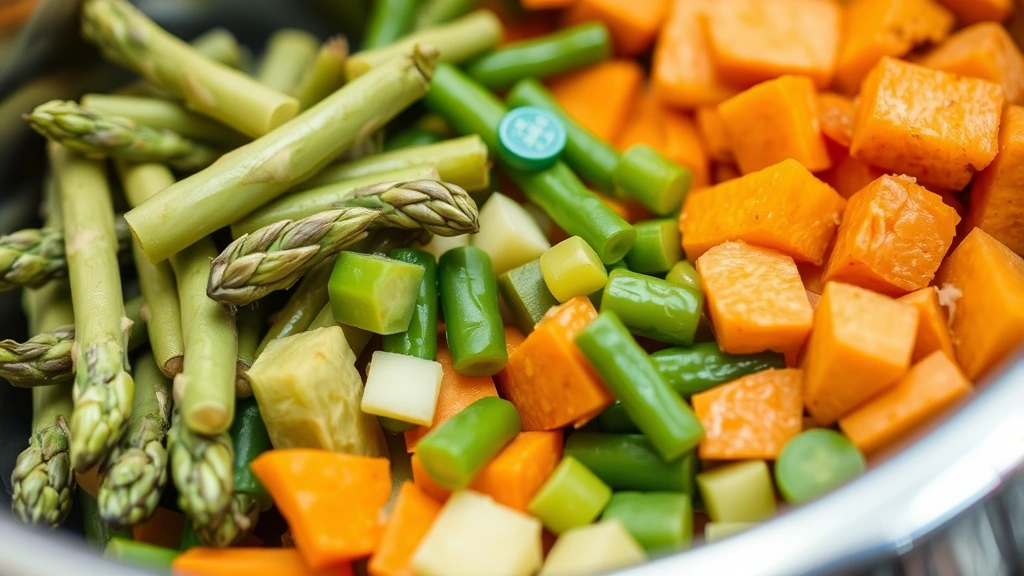
- Cut into small pieces: Never serve whole spears. Chop asparagus into 1-2 inch pieces or smaller, depending on your dog’s size. Smaller pieces reduce choking risk significantly.
- Remove the tough base: The bottom third of asparagus spears is woody and difficult to digest. Trim this portion away before serving.
- Wash thoroughly: Rinse asparagus under running water to remove pesticide residue and dirt. Consider organic asparagus if possible, as it has lower pesticide levels.
- Consider steaming: While raw asparagus is safe, lightly steaming it makes it softer and easier to digest without destroying nutrients. This is the safest option for dogs with sensitive stomachs.
Many dog owners find that cooking asparagus is the optimal approach. Steamed or boiled asparagus (without added salt, butter, or seasonings) is gentler on the digestive system and eliminates choking concerns. The cooking process breaks down fiber, making nutrients more bioavailable for your pup.
If you’re interested in comparing preparation methods across similar vegetables, check out our guide on how to safely prepare raw broccoli for dogs, which follows similar safety protocols.
Serving Size and Frequency
Moderation is the golden rule when introducing any new food to your dog’s diet. Asparagus should never comprise more than 10% of your dog’s daily caloric intake, following the general treat guideline recommended by veterinarians.
For most dogs, 2-3 small pieces of asparagus as an occasional treat is appropriate. Large dogs might handle slightly more, while toy breeds should stick to tiny portions. Introduce asparagus gradually, starting with just one small piece to monitor for any digestive upset.
Watch for these signs of digestive distress after serving asparagus:
- Vomiting or retching
- Diarrhea or soft stools
- Constipation
- Excessive gas
- Loss of appetite
If your dog experiences any of these symptoms, discontinue asparagus and consult your veterinarian. Some dogs have sensitive digestive systems that don’t tolerate raw vegetables well. If your pup struggles with digestive issues, our article on what to feed a dog with diarrhea provides helpful alternatives.
Frequency-wise, asparagus is best offered as an occasional treat—perhaps once or twice weekly rather than daily. This prevents digestive system overload and maintains nutritional balance in your dog’s overall diet.
Similar Vegetables Your Dog Can Enjoy
If asparagus doesn’t appeal to your pup or you’re looking for variety, several other vegetables offer similar nutritional benefits with potentially lower choking risks. Carrots, for instance, are excellent raw treats that also support dental health through their natural chewing action.
Green beans are another fantastic option—soft enough to digest easily but still packed with nutrients. They’re naturally sweet, making them more appealing to picky eaters than some vegetables. Pumpkin is renowned for supporting digestive health and is universally loved by dogs.
If you’re exploring the broader category of raw vegetables, our guide to raw celery for dogs covers another stringy vegetable with similar preparation considerations. Additionally, raw broccoli is another option, though it should also be cut into manageable pieces.
Sweet potatoes, cucumbers, and bell peppers (without seeds) are all dog-safe vegetables that offer variety and nutritional benefits. The key is rotating treats to prevent boredom while maintaining digestive balance.
Interestingly, some dogs are drawn to vegetables for behavioral reasons beyond nutrition. If your dog seems obsessed with vegetables, understanding why dogs eat non-food items might provide helpful context about their dietary interests.
Frequently Asked Questions
Can puppies eat raw asparagus?
Puppies can technically eat raw asparagus, but it’s not recommended. Their developing digestive systems are more sensitive, and their chewing technique is still developing. Whole raw asparagus spears pose a significant choking hazard. If you want to introduce asparagus to a puppy, wait until they’re older and offer only tiny, soft-cooked pieces under close supervision.
Is cooked asparagus better than raw for dogs?
For most dogs, cooked asparagus is actually the better choice. Lightly steamed or boiled asparagus is easier to digest, eliminates choking risks, and makes nutrients more bioavailable. Cook it plain without salt, butter, or seasonings. The only advantage of raw asparagus is the slight preservation of heat-sensitive vitamin C, but this benefit is minimal compared to safety advantages of cooking.
Can dogs eat asparagus tips?
Yes, asparagus tips (the tender top portions) are the safest part of the spear for dogs. The tips are softer and less fibrous than the woody base. Even so, cut them into small pieces and monitor your dog while eating. Never serve whole tips, as they still pose choking risks.
What if my dog swallows asparagus whole?
If your dog swallows a small piece of asparagus whole, don’t panic. It will likely pass through their digestive system without incident. However, if your dog swallows a large spear or multiple pieces, contact your veterinarian immediately. Signs of intestinal blockage include vomiting, loss of appetite, abdominal pain, and constipation. This is a medical emergency requiring professional evaluation.
Can dogs with pancreatitis eat asparagus?
Dogs with pancreatitis should avoid raw vegetables, including asparagus. Their digestive systems are compromised and sensitive to fiber and raw foods. Always consult your veterinarian before introducing any new foods to a dog with pancreatitis or other digestive conditions. Bland, cooked diets are typically recommended for these sensitive pups.
Is asparagus filler in dog food safe?
Yes, asparagus used as an ingredient in commercial dog food is safe. Manufacturers ensure proper processing and appropriate portions. However, whole raw asparagus you prepare at home requires more careful handling to ensure safety. Commercial pet foods undergo quality control testing that home-prepared treats don’t.
How much asparagus can a dog eat per day?
Most dogs should consume no more than 2-3 small asparagus pieces per day, and this should only be occasional—not daily. Asparagus should comprise less than 10% of your dog’s daily caloric intake. For a 50-pound dog eating roughly 1,000 calories daily, that’s about 100 calories from treats, which equals approximately 5 cups of raw asparagus. In practice, a few small pieces is the right amount.
Can asparagus cause allergic reactions in dogs?
Asparagus allergies are extremely rare in dogs, as the vegetable is not a common allergen. However, any new food can potentially trigger sensitivity in individual dogs. Introduce asparagus gradually and watch for signs of allergic reaction including itching, hives, swelling, vomiting, or diarrhea. If symptoms develop, discontinue asparagus and contact your veterinarian.





