Can Dogs Eat Sardines in Olive Oil? Safety Tips and Nutritional Benefits
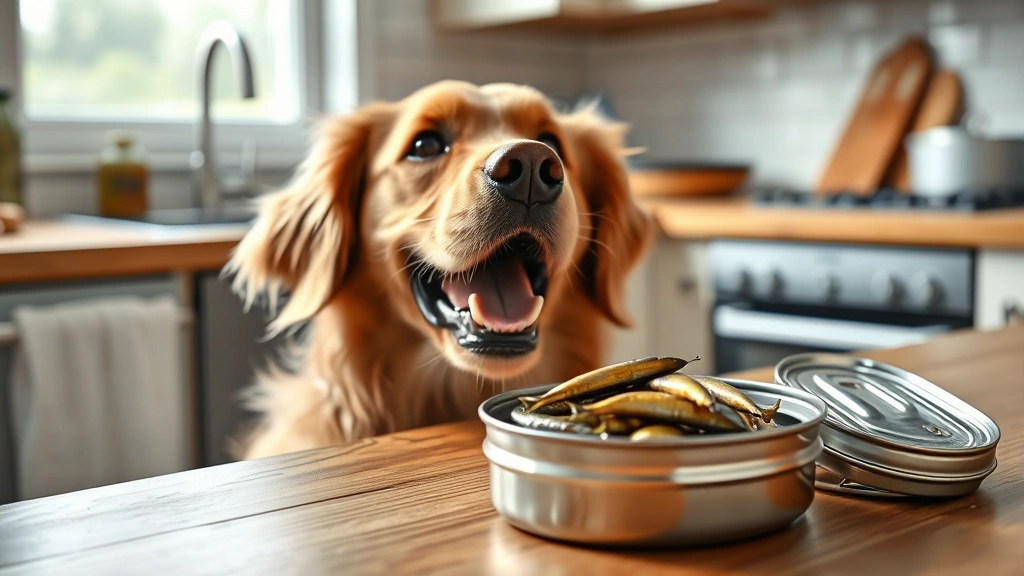
If you’ve ever opened a tin of sardines in olive oil and noticed your furry best friend giving you those irresistible puppy-dog eyes, you’re probably wondering whether it’s safe to share this fishy treat. The good news? Sardines can actually be a fantastic addition to your dog’s diet—but there are some important considerations when it comes to the olive oil component and how to serve them safely.
Sardines are packed with omega-3 fatty acids, protein, and essential vitamins that can support your dog’s coat health, joint function, and cognitive development. However, not all preparations of sardines are created equal, and the olive oil they’re typically packed in can add extra calories and fat that might not be ideal for every pup. In this comprehensive guide, we’ll break down everything you need to know about feeding your dog sardines in olive oil, including preparation tips, portion sizes, and potential health considerations.
Whether you’re looking to boost your dog’s nutrition or simply want to offer an occasional treat that’ll have them wagging their tail with joy, understanding the ins and outs of sardine safety is essential for responsible pet ownership.
Are Sardines Safe for Dogs?
The short answer is yes—dogs can eat sardines, and they can be quite beneficial when offered appropriately. Sardines are a small fish that typically don’t accumulate high levels of mercury, making them a safer seafood option compared to larger predatory fish. Most veterinarians agree that sardines can be a healthy addition to a balanced canine diet when served in moderation.
Sardines in their natural form are entirely non-toxic to dogs. Unlike some foods that pose serious health risks, sardines don’t contain any compounds that are inherently dangerous to canine consumption. However, the preparation method and packaging can significantly impact whether they’re appropriate for your specific dog. This is why understanding what goes into the tin—particularly the olive oil—is crucial for making informed feeding decisions.
Fish in general provides excellent nutrition for dogs, and sardines are among the best options available. They’re considered a whole fish, meaning your dog gets beneficial nutrients from the bones, organs, and meat all together.
The Olive Oil Question
Now here’s where things get interesting. While dogs can have olive oil, the amount matters tremendously. A small amount of olive oil is actually beneficial for dogs—it contains polyphenols and antioxidants that support heart health and can improve coat quality. However, when sardines come packed in olive oil, you’re getting a significant amount of fat in a small serving.
The concern with olive oil for dogs isn’t that it’s toxic, but rather that excessive fat intake can lead to pancreatitis, obesity, and digestive upset in sensitive pups. Some dogs tolerate dietary fat beautifully, while others—particularly those with a history of pancreatitis or obesity—need to have their fat intake carefully monitored. This is why you might want to investigate whether olive oil is bad for dogs in your specific situation.
Extra virgin olive oil, which is commonly used in sardine tins, contains about 120 calories and 14 grams of fat per tablespoon. When your dog eats sardines packed in this oil, they’re consuming a concentrated source of fat that can quickly add up, especially for smaller breeds or dogs with caloric restrictions.
Nutritional Benefits of Sardines
Despite the olive oil consideration, sardines offer remarkable nutritional value for your canine companion. These tiny fish are nutritional powerhouses that can contribute significantly to your dog’s overall health when incorporated thoughtfully into their diet.
Omega-3 Fatty Acids: Sardines are among the richest natural sources of EPA and DHA, the omega-3 fatty acids that support brain function, reduce inflammation, and promote a glossy, healthy coat. Fish is good for dogs specifically because of these omega-3 compounds, which many commercial dog foods don’t provide in sufficient quantities.
Protein Content: A small tin of sardines contains approximately 20-25 grams of high-quality protein, essential for muscle maintenance, tissue repair, and immune function. This complete protein includes all nine essential amino acids your dog needs.
Vitamins and Minerals: Sardines provide selenium, vitamin D, vitamin B12, and calcium. The calcium is particularly important because sardines include edible bones, which are soft and entirely safe for dogs to consume. These minerals support bone health, immune function, and metabolic processes.
Selenium: This powerful antioxidant helps protect your dog’s cells from damage and supports thyroid function, which is crucial for metabolism and overall health.
Choline: Often overlooked but incredibly important, choline supports brain health and cognitive function, making sardines particularly beneficial for senior dogs or those you want to keep mentally sharp.
How to Prepare Sardines for Dogs
Proper preparation is the key to safely incorporating sardines into your dog’s diet. Here are the best practices for getting sardines ready for your pup:
Option 1: Rinse and Drain Method
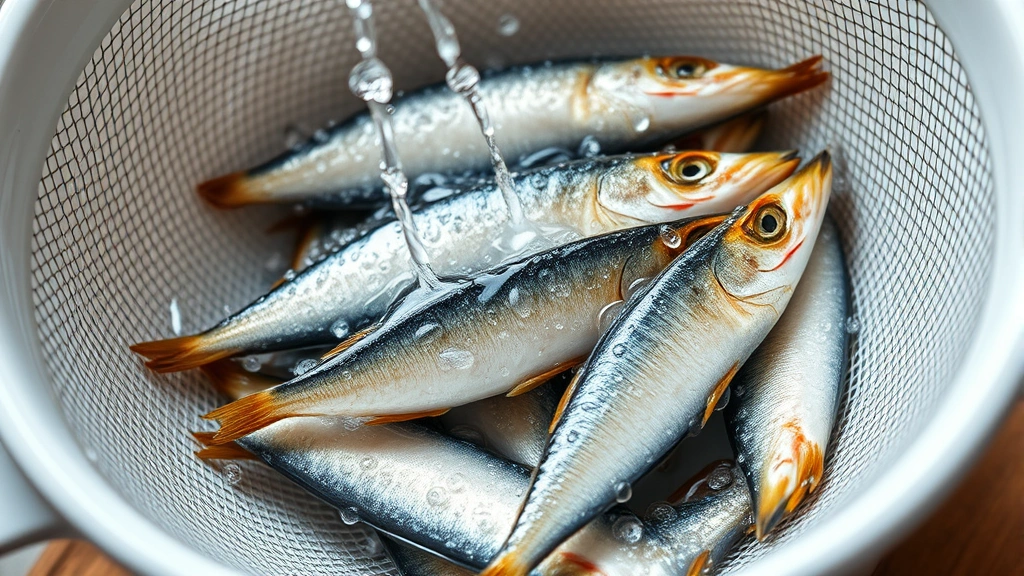
This is the preferred approach for most dog owners. Simply open the tin of sardines in olive oil and drain as much of the oil as possible using a fine-mesh strainer or colander. Rinse the sardines under cool running water to remove additional oil residue. This method reduces the fat content significantly while preserving the nutritional benefits. After draining and rinsing, you can serve the sardines as-is or mix them into your dog’s regular food.
Option 2: Sardines in Water
If you have access to sardines packed in water rather than olive oil, these are an even better choice for dogs prone to digestive issues or those who need to maintain a lean weight. The water provides minimal calories and fat while delivering all the same nutritional benefits. Similar to how salmon skin should be carefully considered, the preparation method really does matter.
Option 3: Fresh Sardines
If you’re feeling adventurous and have access to fresh sardines, you can cook them simply by baking or steaming without any added oil, salt, or seasonings. This gives you complete control over the fat content and ensures nothing harmful is added. Remove all bones if you’re concerned, though the soft bones are entirely edible and nutritious.
Things to Avoid:
- Never feed sardines packed in soy sauce or other seasonings—these can contain excessive sodium and potentially harmful additives
- Don’t serve sardines with added spices, garlic, or onion, which are toxic to dogs
- Avoid giving your dog the entire tin of sardines in one sitting, even after draining the oil
- Don’t feed sardines to dogs with fish allergies or sensitivities
Recommended Portion Sizes
Portion control is absolutely critical when incorporating sardines into your dog’s diet. Sardines are nutrient-dense and calorie-dense, so a little goes a long way. The appropriate serving size depends on your dog’s weight, overall caloric needs, and individual health status.
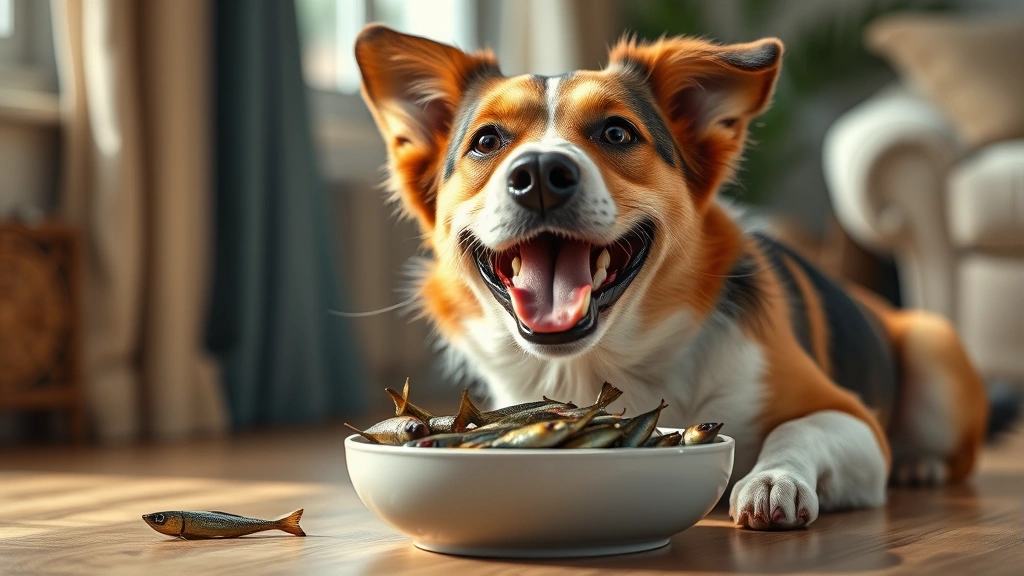
Small Dogs (Under 20 lbs): One or two sardines, 2-3 times per week maximum. This provides nutritional benefits without excessive fat intake.
Medium Dogs (20-50 lbs): Two to three sardines, 2-3 times per week. You can also offer a quarter to half tin of sardines as an occasional treat.
Large Dogs (50+ lbs): Half a tin of sardines, 2-3 times per week maximum. Larger dogs have higher caloric needs, but sardines are still calorie-dense enough to warrant portion control.
General Rule: Treats, including sardines, should comprise no more than 10% of your dog’s daily caloric intake. If your dog requires 1,000 calories per day, treats should account for no more than 100 calories. A single sardine contains approximately 20-30 calories depending on size and oil content.
For dogs with pancreatitis, obesity, or digestive sensitivities, consult with your veterinarian before introducing sardines. These dogs may need smaller portions or sardines in water rather than olive oil.
Potential Health Risks
While sardines are generally safe, certain dogs and situations warrant extra caution. Understanding potential risks helps you make the best decision for your individual pet.
Pancreatitis: Dogs with a history of pancreatitis or those prone to the condition need to avoid high-fat foods. The combination of sardines and olive oil creates a particularly fat-rich treat that could trigger inflammation. Always consult your vet before offering sardines to a dog with pancreatic concerns.
Obesity: For dogs needing to lose weight, the calorie-dense nature of sardines in olive oil might not be ideal. While the nutritional benefits are undeniable, the caloric cost may outweigh the benefits for weight management goals.
Digestive Upset: Some dogs have sensitive stomachs that react poorly to sudden dietary changes or rich foods. Introduce sardines gradually and in small amounts to monitor your dog’s response. Watch for vomiting, diarrhea, or constipation.
Salt Content: While sardines aren’t excessively salty, they do contain more sodium than fresh fish. Dogs with heart conditions or hypertension should have their sodium intake monitored carefully.
Thiaminase Concerns: Raw fish contains thiaminase, an enzyme that can break down thiamine (vitamin B1). However, cooking or the canning process inactivates this enzyme, making canned sardines completely safe in this regard.
Choking Hazard: For dogs who gulp their food without chewing, sardine bones could theoretically pose a choking risk. While the bones are soft and usually safe, monitor your dog while eating or mash the sardines slightly for extra safety.
Alternative Fish Options
If sardines aren’t available or your dog doesn’t seem interested, several other fish options provide similar nutritional benefits. Understanding these alternatives helps you create variety in your dog’s diet while maximizing nutritional intake.
Salmon: Another excellent source of omega-3 fatty acids, though typically higher in fat than sardines. Always remove bones and cook without seasoning. Salmon skin can be beneficial for dogs when prepared properly.
Mackerel: Similar nutritional profile to sardines with excellent omega-3 content, though slightly higher in fat. Serve in moderation with the same portion guidelines.
Herring: A smaller fish with a nutritional profile comparable to sardines. Often easier to find fresh and allows you to control preparation methods.
Anchovies: Tiny fish with concentrated nutrition, though they’re often saltier than sardines. Use sparingly and rinse thoroughly.
Whitefish: Lower in fat than sardines but still provides good protein and some omega-3s. A good alternative for dogs needing lower-fat options.
Remember that variety in your dog’s diet contributes to nutritional completeness and helps prevent boredom. Rotating between different fish options ensures your dog gets a broad spectrum of nutrients.
Frequently Asked Questions
Can I feed my dog sardines every day?
While sardines are nutritious, daily feeding isn’t recommended due to their high fat and sodium content. Two to three times per week is the ideal frequency for most dogs. Daily consumption could lead to obesity, pancreatitis, or digestive issues. If you want to provide fish-based nutrition daily, consider fish oil supplements formulated specifically for dogs, which offer controlled dosing.
Is canned sardine oil safe for dogs?
The oil in canned sardines is olive oil, which is safe in small amounts but shouldn’t be consumed in large quantities. Always drain the oil before serving sardines to your dog. If you want to provide the benefits of olive oil separately, a small amount drizzled on food is acceptable for most dogs, but discuss this with your veterinarian first.
What should I do if my dog accidentally eats a whole tin of sardines?
Don’t panic. While not ideal, eating an entire tin of sardines in olive oil typically won’t cause immediate toxicity. However, monitor your dog closely for signs of digestive upset like vomiting or diarrhea over the next 24-48 hours. If your dog experiences persistent symptoms or shows signs of pancreatitis (lethargy, abdominal pain, loss of appetite), contact your veterinarian immediately.
Are sardine bones safe for dogs?
Yes, sardine bones are soft and entirely safe for dogs to consume. In fact, they provide valuable calcium and other minerals. The bones won’t splinter like chicken bones and are easily digestible. However, if your dog has difficulty chewing or you’re concerned about choking, you can mash the sardines slightly before serving.
Can puppies eat sardines?
Puppies can eat sardines in very small portions, but they should be introduced gradually after weaning. Puppies have sensitive digestive systems, and the high fat content could cause upset. Wait until your puppy is at least 8-12 weeks old and has fully transitioned to solid food before introducing sardines. Always consult your veterinarian before adding new foods to a puppy’s diet.
Do sardines help with dog’s coat quality?
Absolutely. The omega-3 fatty acids in sardines are renowned for promoting healthy skin and a shiny coat. Many dog owners notice visible improvements in coat quality within a few weeks of adding sardines to their dog’s diet. This makes sardines particularly valuable for dogs with dry, dull, or itchy skin, though they’re not a substitute for veterinary treatment of skin conditions.
Can dogs with fish allergies eat sardines?
No. If your dog has a confirmed fish allergy, sardines must be avoided entirely. Fish allergies in dogs typically manifest as itching, skin infections, ear infections, or gastrointestinal upset. If you suspect your dog has a fish allergy, discuss alternative protein and omega-3 sources with your veterinarian.
Are sardines better than fish oil supplements for dogs?
Both have merits. Whole sardines provide omega-3s along with complete protein and other nutrients, while fish oil supplements offer concentrated omega-3s without additional calories. For most dogs, whole sardines are preferable because they provide nutritional variety, but fish oil supplements are better for dogs with caloric restrictions or those who need precise dosing. Some veterinarians recommend both as part of a comprehensive nutritional strategy.
How do I know if my dog is getting too much fat from sardines?
Signs of excessive fat intake include weight gain, digestive upset, greasy coat, or lethargy. If your dog experiences vomiting or diarrhea after eating sardines, reduce portions or frequency. For dogs prone to pancreatitis, watch for abdominal pain, loss of appetite, or hunched posture—these warrant immediate veterinary attention.