

Can Dogs Eat Turkey Meat? What Vets Recommend
Ah, turkey season! Whether it’s Thanksgiving, Christmas, or just a random Tuesday when you’re feeling fancy, turkey is a staple protein that graces many dinner tables. But here’s the million-dollar question that inevitably pops into your head as you’re carving that golden bird: can dogs eat turkey meat? Your furry friend is probably giving you those irresistible puppy dog eyes from under the table, hoping for a taste of the action.
The good news? Turkey can absolutely be a healthy addition to your dog’s diet—but there are some important guidelines you need to follow. Not all turkey preparations are created equal, and what might seem like a harmless treat could actually pose some serious health risks to your beloved canine companion. This comprehensive guide will walk you through everything vets recommend about feeding turkey to dogs, including the safest ways to prepare it, portion sizes, and what to avoid at all costs.
Let’s dig into the turkey talk and make sure your pup can safely enjoy this protein-packed poultry alongside your family feast.
Is Turkey Safe for Dogs?
Yes, plain, unseasoned turkey is absolutely safe for dogs when prepared correctly. In fact, turkey is an excellent source of lean protein that many commercial dog foods include as a primary ingredient. The American Kennel Club confirms that turkey is safe for dogs, making it a popular choice among veterinarians and pet nutritionists.
However—and this is a big however—the safety of turkey for dogs hinges entirely on how it’s prepared. A piece of plain, cooked turkey breast is vastly different from a slice of seasoned, buttered holiday turkey laden with garlic and onions. The devil, as they say, is in the details.
Most veterinarians agree that turkey can be a wonderful treat for your dog, especially if you’re looking to supplement their regular diet with high-quality protein. The key is understanding what makes turkey safe versus what makes it dangerous. When you know the rules, you can confidently share this protein with your pup without worry.
Nutritional Benefits of Turkey for Dogs
Turkey packs a serious nutritional punch for our four-legged friends. Here’s what makes this poultry so beneficial:
- High-Quality Protein: Turkey is loaded with amino acids that support muscle development, repair, and maintenance. This is especially important for active dogs and growing puppies.
- B Vitamins: Turkey contains essential B vitamins like niacin, B6, and B12, which support energy metabolism and nervous system function.
- Selenium: This mineral acts as an antioxidant and supports thyroid health and immune function.
- Low Fat Content: When you remove the skin, turkey is one of the leanest poultry options available, making it ideal for dogs watching their waistlines.
- Easily Digestible: Turkey is gentle on the digestive system, making it a great option for dogs with sensitive stomachs.
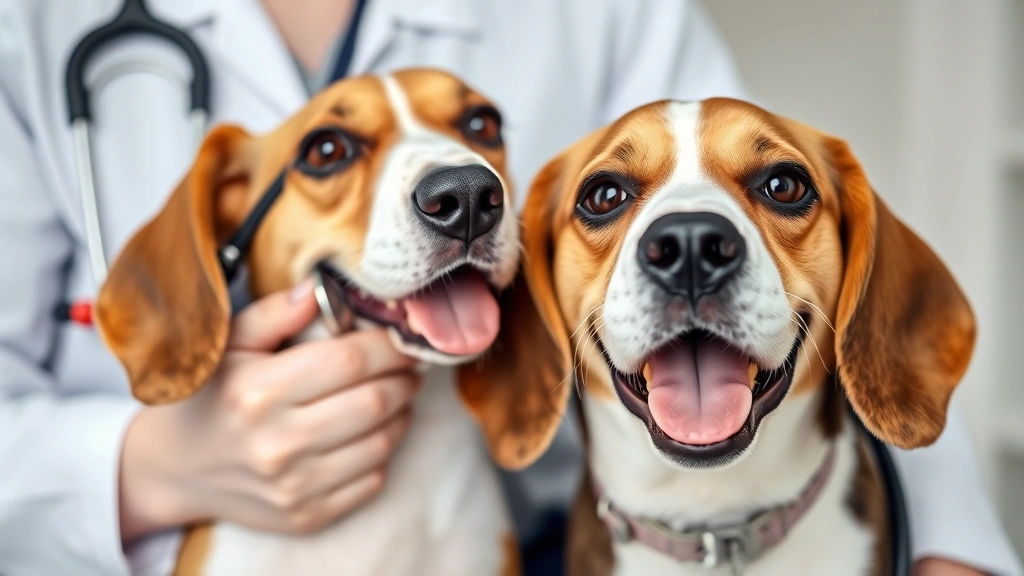
If you’re wondering how turkey compares to other proteins, chicken is also good for dogs and offers similar nutritional benefits. However, turkey typically has slightly less fat, which some vets prefer for certain health conditions. Additionally, ground beef is another protein option that dogs enjoy, though it contains more fat than turkey.
The ASPCA notes that protein-rich foods like turkey support overall canine health, and incorporating lean proteins into your dog’s diet can contribute to a shiny coat, strong muscles, and sustained energy levels.
How to Safely Prepare Turkey for Your Dog
Preparation is everything when it comes to feeding turkey to your dog. Follow these guidelines to ensure maximum safety and nutrition:
- Remove All Skin: The skin contains excess fat and is often seasoned with herbs and spices. Always remove it completely before offering turkey to your dog.
- Cook Thoroughly: Turkey must be cooked to an internal temperature of 165°F (74°C) to eliminate harmful bacteria like salmonella and campylobacter. Use a meat thermometer to verify doneness.
- Use No Seasonings: Prepare a plain portion of turkey specifically for your dog, with zero salt, garlic, onions, or other seasonings. This means cooking it separately from your family’s meal.
- Remove Bones Completely: We’ll discuss this more thoroughly later, but turkey bones require special consideration and should generally be avoided.
- Cut Into Appropriate Sizes: Chop the turkey into bite-sized pieces suitable for your dog’s size to prevent choking hazards.
- Cool Before Serving: Allow the turkey to cool to room temperature before giving it to your dog to avoid burns.
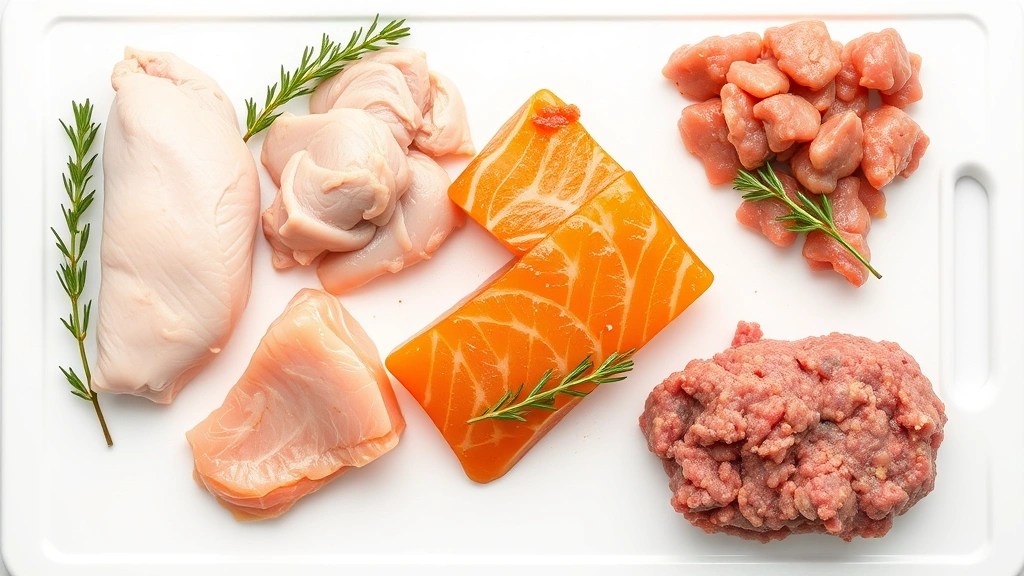
Many dog owners prepare plain turkey as a special treat or mix it into their dog’s regular kibble. Some people even use chicken broth (unsalted, of course) to add flavor to plain turkey, making it even more appealing to their pups. If you’re interested in incorporating ground turkey into your dog’s diet, ground turkey is a convenient option that requires the same careful preparation.
Portion Sizes and Feeding Guidelines
Even though turkey is safe and healthy, portion control is crucial. Turkey should be treated as a treat or supplement, not as a meal replacement.
General Guidelines:
- Small Dogs (under 20 lbs): Offer no more than 1-2 ounces of turkey per serving, once or twice per week.
- Medium Dogs (20-50 lbs): A 2-4 ounce portion is appropriate, served once or twice weekly.
- Large Dogs (50-100 lbs): You can offer 4-6 ounces per serving, maintaining the once or twice weekly frequency.
- Giant Breeds (over 100 lbs): Up to 8 ounces can be appropriate, but still limit to weekly servings.
Remember that treats should comprise no more than 10% of your dog’s daily caloric intake. If you’re unsure about the right amount for your specific dog, consult with your veterinarian. For guidance on overall feeding amounts, check out our article on how much food you should feed your dog, which provides detailed calculations based on age, size, and activity level.
The Association of American Feed Control Officials (AAFCO) recommends that treats should not exceed 10% of a dog’s daily caloric intake, ensuring that the dog’s complete and balanced diet remains the primary nutrition source.
Turkey Parts to Avoid
Not all parts of the turkey are safe for dogs. Here’s what you should absolutely keep away from your furry friend:
- Turkey Skin: High in fat and often seasoned, turkey skin can cause pancreatitis and digestive upset in dogs.
- Turkey Bones: Cooked bones become brittle and can splinter, causing intestinal blockages or punctures. This is such an important topic that we’ve created a detailed guide on whether dogs can have turkey bones.
- Turkey Legs and Wings with Bones: Even if partially deboned, these parts pose choking and obstruction risks.
- Giblets: Turkey liver and other organs can contain harmful bacteria if not cooked thoroughly. If you do offer giblets, ensure they’re completely cooked and unseasoned.
- Processed Turkey Products: Deli turkey, turkey bacon, and turkey sausage contain excessive sodium, nitrates, and preservatives that are unhealthy for dogs.
- Turkey Skin Gravy: This is loaded with fat, sodium, and often contains onions and garlic—all dangerous for dogs.
Common Turkey Preparations That Are Dangerous
During holiday season, many turkey preparations are absolutely off-limits for dogs. Understanding what makes these dangerous will help you protect your pup:
Seasoned Turkey: Most holiday turkeys are rubbed with herbs, spices, salt, and sometimes garlic and onions. Garlic and onions are toxic to dogs and can damage red blood cells, leading to hemolytic anemia. Even small amounts can be problematic.
Buttered or Oiled Turkey: The excess fat can cause pancreatitis, a serious and potentially life-threatening inflammation of the pancreas. Symptoms include vomiting, diarrhea, abdominal pain, and lethargy.
Turkey with Stuffing: Bread-based stuffing often contains onions, garlic, sage, and excessive fat—a triple threat to canine health.
Gravy: Turkey gravy typically contains salt, fat, and often onions and garlic. It’s one of the most dangerous turkey-related foods for dogs.
Smoked or Cured Turkey: These products contain excessive sodium and nitrates, which can cause salt toxicity and increase cancer risk.
The Pet Poison Helpline warns that onions and garlic are toxic to dogs and should never be included in any food offered to your canine companion.
Signs of Turkey-Related Digestive Issues
Even when turkey is prepared correctly, some dogs may experience digestive upset, especially if they’re not used to the protein. Watch for these warning signs:
- Vomiting: If your dog vomits shortly after eating turkey, this could indicate digestive distress or an allergic reaction.
- Diarrhea: Loose stools or diarrhea within 24 hours of turkey consumption may indicate food sensitivity or overconsumption.
- Constipation: Turkey skin or excessive amounts of turkey can cause constipation in some dogs.
- Abdominal Pain: Whining, restlessness, or a hunched posture may indicate pancreatitis or GI distress.
- Loss of Appetite: If your dog refuses their regular food after eating turkey, they may be experiencing digestive upset.
- Lethargy: Unusual tiredness or lack of energy following turkey consumption could signal a problem.
If your dog experiences any of these symptoms and you suspect turkey is the cause, contact your veterinarian immediately. If symptoms are severe (uncontrollable vomiting, severe abdominal pain, or inability to eat), seek emergency veterinary care.
Alternatives and Other Lean Proteins
If turkey doesn’t work for your dog or you’re looking for variety, several other lean proteins offer similar nutritional benefits:
- Chicken: As mentioned earlier, chicken is good for dogs and is even more commonly used in commercial dog foods than turkey.
- Lean Ground Meats: Ground beef is another excellent protein source, though it’s fattier than turkey.
- Fish: Salmon and other fatty fish provide omega-3 fatty acids that support skin and coat health.
- Rabbit: An excellent lean protein that’s often recommended for dogs with food sensitivities.
- Duck: Another poultry option that’s leaner than chicken and offers good nutritional value.
- Lean Pork: When prepared plain and unseasoned, pork can be a good protein source.
Frequently Asked Questions
Can puppies eat turkey?
Yes, puppies can eat plain, cooked turkey in age-appropriate portions. Puppies need adequate protein for growth and development, making turkey an excellent choice. However, keep portions smaller than for adult dogs—about half the recommended amount—and introduce it gradually to avoid digestive upset. Always ensure the turkey is boneless, skinless, and completely unseasoned.
Can dogs eat turkey during Thanksgiving?
Absolutely! Thanksgiving is a perfect time to share turkey with your dog, but you must prepare a plain portion specifically for them. Cook a separate, unseasoned turkey breast or thigh without any seasonings, skin, or bones. Avoid giving your dog any of the holiday turkey that’s been seasoned, buttered, or prepared with traditional ingredients.
Is turkey better for dogs than chicken?
Both turkey and chicken are excellent protein sources for dogs. Turkey is slightly leaner than chicken, particularly if you remove the skin. The choice between the two often comes down to personal preference and your individual dog’s digestive tolerance. Some dogs do better with one protein over the other, so it’s worth trying both to see which your pup prefers.
How often can dogs eat turkey?
Turkey should be offered as an occasional treat, no more than once or twice per week. It should never replace your dog’s regular, complete and balanced diet. Think of turkey as a special supplement to their normal meals, not as a dietary staple.
What should I do if my dog eats seasoned turkey?
If your dog eats a small amount of seasoned turkey without garlic or onions, they’ll likely be fine. Monitor them for signs of digestive upset over the next 24 hours. However, if the turkey contained garlic, onions, or a large amount of seasoning, contact your veterinarian or the Pet Poison Helpline immediately for guidance.
Can dogs eat turkey bones?
This is such an important question that we’ve dedicated an entire article to it. In short: dogs should not have turkey bones. Cooked bones splinter easily and can cause serious intestinal injuries. Raw turkey bones are sometimes considered safer by some experts, but the risks still outweigh the benefits for most pet owners.
Is turkey good for dogs with allergies?
Turkey can be an excellent protein source for dogs with chicken allergies, as it’s a different protein altogether. However, some dogs may have general poultry sensitivities that affect both chicken and turkey. If your dog has food allergies, consult with your veterinarian before introducing turkey to confirm it’s appropriate for their specific situation.





