

Can Dogs Eat Waffles? A Safety Guide
Picture this: it’s a lazy Sunday morning, the smell of fresh waffles wafts through your kitchen, and your furry best friend is giving you those irresistible puppy-dog eyes from under the table. We’ve all been there, wondering if we can sneak our pups a little taste of our breakfast treats. The question “can dogs eat waffles?” is more common than you’d think, and honestly, it deserves a thoughtful answer that goes beyond a simple yes or no.
The truth is, while waffles aren’t toxic to dogs, they’re far from being a nutritional powerhouse for our canine companions. Whether your dog can safely enjoy a waffle depends on several factors: the ingredients used, portion size, your dog’s individual health status, and what toppings you’re planning to add. In this comprehensive guide, we’ll break down everything you need to know about feeding waffles to your dog, including the risks, safer alternatives, and what to do if your pup has already snagged a bite.
Let’s dive into the waffle debate and arm you with the knowledge to make the best decisions for your furry friend’s health and happiness.
Are Plain Waffles Safe for Dogs?
Plain waffles—made with just flour, eggs, milk, and a bit of sugar—aren’t inherently toxic to dogs. In small quantities, a plain waffle won’t cause immediate harm to most healthy adult dogs. However, “safe” and “healthy” are two very different concepts when it comes to pet nutrition. Plain waffles are essentially empty calories for your dog, offering virtually no nutritional benefit while potentially contributing to weight gain and digestive upset.
The base ingredients in a typical waffle are problematic for different reasons. Wheat flour, while not toxic, is a common allergen for dogs and can trigger digestive issues in sensitive pups. Eggs are actually fine for dogs in moderation and can be a good protein source, but when combined with refined carbohydrates and sugar, they lose their nutritional advantage. The milk in waffle batter is another concern, as many adult dogs are lactose intolerant and may experience stomach distress after consuming dairy products.
Additionally, waffles are high in simple carbohydrates that provide little nutritional value. Dogs don’t require carbohydrates the way humans do, and excess carbs can lead to obesity, diabetes, and other health complications. If your dog has eaten a plain waffle, don’t panic—one incident is unlikely to cause serious harm. However, making it a habit is definitely something to avoid.
Think about the similar breakfast item: many dog owners wonder about whether dogs can eat pancakes, and the answer is remarkably similar. Both are high-carb, low-nutrition treats that should be reserved for very rare occasions only.
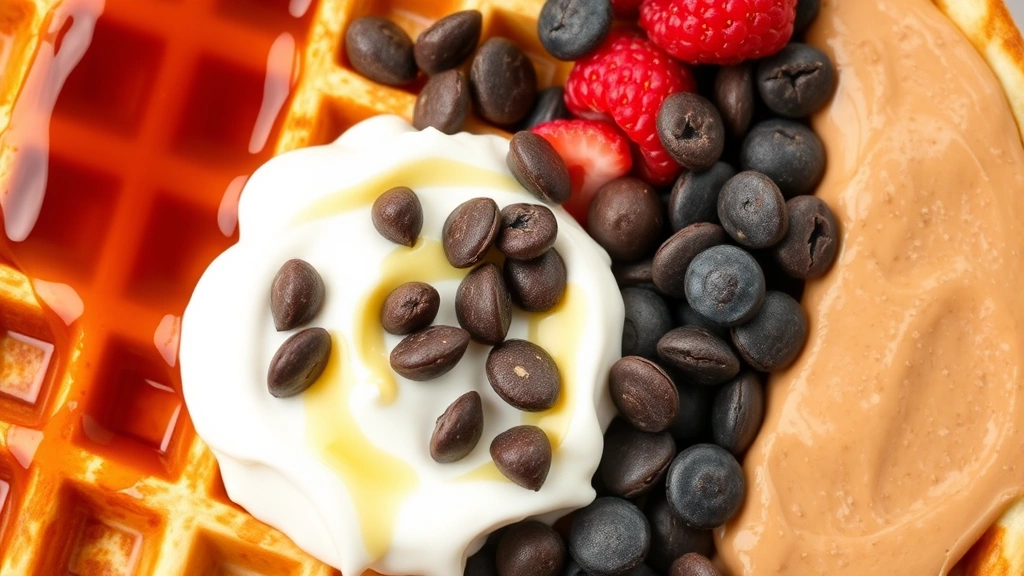
Problematic Ingredients in Waffles
Before you consider sharing your breakfast waffle with your pup, let’s talk about the specific ingredients that make waffles problematic for canine consumption. Understanding these components will help you make informed decisions about your dog’s diet.
Sugar and Sweeteners: Regular waffles contain added sugar, and some recipes include even more for extra sweetness. While a small amount of sugar won’t poison your dog, regular consumption can lead to dental problems, obesity, and diabetes. Even more concerning are artificial sweeteners like xylitol, which is extremely toxic to dogs. Just a small amount of xylitol can cause rapid insulin release, leading to hypoglycemia (low blood sugar) and potentially fatal liver damage. Always check waffle ingredients if they’re from a specialty brand or contain artificial sweeteners.
Flour and Grains: The wheat flour in most waffles can be problematic for dogs with grain sensitivities or allergies. Additionally, refined flour lacks the nutritional density that whole grains might provide. Some dogs do better with grain-free options, though that’s a conversation to have with your veterinarian based on your individual dog’s needs.
Butter and Oil: Waffles are typically cooked in butter or oil, and while a tiny amount won’t hurt, excessive fat can trigger pancreatitis in dogs—a serious and potentially life-threatening condition. Dogs with sensitive stomachs are particularly at risk, and overweight dogs should definitely avoid high-fat foods.
Speaking of dietary concerns, if you’re curious about other breakfast items, you might also wonder if dogs can eat bread, which shares many of the same concerns as waffles.
Waffle Toppings and Your Dog
Here’s where things get really tricky. While a plain waffle might be minimally problematic, most of us don’t eat plain waffles. We load them up with delicious toppings that are absolutely not safe for our dogs. Let’s break down the most common waffle toppings and their safety profiles.
Maple Syrup: This is the classic waffle topping, and it’s a definite no-go for dogs. Pure maple syrup is essentially liquid sugar, which can cause rapid blood sugar spikes and contribute to obesity and diabetes. Some maple syrups also contain xylitol, which as we discussed earlier, is dangerously toxic to dogs. Before you even think about giving your dog a waffle with syrup, read our guide on whether dogs can have maple syrup.
Whipped Cream: While a tiny dollop might not hurt, whipped cream is high in fat and sugar, and remember—many dogs are lactose intolerant. It’s simply not worth the potential digestive upset.
Chocolate: If your waffles are topped with chocolate or chocolate chips, keep them far away from your dog. Chocolate contains theobromine, which is toxic to dogs. The darker the chocolate, the more dangerous it is. Even a small amount can cause vomiting, diarrhea, rapid heart rate, and in severe cases, seizures.
Berries: Here’s some good news! If your waffles are topped with fresh berries like blueberries or strawberries, these are actually safe for dogs in moderation. Berries are low in calories and packed with antioxidants, making them one of the few waffle toppings that won’t make you feel guilty.
Peanut Butter: Plain, unsweetened peanut butter is safe for dogs and actually provides some nutritional value. However, make sure it doesn’t contain xylitol. If you’re considering peanut butter as a dog treat, it’s much better served on its own or mixed into dog-appropriate snacks rather than on a waffle.

If you’re interested in learning more about foods to avoid, check out our article on whether dogs can eat cake, which shares many similar concerns with waffles regarding sugar content and inappropriate toppings.
Better Breakfast Options for Dogs
Now that we’ve established that waffles aren’t ideal for your furry friend, let’s talk about what you can offer your dog for breakfast that’s actually nutritious and safe. The good news is that there are plenty of delicious options that will make your dog just as happy without the health risks.
Eggs: Plain, cooked eggs are excellent for dogs. They’re packed with protein, healthy fats, and various vitamins and minerals. Scrambled, boiled, or fried (without added butter or oil) eggs are a fantastic breakfast option that your dog will love. You can serve them plain or mix them with their regular kibble for added nutrition and excitement.
Plain Chicken or Turkey: Cooked, unseasoned poultry is lean protein heaven for dogs. A few pieces of plain chicken breast or turkey mixed into their breakfast bowl provides excellent nutrition without any of the empty calories found in waffles.
Sweet Potatoes: Unlike regular potatoes, sweet potatoes are packed with fiber, vitamins, and antioxidants. Cooked and cut into small pieces, they make a wonderful addition to your dog’s breakfast. They’re naturally sweet, so your dog will think they’re getting a treat while actually getting nutrition.
Plain Oatmeal: If you’re looking for a grain-based breakfast option, plain oatmeal (cooked and cooled) is much better than waffles. It’s high in fiber and can help with digestion. Just skip the brown sugar, honey, or other sweeteners.
Fruits and Vegetables: Apples (without seeds), bananas, carrots, and green beans are all safe for dogs and provide vitamins and fiber. They’re low in calories and make great breakfast toppers for kibble.
According to the Association of American Feed Control Officials (AAFCO), dogs require a balanced diet with appropriate levels of protein, fat, and essential nutrients. Breakfast should contribute meaningfully to these requirements, not just fill your dog’s belly with empty calories.
What to Do If Your Dog Eats Waffles
If your dog has already managed to snag a waffle from the counter or your distracted hand, don’t panic. The severity of the situation depends on several factors: how much waffle was eaten, what was in it, and your dog’s size and health status.
Plain Waffles: If your dog ate a small piece of plain waffle, they’ll probably be just fine. Monitor them for any signs of digestive upset like vomiting, diarrhea, or loss of appetite. A single plain waffle incident is unlikely to cause serious harm. However, if your dog has a sensitive stomach or known allergies, watch them more closely.
Waffles with Problematic Toppings: If the waffle had chocolate, xylitol-containing products, or large amounts of syrup, contact your veterinarian or ASPCA Animal Poison Control Center immediately. Provide them with information about what was eaten and when. They can advise you on whether your dog needs to be seen.
Monitor for Symptoms: Watch for signs of distress including excessive drooling, vomiting, diarrhea, lethargy, difficulty breathing, or seizures. If you notice any of these symptoms, contact your veterinarian right away.
Don’t Induce Vomiting: Unless specifically instructed by your veterinarian or poison control, don’t attempt to induce vomiting. This can sometimes cause more harm than good.
If your dog experiences digestive upset after eating waffles, you might find our article on what to feed a dog with diarrhea helpful for recovery.
The American Kennel Club provides extensive resources on dog health and nutrition, and they consistently recommend against feeding human breakfast foods to dogs due to the risk of nutritional imbalances and digestive issues.
Frequently Asked Questions
Can dogs eat waffles with peanut butter?
Plain, xylitol-free peanut butter is safe for dogs, but it’s still not ideal on a waffle. The combination of refined carbohydrates from the waffle with peanut butter creates a high-calorie treat with minimal nutritional value. If you want to give your dog peanut butter, serve it on its own, in a puzzle toy, or mixed with healthier options like sweet potato.
Are frozen waffles safer than homemade waffles for dogs?
Frozen waffles are typically no safer than homemade ones. In fact, they often contain more preservatives, added sugars, and sometimes xylitol or other artificial sweeteners. If you’re going to give your dog a waffle, homemade is slightly better since you control the ingredients, but honestly, neither option is ideal.
What about gluten-free or sugar-free waffles?
Gluten-free waffles might be better for dogs with grain sensitivities, but they’re still high in carbohydrates and calories. Sugar-free waffles are particularly concerning because they often contain xylitol or other artificial sweeteners, which are toxic to dogs. Never assume that sugar-free human foods are safe for dogs.
Can puppies eat waffles?
Puppies should absolutely not eat waffles. Their developing bodies need proper nutrition, and waffles offer nothing but empty calories. Puppies require specific ratios of protein, fat, and other nutrients for proper growth and development. Feeding them human breakfast foods can interfere with their nutritional balance and contribute to developmental problems.
How often can dogs have waffles?
Ideally, never. But if your dog has already eaten a waffle and you’re asking this question, the answer is: not regularly. If this happens once or twice a year, it’s unlikely to cause lasting harm. However, making waffles a regular treat is absolutely not recommended due to the lack of nutritional value and potential for weight gain and digestive issues.
Is there a dog-friendly waffle recipe I can make?
While you could theoretically make a dog-friendly waffle using dog-safe ingredients like eggs, mashed sweet potato, and oat flour (without added sugar or sweeteners), it’s honestly more complicated than just feeding your dog the individual ingredients separately. Your dog will benefit more from plain scrambled eggs and sweet potato than they would from a waffle, even a homemade one.
What should I do if my dog ate waffles with chocolate?
Contact your veterinarian or the Pet Poison Helpline immediately. The toxicity of chocolate depends on the type (dark chocolate is more dangerous than milk chocolate), the amount consumed, and your dog’s weight. Don’t wait to see if symptoms develop—get professional guidance right away.





