

Can Dogs Have Acetaminophen? What Vets Advise
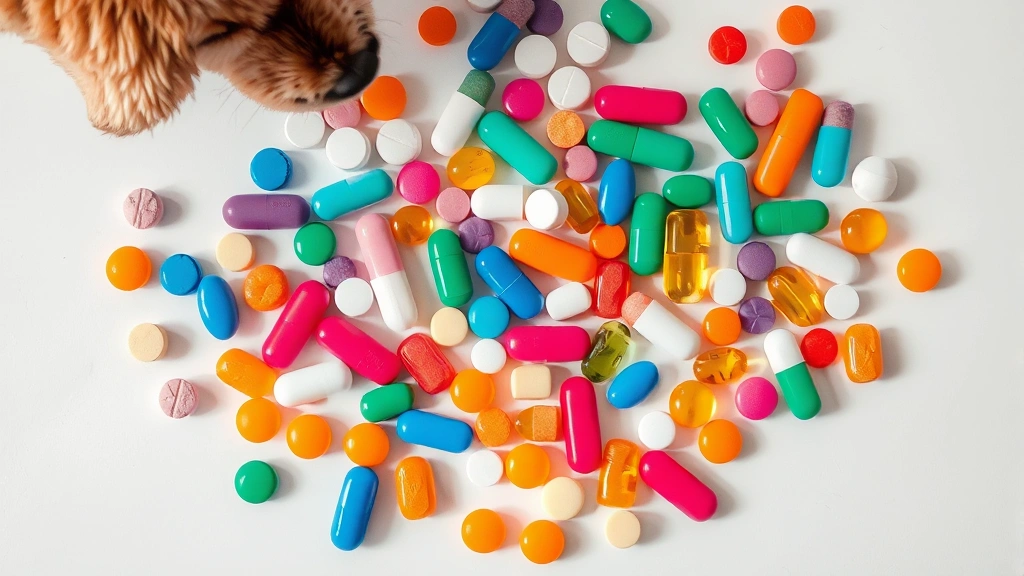
If your furry friend is limping around or seems uncomfortable, your first instinct might be to reach for the nearest pain reliever from your medicine cabinet. But here’s the thing: acetaminophen, commonly known as Tylenol, is not safe for dogs, and giving it to your pup could lead to serious, potentially life-threatening complications. As pet parents, we want to help our dogs feel better, but understanding what medications are safe is absolutely crucial.
Many well-meaning dog owners don’t realize that human pain relievers and fever reducers can be toxic to our canine companions. Dogs metabolize medications differently than humans do, which means what’s perfectly fine for you might be dangerous for Fido. In this comprehensive guide, we’ll explore why acetaminophen is harmful to dogs, what symptoms to watch for if accidental ingestion occurs, and most importantly, what safe alternatives your veterinarian might recommend instead.
Whether your dog is recovering from surgery, dealing with arthritis, or just having a rough day, knowing the right pain management options is essential for responsible pet ownership. Let’s dive into what you need to know to keep your best friend safe and healthy.
Why Is Acetaminophen Toxic to Dogs?
Acetaminophen toxicity in dogs stems from a fundamental difference in how canine bodies process this medication compared to humans. Dogs lack sufficient levels of the enzyme glucuronyl transferase, which is crucial for breaking down and eliminating acetaminophen from the body. Without this enzyme working efficiently, acetaminophen accumulates to toxic levels in your dog’s system.
When acetaminophen builds up, it forms harmful metabolites that damage the liver and red blood cells. This can lead to hepatotoxicity (liver damage) and methemoglobinemia (a condition where hemoglobin can’t carry oxygen properly). Even small doses can cause problems in some dogs, particularly smaller breeds, puppies, senior dogs, and those with pre-existing liver conditions.
The ASPCA Animal Poison Control Center receives thousands of calls annually about acetaminophen ingestion in dogs. The toxin doesn’t discriminate between prescription-strength and over-the-counter formulations—both are equally dangerous. Additionally, many combination medications contain acetaminophen as a hidden ingredient, making accidental poisoning more common than you might think.
Unlike giving your dog Tylenol, which we absolutely don’t recommend, there are veterinarian-approved pain management strategies that work with your dog’s physiology rather than against it.

How Much Acetaminophen Is Dangerous?
The toxic dose of acetaminophen for dogs is surprisingly low. According to veterinary toxicology resources, acetaminophen toxicity can occur at doses as low as 75-100 mg/kg (approximately 34-45 mg per pound of body weight). This means a single regular-strength Tylenol tablet (500 mg) could be dangerous for a small dog weighing just 10-15 pounds.
To put this in perspective, consider these scenarios:
- A 20-pound dog could experience toxicity from just one or two standard tablets
- A 50-pound dog might show symptoms after consuming 3-4 tablets
- Extra-strength formulations (650-1000 mg per tablet) are even more dangerous, requiring smaller quantities to cause harm
- Products containing acetaminophen plus other ingredients multiply the risk
Severity also depends on individual factors. A senior dog with liver disease faces greater risk than a young, healthy adult dog. Similarly, small breeds metabolize medications differently than large breeds, making them more susceptible to toxicity at lower doses. Even if your dog doesn’t show immediate symptoms after ingesting acetaminophen, damage may be occurring internally.
This is why understanding what painkillers you can give your dog is so important. The safer alternatives discussed later have much wider safety margins and are specifically formulated for canine metabolism.
Symptoms of Acetaminophen Overdose in Dogs
Recognizing the signs of acetaminophen toxicity is critical because early intervention can be lifesaving. Symptoms typically appear within 24 hours of ingestion, though some may develop more quickly depending on the dose and your dog’s individual factors.
Early symptoms include:
- Lethargy and weakness
- Loss of appetite
- Vomiting
- Pale gums
- Abdominal pain
- Drooling
More severe symptoms (indicating advanced toxicity):
- Jaundice (yellowing of gums, whites of eyes, and skin)
- Dark urine or brown-colored urine
- Difficulty breathing
- Swelling of the face or throat
- Seizures
- Collapse or loss of consciousness
- Coma
The progression from mild to severe symptoms can happen rapidly, sometimes within just a few hours. If you notice any of these signs, especially after your dog has access to acetaminophen-containing products, contact your veterinarian or emergency animal hospital immediately. Time is of the essence in poisoning cases.
Safe Pain Management Alternatives
The good news is that veterinarians have several safe and effective options for managing pain in dogs. These medications work with your dog’s physiology and have been extensively studied in veterinary medicine. Always consult with your vet before starting any pain management regimen.
NSAIDs (Non-Steroidal Anti-Inflammatory Drugs)
Veterinary-specific NSAIDs are the most commonly prescribed pain relievers for dogs. Unlike acetaminophen, these medications are formulated for canine use and have appropriate safety profiles. Common options include carprofen (Rimadyl), meloxicam (Metacam), and firocoxib (Previcox). These work by reducing inflammation and blocking pain signals, making them ideal for arthritis, post-surgical pain, and injury recovery.
Opioids
For severe pain, your veterinarian might prescribe opioid medications like tramadol or buprenorphine. While these sound intimidating, they’re safe when prescribed and monitored by a veterinarian. They’re particularly useful for post-operative pain management and end-of-life comfort care.
Gabapentin
This medication is often used for nerve pain and chronic pain conditions in dogs. It works by calming overactive nerves and is frequently combined with other pain management strategies for optimal results.
If you’re wondering about how much aspirin you can give your dog, know that while aspirin is sometimes recommended by vets in specific doses, it’s still not ideal for long-term use. Similarly, baby aspirin for dogs requires veterinary guidance and monitoring. These options exist, but they’re not first-line treatments like veterinary NSAIDs.
Physical Therapy and Rehabilitation
Don’t underestimate the power of non-pharmaceutical interventions. Physical therapy, swimming, massage, and controlled exercise can significantly reduce pain and improve mobility, especially for dogs with arthritis or recovering from injury.
Supplements and Nutraceuticals
While not replacements for medication, supplements like glucosamine, chondroitin, omega-3 fatty acids, and turmeric have shown promise in supporting joint health and reducing inflammation. Always discuss supplements with your vet, as some can interact with medications.
What to Do If Your Dog Ingests Acetaminophen
Accidents happen, and if your dog gets into your medicine cabinet, don’t panic—but do act quickly. Here’s your action plan:
Immediate Steps:
- Remove your dog from the medication source immediately
- Note the time of ingestion and the exact amount consumed if possible
- Check the medication label for the dose per tablet/capsule
- Calculate the approximate mg/kg dose your dog received
- Contact your veterinarian or emergency animal hospital right away
When Contacting Your Vet:
Provide specific information: your dog’s weight, the type of acetaminophen product (brand name, strength), the amount ingested, and the time it was ingested. This information helps your vet determine the toxicity level and appropriate treatment.
Potential Treatments:
If caught early, your veterinarian might induce vomiting to remove the medication from your dog’s stomach. Activated charcoal may be administered to bind remaining acetaminophen in the digestive tract. For more advanced cases, your vet might recommend hospitalization with IV fluids, liver support medications, and close monitoring of liver function and blood oxygen levels.
The Pet Poison Helpline is another excellent resource available 24/7 if you need immediate guidance. They charge a consultation fee but provide expert toxicology advice.
Veterinary Guidance and Prevention
The best approach to acetaminophen toxicity is prevention. Here are practical steps to keep your dog safe:
Storage and Organization:
- Keep all medications in a secure cabinet or drawer your dog cannot access
- Use childproof containers when possible
- Never leave medications on nightstands, bathroom counters, or other accessible surfaces
- Be especially vigilant during illness when you might be taking medications more frequently
Even if you’re interested in how much Benadryl you can give your dog for allergies, always verify safety with your vet first. The same caution applies to all medications.
Communication with Your Veterinarian:
Establish an open dialogue with your vet about pain management options. If your dog is experiencing chronic pain from arthritis or other conditions, work together to develop a comprehensive pain management plan. Your vet can recommend the safest and most effective options for your individual dog’s needs, considering age, weight, health status, and any pre-existing conditions.
Education and Awareness:
Know which common products contain acetaminophen. Many combination cold and flu medications include it, as do some pain relievers you might not expect. When in doubt, check the label or ask your pharmacist.
Emergency Preparedness:
Keep your veterinarian’s phone number and your nearest emergency animal hospital’s number easily accessible. Save the Pet Poison Helpline number (888-426-4435) in your phone. These resources can mean the difference between a good outcome and a tragedy.
Remember, your veterinarian is your best resource for all questions about canine health and medication. They know your dog’s medical history and can provide personalized recommendations. When it comes to pain management, there are plenty of safe, effective options that work far better than human medications like acetaminophen.
Frequently Asked Questions
Is acetaminophen ever safe for dogs under veterinary supervision?
No. Acetaminophen is not approved for use in dogs by the FDA and is not considered safe even under veterinary supervision. Veterinarians have many better alternatives that are specifically formulated for canine use and have proven safety profiles. There is no therapeutic benefit to acetaminophen in dogs that outweighs the toxicity risk.
What about products labeled as “dog-safe pain relievers”?
Always read labels carefully. Legitimate dog-safe pain relievers contain different active ingredients than acetaminophen. Look for veterinary-approved NSAIDs like carprofen or meloxicam. If a product claims to contain acetaminophen, it is not safe for dogs regardless of marketing claims.
Can small doses of acetaminophen hurt my dog?
Yes. The toxic dose for dogs is much lower than for humans. Even a single regular-strength tablet can cause problems in small dogs. There is no truly “safe” dose of acetaminophen for dogs—the risk is not worth taking.
My dog accidentally ate a Tylenol tablet. Should I panic?
While you should take it seriously and contact your veterinarian immediately, don’t panic. The outcome often depends on your dog’s size, the tablet strength, and how quickly you seek treatment. Early intervention significantly improves outcomes. Contact your vet or emergency animal hospital right away with the details.
Are there any dog breeds more susceptible to acetaminophen toxicity?
All dogs are susceptible, but smaller breeds face greater risk because they’re exposed to higher mg/kg doses from the same amount of medication. Senior dogs and those with liver disease are also at increased risk. However, any dog can be poisoned by acetaminophen.
What’s the difference between acetaminophen and ibuprofen for dogs?
Both are unsafe for dogs, though ibuprofen toxicity typically occurs at slightly higher doses than acetaminophen. Neither should be given to dogs. Instead, use veterinary-approved NSAIDs specifically formulated for canine use.
Can I give my dog acetaminophen-containing products if I reduce the dose?
Absolutely not. Dose reduction doesn’t make acetaminophen safe for dogs—it only potentially delays symptoms. The fundamental problem is that dogs cannot properly metabolize acetaminophen regardless of dose. Always use veterinarian-recommended alternatives.
How long does acetaminophen stay in a dog’s system?
Acetaminophen is slowly metabolized in dogs due to their lack of the necessary enzymes. This slow elimination means toxic levels can build up in the body, which is part of why it’s so dangerous. Even small repeated doses can accumulate to toxic levels.





