
Can Dogs Have Carrot Cake? Safety Tips Here
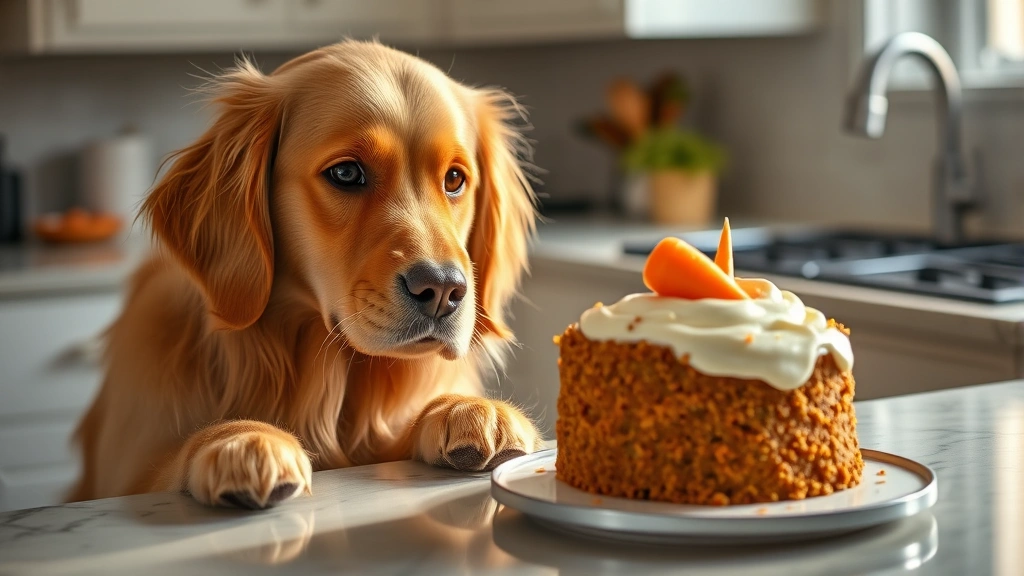
Picture this: you’ve just pulled a gorgeous homemade carrot cake out of the oven, and your furry best friend is giving you those irresistible puppy-dog eyes from across the kitchen. We get it—sharing treats with our four-legged companions feels like an act of love. But before you slice off a piece for Fido, let’s talk about whether carrot cake is actually safe for dogs. The short answer? It’s complicated, and that’s exactly what we’re here to help you navigate.
Carrot cake sits in that tricky gray zone of dog treats. While carrots themselves can be wonderful for dogs, the cake part brings along some serious baggage that pet parents need to understand. From sugar content to potentially toxic ingredients, there’s more to this dessert than meets the eye when it comes to canine safety.
In this comprehensive guide, we’ll break down everything you need to know about dogs and carrot cake—the good, the bad, and the downright dangerous. Whether you’re a devoted baker or just curious about what’s safe to share with your pup, stick around for the full scoop.
Are Carrots Safe for Dogs?
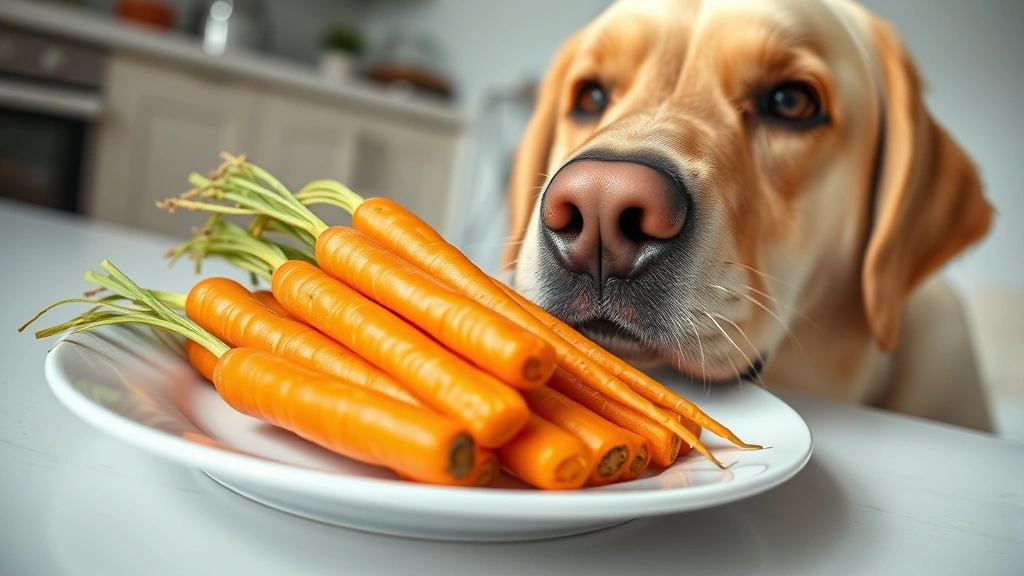
Let’s start with the good news: dogs can eat carrots, and many veterinarians actually recommend them as healthy snacks. Carrots are low in calories, high in fiber, and packed with beta-carotene and other nutrients that support canine health. In fact, carrots are good for dogs in numerous ways—they help with dental health, provide natural chewing satisfaction, and contribute to a balanced diet.
Raw carrots are particularly beneficial because they offer a satisfying crunch that can help clean your dog’s teeth naturally. According to the American Kennel Club, carrots are among the safest vegetables to offer your canine companion. They’re also budget-friendly and make excellent low-calorie training treats.
Cooked carrots are also safe for dogs, and some pet parents find them easier to digest or portion out. Whether you serve them raw, steamed, or boiled (without added salt or seasonings), carrots are a nutritional win for your pup.
Carrot Benefits for Dogs:
- Low in calories (just 25 calories per medium carrot)
- High in vitamin A for eye health
- Rich in fiber for digestive support
- Natural teeth-cleaning properties
- Safe for dogs with weight management needs
- Great for senior dogs with fewer dietary restrictions
The Cake Problem: Why Regular Cake Isn’t Dog-Friendly
Here’s where things get tricky. While carrots deserve a gold star, the cake component is where we need to pump the brakes. Dogs shouldn’t eat regular cake, and carrot cake is no exception to this rule. Traditional cake recipes contain several ingredients that are problematic for our furry friends.
The primary culprit is sugar. Commercial and homemade carrot cakes typically contain substantial amounts of refined sugar—sometimes up to a cup or more per cake. Dogs don’t need sugar in their diets, and excessive sugar consumption can lead to obesity, dental problems, and diabetes. Unlike humans, dogs lack the dietary requirement for sweet foods, so there’s no nutritional benefit to the sugar in cake.
Beyond sugar, most carrot cakes contain wheat flour, which can be problematic for dogs with grain sensitivities or allergies. The butter and oil used in traditional recipes add significant fat content, which can trigger pancreatitis in susceptible dogs—a serious and potentially life-threatening condition.
Why Standard Carrot Cake Is Problematic:
- High sugar content leads to weight gain and dental issues
- Refined flour can cause digestive upset
- High fat content risks pancreatitis
- Artificial sweeteners may be toxic to dogs
- Cream cheese frosting adds unnecessary calories and fat
- Added salt exceeds dogs’ daily sodium needs
Toxic Ingredients in Carrot Cake
While we’ve covered the general concerns, some carrot cake ingredients are actively dangerous for dogs. This is where you need to pay close attention, because these aren’t just unhealthy—they’re potentially toxic.
Xylitol: The Hidden Killer
If your carrot cake is made with artificial sweeteners, it might contain xylitol. This sugar substitute is extremely toxic to dogs, even in small amounts. Xylitol can cause rapid insulin release, leading to severe hypoglycemia (low blood sugar) within 15-30 minutes of ingestion. Symptoms include vomiting, weakness, seizures, and in severe cases, liver failure. The ASPCA Animal Poison Control Center receives thousands of calls annually about xylitol toxicity in dogs.
Raisins and Currants
Some carrot cake recipes include raisins or currants. These dried fruits are toxic to dogs and can cause acute kidney failure. Even a small handful can be dangerous, and the exact toxic dose varies by individual dog. If your carrot cake contains these ingredients, it’s absolutely off-limits for your pup.
Macadamia Nuts
Certain carrot cake recipes incorporate macadamia nuts for texture. These nuts are toxic to dogs and can cause weakness, tremors, hyperthermia, and vomiting. While the toxicity isn’t usually fatal, it’s still something to avoid completely.
Nutmeg
Though typically used in small amounts, nutmeg in carrot cake can be problematic for dogs. In larger quantities, nutmeg can cause tremors, seizures, and central nervous system issues. While the amount in a single slice is usually safe, it’s another reason to be cautious.
Cinnamon is generally safe for dogs in the amounts found in carrot cake, though large quantities could cause issues. The bigger concern is the overall recipe rather than the spicing.
Safe Alternatives and Homemade Options
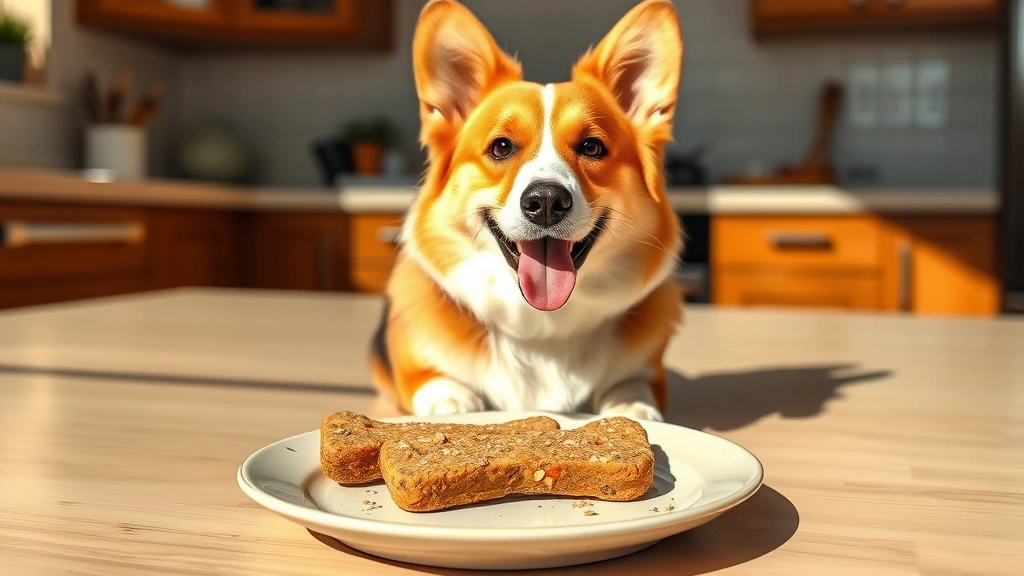
So your dog can’t have regular carrot cake—but that doesn’t mean you can’t create dog-friendly treats featuring carrots! With some simple modifications, you can make carrot-based treats that are actually healthy for your furry friend.
Dog-Safe Carrot Cake Recipe
Here’s a basic recipe that keeps your pup’s health in mind:
- 2 cups grated carrots (raw or lightly steamed)
- 1 cup whole wheat flour (or oat flour for grain-free)
- 2 eggs (unsalted)
- ¼ cup unsweetened applesauce (natural sweetness)
- 1 tablespoon peanut butter (xylitol-free)
- ½ teaspoon cinnamon (optional)
- ½ teaspoon baking powder
Mix ingredients, bake at 350°F for 20-25 minutes in a small loaf pan, and allow to cool completely. This recipe avoids refined sugar, excess fat, and toxic ingredients while maintaining the carrot goodness dogs can enjoy.
Store-Bought Alternatives
If baking isn’t your style, consider these dog-safe options:
- Plain carrot sticks or baby carrots
- Frozen carrots (great for teething puppies)
- Dog treat brands specifically formulated with carrots
- Carrot and pumpkin treats from reputable pet companies
- Homemade carrot and sweet potato chews
Many pet stores now offer grain-free and sugar-free carrot treats designed specifically for canine nutrition. Check the ingredient list to ensure they don’t contain xylitol or other harmful additives.
Portion Control and Feeding Guidelines
Even healthy dog treats need to follow the 10% rule: treats should make up no more than 10% of your dog’s daily caloric intake. For most dogs, this translates to about one or two carrot sticks per day, depending on their size and activity level.
Size-Based Guidelines:
- Small dogs (under 10 lbs): One baby carrot or small carrot piece daily
- Medium dogs (10-50 lbs): One medium carrot stick or two baby carrots daily
- Large dogs (50+ lbs): One full-sized carrot or multiple carrot pieces daily
Remember, what to feed a dog with diarrhea requires special consideration, and even healthy foods like carrots should be introduced gradually to avoid digestive upset. If your dog has a sensitive stomach, start with small carrot portions and monitor their response.
Puppies, senior dogs, and dogs with health conditions should follow more conservative portions. When in doubt, consult your veterinarian about appropriate treat sizes for your individual dog.
Health Impacts and Digestive Concerns
Understanding how carrot cake affects your dog’s body is crucial for making informed decisions about what to share.
Digestive System Impact
Dogs have shorter digestive systems than humans, designed primarily for protein digestion. The high sugar and refined flour content in traditional carrot cake can cause digestive upset, including diarrhea, vomiting, and general gastrointestinal distress. The fatty components can trigger pancreatitis, particularly in breeds prone to this condition like Schnauzers, Cocker Spaniels, and Dachshunds.
Weight Management Concerns
A single slice of carrot cake can contain 300-500 calories—potentially 20-30% of a small dog’s daily caloric needs. Regular consumption of high-calorie treats contributes significantly to obesity, which leads to joint problems, diabetes, heart disease, and shortened lifespan. According to the Ontario Veterinary College, obesity affects approximately 56% of dogs in North America.
Dental Health
The sugar in carrot cake promotes bacterial growth in your dog’s mouth, leading to plaque buildup, gum disease, and tooth decay. Dogs already have a higher risk of dental disease than humans, and sugary foods accelerate these problems significantly.
Blood Sugar Regulation
Dogs with diabetes or pre-diabetic conditions should absolutely avoid carrot cake. The refined sugar causes rapid blood glucose spikes, making disease management difficult and potentially dangerous.
Frequently Asked Questions
Can I give my dog a small piece of carrot cake as an occasional treat?
While a tiny piece occasionally won’t cause immediate harm to a healthy dog, it’s not recommended. The sugar, fat, and processed flour content offer no nutritional benefit and only increase health risks. There are so many better treat options that your dog will enjoy just as much without the downsides.
What should I do if my dog accidentally ate carrot cake?
Stay calm. A single slice of regular carrot cake (without xylitol, raisins, or macadamia nuts) likely won’t cause serious problems, though your dog might experience digestive upset. Monitor for vomiting, diarrhea, lethargy, or loss of appetite over the next 24-48 hours. If your dog ate carrot cake containing xylitol or toxic ingredients, contact your veterinarian or poison control immediately. The Pet Poison Helpline is available 24/7 at (855) 764-7661.
Are carrot cake dog treats from pet stores safe?
Many commercial dog treats labeled as carrot cake are actually much healthier than human versions, as they’re formulated without xylitol and excess sugar. However, always read the ingredient list carefully. Look for treats with whole food ingredients and no artificial sweeteners. When in doubt, choose plain carrots instead.
Can puppies have carrot cake?
Puppies should avoid carrot cake entirely. Their developing digestive systems are even more sensitive to rich foods, and their caloric needs are different from adult dogs. Stick to age-appropriate puppy treats and plain carrots instead.
What are the best carrot-based treats for dogs?
Plain raw or cooked carrots are the gold standard. You can also offer frozen carrot pieces, carrot and pumpkin treats, or homemade carrot biscuits made with dog-safe ingredients. These options provide the nutritional benefits of carrots without the problematic ingredients in cake.
Is carrot cake frosting safe for dogs?
Absolutely not. Cream cheese frosting is high in fat and calories, and many frosting recipes contain xylitol or other artificial sweeteners. The frosting alone poses more risk than the cake itself, so always remove it if your dog accidentally gets into carrot cake.
How much carrot cake would be toxic to my dog?
The toxicity depends entirely on the recipe and ingredients. If the carrot cake contains xylitol, even a few bites could be dangerous. If it contains raisins or macadamia nuts, toxicity can occur with relatively small amounts. For a regular carrot cake without these toxic ingredients, a single slice probably won’t cause severe illness but will contribute to digestive upset and other health issues.





