
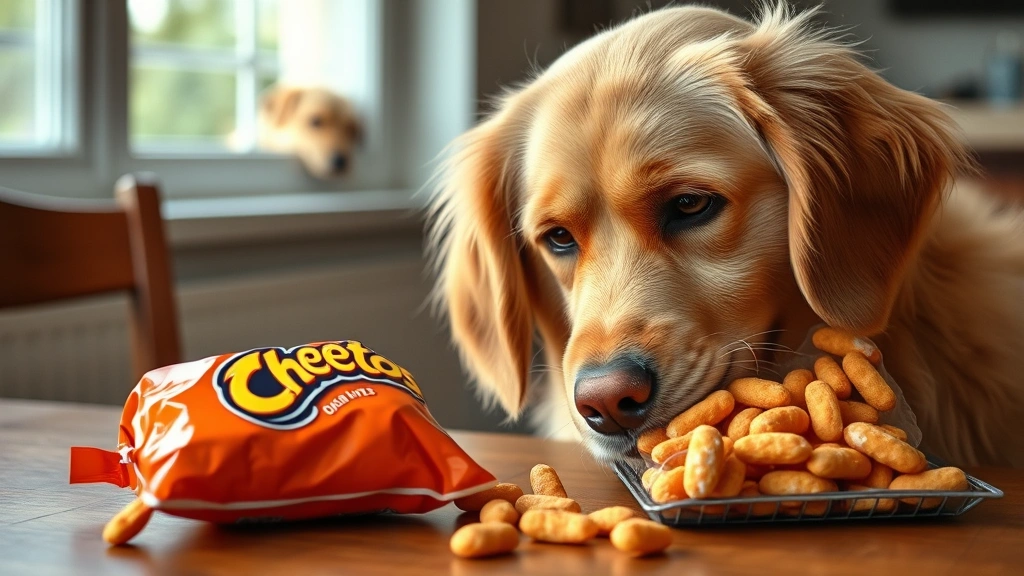
Can Dogs Have Cheetos? Expert Guide to Snack Safety
Picture this: you’re lounging on the couch with a bag of Cheetos, and your furry best friend gives you those irresistible puppy-dog eyes. Before you share a handful, pump the brakes! While it might seem harmless to toss your pup a cheesy puff or two, the reality is far more complicated than a simple yes or no answer. Understanding what goes into those orange, crunchy snacks and how they affect your dog’s health is essential for responsible pet ownership.
As a devoted dog parent, you want to give your canine companion everything—including treats that make their tail wag. However, not all human foods are created equal when it comes to canine nutrition. Cheetos, despite their delicious appeal, present several concerns that veterinarians consistently warn about. From excessive sodium content to potential choking hazards, these puffy snacks are far from ideal for your four-legged friend.
In this comprehensive guide, we’ll break down exactly why Cheetos aren’t the best choice for dogs, what happens if your pup accidentally sneaks a few, and what safer alternatives you can offer instead. Let’s dive into the cheesy details!
The Direct Answer: Can Dogs Have Cheetos?
No, dogs should not have Cheetos. While a single Cheeto won’t typically cause immediate harm, these snacks offer absolutely no nutritional benefit to your dog and present multiple health risks. The occasional accidental exposure won’t necessarily result in a veterinary emergency, but intentionally feeding Cheetos to your dog is not recommended by veterinarians or canine nutritionists.
The issue isn’t just about one ingredient—it’s the perfect storm of problematic components working together. Cheetos are high in fat, sodium, and artificial additives while being completely devoid of the nutrients dogs actually need. Think of it this way: feeding your dog Cheetos is like giving them empty calories wrapped in potential health hazards.
If you’re wondering about other similar snacks, you might also want to explore whether dogs can eat chips in general, or if you’re curious about specific cheese-flavored alternatives like Cheez-Its for dogs. The answers follow similar patterns of caution.
Why Cheetos Are Problematic for Dogs
Understanding the specific dangers of Cheetos helps you make informed decisions about your dog’s diet. Unlike some foods that pose singular risks, Cheetos combine multiple concerning factors that compound the problem.
Excessive Sodium Content
One of the most significant concerns with Cheetos is their astronomical sodium content. A single ounce of Cheetos contains roughly 250-300mg of sodium, which is far more than most dogs need in an entire day. According to the Association of American Feed Control Officials (AAFCO), adult dogs require only about 0.3% sodium in their diet, which translates to minimal amounts daily.
Excessive sodium intake in dogs can lead to:
- Increased thirst and urination
- Hypertension (high blood pressure)
- Sodium ion poisoning in severe cases
- Exacerbation of existing heart conditions
- Kidney stress and complications
High Fat Content
Cheetos are deep-fried puffs loaded with fat—typically around 10 grams of fat per ounce. While dogs do need some dietary fat for healthy skin and coat, the amount in Cheetos far exceeds what’s beneficial. High-fat treats can trigger pancreatitis, a painful inflammation of the pancreas that requires immediate veterinary attention.
Artificial Additives and Preservatives
The bright orange color and long shelf life of Cheetos come courtesy of artificial dyes and preservatives. Ingredients like Yellow 6, Red 40, and various chemical preservatives aren’t designed for canine consumption and can cause digestive upset or allergic reactions in sensitive dogs.
Breaking Down the Ingredients
Let’s examine what’s actually in a bag of Cheetos and why each component matters for your dog’s health.
Enriched Corn Meal
While corn itself isn’t toxic to dogs, enriched corn meal in Cheetos is heavily processed and offers minimal nutritional value. Dogs are omnivores and can digest corn, but it’s not an ideal carbohydrate source for them. If you’re interested in corn-based treats, learn more about whether dogs can eat corn chips for a detailed comparison.
Vegetable Oil
The primary fat source in Cheetos, vegetable oil is heavily processed and oxidized through deep frying. This creates trans fats and oxidized lipids that are particularly problematic for dogs’ cardiovascular and digestive systems. Regular consumption of these types of fats can contribute to obesity and pancreatitis.
Cheese Seasoning
This is where things get tricky. “Cheese seasoning” is a proprietary blend that typically includes whey, salt, milk fat, milk proteins, and various flavorings. Some dogs have sensitivities to dairy products, and the high salt content here is particularly concerning. The seasoning also usually contains MSG (monosodium glutamate) or its derivatives, which some research suggests may cause adverse reactions in pets.
Artificial Colors
The vibrant orange color comes from artificial dyes. While the FDA considers these safe for human consumption, dogs process chemicals differently than humans. Some veterinarians recommend avoiding artificial dyes in pet food and treats whenever possible.
What If Your Dog Eats Cheetos?
Don’t panic if your dog manages to snag a Cheeto or two from the coffee table. A small amount is unlikely to cause serious harm, but you should monitor your pup carefully for the next 24-48 hours.
Immediate Signs to Watch For
- Vomiting or gagging
- Diarrhea or changes in stool consistency
- Excessive drooling
- Loss of appetite
- Lethargy or unusual behavior
- Excessive thirst and urination
- Excessive panting
When to Call the Vet
Contact your veterinarian if your dog experiences any of the above symptoms, particularly if they consumed a large quantity of Cheetos or if your dog has a history of pancreatitis, heart disease, or kidney issues. If your dog is choking or having difficulty breathing, seek emergency veterinary care immediately.
What Your Vet Might Recommend
In most cases of accidental small ingestion, your vet will recommend monitoring your dog at home. Provide plenty of fresh water and consider offering bland food like boiled chicken and rice for a day or two. If your dog ate a large quantity or shows signs of distress, your vet may recommend bringing your pup in for an examination to rule out pancreatitis or other complications.
Special Concerns With Spicy Varieties
If regular Cheetos are problematic, spicy varieties are even worse. Hot Cheetos and other spicy snacks contain additional capsaicin from chili peppers, which can cause:
- Gastrointestinal irritation and inflammation
- Stomach pain and cramping
- Diarrhea and vomiting
- Potential ulceration of the digestive tract
- Mouth and throat irritation
Dogs lack the same capsaicin tolerance that humans have developed, making spicy foods particularly problematic for their sensitive digestive systems. According to the ASPCA, spicy foods should be completely avoided in canine diets.
Healthy Treat Alternatives
The good news? There are plenty of delicious, nutritious treats your dog will love that won’t compromise their health. Here are some excellent alternatives to Cheetos:
Whole Food Treats
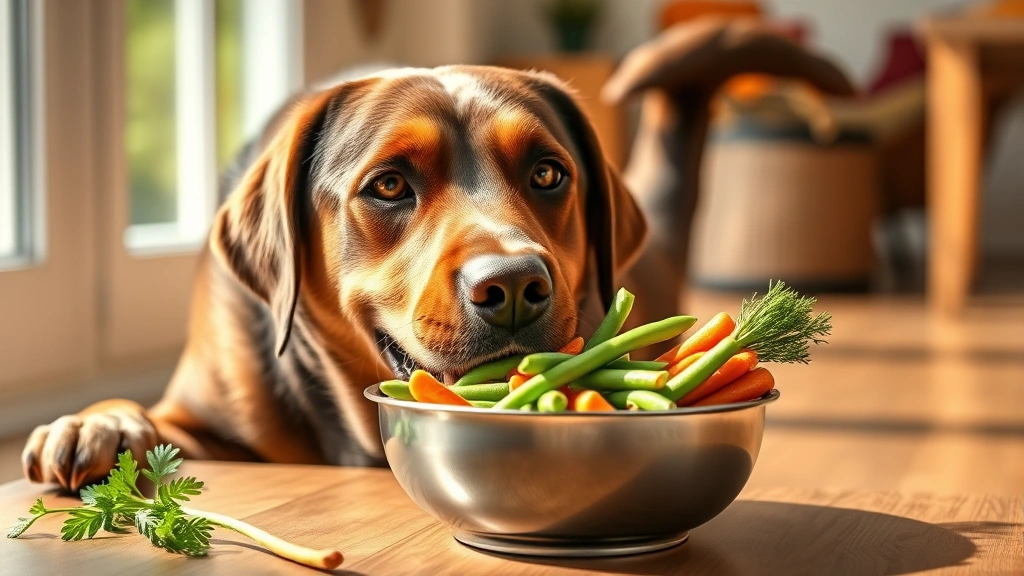
- Carrots: Low-calorie, crunchy, and great for dental health
- Green beans: Packed with vitamins and minerals
- Apple slices: Remove seeds first; excellent source of fiber and vitamins
- Plain pumpkin: Supports digestive health
- Watermelon: Hydrating and refreshing on warm days
Protein-Based Treats
- Unsalted, unseasoned chicken breast
- Plain turkey pieces
- Salmon (omega-3 rich)
- Plain, cooked eggs
- Natural peanut butter (xylitol-free)
Commercial Dog Treats
Look for treats with:
- Minimal ingredients you can recognize
- No artificial colors or flavors
- Low sodium content
- Appropriate calorie levels for your dog’s size
- AAFCO certification
When choosing any treat, remember that treats should comprise no more than 10% of your dog’s daily caloric intake. The remaining 90% should come from a balanced, complete dog food recommended by your veterinarian.
Frequently Asked Questions
Can puppies have Cheetos?
Absolutely not. Puppies are even more susceptible to the harmful effects of high sodium and high-fat foods than adult dogs. Their developing digestive systems and organs are particularly vulnerable to the additives and excessive nutrients in Cheetos. Stick to puppy-specific treats and foods formulated for their nutritional needs.
What about Cheetos puffs versus crunchy Cheetos?
Both varieties are problematic for dogs. While puffs might be slightly less of a choking hazard due to their softer texture, they contain the same problematic ingredients and sodium levels as crunchy varieties. Neither should be intentionally given to your dog.
Is there a “safe” amount of Cheetos for dogs?
There’s no truly safe amount of Cheetos for dogs. Even small quantities provide no nutritional benefit and introduce unnecessary sodium and fat. If your dog accidentally eats one or two, they’ll likely be fine, but this shouldn’t be considered an acceptable treat amount.
Can dogs develop an addiction to Cheetos?
Dogs can develop preferences for certain foods, and the combination of salt, fat, and artificial flavoring in Cheetos is designed to be highly palatable. If you regularly give your dog Cheetos, they may come to expect them, making it harder to maintain a healthy diet. It’s best not to start this habit in the first place.
Are there any dogs that can safely eat Cheetos?
No. While some dogs might tolerate small amounts better than others, no dog should be fed Cheetos intentionally. Dogs with existing health conditions—particularly heart disease, kidney issues, or pancreatitis—are at significantly higher risk of complications.
What should I do if my dog regularly eats Cheetos?
If your dog has been consuming Cheetos regularly, consult your veterinarian. They may recommend bloodwork to check for pancreatitis, kidney function, and electrolyte balance. Your vet can also help you transition your dog away from these snacks and develop a healthier treat strategy. If you’re concerned about hydration after high-sodium treats, you might also explore what dogs can drink besides water.
How can I keep my dog from eating Cheetos?
The best approach is prevention. Store Cheetos and other human snacks in secure cabinets or high shelves. Never leave snack bags unattended on tables or couches. Train your dog with a solid “leave it” command. When you’re eating snacks, keep your pup in another room or provide them with their own appropriate treat to enjoy simultaneously.
Are there cheese-flavored dog treats I can give instead?
Yes! Many dog-specific cheese treats are formulated with appropriate sodium levels and nutritional balance. Look for treats made with real cheese rather than artificial flavoring. You can also make homemade cheese treats using dog-safe recipes. Always check the ingredient list and calorie content to ensure they fit within your dog’s daily dietary needs.
Remember, your dog doesn’t need Cheetos to be happy—they just need your love, attention, and appropriate nutrition. By choosing healthier alternatives, you’re investing in your furry friend’s long-term health and wellbeing. For more information about canine nutrition and food safety, consult with your veterinarian or check resources from the American Kennel Club (AKC) and American Veterinary Medical Association (AVMA).





