
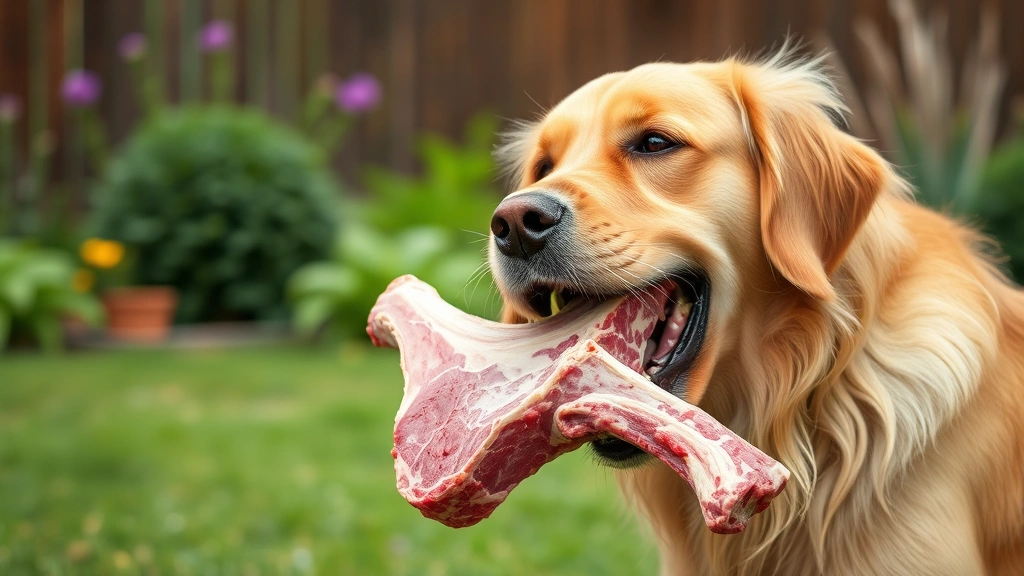
Can Dogs Eat Cooked Bones? Vet Advice on Safety & Best Practices
The question of whether our furry friends can safely munch on cooked bones is one that has sparked countless debates at dinner tables and dog parks alike. As a devoted pet parent, you’ve probably wondered if it’s safe to toss your pup that leftover chicken bone from last night’s dinner. The short answer? It’s complicated, and the stakes are higher than you might think. Cooked bones present unique risks that differ significantly from their raw counterparts, and understanding these dangers is crucial for keeping your beloved companion healthy and happy.
When bones are cooked, they undergo a transformation that makes them fundamentally different—and potentially more hazardous—than raw bones. The heat causes bones to become brittle and prone to splintering, which can lead to serious health complications ranging from mouth injuries to life-threatening intestinal blockages. In this comprehensive guide, we’ll explore everything you need to know about cooked bones and your dog’s diet, backed by veterinary expertise and practical advice to keep your pup safe.
Why Cooked Bones Are Dangerous for Dogs
Understanding the dangers of cooked bones starts with knowing what happens to bone structure during the cooking process. When heat is applied to bones—whether through boiling, roasting, grilling, or any other cooking method—the proteins in the bone denature and the bone loses moisture. This transformation makes bones significantly more brittle and fragile than they naturally are. Unlike raw bones that bend and flex slightly, cooked bones become rigid and prone to breaking into sharp, dangerous fragments.
The risk becomes even more serious when you consider your dog’s natural instinct to gnaw and swallow bones quickly without much deliberation. Dogs don’t chew the way humans do; they’re more likely to bite down hard and attempt to swallow larger pieces. When a cooked bone splinters, those sharp fragments can cause immediate damage to the mouth, throat, and digestive tract. According to the American Kennel Club, cooked bones represent one of the most common causes of veterinary emergencies related to dietary indiscretions in dogs.
Your dog’s digestive system, while remarkably efficient at breaking down many things, isn’t designed to handle the sharp, jagged edges of splintered cooked bones. Even if your pup manages to swallow the fragments without immediate injury, the danger doesn’t end there—it’s only just beginning its journey through the digestive tract.
Health Risks and Complications
The potential complications from cooked bones can range from minor to life-threatening. Let’s break down the specific health risks your dog faces when exposed to cooked bones:
- Mouth and Throat Lacerations: Sharp bone fragments can cut the gums, tongue, and throat tissue, causing bleeding and pain. These injuries may seem minor but can become infected if not properly treated.
- Esophageal Obstruction: Larger bone pieces can lodge in the esophagus, preventing food and water from passing through. This requires immediate veterinary intervention.
- Gastric Impaction: Bone fragments can accumulate in the stomach, creating a blockage that prevents normal digestive function. This is incredibly painful and dangerous.
- Intestinal Perforation: Sharp bone splinters can puncture the intestinal walls, leading to peritonitis (abdominal infection) and potentially fatal sepsis.
- Rectal Bleeding: Bones passing through the entire digestive tract can cause bleeding in the colon and rectum, resulting in bloody stools.
- Pancreatitis: The high fat content in many cooked bones can trigger inflammation of the pancreas, causing severe abdominal pain and vomiting.
The ASPCA receives thousands of calls annually about dogs who’ve ingested inappropriate food items, with cooked bones being among the most common culprits. Many of these cases require emergency surgery, which can cost thousands of dollars and put your beloved pet through significant trauma.
Perhaps most concerning is that symptoms of bone-related complications don’t always appear immediately. Your dog might seem fine for hours or even days after consuming cooked bones, only to develop serious symptoms later. This delayed presentation makes prevention absolutely critical.
Safe Bone Alternatives for Your Dog
The good news is that there are plenty of safe alternatives that satisfy your dog’s natural desire to chew without the associated risks. If you’re wondering whether your pup should be getting bones at all, the answer depends on the type and how they’re prepared.
When it comes to bones for dogs, raw options are generally considered safer than cooked varieties. Many veterinarians and nutritionists support the controlled use of raw meaty bones as part of a balanced diet, though this should be discussed with your vet first. Raw bones retain their flexibility and are less likely to splinter dangerously. However, raw bones come with their own considerations, including potential bacterial contamination and the need for careful handling.
If you want to give your dog something to chew on, consider these safer alternatives:
- Raw Meaty Bones: Larger raw bones with meat attached can be safer than cooked ones, though they require supervision and proper handling. Always source from reputable suppliers.
- Dental Chews: Specially formulated chews designed to clean teeth while being digestible provide mental stimulation without the splintering danger.
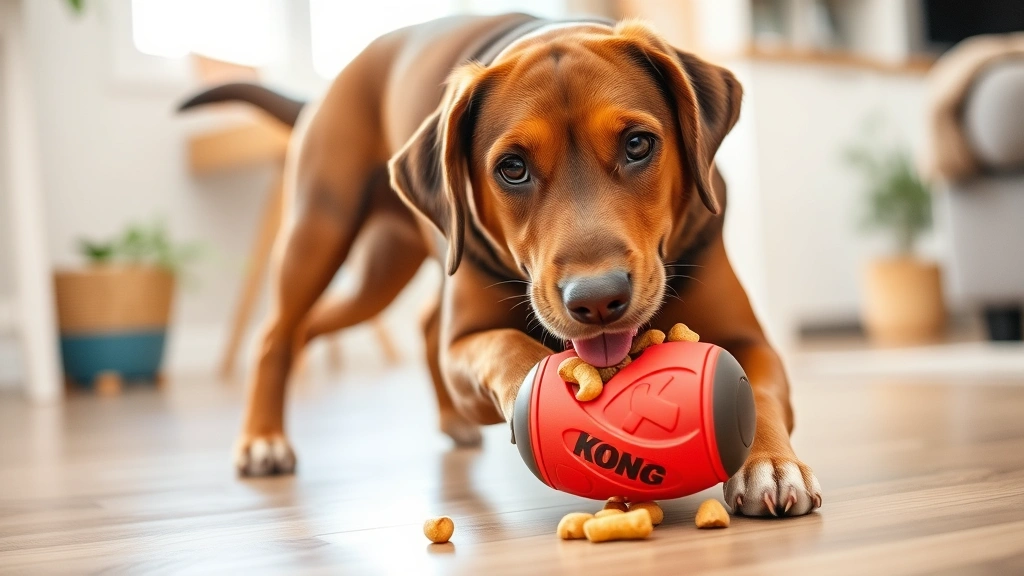
- Rubber Chew Toys: Durable rubber toys like Kongs can be filled with treats or frozen broth for extended chewing enjoyment.
- Yak Cheese Chews: These long-lasting chews are digestible and provide hours of entertainment without sharp fragments.
- Bully Sticks: Made from dried beef muscle, these are fully digestible and provide a safe chewing outlet.
- Antlers: While harder than bones, deer or elk antlers are less likely to splinter and can last a long time. Monitor for worn teeth.
Raw Bones vs. Cooked Bones: The Key Differences
To fully understand why cooked bones are problematic while raw options might be acceptable in moderation, let’s examine the fundamental differences between them.
Raw bones maintain their structural integrity and flexibility. When your dog chews on a raw bone, it bends slightly under pressure rather than breaking into sharp fragments. The outer layer remains relatively intact, and even if pieces break off, they tend to be larger chunks that are less likely to cause lacerations. Additionally, raw bones are softer and easier for your dog’s digestive system to process if swallowed.
Cooked bones, by contrast, become rigid and brittle. The cooking process removes moisture and causes the bone structure to become compromised. This makes them far more likely to shatter into dangerous splinters when your dog bites down. The heat also seals the outer surface, making the bone less palatable but no less dangerous—in fact, the sealed surface can trap bacteria if the bone isn’t consumed immediately.
It’s important to note that chicken bones specifically deserve special mention. Chicken bones are naturally thinner and more fragile than beef or pork bones, making them particularly hazardous whether raw or cooked. Many veterinarians advise against giving dogs any chicken bones due to the increased risk of splintering and perforation.
The American Veterinary Medical Association recommends that if you choose to feed your dog bones, they should be raw, large enough that your dog cannot swallow them whole, and given under supervision. Cooked bones don’t meet any of these criteria and should be avoided entirely.
When considering whether dogs should eat chicken bones, the consensus among veterinary professionals is clear: the risks far outweigh any potential benefits. The same caution applies to other cooked poultry bones.
What to Do If Your Dog Ate Cooked Bones
Despite your best efforts to prevent it, sometimes dogs find and consume cooked bones anyway. Whether it’s a piece that fell on the floor, something they scavenged from the trash, or a well-meaning family member who didn’t know better, knowing how to respond is crucial.
Immediate Steps:
- Stay calm and don’t panic—panic can transfer to your dog and make the situation worse.
- Note the approximate size of the bone and when it was consumed. This information will be valuable for your veterinarian.
- Monitor your dog closely for any signs of distress over the next 24-48 hours.
- Contact your veterinarian immediately if your dog shows any concerning symptoms.
Warning Signs to Watch For:
- Vomiting or retching
- Loss of appetite or refusing to eat
- Abdominal pain (restlessness, whining, or assuming a prayer position)
- Constipation or straining to defecate
- Diarrhea or bloody stools
- Lethargy or unusual behavior
- Drooling excessively
- Difficulty swallowing
Don’t induce vomiting without veterinary guidance, as this can sometimes cause more harm than good, especially if the bone has already passed into the stomach or intestines. Your veterinarian may recommend an X-ray or ultrasound to determine if the bone poses an immediate threat.
If your dog is experiencing gastrointestinal distress after consuming cooked bones, you might also want to learn about what to feed a dog with diarrhea, as dietary adjustments may be necessary during recovery.
In some cases, veterinarians may recommend a bland diet of boiled chicken (boneless!) and rice to help your dog’s digestive system process the bone fragments safely. However, this should only be done under veterinary supervision.
For other cooked bone varieties, similar precautions apply. Whether your dog consumed ham bones or pork chop bones, the risks and monitoring procedures are essentially the same. The size and type of bone may affect the severity of potential complications, but cooked bones of any kind warrant careful observation.
Frequently Asked Questions
Are cooked bones ever safe for dogs?
No, cooked bones are never truly safe for dogs. While some dogs may consume small amounts without experiencing immediate problems, the risk of serious complications is significant enough that veterinarians universally recommend avoiding them entirely. The potential for splintering, intestinal blockage, and perforation makes cooked bones a hazard that’s simply not worth the risk.
What about bones from dog food products?
Commercial dog food products that contain bone meal or bone broth have been specially processed to remove any splintering hazards. These products are safe because they’ve undergone treatment to break down the bone structure into safe, digestible components. However, whole cooked bones found in your kitchen are not equivalent to these processed products.
Can my dog digest cooked bones if swallowed?
While your dog’s stomach acid is stronger than a human’s, it’s not strong enough to safely digest cooked bone fragments. The sharp edges won’t soften significantly as they pass through the digestive tract, maintaining their potential to cause injury throughout the entire journey.
Is there a difference between different types of cooked bones?
While larger bones (like beef bones) might pose slightly less risk than smaller ones (like chicken bones), all cooked bones carry significant danger. Beef bones are less likely to splinter into tiny fragments, but they can still break into dangerously sharp pieces. Chicken bones are particularly hazardous due to their naturally thin structure.
What should I do with leftover bones from my meals?
The safest approach is to dispose of cooked bones in a secure trash can that your dog cannot access. If you’re interested in giving your dog bones, discuss raw bone options with your veterinarian and source them from reputable suppliers. Never leave cooked bones where your dog might find them, even for a moment.
Can puppies eat cooked bones?
Absolutely not. Puppies are even more vulnerable to the dangers of cooked bones than adult dogs. Their digestive systems are still developing, and they’re more likely to swallow food without proper chewing. Additionally, puppies are naturally curious and may consume larger pieces out of inexperience.
Are smoked or barbecued bones safer than boiled ones?
No. The cooking method doesn’t matter—whether bones are boiled, roasted, grilled, smoked, or prepared any other way, the end result is the same: brittle, splintering hazards. The heat from any cooking process creates the same dangerous structural changes.





