
Can Dogs Eat Granny Smith Apples? Safe or Not?
Picture this: you’re enjoying a crisp Granny Smith apple, and your furry best friend gives you those irresistible puppy-dog eyes. Before you share a slice, you’re probably wondering whether those tart, green apples are actually safe for your canine companion. The good news? Yes, dogs can enjoy Granny Smith apples—but there are some important guidelines you’ll want to follow to keep your pup happy and healthy.
Granny Smith apples are a popular choice for health-conscious humans, packed with fiber, vitamin C, and antioxidants. But what about our four-legged friends? While apples can be a nutritious treat for dogs, not all parts of the apple are safe, and moderation is absolutely key. In this comprehensive guide, we’ll break down everything you need to know about feeding your dog Granny Smith apples, potential risks, and how to serve them safely.
Whether you’re a first-time dog owner or a seasoned pet parent, understanding what fruits your dog can safely consume is crucial for their long-term health and wellbeing. Let’s dive into the details!
Are Granny Smith Apples Safe for Dogs?
The straightforward answer is yes—Granny Smith apples are generally safe for dogs when prepared correctly and given in appropriate amounts. Unlike some fruits that are toxic to dogs, such as grapes and raisins, apples are non-toxic and can make a refreshing, healthy treat. However, safety depends entirely on how you prepare them and how much you give.
According to the American Kennel Club (AKC), apples are indeed safe for dogs and can be included in their diet. The key is removing the seeds and core, which we’ll discuss in detail later. Granny Smith apples specifically are an excellent choice because they’re less sweet than many other apple varieties, making them ideal for dogs that need to watch their sugar intake.
The tartness of Granny Smith apples also makes them less likely to cause dental issues compared to sweeter varieties. Many veterinarians recommend them as occasional treats, particularly for dogs that enjoy crunchy textures.
Nutritional Benefits of Apples for Dogs
When you give your dog apples, you’re offering more than just a tasty snack. Granny Smith apples contain several nutrients that can benefit your dog’s health:
- Vitamin C: Supports immune system function and acts as an antioxidant
- Fiber: Aids digestive health and promotes regular bowel movements
- Potassium: Essential for heart health and muscle function
- Antioxidants: Help combat free radicals and may reduce inflammation
- Low Calorie: A medium Granny Smith apple contains only about 95 calories, making it perfect for weight-conscious pups
The flesh of the apple is where most of these beneficial nutrients reside. This is why it’s important to preserve as much of the edible portion as possible while removing only the potentially harmful parts. For dogs dealing with weight management issues, apples can be an excellent low-calorie alternative to traditional treats.
According to research published through the ASPCA, the fiber content in apples can be particularly beneficial for dogs with digestive concerns. However, moderation remains crucial, as too much fiber can actually cause digestive upset in some dogs.
The Dangerous Parts: What to Avoid
While the flesh of Granny Smith apples is safe, certain parts pose real risks to your dog’s health. This is where many well-meaning pet owners make mistakes, so pay close attention:
Apple Seeds and Cyanide
The most critical concern involves apple cores and seeds, which contain amygdalin, a compound that breaks down into cyanide when digested. Now, before you panic, it’s important to understand that the amount of cyanide from a few apple seeds is generally not enough to cause serious harm. However, consuming large quantities of seeds could potentially be toxic.
A typical apple contains about 5-8 seeds. For a medium to large dog, consuming a few seeds wouldn’t likely cause problems. However, small dogs or puppies should be kept away from apple seeds entirely, as their smaller body weight means toxins have a more concentrated effect.
The Apple Skin
While the skin itself isn’t toxic, it can be difficult for some dogs to digest, particularly smaller breeds or senior dogs with dental issues. The skin is also where most pesticides concentrate, so always wash apples thoroughly before serving, or consider peeling them for extra safety.
The Stem
Apple stems can be a choking hazard and are difficult to digest. Always remove the entire stem before giving any apple pieces to your dog.

How to Safely Serve Granny Smith Apples
Serving apples safely to your dog requires a few simple steps. Follow this preparation protocol to ensure your pup enjoys their apple treat without any risk:
- Wash thoroughly: Rinse the apple under running water to remove dirt and pesticide residue
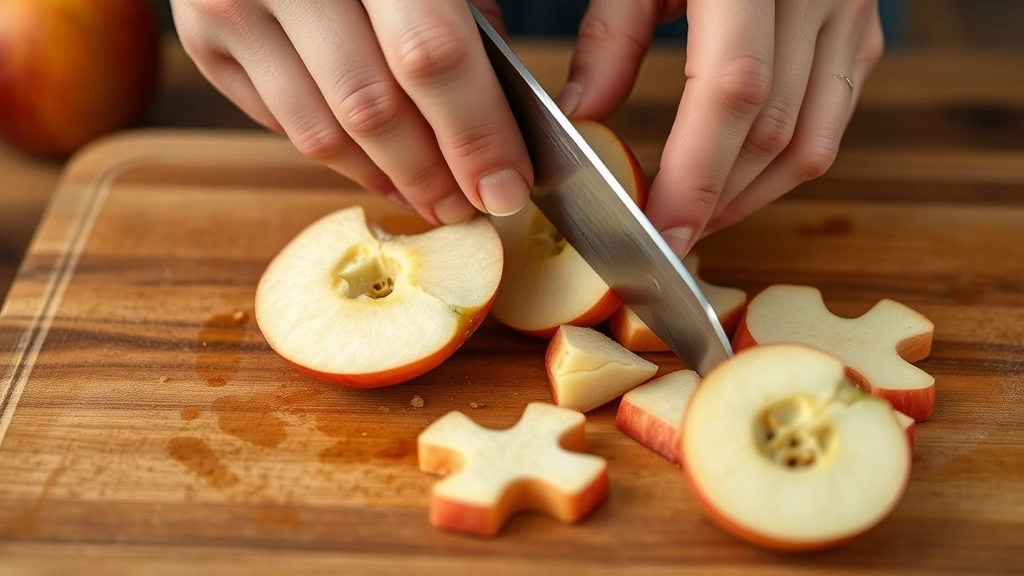
- Remove the core: Cut the apple in half lengthwise and scoop out the core with a knife or spoon
- Remove all seeds: Double-check that no seeds remain in the apple flesh
- Remove the stem: Cut away the stem and any woody parts
- Cut into appropriate sizes: Slice the apple into bite-sized pieces that are appropriate for your dog’s size. Smaller dogs need smaller pieces to prevent choking
- Serve fresh: Give the apple immediately after preparation, or store prepared pieces in an airtight container in the refrigerator for up to 24 hours
Many dog owners find that frozen apple pieces make an excellent summertime treat, especially for dogs that enjoy chewing. Freezing can also help slow down consumption, making the treat last longer. Just ensure pieces are small enough that they won’t pose a choking hazard.
Recommended Portion Sizes
The amount of apple your dog can safely eat depends on several factors, including their size, age, and overall diet. Here’s a general guideline:
- Small dogs (under 25 lbs): 1-2 thin slices or about 1/4 of a small apple per serving
- Medium dogs (25-50 lbs): 3-4 slices or about 1/2 of a medium apple per serving
- Large dogs (over 50 lbs): Up to 1 whole medium apple, sliced appropriately
Remember that treats should never comprise more than 10% of your dog’s daily caloric intake. If you’re giving your dog an apple, you may need to reduce their regular treat portions to maintain a balanced diet. This is especially important for dogs watching their weight or those with specific dietary restrictions.
Frequency matters too. Apples should be an occasional treat—perhaps a few times per week—rather than a daily snack. This helps prevent digestive issues and ensures your dog maintains a well-rounded diet of quality commercial dog food or home-prepared meals approved by your veterinarian.
Preparation Tips and Recipes
Looking for creative ways to serve apples to your dog? Here are some simple, dog-friendly apple recipes:
Frozen Apple Chunks
Cut peeled, seeded apples into bite-sized chunks and freeze on a baking sheet. Once frozen solid, transfer to a freezer bag. These make excellent hot-weather treats and help with teething in puppies.
Apple and Peanut Butter Bites
Mix finely diced apple pieces with a small amount of unsweetened peanut butter (xylitol-free is critical). Form into small balls and freeze. These combine the benefits of apples with healthy fats from peanut butter.
Applesauce Option
If your dog prefers softer foods, consider giving them unsweetened applesauce. Make sure it contains no added sugars, spices, or preservatives. Plain applesauce offers similar nutritional benefits with an easier-to-digest consistency.
Apple and Carrot Mix
Combine diced apples with dog-safe carrots for a crunchy, nutritious snack. Both vegetables are safe for dogs and offer complementary health benefits.
For more information about what other fruits and vegetables are safe for dogs, consult our comprehensive guide.
Signs of Apple-Related Problems
While apple consumption is generally safe, watch for these signs that your dog may be experiencing an adverse reaction:
- Vomiting or diarrhea: Usually indicates digestive upset, possibly from too much fiber or apple skin
- Constipation: Can occur if your dog doesn’t drink enough water with their apple treat
- Lethargy: Unusual tiredness or lack of energy after apple consumption
- Loss of appetite: Refusing regular meals after eating apples
- Abdominal pain: Whining, restlessness, or reluctance to move normally
- Choking or difficulty swallowing: Immediate signs requiring veterinary attention
If you notice any of these symptoms, discontinue apple treats and contact your veterinarian. Most cases of mild digestive upset resolve on their own within 24 hours, but persistent symptoms warrant professional evaluation.
According to the Pet MD veterinary resource, dogs with certain health conditions may need to avoid apples altogether. These include dogs with diabetes (due to natural sugars), those with sensitive digestive systems, or dogs with specific allergies.
Healthy Apple Alternatives
If your dog doesn’t enjoy apples or you want to vary their treat options, several other dog-safe fruits and vegetables offer similar nutritional benefits:
- Blueberries: Packed with antioxidants and very low in calories
- Watermelon: Hydrating and refreshing, perfect for hot days (remove seeds)
- Bananas: Rich in potassium and vitamin B6 (offer in moderation due to sugar content)
- Pumpkin: Excellent for digestive health and very filling
- Green beans: Low-calorie, crunchy, and nutritious
- Sweet potatoes: Nutrient-dense and naturally sweet
You might also consider whether dogs can drink apple juice as an alternative, though whole apples are generally preferable due to their fiber content and lower sugar concentration.
Frequently Asked Questions
Can puppies eat Granny Smith apples?
Yes, puppies can eat Granny Smith apples, but with extra caution. Always remove seeds, cores, and stems completely. Start with very small pieces to ensure your puppy’s digestive system tolerates them well. Puppies have more sensitive digestive systems, so introduce apples gradually and in minimal quantities.
Can diabetic dogs eat Granny Smith apples?
Dogs with diabetes should have limited apple consumption due to natural sugar content. While Granny Smith apples are lower in sugar than other varieties, consult your veterinarian before including them in your diabetic dog’s diet. Your vet may recommend specific portion sizes or suggest alternatives.
Are green apples safer than red apples for dogs?
Granny Smith apples (green) are slightly preferable to red varieties because they contain less sugar, making them a better choice for weight management and diabetic dogs. However, red apple varieties are also safe for dogs when prepared properly. The same safety guidelines apply regardless of color.
What if my dog swallows an apple seed?
One or two apple seeds are unlikely to cause harm due to the small amount of cyanide present. However, monitor your dog for any signs of distress. If your dog consumed a large quantity of seeds or shows symptoms like vomiting, excessive drooling, or difficulty breathing, contact your veterinarian immediately.
Can dogs eat apple skin?
While apple skin isn’t toxic, it can be difficult to digest and may contain pesticide residue. For most dogs, removing the skin is advisable, particularly for smaller breeds or senior dogs. Always wash apples thoroughly if you leave the skin on.
How often can I give my dog apples?
Apples can be offered as an occasional treat, approximately 2-3 times per week. They shouldn’t be a daily snack, as this could lead to digestive issues or nutritional imbalances. Remember that treats should comprise no more than 10% of your dog’s daily caloric intake.
Can I give my dog dried apples?
Dried apples are technically safe but are highly concentrated in sugar and can be a choking hazard due to their sticky texture. Fresh apples are a better choice. If you do offer dried apples, ensure they contain no added sugars or preservatives, and give only tiny pieces in moderation.
What should I do if my dog ate an apple with seeds?
In most cases, one apple with seeds won’t cause serious harm. However, monitor your dog closely for the next 24-48 hours for any signs of illness. If your dog shows symptoms of poisoning or you’re concerned, contact your veterinarian or the ASPCA Animal Poison Control Center for guidance.
Are there any dog breeds that shouldn’t eat apples?
Most dog breeds can safely consume apples when properly prepared. However, brachycephalic breeds (flat-faced dogs like Bulldogs and Pugs) may have more difficulty chewing and digesting apple pieces. Senior dogs and those with dental problems may also need softer alternatives like applesauce.