

Can Dogs Have Kettle Corn? The Complete Safety Guide for Pet Owners
Picture this: you’re settling in for movie night, the aroma of fresh kettle corn fills your living room, and suddenly your furry best friend is giving you those irresistible puppy-dog eyes. It’s a moment every dog owner knows well. But before you share that sweet and salty snack with your pup, let’s talk about whether kettle corn is actually safe for dogs to eat.
Kettle corn sits in that tricky gray area of human foods—it’s not toxic, but it’s definitely not ideal for our canine companions either. The combination of corn, sugar, salt, and oil creates a snack that might seem harmless at first glance, but there are several important considerations you should know about before letting your dog indulge.
In this comprehensive guide, we’ll explore everything you need to know about kettle corn and dogs, from the ingredients to watch out for to safer alternatives your pup will absolutely love. Whether you’re a first-time dog owner or a seasoned pet parent, understanding what your dog can and cannot eat is crucial for their long-term health and happiness.
Can Dogs Eat Kettle Corn?
The short answer is: plain, air-popped kettle corn in very small quantities is technically safe for dogs, but it’s not recommended as a regular treat. Your dog’s digestive system is fundamentally different from yours, and what tastes delicious to you might cause digestive upset or other health issues for your furry friend.
Kettle corn itself isn’t inherently toxic to dogs the way chocolate or xylitol is. However, the ingredients commonly found in commercial kettle corn create concerns that every responsible dog owner should understand. Before you consider sharing any with your pup, it’s worth exploring what makes this snack potentially problematic.
If you’re wondering about whether dogs can eat popcorn in general, the answer is more nuanced than you might think. Plain, unseasoned popcorn can be given occasionally, but kettle corn’s added ingredients change the equation significantly.
Breaking Down the Ingredients
To understand whether kettle corn is safe for your dog, we need to examine each component of this popular snack. Let’s break it down ingredient by ingredient.
Corn: Plain corn kernels are actually safe for dogs and provide some nutritional value. Dogs can eat corn in moderation, and it contains fiber and some essential nutrients. However, popped corn is a different story—the heating and popping process, combined with other ingredients, changes the nutritional profile.
Sugar: This is where kettle corn becomes problematic. The sugar content in commercial kettle corn is significantly higher than you might realize. Dogs don’t need added sugars in their diet, and excessive sugar consumption can lead to weight gain, dental problems, and even diabetes in susceptible breeds.
Salt: Most kettle corn varieties contain considerable amounts of salt. While dogs need some sodium for proper bodily function, excessive salt intake can be dangerous. Understanding how much salt dogs can have is essential for making informed feeding decisions. Too much salt can lead to hypernatremia, a condition where sodium levels become dangerously high in the bloodstream.
Oil: The oil used to make kettle corn is typically high in fat. While dogs need some dietary fat, the amount in processed kettle corn is excessive and can contribute to pancreatitis, a serious and potentially life-threatening inflammation of the pancreas.
Health Risks and Concerns
Understanding the potential health consequences of feeding kettle corn to your dog helps you make better decisions about treats. Several specific risks warrant your attention.
Obesity and Weight Gain: Kettle corn is calorie-dense, and those calories add up quickly. According to the American Animal Hospital Association, obesity in dogs is linked to numerous health problems including joint disease, diabetes, and shortened lifespan. A single serving of kettle corn can represent 10-15% of a small dog’s daily caloric needs.
Dental Problems: The sugar in kettle corn sticks to your dog’s teeth and promotes bacterial growth, leading to cavities, gum disease, and tooth decay. Dogs don’t brush their teeth like we do, making them particularly vulnerable to sugar-related dental issues.
Pancreatitis: The high fat content in kettle corn can trigger pancreatitis, especially in breeds predisposed to this condition. Symptoms include vomiting, diarrhea, abdominal pain, and lethargy. This is a serious condition that requires immediate veterinary attention.
Sodium Ion Toxicity: Excessive salt consumption can lead to sodium ion toxicity, causing symptoms like vomiting, diarrhea, tremors, seizures, and in severe cases, coma or death. Dogs are more sensitive to salt than humans, so what seems like a small amount to us can be problematic for them.
Digestive Upset: The combination of ingredients in kettle corn can cause gastrointestinal distress. Many dogs experience bloating, gas, or diarrhea after consuming salty, sugary snacks they’re not accustomed to.
Portion Control and Frequency
If you’ve already given your dog kettle corn and they seem fine, don’t panic. One or two pieces of plain kettle corn won’t cause immediate harm to most healthy adult dogs. However, developing a habit of sharing this snack is where problems arise.
The 10% Rule: Treats should make up no more than 10% of your dog’s daily caloric intake. The remaining 90% should come from their regular, nutritionally balanced dog food. A typical serving of kettle corn can easily exceed this threshold, especially for smaller dogs.
Frequency Matters: Occasional, tiny amounts of plain kettle corn are different from regular consumption. If you’re going to give your dog any, it should be a rare exception, not part of their weekly routine. Consider it a once-in-a-while indulgence rather than a go-to treat option.
Size Considerations: A Chihuahua and a Great Dane have vastly different nutritional needs. What might be an acceptable treat for a large dog could represent a significant portion of a small dog’s daily intake. Always adjust portions based on your individual dog’s size and dietary needs.
When considering what dogs can have as treats, there are much better options available that provide actual nutritional value rather than empty calories.
Safer Snack Alternatives
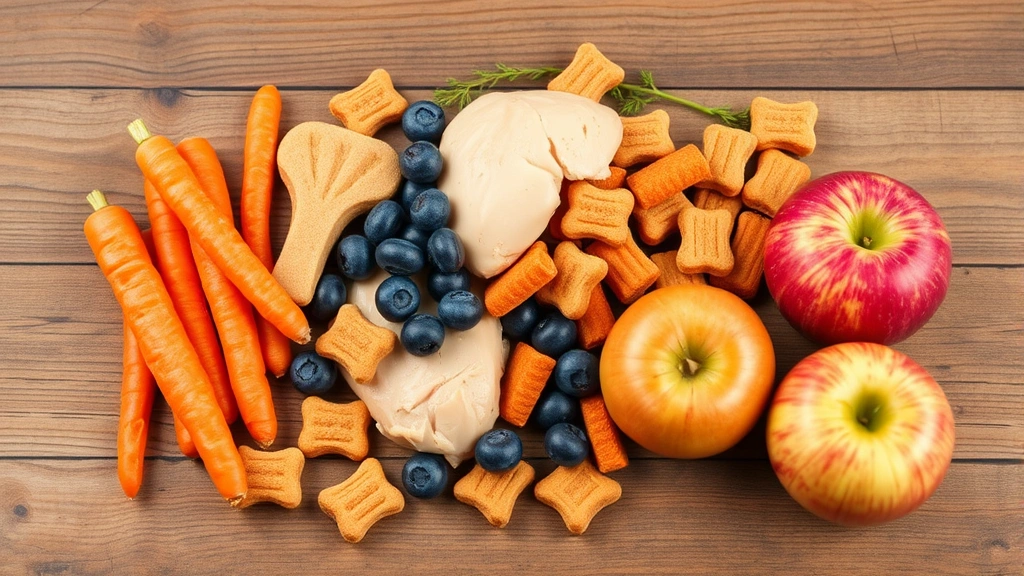
The good news is that there are plenty of delicious, dog-friendly snacks that satisfy your pup’s desire for treats without the health risks associated with kettle corn.
Fruit and Vegetable Options:
- Apples: Remove seeds and serve sliced. Great source of fiber and vitamin C.
- Blueberries: Packed with antioxidants and safe for dogs of all sizes.
- Carrots: Crunchy, low-calorie, and great for dental health.
- Watermelon: Hydrating and refreshing, especially in summer.
- Pumpkin: Aids digestion and provides essential nutrients.
Protein-Based Treats:
- Plain Cooked Chicken: High in protein, low in fat when prepared without skin.
- Peanut Butter: Most dogs love it, but ensure it’s xylitol-free and given in moderation.
- Plain Yogurt: Provides probiotics, but avoid sweetened varieties.
- Eggs: Excellent source of protein and easily digestible.
For a comprehensive list of human foods dogs can safely eat, consult reliable sources that have vetted each option for nutritional value and safety.
Commercial Dog Treats: Look for treats specifically formulated for dogs that list whole ingredients and avoid artificial additives. Many premium dog treat companies create snacks that are both nutritious and delicious.
When to Contact Your Vet
Most dogs who eat a small amount of kettle corn will be fine, but certain situations warrant immediate veterinary attention.
Contact your vet if your dog experiences:
- Persistent vomiting or diarrhea lasting more than a few hours
- Abdominal pain or visible discomfort
- Excessive thirst or urination
- Tremors, seizures, or unusual neurological symptoms
- Lethargy or unusual behavior lasting several hours
- Difficulty breathing or choking
- Signs of pancreatitis (severe abdominal pain, vomiting, hunched posture)
If your dog has consumed a large quantity of kettle corn or has underlying health conditions like diabetes, obesity, or pancreatitis, contact your veterinarian even if they seem fine. It’s always better to be cautious when it comes to your pet’s health.
For more information about dietary concerns, the ASPCA provides comprehensive pet nutrition guidelines that can help you make informed decisions about your dog’s diet.
Frequently Asked Questions
What should I do if my dog ate kettle corn?
Stay calm. A small amount of plain kettle corn won’t typically cause serious harm to most healthy adult dogs. Monitor your dog for signs of digestive upset or other symptoms over the next 24 hours. If they show any concerning symptoms, contact your veterinarian. In the future, keep kettle corn and other human snacks out of your dog’s reach.
Is air-popped kettle corn safer than microwave varieties?
Air-popped kettle corn is marginally better than microwave varieties since it doesn’t contain the chemicals found in microwave popcorn bags. However, if you’re adding salt and sugar to air-popped corn at home, it’s not significantly safer for your dog. The added ingredients are the problem, not just the popping method.
Can puppies have kettle corn?
Puppies should definitely avoid kettle corn. Their developing digestive systems are even more sensitive than adult dogs, and they’re more prone to nutritional imbalances. Plus, puppies have different caloric and nutritional requirements than adult dogs, making high-calorie, low-nutrition snacks particularly problematic.
What about dogs with specific health conditions?
Dogs with diabetes, obesity, pancreatitis, kidney disease, or heart conditions should absolutely avoid kettle corn. The sugar, salt, and fat content can exacerbate these conditions and lead to serious complications. Always consult your veterinarian about appropriate treats for dogs with existing health issues.
Is there a difference between homemade and store-bought kettle corn for dogs?
Homemade kettle corn made with minimal ingredients and no added salt or sugar would be safer than commercial varieties, but it’s still not ideal. Even homemade versions contain oil and the popping process creates a texture that isn’t natural for dogs. Plain, unseasoned popcorn kernels are a better option if you want to share popcorn with your pup.
How can I tell if my dog has eaten too much salty food?
Signs of excessive salt intake include excessive thirst, frequent urination, vomiting, diarrhea, tremors, seizures, and lethargy. In severe cases, dogs may experience confusion or coma. These symptoms require immediate veterinary attention. According to the American Animal Hospital Association, sodium toxicity is a serious medical emergency.
Are there any dog breeds that are more sensitive to kettle corn?
Certain breeds are predisposed to pancreatitis, including Miniature Schnauzers, Yorkshire Terriers, and Cocker Spaniels. Additionally, smaller breeds have higher caloric needs per pound of body weight, making them more susceptible to obesity from high-calorie treats. Senior dogs and those with existing health conditions also warrant extra caution.
What’s the best way to refuse my dog’s begging for my snacks?
Consistency is key. Don’t share your snacks, and train your dog that begging doesn’t result in food rewards. Instead, redirect them to their own treats or toys. Keep tempting human foods out of reach, and educate family members about appropriate dog treats. Consider what salty snacks dogs can have so you can offer appropriate alternatives.





