

Can Dogs Have Lemon Water? Expert Insights on Citrus and Your Pup’s Health
We’ve all been there—you’re sipping on a refreshing glass of lemon water on a hot summer day, and your furry best friend gives you those irresistible puppy dog eyes. Before you let Fido take a lap from your glass, though, it’s worth asking: is lemon water actually safe for dogs? The answer isn’t as straightforward as a simple yes or no, and understanding the nuances can help you keep your canine companion healthy and hydrated.
As pet parents, we naturally want to share everything with our dogs, from our snacks to our beverages. However, what’s refreshing and healthy for us can sometimes be problematic for our four-legged friends. Lemon water falls into that tricky gray area where the main ingredient—water—is essential for dogs, but the added lemon component requires careful consideration. Let’s dive into what veterinarians recommend and what you should know before offering this popular drink to your pup.
The good news? We’re here to break down all the science, risks, and alternatives so you can make informed decisions about your dog’s hydration and overall wellness. Whether you’re curious about the occasional sip or wondering about making it a regular part of your dog’s routine, this comprehensive guide has you covered.
What Is Lemon Water and Why Do People Drink It?
Lemon water is simply water infused with fresh lemon juice, and it’s become a wellness staple for millions of people worldwide. Health enthusiasts praise it for its potential benefits, including vitamin C content, antioxidants, and claimed digestive support. Many people start their mornings with a glass of warm lemon water, believing it aids metabolism and detoxification.
The appeal is understandable—it’s a zero-calorie way to add flavor to plain water, encouraging better hydration habits. However, what works wonderfully for humans doesn’t necessarily translate well to our canine companions. Dogs have different digestive systems, different nutritional needs, and different tolerances for acidic foods. This fundamental difference is crucial to understand when determining whether your dog should have access to lemon water.
From a practical standpoint, many dog owners wonder about sharing this beverage because it’s so prevalent in their own daily routines. You might be drinking lemon water while your dog sits nearby, and naturally, you wonder if a small amount would be harmful. The answer depends on several factors, including the concentration of lemon, your dog’s size, age, and overall health status.
Lemon Toxicity in Dogs: The Facts
Here’s where we need to separate myth from reality. While lemons aren’t toxic to dogs in the same way that grapes or chocolate are, they’re still not ideal for canine consumption. Lemons contain citric acid and essential oils, particularly limonene, which can cause issues for dogs, especially in concentrated forms.
According to the ASPCA Animal Poison Control Center, while lemons are not classified as highly toxic, they can cause gastrointestinal upset in dogs. The citric acid can irritate the digestive tract, and the essential oils present in lemon skin and pulp may cause more pronounced reactions in sensitive dogs.
The concentration matters significantly. A dog licking a drop of lemon juice from your finger is vastly different from a dog drinking a full glass of lemon water. Similarly, a small Chihuahua will be affected differently than a large German Shepherd. The risk increases when lemons are consumed in larger quantities or when a dog has a sensitive stomach.
One of the most important things to understand is that the pith and skin of lemons contain higher concentrations of problematic compounds than the juice alone. If you’re making lemon water at home, you’re typically using fresh lemon juice, which is less concentrated than eating an actual lemon. However, if the lemon water includes pieces of lemon peel or pulp, the risk increases substantially.
Digestive Concerns and Stomach Sensitivity
Dogs have more sensitive digestive systems than we often give them credit for. While they’re descended from wolves and can eat a wide variety of foods, domesticated dogs have evolved alongside human food culture, and their digestive systems have adapted accordingly. Many dogs today have sensitive stomachs that react negatively to acidic foods.
When a dog consumes lemon water, the citric acid can trigger several digestive issues. The most common symptoms include vomiting, diarrhea, and general gastrointestinal distress. Some dogs might experience excessive drooling or lip smacking, which indicates nausea. These symptoms typically appear within a few hours of consumption but can sometimes be delayed.
Additionally, the acidity of lemon water can affect your dog’s teeth. Dogs don’t brush their teeth like we do, and their enamel is more susceptible to acid erosion over time. Repeated exposure to acidic beverages could potentially contribute to dental problems down the line.
It’s also worth noting that plain water is really all your dog needs for hydration. Unlike humans who might benefit from added nutrients or flavor in their water, dogs thrive on simple, clean water. Adding lemon juice to their water doesn’t provide any nutritional benefit and only introduces unnecessary risk.
If your dog has a history of sensitive digestion, inflammatory bowel disease, or gastritis, lemon water is definitely something to avoid. These dogs are already dealing with compromised digestive systems, and acidic beverages could trigger painful flare-ups.
Safe Hydration Options for Your Dog
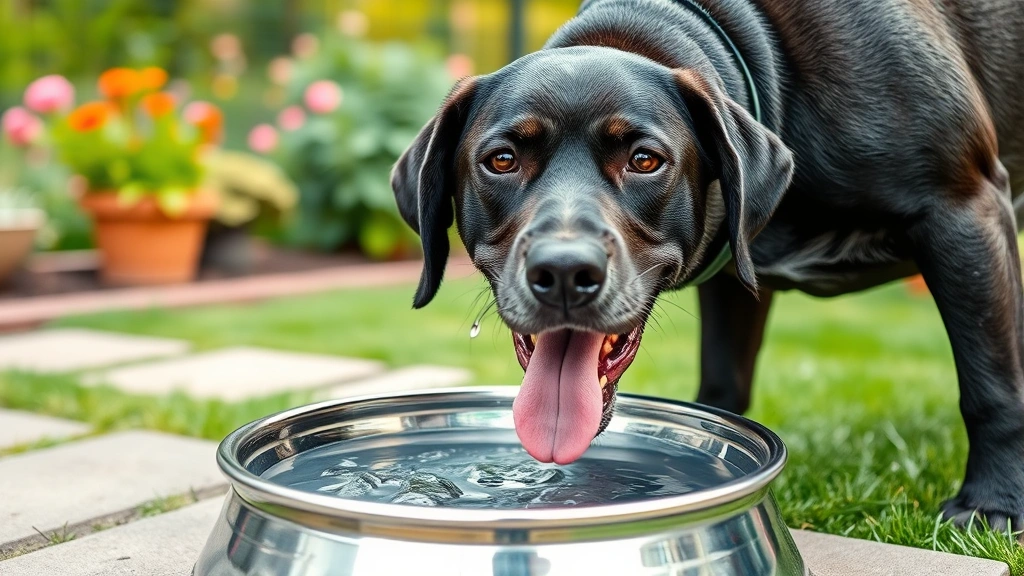
The foundation of your dog’s health is proper hydration. Dogs should have access to fresh, clean water throughout the day. The amount of water a dog needs depends on their size, activity level, diet, and overall health. Generally, dogs need about 1 ounce of water per pound of body weight daily, though this can increase with activity or warm weather.
If you’re concerned about why your dog might be drinking too much water, it’s worth consulting with your veterinarian, as excessive thirst can indicate underlying health issues. However, most healthy dogs regulate their water intake naturally when given access to fresh water.
The best approach to canine hydration is straightforward: provide clean, fresh water in clean bowls. Change the water daily and wash the bowls regularly to prevent bacterial growth. Some dogs prefer running water, so a dog water fountain might encourage better hydration habits.
If your dog seems bored with plain water, you can try a few safe alternatives. Some veterinarians recommend adding a small amount of low-sodium broth (without onions or garlic) to water to make it more appealing. Others suggest offering ice cubes as a treat during hot weather, which hydrates while also providing a cooling effect.
For dogs that struggle with hydration, there are specific strategies to encourage water intake. These might include offering water at different temperatures, using different bowl materials, or placing water bowls in multiple locations around your home.
Healthy Alternatives to Lemon Water
If you’re looking for ways to make your dog’s water intake more interesting or to provide them with beneficial hydration options, there are several safe alternatives to lemon water. These options maintain the hydration benefits without introducing unnecessary risks.
Bone Broth: Low-sodium, homemade bone broth is an excellent alternative that many dogs find delicious. It provides hydration along with beneficial collagen and minerals. Make sure it’s made without onions, garlic, or excessive salt.
Watermelon Water: You can create a dog-friendly version by blending seedless watermelon with water. Watermelon is safe for dogs and provides natural hydration with vitamins.
Coconut Water (in Moderation): Plain, unsweetened coconut water can be offered occasionally, though it should be given in small amounts due to its potassium content.
Plain Ice Cubes: Especially during hot weather, frozen water treats can be refreshing and encourage water intake. Some dogs enjoy licking ice cubes.
If you’re curious about other fruit or juice-based beverages, remember that dogs shouldn’t have cranberry juice due to its acidity and sugar content, and orange juice is also problematic for similar reasons. The pattern here is clear: acidic juices aren’t appropriate for dogs, regardless of the source fruit.
The American Kennel Club recommends keeping your dog’s diet simple and sticking to foods and beverages that have been proven safe for canine consumption. This conservative approach protects your dog’s health and prevents unnecessary veterinary emergencies.
When to Call the Vet: Emergency Signs
If your dog has accidentally consumed lemon water, monitor them carefully for the next 24 hours. Most dogs will experience only mild digestive upset, but it’s important to know when professional help is needed.
Contact your veterinarian immediately if you notice:
- Persistent vomiting or vomiting with blood
- Severe diarrhea lasting more than a few hours
- Signs of abdominal pain (restlessness, whining, hunched posture)
- Lethargy or unusual behavior
- Loss of appetite lasting more than a few hours
- Excessive drooling or difficulty swallowing
- Signs of tremors or neurological changes
While lemon water poisoning is unlikely to be life-threatening in most cases, it’s always better to err on the side of caution. Your veterinarian can provide appropriate treatment if needed and ensure there are no underlying complications.
According to UC Davis School of Veterinary Medicine, the severity of symptoms depends on the amount consumed and the concentration of the lemon juice. Professional guidance is especially important for puppies, senior dogs, or dogs with pre-existing health conditions.
Frequently Asked Questions
Is a small sip of lemon water dangerous for dogs?
A tiny sip of diluted lemon water is unlikely to cause serious harm to most dogs, but it’s not recommended. Even small amounts of lemon juice can cause mild gastrointestinal upset in sensitive dogs. It’s better to avoid it entirely rather than risk any digestive distress.
What if my dog drank lemon water by accident?
Don’t panic. Monitor your dog for signs of digestive upset over the next 24 hours. Most dogs will be fine after accidental exposure to small amounts of lemon water. If symptoms develop or persist, contact your veterinarian for guidance.
Can puppies have lemon water?
No, puppies should definitely not have lemon water. Their digestive systems are still developing, and they’re more vulnerable to the effects of acidic foods and beverages. Stick to plain water for puppies.
Is lemon water toxic to dogs like chocolate or grapes?
No, lemon water is not toxic in the same way that chocolate or grapes are. However, it can still cause gastrointestinal upset and isn’t recommended for dogs. The risk level is lower, but the discomfort isn’t worth the risk.
What’s the difference between fresh lemon juice and bottled lemon juice?
Fresh lemon juice contains slightly less concentrated citric acid than some bottled versions, but both should be avoided for dogs. Bottled versions may also contain preservatives that aren’t appropriate for canine consumption.
Can I add a tiny bit of lemon to my dog’s water to make it more interesting?
It’s not recommended. If your dog isn’t interested in plain water, there are safer alternatives like bone broth or watermelon water. Adding lemon provides no nutritional benefit and introduces unnecessary risk.
Are there any health benefits of lemon water for dogs?
No. Dogs don’t need the vitamin C that lemon water provides because they synthesize their own vitamin C internally. They also don’t benefit from the other compounds in lemon water. Plain water is all they need for optimal hydration.
What should I do if my dog has a sensitive stomach and accidentally consumed lemon water?
Contact your veterinarian. Dogs with sensitive stomachs, IBS, or inflammatory bowel disease are more vulnerable to adverse reactions from acidic beverages. Your vet can provide specific guidance based on your dog’s individual health status.





