Can Dogs Eat Marshmallows? A Complete Safety Guide for Pet Parents
Picture this: you’re sitting around the campfire, roasting marshmallows with your family, and your furry best friend gives you those irresistible puppy-dog eyes. Before you toss that fluffy treat their way, you’re probably wondering whether marshmallows are safe for dogs. It’s a question that deserves a thoughtful answer, not just a quick yes or no.
The truth about marshmallows and dogs is more nuanced than most people realize. While plain marshmallows aren’t technically toxic to dogs, they’re far from an ideal snack for your canine companion. Let’s dive deep into what you need to know to keep your pup safe and healthy.
As a responsible pet owner, understanding which human foods are safe for your dog is crucial. Marshmallows present several potential issues that go beyond simple toxicity, and we’re here to break down everything you need to know about this sticky situation.
Are Marshmallows Toxic to Dogs?
The short answer is: plain marshmallows aren’t technically toxic, but that doesn’t mean they’re safe or recommended. When we talk about toxicity, we’re referring to substances that cause direct poisoning. Standard marshmallows made with sugar, gelatin, corn syrup, and cornstarch don’t contain ingredients that will immediately poison your dog.
However, “not toxic” and “safe” are two very different things in the pet nutrition world. Just because something won’t poison your dog doesn’t mean it’s appropriate for them to eat. Think of it like this: a plastic toy isn’t toxic, but it’s still dangerous if your dog swallows it.
According to the American Kennel Club, while marshmallows aren’t on the official list of toxic foods, they’re certainly not recommended treats for dogs. The AKC emphasizes that pet owners should stick to dog-specific treats whenever possible.
The confusion often arises because people compare marshmallows to truly dangerous foods. Unlike chocolate or grapes, a single marshmallow won’t send your dog to the emergency vet. But that’s setting the bar pretty low for what constitutes a good treat for your beloved pet.
Nutritional Concerns and Health Risks
Let’s talk about what marshmallows actually do for your dog’s health—spoiler alert: nothing good. Marshmallows are essentially empty calories wrapped in fluff. They offer zero nutritional value while being loaded with sugar and other ingredients that don’t belong in your dog’s diet.
A typical marshmallow contains about 7 grams of sugar. For a small dog weighing 10 pounds, that’s already a significant portion of their daily sugar intake. Dogs don’t need added sugar in their diet, and excess sugar consumption can lead to several health problems:
- Obesity: Extra calories with no nutritional benefit contribute directly to weight gain, which affects nearly 56% of dogs in the United States.
- Dental problems: Sugar promotes bacterial growth in the mouth, leading to tooth decay and gum disease.
- Diabetes: High sugar intake increases the risk of developing canine diabetes, especially in predisposed breeds.
- Digestive upset: The high sugar content can cause stomach upset, diarrhea, or vomiting in sensitive dogs.
- Pancreatitis: In severe cases, high-fat and high-sugar foods can trigger inflammation of the pancreas.
Beyond the sugar content, marshmallows contain gelatin, which is derived from animal bones and connective tissue. While gelatin isn’t inherently harmful, it’s not nutritionally appropriate for dogs and serves no beneficial purpose in their diet.
The Hidden Danger: Xylitol in Sugar-Free Marshmallows
Here’s where things get genuinely serious. If you’re considering giving your dog a sugar-free marshmallow, stop right there. Many sugar-free marshmallow brands contain xylitol, an artificial sweetener that is extremely toxic to dogs.
Xylitol is particularly dangerous because it causes a rapid release of insulin in dogs’ bodies, leading to hypoglycemia (dangerously low blood sugar) within 30 minutes of consumption. Even small amounts can be life-threatening. A dog weighing 10 pounds could suffer severe toxicity from as little as 2 grams of xylitol.
The symptoms of xylitol poisoning develop quickly and can include:
- Vomiting and diarrhea
- Lethargy and weakness
- Loss of coordination
- Seizures
- Liver failure in severe cases
The ASPCA Animal Poison Control Center receives thousands of calls annually about xylitol toxicity, making it one of the most dangerous substances for dogs. If your dog ingests a sugar-free marshmallow containing xylitol, this is a veterinary emergency requiring immediate treatment.
Always check the ingredient list of any human food before sharing it with your dog. Xylitol appears in many “diet” or “sugar-free” products, including marshmallows, peanut butter, gum, and candy. When in doubt, don’t share—it’s not worth the risk.
Choking and Digestive Issues
Beyond the nutritional and toxicological concerns, marshmallows present a mechanical hazard to dogs. The spongy, sticky texture of marshmallows can pose a serious choking risk, particularly for enthusiastic eaters or dogs with a tendency to swallow treats whole.
When a marshmallow enters your dog’s mouth, it can expand and become sticky, potentially lodging in the throat or esophagus. This is especially problematic for:
- Small breed dogs (under 10 pounds)
- Puppies who haven’t learned to chew properly
- Senior dogs with dental issues or swallowing difficulties
- Dogs with a history of bloat or gastric dilatation
Additionally, marshmallows can cause digestive upset even if they make it safely down the esophagus. The high sugar and gelatin content can trigger diarrhea, vomiting, or constipation. Some dogs may experience gas or bloating as their digestive system struggles to process the unfamiliar food.
If your dog does manage to swallow a marshmallow without choking, monitor them closely for the next 24-48 hours. Watch for signs of digestive distress, including unusual bowel movements, vomiting, or lethargy. If symptoms persist or worsen, contact your veterinarian.
Types of Marshmallows to Avoid
Not all marshmallows are created equal, and some are significantly more dangerous than others. Understanding the different types will help you make informed decisions about what your dog might accidentally consume.
Sugar-Free Marshmallows: As discussed, these often contain xylitol and should be considered a veterinary emergency if ingested. These are the most dangerous type for your dog.
Chocolate-Covered Marshmallows: This combination is particularly problematic. While chocolate is toxic to dogs, adding it to marshmallows creates a double threat. Never allow your dog access to these.
Marshmallows with Mix-Ins: Marshmallows containing nuts, candy pieces, or other inclusions present additional hazards. Macadamia nuts are toxic to dogs, and other mix-ins may pose choking risks or contain harmful ingredients.
Flavored Marshmallows: Specialty flavors like peppermint, vanilla, or fruit-flavored marshmallows may contain artificial flavoring compounds that aren’t appropriate for dogs. Some flavorings can cause digestive upset.
Marshmallow Fluff: This spreadable version is essentially the same as regular marshmallows—high in sugar with no nutritional benefit. The consistency makes it even stickier and potentially more problematic if ingested.
If you’re wondering about other sweet treats like whipped cream, the same caution applies. Most human desserts and confections aren’t appropriate for dogs, no matter how much they beg.
Safer Treat Alternatives
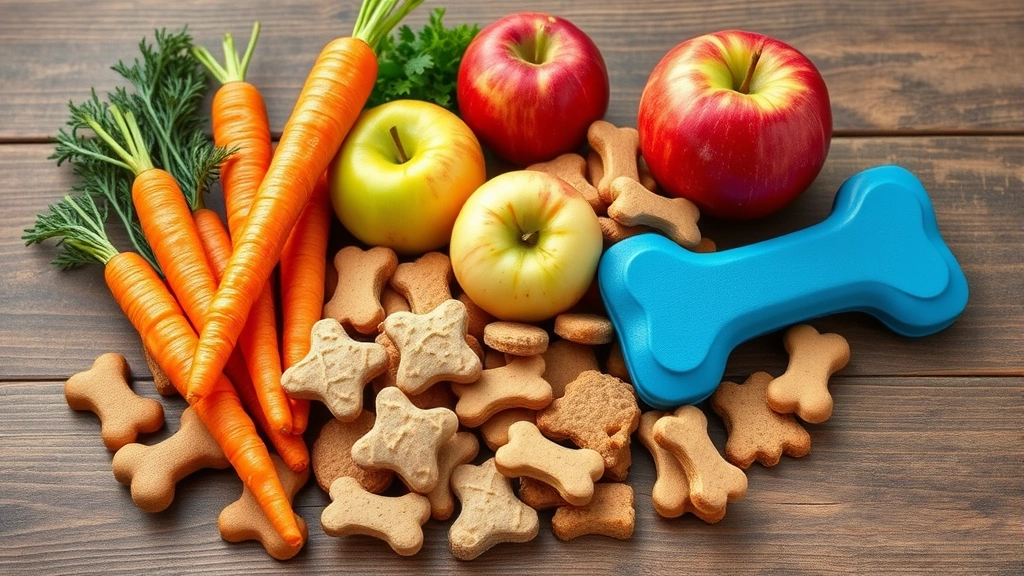
The good news is that plenty of delicious, nutritious treats are actually safe and beneficial for your dog. When you’re tempted to share human food, consider these dog-approved alternatives instead:
Fruit Treats:
- Apples (without seeds)
- Bananas
- Blueberries
- Watermelon (seedless)
- Strawberries
Vegetable Treats:
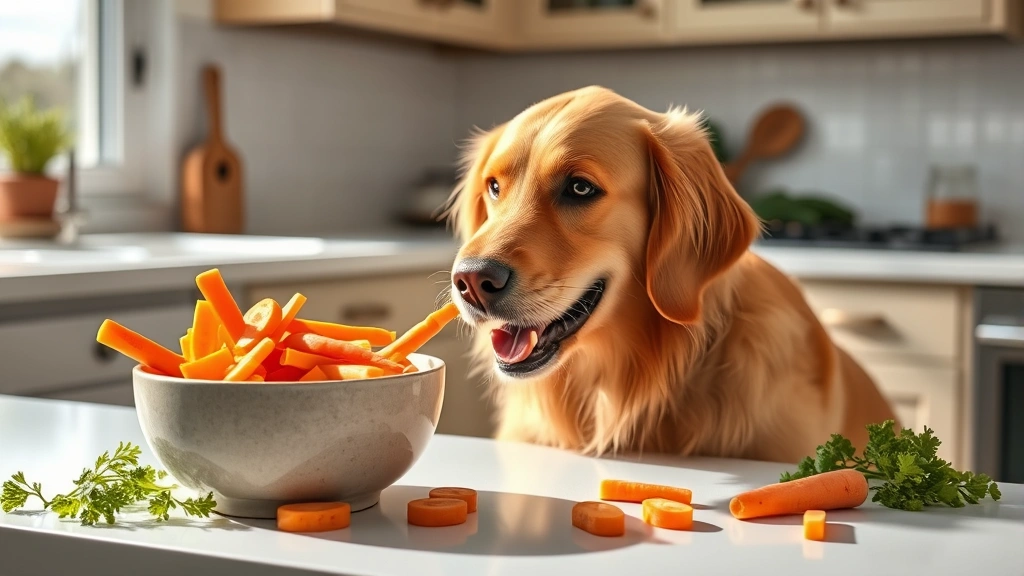
- Carrots (great for teeth cleaning)
- Sweet potatoes
- Green beans
- Pumpkin puree
- Cucumbers
Protein-Based Treats:
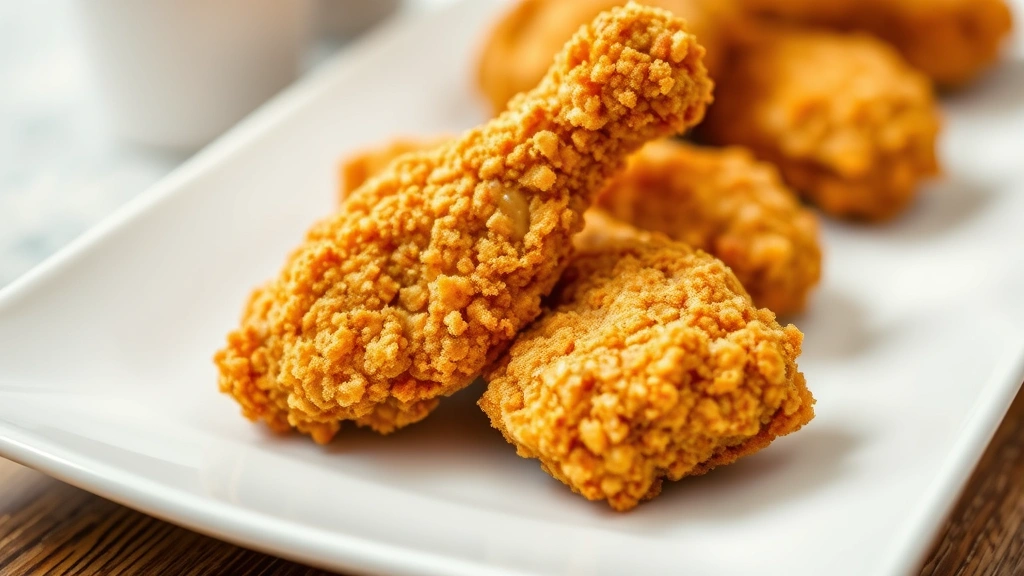
- Plain cooked chicken
- Turkey
- Eggs (cooked)
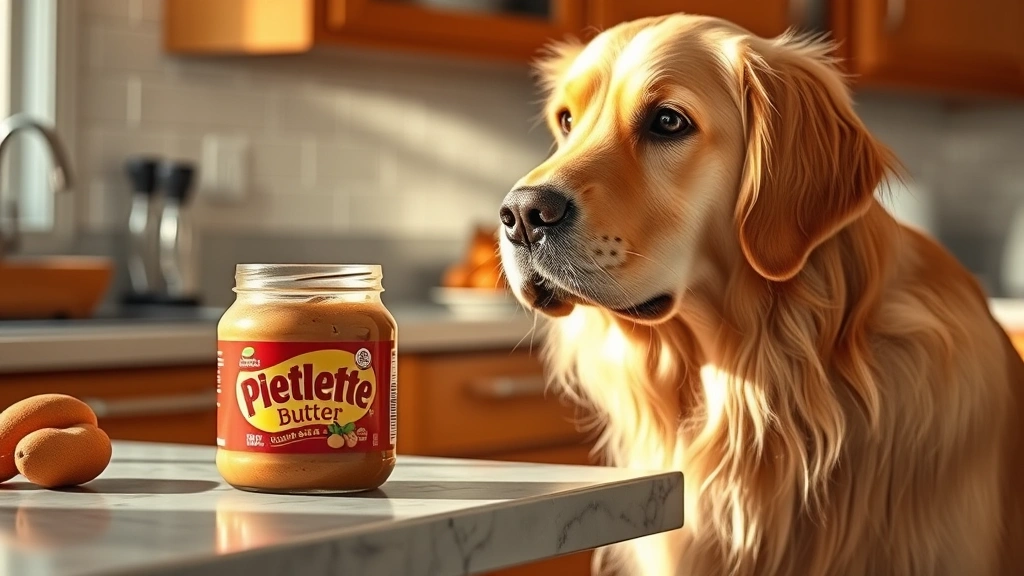
- Peanut butter (xylitol-free)
You might also consider alternatives to sugary treats that provide mental enrichment. Puzzle toys filled with frozen broth, Kong toys stuffed with peanut butter, or interactive treat dispensers keep your dog engaged while providing healthier snacking options.
Commercial dog treats specifically formulated for canine nutrition are always a safer choice. Look for treats made with whole ingredients, minimal additives, and appropriate portion sizes for your dog’s weight and age. Your veterinarian can recommend brands that align with your dog’s specific dietary needs.
What to Do If Your Dog Eats Marshmallows
If your dog ate plain marshmallows:
- Don’t panic—a single marshmallow is unlikely to cause serious harm.
- Monitor your dog closely for the next 24 hours for signs of digestive upset.
- Watch for vomiting, diarrhea, lethargy, or loss of appetite.
- If your dog shows any concerning symptoms, contact your veterinarian.
- Avoid giving your dog more marshmallows in the future.
If your dog ate sugar-free marshmallows:
- Check the ingredient list immediately for xylitol.
- If xylitol is present, this is a veterinary emergency—contact your vet or Pet Poison Helpline immediately.
- Have the package available when you call so you can provide specific information about the amount consumed.
- Don’t wait for symptoms to develop—xylitol toxicity requires immediate professional intervention.
- Transport your dog to the nearest emergency veterinary clinic if your regular vet isn’t available.
If your dog ate chocolate-covered marshmallows:
- Determine how much chocolate was consumed and the type (dark chocolate is more dangerous than milk chocolate).
- Contact your veterinarian or poison control immediately.
- Provide information about your dog’s weight and the amount of chocolate ingested.
- Follow your vet’s recommendations for treatment or monitoring.
Remember, the best approach is prevention. Keep all marshmallows, whether plain, sugar-free, or chocolate-covered, securely stored away from your dog’s reach. Educate family members and guests about what foods are safe for your dog, and politely but firmly decline when others offer your pup inappropriate treats.
Your dog’s love language might be accepting treats from your hand, but their health is more important than a momentary moment of bonding over human food. There are countless ways to show your dog affection that don’t involve food—playtime, walks, belly rubs, and quality time are all far more meaningful than a marshmallow.
Frequently Asked Questions
Is it okay to give my dog one marshmallow as a rare treat?
While a single plain marshmallow won’t poison your dog, it’s not recommended even as an occasional treat. The high sugar content and lack of nutritional value make it an unnecessary risk. There are much better treat options available that your dog will enjoy just as much without the potential health concerns.
What about marshmallows that are specifically labeled as dog treats?
If you find marshmallow-based products specifically formulated for dogs, they may be safer than human marshmallows because they’re designed with canine nutrition in mind. However, always check the ingredient list and consult with your veterinarian before introducing any new treat to your dog’s diet.
Can dogs digest marshmallows if they eat them?
Dogs can technically digest marshmallows, but their digestive systems aren’t optimized for processing them. The high sugar and gelatin content can cause upset stomach, diarrhea, or vomiting in many dogs. Some dogs may have no reaction, while others experience significant digestive distress.
Are mini marshmallows safer than regular-sized ones?
Mini marshmallows are slightly less of a choking hazard than full-sized ones, but they still contain the same problematic ingredients and nutritional profile. The size difference doesn’t make them a safe treat choice—it just means there’s marginally less risk of choking. The sugar content and potential for digestive upset remain the same.
What if my dog accidentally ate a marshmallow from the trash?
If your dog ate a single plain marshmallow from the trash, monitor them for signs of digestive upset but don’t panic. Call your veterinarian if you notice vomiting, diarrhea, or other concerning symptoms. However, if the marshmallow was sugar-free and contained xylitol, or if it was chocolate-covered, contact your vet immediately regardless of whether symptoms have appeared.
Can I give my dog marshmallows as a training treat?
There are far better training treats available. Dogs respond equally well to small pieces of chicken, cheese, or commercial training treats that are specifically formulated for their nutritional needs. Using marshmallows as training rewards teaches your dog to expect human food and doesn’t provide any nutritional benefit.
Are there any health benefits to marshmallows for dogs?
No. Marshmallows provide zero nutritional value for dogs. They contain no protein, healthy fats, vitamins, minerals, or fiber that would benefit your dog’s health. They’re essentially empty calories that can contribute to obesity and other health problems.
Should I be concerned if my dog ate marshmallows with gelatin?
Plain gelatin isn’t toxic to dogs, but it’s not nutritionally appropriate either. The concern with marshmallows isn’t the gelatin specifically but the overall sugar content and lack of nutritional value. Monitor your dog for digestive upset but don’t expect serious toxicity issues from the gelatin alone.