
Can Dogs Have Matcha? Safety Tips for Pet Owners
If you’re a matcha enthusiast, you’ve probably noticed your furry friend giving you those irresistible puppy-dog eyes while you sip your vibrant green tea latte. It’s natural to wonder whether sharing this trendy beverage with your pup is safe. The short answer? No, dogs should not have matcha. But like most things in pet parenting, the full story is a bit more nuanced, and understanding the reasons why will help you keep your beloved companion healthy and happy.
Matcha has exploded in popularity over the past decade, and it’s easy to see why. This finely ground green tea powder is packed with antioxidants, boosts energy, and tastes delicious in everything from lattes to smoothies. However, what’s wonderful for humans can be downright dangerous for dogs. The culprit? Caffeine and other compounds that affect canine health in ways we’re still learning about. Let’s dive into what you need to know to keep your pup safe.
As a responsible pet owner, you’re probably curious about every ingredient your dog might encounter. That’s the right instinct! Understanding which human foods and beverages are safe for dogs and which ones pose risks is crucial for their wellbeing. This comprehensive guide will walk you through everything you need to know about matcha and your dog’s safety.
What Is Matcha?
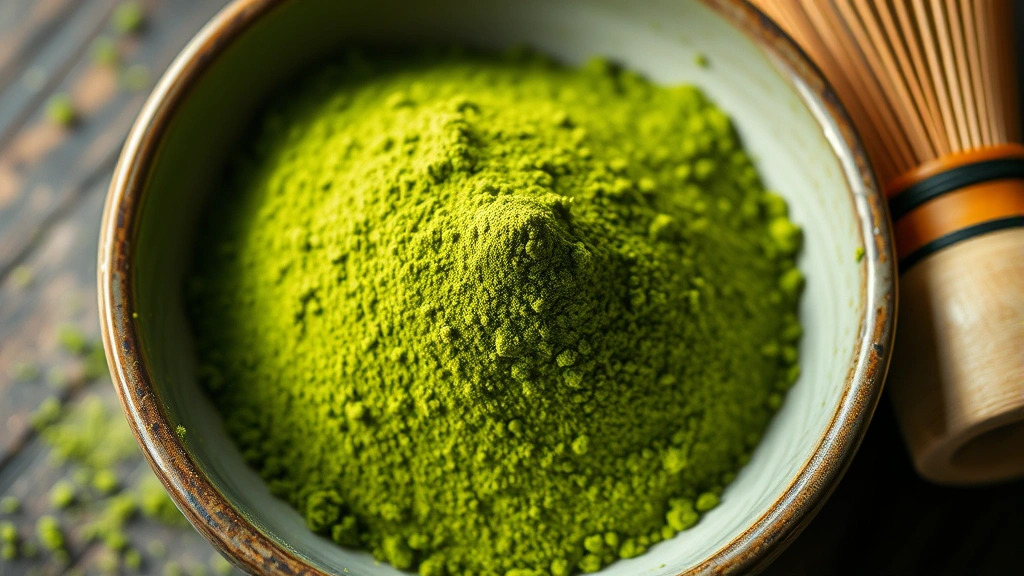
Matcha is a specialized form of green tea that originates from Japan. Unlike regular tea where you steep leaves and remove them, matcha involves consuming the entire powdered leaf. This means you’re getting a concentrated dose of all the compounds found in the tea plant, including caffeine, L-theanine, catechins, and various other phytonutrients.
The preparation process for matcha is quite different from other teas. The tea plants are shade-grown for several weeks before harvest, which increases chlorophyll production and gives matcha its distinctive bright green color. The leaves are then stone-ground into an ultra-fine powder that dissolves in hot water. This traditional Japanese preparation method has made matcha a staple in tea ceremonies for centuries, and more recently, a global wellness trend.
One of the reasons matcha has become so popular is its unique combination of health benefits for humans. It contains L-theanine, an amino acid that promotes calm focus without the jittery feeling that coffee sometimes causes. Combined with caffeine, this creates what many describe as a smooth, sustained energy boost. However, these same compounds that make matcha beneficial for humans are precisely what make it problematic for dogs.

Caffeine Content and Why It Matters
Here’s where things get serious: matcha contains significant amounts of caffeine. A single serving of matcha powder (about 1-2 teaspoons) contains approximately 25-70 mg of caffeine, depending on the quality and preparation method. To put this in perspective, that’s roughly equivalent to a quarter of a cup of coffee. While this might not sound like much to us, it’s a completely different story for dogs.
Dogs metabolize caffeine much more slowly than humans do. Their bodies lack certain liver enzymes that efficiently break down and eliminate caffeine from their system. This means that even small amounts of caffeine can accumulate in a dog’s body and cause serious problems. The toxic threshold for dogs is generally considered to be around 20 mg of caffeine per kilogram of body weight, though symptoms can appear at lower doses.
Let’s do some quick math. A small dog weighing 10 pounds (approximately 4.5 kg) would only need to ingest about 90 mg of caffeine to reach toxic levels. That’s just one or two servings of matcha. A medium-sized dog at 50 pounds would need around 450 mg to reach the toxic threshold, but even smaller amounts could cause noticeable adverse effects. This is why it’s crucial to keep all caffeinated beverages and powders away from your furry friend.
If you’re wondering how this compares to other caffeinated products, it’s worth noting that dogs absolutely cannot have coffee, which contains even higher caffeine concentrations. Similarly, dogs should avoid tea in general, though some herbal teas are safer than others. The key difference with matcha is that because you’re consuming the whole leaf powder, the caffeine concentration is particularly high.
Health Risks for Dogs
The dangers of matcha for dogs extend beyond simple caffeine sensitivity. While caffeine toxicity is the primary concern, there are several interconnected health risks that pet owners should understand.
Caffeine Toxicity: Caffeine is a stimulant that affects the central nervous system. In dogs, this can cause hyperactivity, tremors, rapid heartbeat, and in severe cases, seizures. The problem is that dogs don’t experience the pleasant focus and calm that humans do with L-theanine—they just get the jittery, uncomfortable effects of the stimulant without any of the benefits.
Theobromine Content: Matcha, like all tea products, contains small amounts of theobromine, a compound similar to caffeine. While the concentration is lower than in chocolate, it still adds to the overall stimulant load. This is particularly concerning when combined with the matcha’s caffeine content. If you’re concerned about other stimulants, you might want to learn more about why dogs can’t have chocolate, which contains much higher theobromine levels.
Gastrointestinal Upset: The compounds in matcha can irritate a dog’s digestive system, leading to vomiting, diarrhea, and abdominal discomfort. The powder itself, if ingested dry, can also cause choking hazards or intestinal blockages in small dogs.
Cardiovascular Stress: The stimulant effects of matcha can cause increased heart rate and blood pressure in dogs. For older dogs or those with pre-existing heart conditions, this can be particularly dangerous.
Potential Allergic Reactions: While rare, some dogs may have sensitivities to components in matcha, leading to itching, hives, or more severe allergic responses.
It’s worth comparing matcha’s risks to other beverages. While green tea is also unsafe for dogs for similar reasons, the concentrated nature of matcha makes it particularly risky. Similarly, even chamomile tea, which is generally considered safer, should only be given in very small amounts under veterinary guidance.
Signs of Caffeine Toxicity in Dogs
Knowing the warning signs of caffeine toxicity could save your dog’s life. If your pup has accidentally gotten into your matcha latte or powder, watch for these symptoms:
- Hyperactivity and restlessness: Your dog may seem unusually energetic, unable to settle down, or constantly pacing
- Tremors or shaking: Fine or coarse tremors, particularly in the legs or jaw
- Rapid or irregular heartbeat: You might notice your dog’s heart racing or an irregular pulse
- Excessive panting: Breathing faster than normal, even when the dog is at rest
- Dilated pupils: Their eyes may appear unusually wide
- Vomiting or diarrhea: Gastrointestinal distress is common
- Muscle rigidity: Stiffness or tension in the muscles
- Seizures: In severe cases, your dog may have convulsions (this is a medical emergency)
- Collapse or lethargy: Paradoxically, some dogs may become lethargic after an initial hyperactive phase
- Increased body temperature: Fever or elevated temperature
Symptoms typically appear within 30 minutes to 2 hours of ingestion, though this can vary based on your dog’s metabolism, size, and the amount consumed. If you notice any of these signs, contact your veterinarian or an emergency animal poison control center immediately.
Safe Alternatives for Your Dog
Just because matcha is off-limits doesn’t mean your dog has to miss out on special treats and beverages. There are plenty of dog-safe alternatives that you can enjoy knowing your pup is safe.
Plain Water: The best and most important beverage for your dog is fresh, clean water. Make sure your dog always has access to water throughout the day. You can make water more interesting by adding dog-safe fruits like watermelon or blueberries (without seeds).
Dog-Specific Broths: Low-sodium chicken or beef broth (with no onions or garlic) can be a delicious treat for your dog. Some pet stores even sell broths specifically formulated for dogs.
Coconut Water: In small amounts, unsweetened coconut water can be a hydrating treat. Avoid versions with added sugars.
Bone Broth: This nutrient-rich option is often recommended by veterinarians and can be a wonderful supplement to your dog’s diet when given appropriately.
Dog-Safe Teas: Some herbal infusions are safer for dogs. Always consult with your veterinarian before introducing any new beverage. When thinking about what dogs can drink besides water, it’s important to approach any new option cautiously.
Frozen Treats: Make homemade frozen treats using dog-safe ingredients like plain yogurt, peanut butter (xylitol-free), or pumpkin puree.
If you’re looking for ways to bond with your dog over beverages and snacks, these alternatives provide safe ways to share moments together without putting your pup’s health at risk.
What to Do If Your Dog Ingests Matcha
Accidents happen, and despite our best efforts, dogs sometimes get into things they shouldn’t. If you suspect your dog has ingested matcha, here’s what you should do:
- Stay Calm: Your dog will pick up on your anxiety, so take a deep breath. Panicking won’t help the situation.
- Determine the Amount: Try to figure out how much matcha your dog consumed. This information will be crucial for your veterinarian.
- Contact Your Veterinarian Immediately: Don’t wait to see if symptoms develop. Call your vet right away, even if it’s outside normal business hours.
- Call Animal Poison Control: The ASPCA Animal Poison Control Center is available 24/7 at (888) 426-4435. There is a consultation fee, but the expertise is invaluable.
- Have Information Ready: When you call, have your dog’s weight, age, health history, and the time of ingestion ready.
- Follow Professional Advice: Your vet may recommend bringing your dog in for observation, induced vomiting, or activated charcoal treatment, depending on the situation.
- Monitor Your Dog Closely: Watch for any of the symptoms mentioned earlier and report them to your vet immediately.
The good news is that most cases of accidental matcha ingestion in dogs don’t result in fatal outcomes, especially if treatment is sought quickly. However, prompt action significantly improves outcomes and reduces the risk of serious complications.
According to the American Kennel Club, caffeine toxicity in dogs is treatable when caught early, so don’t hesitate to seek professional help.
Frequently Asked Questions
Can a small amount of matcha hurt my dog?
Yes, even small amounts of matcha can potentially harm your dog, depending on their size and individual sensitivity. A small dog could experience symptoms from just a few teaspoons of matcha powder. It’s not worth the risk—it’s best to keep matcha completely away from your pup.
What if my dog only licked my matcha latte?
A single lick of matcha latte is unlikely to cause serious harm, but it depends on the concentration and your dog’s size. Monitor your dog closely for any signs of caffeine toxicity over the next few hours. If you notice any symptoms, contact your veterinarian. When in doubt, call your vet anyway—it’s always better to be safe.
Is matcha safer than coffee for dogs?
No, matcha is not safer than coffee for dogs. While coffee has higher caffeine content per volume, matcha’s concentrated powder form means you’re consuming the entire leaf, making it quite potent. Both should be kept away from dogs.
Can dogs have decaffeinated matcha?
Decaffeinated matcha would be safer than regular matcha since most of the caffeine has been removed. However, the decaffeination process doesn’t remove all caffeine, and it may also remove some beneficial compounds. More importantly, there’s no real benefit to giving your dog matcha in any form. Stick with water and dog-approved treats instead.
What about matcha in food, like matcha ice cream?
Matcha-flavored foods like ice cream should also be avoided. Beyond the matcha itself, these products often contain sugar, dairy, and other ingredients that aren’t ideal for dogs. Some may also contain xylitol, an artificial sweetener that’s toxic to dogs.
How long does caffeine stay in a dog’s system?
Caffeine is metabolized relatively slowly in dogs compared to humans. It can take 12-24 hours or longer for caffeine to be completely eliminated from a dog’s system, depending on the individual dog’s metabolism and liver function. This is why monitoring is so important after accidental ingestion.
Are there any health benefits of matcha for dogs?
While matcha contains antioxidants and other beneficial compounds for humans, the risks to dogs far outweigh any potential benefits. The caffeine content alone makes it inappropriate for canine consumption. If you want to provide your dog with antioxidants, there are many dog-safe options like blueberries or sweet potatoes.
My dog ate matcha powder—what should I do?
This is a situation that requires immediate veterinary attention. Matcha powder is highly concentrated, so even a small amount could be problematic. Call your veterinarian or the Pet Poison Helpline at (855) 764-7661 immediately. Have your dog’s weight and the estimated amount of powder ingested ready to share.
Can matcha cause death in dogs?
While rare, severe caffeine toxicity can potentially be fatal, especially in small dogs or those with underlying health conditions. However, most cases are manageable when treated promptly by a veterinarian. This is why seeking immediate professional help is so important.
What should I do to prevent my dog from accessing matcha?
Store all matcha products in sealed containers in high cabinets or areas your dog cannot access. Keep matcha lattes and other matcha beverages out of your dog’s reach at all times. Educate family members and guests about the dangers so they don’t accidentally share with your pup. Consider using baby gates to restrict your dog’s access to certain areas where you prepare beverages.





