
Can Dogs Have OCD? Understanding Canine Behavior
If you’ve ever watched your dog obsessively lick their paws, chase their tail in endless circles, or perform the same ritualistic behavior over and over again, you might have wondered: can dogs actually have OCD? The short answer is yes—and it’s more common than you might think. Just like their human companions, dogs can develop obsessive-compulsive behaviors that go beyond normal quirks and become genuinely distressing for our furry friends.
Canine compulsive disorder (CCD), as veterinarians call it, isn’t just about being picky or particular. It’s a real neurological condition that can significantly impact your dog’s quality of life, physical health, and emotional wellbeing. Understanding what’s happening in your dog’s brain when they engage in repetitive behaviors is the first step toward helping them live a happier, healthier life.
In this comprehensive guide, we’ll explore the fascinating and sometimes troubling world of canine obsessive-compulsive behaviors. We’ll break down what causes these behaviors, how to recognize them, and most importantly, what you can do to help your four-legged friend find relief.
What Is Canine OCD?
Canine obsessive-compulsive disorder is a behavioral condition characterized by repetitive, purposeless actions that a dog performs excessively and compulsively. Unlike occasional quirks that most dogs display, true OCD involves behaviors that:
- Occur repeatedly without apparent purpose or trigger
- Continue even when interrupted or redirected
- Consume significant portions of the dog’s day
- Cause physical harm or distress to the animal
- Don’t respond to normal training or environmental modification
The key distinction here is that these aren’t behaviors your dog chooses to perform—they feel driven to do them, much like humans with OCD feel compelled to perform certain rituals. A dog with OCD might lick their paws hundreds of times daily, creating raw patches and wounds, or spin in circles for hours, unable to stop themselves.
What makes this condition particularly challenging is that it often has a neurochemical basis. The dog’s brain isn’t functioning quite like it should, and the behavior becomes self-reinforcing. The repetitive action itself provides temporary relief from anxiety, which only strengthens the compulsion cycle.
Signs and Symptoms to Watch For
Recognizing OCD in dogs requires understanding the difference between normal behavior and compulsive behavior. Here are the most common signs:
- Excessive licking: If your dog is licking everything obsessively, particularly their own body, this could indicate OCD
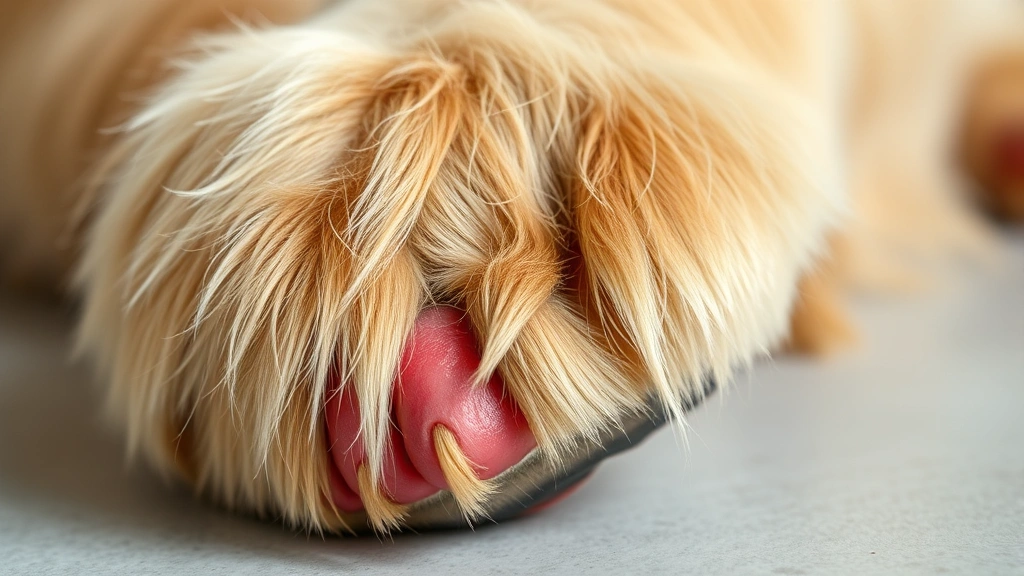
- Paw chewing: Constant paw chewing that results in hair loss, redness, or open sores
- Tail chasing: Repetitive spinning and tail chasing that goes beyond playful behavior
- Wall or floor staring: Fixating on and staring at walls or floors for extended periods
- Shadow or light chasing: Obsessive pursuit of shadows, light reflections, or laser pointers
- Repetitive jumping or spinning: Performing the same movement pattern dozens of times
- Excessive grooming: Over-grooming that leads to bald patches and skin damage
- Fabric sucking or chewing: Persistent chewing or sucking on blankets, clothing, or furniture
The physical consequences of these behaviors can be severe. Dogs with paw-licking OCD often develop secondary infections and allergies. Excessive spinning can lead to orthopedic problems. The constant stress and anxiety associated with these compulsions can also suppress the immune system and contribute to overall health decline.

What Causes OCD in Dogs?
The origins of canine OCD are multifactorial, meaning several factors often work together to create the condition. Understanding these causes can help you address the root issues:
Genetic Predisposition: Some dogs are born with a genetic vulnerability to OCD. This neurochemical predisposition makes certain individuals more susceptible to developing compulsive behaviors when exposed to stress or environmental triggers.
Neurochemical Imbalances: OCD in dogs is often linked to abnormalities in serotonin regulation, the same neurotransmitter involved in human OCD. When serotonin levels are imbalanced, the brain struggles to regulate repetitive behaviors and anxiety responses.
Early Life Stress: Puppies exposed to trauma, abuse, neglect, or early separation from their mothers are at higher risk for developing OCD later in life. These early experiences can permanently alter brain chemistry and stress response systems.
Environmental Stress: Ongoing stress from loud noises, lack of socialization, confined living spaces, or unstable home environments can trigger or exacerbate OCD in susceptible dogs.
Medical Conditions: Chronic pain, allergies, and other health issues can lead to excessive licking or chewing that eventually becomes compulsive. It’s crucial to rule out medical causes before attributing the behavior purely to psychological factors.
Insufficient Mental Stimulation: Dogs with high intelligence who don’t receive adequate mental enrichment may develop compulsive behaviors as a way to self-soothe or occupy their minds.

Breed Predisposition
Certain breeds show a higher propensity for developing OCD, though any dog can be affected. Breeds with documented increased risk include:
- Bull Terriers: Particularly prone to compulsive tail chasing and spinning
- German Shepherds: Often develop fly-snapping and shadow-chasing behaviors
- Boxers: Frequently exhibit excessive licking and paw chewing
- Doberman Pinschers: Prone to flank sucking and self-directed behaviors
- Cavalier King Charles Spaniels: Show increased rates of compulsive behaviors
- Staffordshire Bull Terriers: Often develop spinning and self-injurious behaviors
- Golden Retrievers: Can develop excessive licking and grooming compulsions
This breed predisposition suggests a strong genetic component to the condition. If you have a breed known for OCD tendencies, being proactive about stress management and environmental enrichment can help prevent or minimize the development of compulsive behaviors.
How Vets Diagnose Canine OCD
Diagnosing OCD in dogs is more challenging than you might expect because it requires ruling out other potential causes. Your veterinarian will typically follow this diagnostic approach:
Medical Examination: First, your vet will perform a thorough physical examination to rule out allergies, parasites, dermatological conditions, or other medical issues that could explain the behavior. Blood work and skin scrapings might be necessary.
Behavioral History: Your vet will ask detailed questions about when the behavior started, how frequently it occurs, whether it’s triggered by specific situations, and how it’s affecting your dog’s daily life. Keeping a behavior diary before your appointment can be incredibly helpful.
Observation: Veterinarians trained in behavioral medicine may observe your dog to assess the nature and intensity of the compulsive behavior.
Ruling Out Neurological Issues: In some cases, neurological conditions can mimic OCD. Your vet might recommend advanced diagnostics if they suspect other neurological problems.
It’s worth noting that dogs can experience other behavioral and neurological conditions that might appear similar to OCD. A thorough diagnostic process ensures your pup receives the correct diagnosis and appropriate treatment.
Treatment Options and Management
The good news is that OCD in dogs is manageable. While there’s no cure, various treatment approaches can significantly improve your dog’s quality of life:
Pharmaceutical Intervention: Many dogs with OCD benefit from medication. SSRIs (selective serotonin reuptake inhibitors) like fluoxetine are commonly prescribed to help regulate serotonin levels in the brain. These medications can reduce the intensity and frequency of compulsive behaviors, though they typically take 4-6 weeks to show full effects.
Behavioral Modification: Working with a certified professional dog trainer or veterinary behaviorist can help identify triggers and teach your dog alternative, non-compulsive responses. Counterconditioning and desensitization techniques can be particularly effective.
Environmental Management: Removing or minimizing exposure to known triggers is crucial. If your dog compulsively chases shadows, minimize exposure to bright light sources. If they obsess over certain textures, restrict access to those materials.
Enrichment and Exercise: Providing appropriate outlets for your dog’s energy through physical exercise, puzzle toys, and mental stimulation can reduce the likelihood of compulsive behaviors developing or worsening.
Anxiety Management: Since anxiety often underlies OCD, addressing your dog’s general anxiety through training, desensitization, and sometimes anti-anxiety medication can help. Creating a calm, predictable environment is essential.
Multimodal Approach: The most successful treatment plans typically combine medication, behavioral training, environmental modification, and enrichment. What works best varies from dog to dog, so your veterinarian may need to adjust the approach over time.
Prevention and Lifestyle Changes
While you can’t completely prevent OCD in genetically predisposed dogs, you can significantly reduce the risk through proactive measures:
Early Socialization: Exposing puppies to a variety of people, environments, and experiences during their critical socialization window (3-16 weeks) can build resilience and reduce anxiety-based behaviors later in life.
Stress Reduction: Minimizing unnecessary stressors and creating a stable, predictable environment helps prevent the development of compulsive coping mechanisms.
Mental Enrichment: Providing puzzle toys, training sessions, nose work games, and interactive play keeps your dog’s mind engaged and prevents boredom-driven compulsive behaviors.
Regular Exercise: Physical activity helps regulate mood, reduce anxiety, and maintain overall neurological health. Daily exercise appropriate to your dog’s age and breed is essential.
Veterinary Care: Regular check-ups ensure that any medical conditions causing compulsive behaviors are caught early and treated appropriately.
Positive Training: Using reward-based training methods rather than punishment reduces stress and anxiety, creating a more psychologically healthy dog.
Avoid Reinforcement: Be mindful not to inadvertently reinforce compulsive behaviors through attention, even if that attention is negative. Ignoring the behavior when possible and redirecting to positive activities is more effective.
Frequently Asked Questions
Is canine OCD the same as human OCD?
While the underlying neurochemistry is similar—both involve serotonin dysregulation and repetitive behaviors—canine OCD manifests differently. Dogs can’t report intrusive thoughts or anxiety the way humans do. Instead, we observe their compulsive behaviors and infer the underlying condition. However, the core neurological dysfunction is comparable, which is why similar medications like SSRIs work for both species.
Can OCD in dogs be cured?
Unfortunately, OCD cannot be cured, but it can be effectively managed. With appropriate treatment combining medication, behavioral modification, and environmental management, many dogs see significant improvement in their symptoms. Some dogs may eventually require lower medication doses or less frequent behavioral intervention, but most benefit from ongoing management throughout their lives.
How much does treatment for canine OCD cost?
Treatment costs vary widely depending on your location, your veterinarian’s fees, and the specific treatment plan. Medication typically costs $20-60 per month, while working with a veterinary behaviorist might cost $200-500 per consultation. Many dogs benefit from a combination approach, so budgeting $50-100 monthly for ongoing management is reasonable for most owners.
Will my dog’s OCD get worse over time?
Without intervention, OCD often does worsen over time. The compulsive behaviors become more ingrained, the dog experiences more anxiety, and physical consequences accumulate. However, with appropriate treatment initiated early, many dogs show improvement or stability rather than progression.
Can anxiety medication help with OCD?
While anti-anxiety medications can help manage the anxiety underlying OCD, they’re typically not as effective as SSRIs specifically for treating the compulsive behaviors. That said, reducing overall anxiety often helps reduce compulsive behaviors, so anti-anxiety medication is sometimes used alongside or instead of SSRIs depending on your dog’s specific needs.
What’s the difference between normal repetitive behavior and OCD?
Normal repetitive behaviors are typically contextual, purposeful, and can be interrupted. A dog might chase their tail during play but stop when redirected. OCD behaviors are context-independent, purposeless, and difficult or impossible to interrupt. An OCD-affected dog might spin obsessively regardless of what’s happening around them, and they’ll resume immediately if stopped.
Should I punish my dog for compulsive behaviors?
Absolutely not. Punishment increases stress and anxiety, which typically worsens compulsive behaviors. Punishment also damages your relationship with your dog and can create additional behavioral problems. Instead, focus on redirecting to positive behaviors and consulting with a professional trainer or veterinary behaviorist about effective management strategies.
Can CBD help with canine OCD?
While some dog owners report anecdotal benefits from CBD for anxiety-related issues, scientific evidence for CBD’s effectiveness in treating canine OCD is limited. The American Animal Hospital Association notes that more research is needed on CBD’s efficacy and safety in dogs. Always consult with your veterinarian before adding CBD to your dog’s treatment plan.
Is OCD hereditary in dogs?
Yes, there’s a strong genetic component to OCD in dogs. If you’re considering breeding a dog, understanding their family history regarding compulsive behaviors is important. Responsible breeders screen for behavioral issues and avoid breeding dogs with OCD or strong family histories of the condition.





