

Do Dogs’ Legs Fall Asleep? Understanding the Phenomenon
We’ve all experienced that peculiar tingling sensation when our leg falls asleep after sitting in an awkward position for too long. It’s uncomfortable, mildly amusing, and thankfully temporary. But have you ever wondered if your furry best friend experiences the same thing? The short answer is yes—dogs can absolutely experience the sensation of their legs falling asleep, though it manifests differently than it does in humans. Understanding this phenomenon helps us better care for our canine companions and recognize when they might be experiencing discomfort.
Your dog’s nervous system works remarkably similarly to yours in many ways, and the mechanism behind a limb falling asleep is no exception. When your pup lounges in that favorite curled-up position for extended periods, the same pressure-induced temporary nerve compression that affects humans can happen to them too. This article dives deep into the science behind this quirky occurrence, what it means for your dog’s health, and when you should be concerned about their mobility and comfort.
Whether your dog is a champion napper or an active adventurer, understanding how their body works—including these peculiar moments—makes you a more informed and attentive pet parent. Let’s explore what happens when your dog’s legs fall asleep and what you can do to keep them comfortable and healthy.
What Does It Mean When a Limb Falls Asleep?
The phenomenon commonly referred to as a limb “falling asleep” is medically known as paresthesia or temporary nerve compression. When you sit or lie in a position that puts pressure on a nerve, that nerve can’t transmit signals normally between your limb and your brain. This interruption in communication creates that distinctive tingling, “pins and needles” sensation that most people find rather annoying.
The scientific explanation is straightforward: nerves are responsible for transmitting sensory information and motor signals throughout the body. When physical pressure compresses a nerve, it temporarily disrupts this communication pathway. The nerve isn’t actually “asleep”—rather, it’s being physically compressed by surrounding tissue, bone, or muscle. Once you change position and relieve the pressure, the nerve quickly resumes normal function, and the sensation dissipates within seconds or minutes.
This is a completely normal physiological response and isn’t inherently dangerous. In fact, it’s your body’s way of telling you to adjust your position and improve your circulation. The tingling sensation is actually a sign that the nerve is “waking up” as pressure is relieved and normal nerve function resumes.
Can Dogs Actually Experience This?
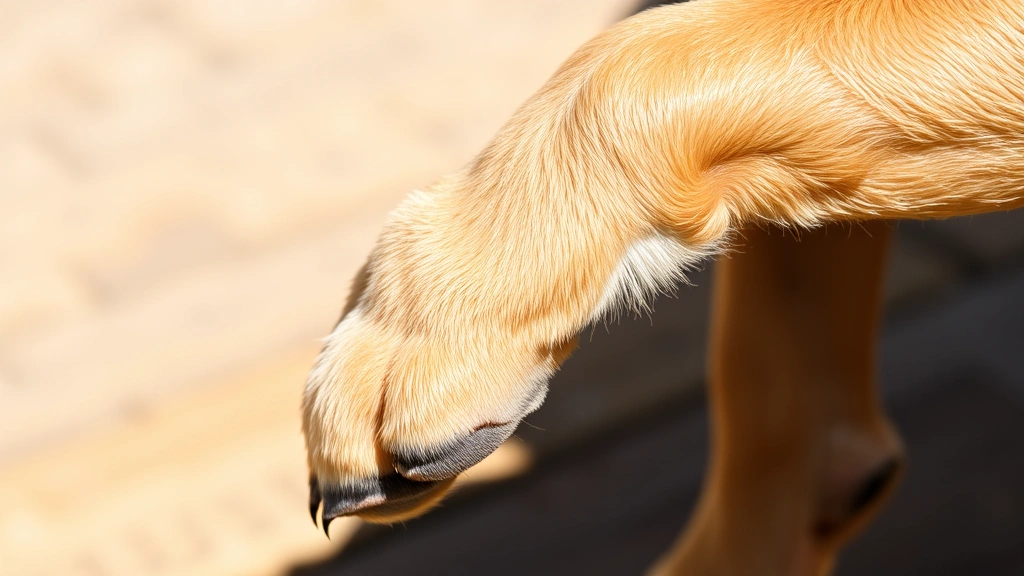
Absolutely! Dogs have the same basic nervous system structure as humans, complete with the same types of nerves that can be compressed by prolonged pressure. When your dog curls up in that adorable loaf position or sprawls across your lap for hours, they’re just as susceptible to temporary nerve compression as you are. The main difference lies in how they communicate the experience to us.
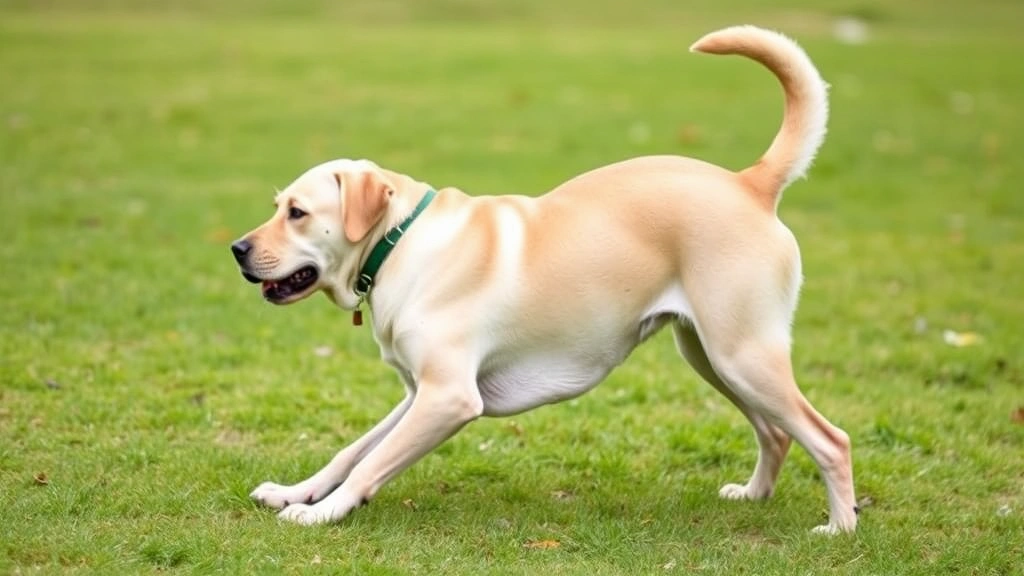
Since dogs can’t tell us they have a tingly sensation, we have to look for behavioral clues. A dog experiencing a leg falling asleep might shake their leg vigorously, lick at their limb, or suddenly jump up and move around to redistribute their weight. You might also notice them stretching in unusual ways—something they do naturally anyway, but which becomes more pronounced when they’re trying to restore normal sensation to a compressed nerve.
The phenomenon is particularly common in dogs that spend extended periods in the same position, especially senior dogs or those with certain health conditions that make movement more challenging. Overweight dogs may experience this more frequently due to the increased pressure their body weight places on nerves when they’re in stationary positions. Understanding why dogs stretch when they see you can provide additional insight into how they manage their circulation and nerve function throughout the day.
Signs Your Dog’s Leg Might Be Falling Asleep
Recognizing the signs that your dog is experiencing a temporary nerve compression can help you respond appropriately and prevent any genuine discomfort. Here are the key indicators to watch for:
- Sudden leg shaking or twitching: Your dog might rapidly shake one leg, similar to how they shake water off after a bath, but more localized and purposeful.
- Licking or biting at their limbs: Dogs experiencing paresthesia often lick or gently nibble at the affected leg, trying to address the unusual sensation. This is different from the repetitive behavior associated with why dogs lick their paws obsessively.
- Limping or favoring a leg: Your dog might walk with a slight limp or avoid putting full weight on the affected limb.
- Frequent position changes: If your dog keeps adjusting how they’re lying down or standing, they might be trying to relieve nerve pressure.
- Stretching more than usual: Exaggerated stretching, particularly in the hind legs, is a common response to nerve compression.
- Restlessness: Your dog might seem unable to settle down and keep getting up and lying back down.
- Whining or mild vocalization: Some dogs vocalize when experiencing discomfort, though this is less common with temporary nerve compression than with actual pain.
Most episodes of temporary nerve compression resolve on their own within minutes of your dog changing position. If you notice these signs, simply encourage your dog to move around or change their sleeping position.
The Science Behind Nerve Compression
To fully understand how your dog’s legs can fall asleep, it’s helpful to understand the anatomy involved. Your dog’s nervous system comprises the central nervous system (brain and spinal cord) and the peripheral nervous system (nerves extending throughout the body). The peripheral nerves are responsible for transmitting sensory information back to the brain and motor signals from the brain to the muscles.
These nerves pass through various anatomical structures—between muscles, alongside blood vessels, and through small openings in bone. When your dog maintains the same position for too long, the weight of their body or the positioning of their limbs can compress these nerves. The compression doesn’t damage the nerve; it simply temporarily prevents it from transmitting signals efficiently.
According to research from the American Animal Hospital Association, this type of temporary nerve compression is a normal occurrence and not a cause for concern. The nerve typically recovers full function within moments to minutes of relieving the pressure.
The sensation your dog experiences during this compression might actually be more pronounced than what humans feel, given their heightened sensory awareness. Dogs have approximately 18 muscles controlling each ear and can sense vibrations at frequencies up to 65,000 Hz (compared to humans’ 20,000 Hz). This heightened sensory perception might mean they’re more aware of the unusual sensations caused by nerve compression, which could explain why they respond so quickly with shaking and movement.
Why Sleeping Position Matters
Dogs, like humans, can develop circulation issues based on how they position themselves during sleep and rest periods. The most common positions that lead to temporary nerve compression in dogs include:
- The loaf position: This compact, tucked position where dogs fold their legs underneath them is adorable but can compress nerves, particularly in the hind legs.
- Curled-up ball: Sleeping in a tight spiral, common in colder weather, can compress multiple nerves throughout the body.
- Extended position: Stretching out completely can compress nerves if done on a hard surface or at an awkward angle.
- Folded under body: When dogs tuck one or more legs completely under their body weight, nerve compression is likely.
Understanding why dogs sleep so much is important context here—since dogs can sleep 12-14 hours daily, they spend significant time in various positions. This extended sleep time increases the likelihood of temporary nerve compression occurring at some point during the day.
Providing your dog with comfortable, supportive bedding can help reduce the likelihood of problematic nerve compression. Orthopedic dog beds, memory foam options, and raised beds that allow for better air circulation all support healthier sleeping positions and reduce pressure points.
How Long Is Too Long?
Most episodes of temporary nerve compression last only a few minutes once your dog changes position. However, the actual duration of pressure before symptoms appear depends on several factors: the specific nerve involved, the degree of compression, your dog’s age and health status, and their body composition.
Generally speaking, if your dog is experiencing signs of nerve compression, they’ll instinctively move to relieve the pressure within 10-30 minutes. Their body has built-in mechanisms that prompt movement when circulation becomes compromised. This is why restlessness and frequent position changes are natural responses.
If your dog seems unable to relieve the pressure or continues showing signs of discomfort even after moving around, that’s when you should pay closer attention. Prolonged nerve compression that doesn’t resolve with position changes could indicate a more serious underlying issue, such as a pinched nerve, arthritis, or other neurological conditions that warrant veterinary evaluation.
Health Implications and When to Worry
While occasional temporary nerve compression from sleeping position is completely normal and harmless, persistent or worsening symptoms might indicate a genuine health concern. Here’s how to distinguish between normal paresthesia and something that requires professional attention:
Normal temporary nerve compression: Resolves within minutes of position change, occurs sporadically, doesn’t cause visible swelling or heat in the affected limb, and doesn’t prevent your dog from normal activity once they’ve moved.
Concerning signs requiring veterinary attention: Persistent limping even after rest, swelling or heat in the affected limb, inability to bear weight on the leg, frequent episodes affecting the same limb, or signs of pain that don’t resolve with movement.
Conditions like why your dog is limping can sometimes be confused with temporary nerve compression but are typically more persistent. If your dog is consistently favoring one leg or showing ongoing mobility issues, a veterinary examination is warranted.
Senior dogs are particularly susceptible to nerve-related issues. As dogs age, their nerves become more sensitive, and conditions like arthritis can make them more prone to nerve compression. Additionally, dogs do get muscle cramps, which is a separate but related concern that can sometimes be confused with nerve compression symptoms.
The ASPCA recommends regular veterinary check-ups to monitor your dog’s mobility and catch any developing issues early. If you notice any changes in your dog’s gait, mobility, or behavior related to their limbs, mention it during your next veterinary visit.
Preventing Circulation Problems
While you can’t completely prevent your dog’s legs from falling asleep occasionally, you can take steps to minimize problematic nerve compression and promote healthy circulation:
- Encourage movement: Regular exercise keeps muscles strong and flexible, supporting healthy nerve function. Even short walks several times daily make a significant difference.
- Provide comfortable bedding: Invest in quality dog beds that cushion pressure points. Orthopedic beds are particularly beneficial for senior dogs or breeds prone to joint issues.
- Monitor weight: Maintaining a healthy weight reduces pressure on nerves and improves overall circulation. Excess weight increases the likelihood of compression issues.
- Create varied rest spaces: Offer multiple comfortable places to rest so your dog can naturally vary their sleeping positions throughout the day.
- Gentle stretching: If your dog enjoys it, gentle stretching can improve flexibility and circulation. This is particularly helpful for older dogs.
- Regular grooming: Grooming sessions provide opportunities to check for swelling, heat, or other signs of circulation problems.
- Maintain healthy joints: Appropriate supplements, weight management, and exercise all support joint and nerve health.
Remember that how long dogs can hold their pee also relates to movement and circulation—encouraging regular bathroom breaks naturally promotes movement throughout the day, which benefits nerve function and circulation.
According to the American Kennel Club, breed-specific considerations matter too. Some breeds are more prone to nerve issues due to their body structure. For example, long-bodied breeds like Dachshunds may be more susceptible to nerve compression due to their unique spine structure.
Frequently Asked Questions
Is it painful for dogs when their legs fall asleep?
The sensation is likely uncomfortable rather than genuinely painful. Dogs will typically shake the limb or change position to relieve the sensation, suggesting they find it unpleasant but not severely painful. The tingling sensation itself isn’t damaging—it’s just an unusual sensation that prompts movement.
How can I tell if my dog is experiencing nerve compression versus actual pain?
Temporary nerve compression typically resolves quickly with position changes, while actual pain from injury or illness persists. If your dog changes position and the limping or discomfort immediately improves, it’s likely temporary nerve compression. If the issue continues regardless of position changes, it warrants veterinary evaluation.
Should I wake my dog up if I think their leg is falling asleep?
No need to wake them. If the compression is uncomfortable, your dog will naturally wake up and move. If they’re sleeping peacefully, they’re either comfortable or will self-correct when needed. Dogs have excellent instincts about managing their own comfort.
Do all dogs experience this equally?
No. Senior dogs, overweight dogs, and those with existing nerve or joint issues may experience this more frequently. Puppies and young, healthy dogs typically experience it less often, though it can still happen to any dog.
When should I contact my veterinarian about my dog’s leg issues?
Contact your vet if you notice persistent limping, swelling, heat in the limb, inability to bear weight, frequent episodes affecting the same leg, or any signs of pain that don’t resolve with rest and position changes. Also mention any changes during your regular check-ups.
Can I do anything to help my dog when their leg is falling asleep?
Simply encourage gentle movement. You might gently massage the affected limb or encourage your dog to stand and walk around. Avoid forcing movement if they seem to be in discomfort—let them self-correct at their own pace.
Is temporary nerve compression more common in certain dog breeds?
Yes, breeds with longer bodies (like Dachshunds and Basset Hounds) and larger breeds carrying more weight may experience this more frequently. However, any dog can experience temporary nerve compression regardless of breed.
Understanding that your dog’s legs can fall asleep just like yours is a fascinating reminder of how similar our bodies actually are. While the occasional episode of temporary nerve compression is nothing to worry about, staying attentive to your dog’s mobility and comfort ensures you’ll catch any genuine health concerns early. By providing comfortable bedding, encouraging regular movement, and maintaining your dog’s overall health, you’re setting them up for a comfortable, active life. When in doubt about your dog’s mobility or any concerning symptoms, your veterinarian is always your best resource for professional guidance and peace of mind.





