

Can I Give My Dog Tums? What Vets Recommend
Your beloved pup just ate something questionable from the kitchen floor, and now they’re acting uncomfortable. Their stomach is rumbling, they’re drooling more than usual, and you’re wondering: can I just give them some Tums like I would take for myself? It’s a question many dog parents ask, and the answer isn’t quite as straightforward as you might hope.
While Tums might seem like a harmless over-the-counter solution for your dog’s digestive distress, the reality is far more nuanced. Veterinarians have specific recommendations about antacids for dogs, and understanding these guidelines could save you from making a well-intentioned mistake. Let’s dive into what you need to know about giving Tums to your furry friend and what vets actually recommend instead.
The good news? There are plenty of safe and effective ways to help your dog feel better. But first, you need to understand whether Tums is one of them.
Is Tums Safe for Dogs?
The short answer is: it’s complicated. Tums contains calcium carbonate as its active ingredient, which technically isn’t toxic to dogs in small quantities. However, that doesn’t mean it’s the right choice for your pup. The FDA hasn’t approved Tums for veterinary use, and there are several reasons why vets generally discourage giving it to your dog.
First, the dosage matters enormously. While a single Tums tablet might not cause immediate harm, the amount safe for a 150-pound human is vastly different from what’s appropriate for a 30-pound dog. Additionally, Tums contains other ingredients like sorbitol and artificial sweeteners that could potentially cause problems, especially if your dog ingests multiple tablets.
The calcium carbonate in Tums can also interfere with your dog’s ability to absorb other medications and nutrients. If your dog is on any prescriptions or supplements, Tums could reduce their effectiveness. This is why veterinarians prefer more targeted, dog-specific solutions when your pup has stomach troubles.
Another concern is that giving Tums might mask a more serious underlying condition. Your dog’s upset stomach could indicate anything from a simple dietary indiscretion to pancreatitis or a foreign body obstruction. By treating the symptom with an antacid, you might delay recognizing a serious problem that requires immediate veterinary attention.

Understanding Your Dog’s Digestive System
To understand why Tums might not be the best solution, it helps to know how your dog’s digestive system actually works. Dogs have a much more acidic stomach than humans—their gastric pH is naturally between 1 and 2, compared to our 3 to 4. This high acidity serves an important purpose: it helps them break down food quickly and kills harmful bacteria they might ingest.
When you give a dog an antacid like Tums, you’re neutralizing this beneficial stomach acid. This can actually slow down digestion and potentially create an environment where harmful bacteria can survive longer. It’s counterintuitive, but your dog’s acidic stomach is actually a feature, not a bug.
Dogs also have a shorter digestive tract than humans, which means food moves through their system more quickly. This rapid transit time means that most digestive upset resolves on its own within 24 to 48 hours. In many cases, your dog doesn’t need medication at all—they just need time and a bland diet.
Understanding this natural process is key to recognizing when your dog truly needs veterinary intervention and when simple home care will suffice. Most cases of mild stomach upset fall into the latter category, which is why vets often recommend a “wait and see” approach before reaching for any medication.
What Vets Actually Recommend
When you call your veterinarian about your dog’s upset stomach, here’s what they’re likely to recommend instead of Tums. For mild digestive distress, the first line of defense is usually a bland diet combined with fasting. Your vet might suggest withholding food for 12 to 24 hours, then gradually reintroducing a bland diet of boiled chicken and white rice.
If your dog needs medication, vets often prescribe famotidine (Pepcid) or omeprazole (Prilosec) instead of over-the-counter antacids. These medications reduce stomach acid production rather than neutralizing existing acid, which is a gentler approach that doesn’t interfere with normal digestion. These are veterinary-approved medications that have been tested for safety and efficacy in dogs.
For dogs with chronic digestive issues, your vet might recommend what you can give your dog for an upset stomach beyond just medication—dietary changes, probiotics, or prescription digestive enzymes might be part of the solution. Your vet can also help you identify whether your dog’s stomach troubles stem from food sensitivities, allergies, or other underlying conditions.
Some vets also recommend digestive supplements specifically formulated for dogs. These often contain beneficial enzymes and probiotics that support healthy digestion without the risks associated with human antacids. Always consult your vet before starting any supplement regimen, as some can interact with medications or existing health conditions.
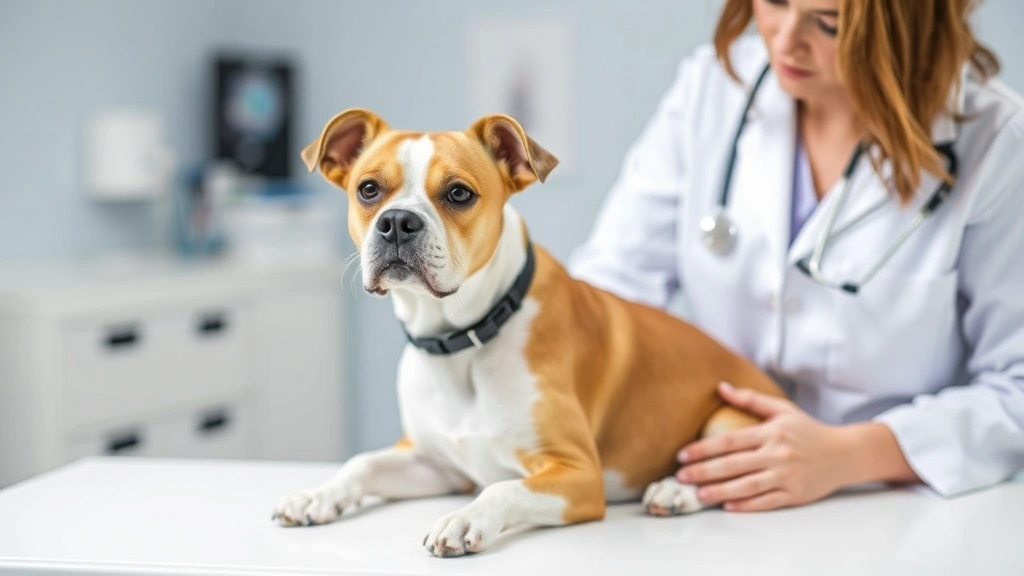
In cases where your dog experiences frequent stomach upset, your veterinarian might suggest dietary modifications or recommend switching to a limited ingredient diet. They might also want to rule out conditions like inflammatory bowel disease, food allergies, or pancreatitis through testing. This is why it’s important not to self-treat with over-the-counter antacids—they prevent your vet from getting an accurate picture of what’s really going on.
Safe Alternatives to Tums
If you want to help your dog feel better without resorting to Tums, there are several evidence-based alternatives that veterinarians actually support. The first and most important is simply giving your dog’s digestive system a break. Fasting for 12 to 24 hours, followed by small meals of bland food, can work wonders for mild stomach upset.
Pumpkin puree is one of the most popular home remedies for digestive issues, and there’s actually some evidence supporting its use. The soluble fiber in pumpkin can help both with diarrhea and constipation. However, make sure you’re using plain pumpkin puree, not pie filling with added sugars and spices. You can also explore whether dogs can have pumpkin seeds, which offer additional nutritional benefits.
Bone broth is another gentle option that many vets approve of for dogs with upset stomachs. The gelatin and nutrients in bone broth can be soothing to the digestive tract, and many dogs find it palatable and comforting. Just make sure it’s made without onions or garlic, which are toxic to dogs.
If you’re interested in natural digestive support, whether dogs can have ginger is worth researching—some studies suggest ginger has anti-inflammatory properties that might help with nausea. However, always check with your vet about appropriate dosages and preparation methods.
Probiotics designed specifically for dogs can also be helpful, especially if your dog’s digestive upset is related to antibiotic use or dietary changes. These beneficial bacteria support a healthy gut microbiome. Your vet can recommend a quality probiotic product that’s been tested for safety and efficacy in dogs.
For dogs prone to diarrhea, there are specific strategies to help beyond just medication. These might include dietary adjustments, increased fiber, or addressing underlying food sensitivities. Your vet can help you develop a comprehensive approach tailored to your individual dog’s needs.
When to Call Your Veterinarian
While mild stomach upset often resolves on its own, certain symptoms warrant immediate veterinary attention. If your dog vomits repeatedly over several hours, has bloody vomit or stool, shows signs of severe abdominal pain, or hasn’t eaten for more than 24 hours, it’s time to call your vet. These could indicate serious conditions that need professional diagnosis and treatment.
You should also contact your veterinarian if your dog’s digestive upset doesn’t improve after 48 hours of home care, or if it’s accompanied by lethargy, fever, or loss of appetite. Puppies and senior dogs should be evaluated more quickly, as they’re more vulnerable to dehydration and complications from digestive upset.
If your dog has eaten something they shouldn’t have—like chocolate, grapes, raisins, or a foreign object—don’t wait to see if their stomach settles. Call your vet or an emergency clinic immediately. These situations require professional assessment and potentially emergency treatment.
Dogs with pre-existing health conditions, those taking medications, or senior dogs should generally be evaluated by a vet for any digestive upset. The same goes for puppies, who can deteriorate quickly if they become dehydrated. When in doubt, it’s always better to err on the side of caution and call your veterinarian.
Preventing Digestive Issues
The best medicine is prevention, and there’s plenty you can do to keep your dog’s digestive system healthy. Start by maintaining a consistent feeding schedule and understanding how much food your dog should eat. Overeating is a common cause of stomach upset, especially in dogs prone to scavenging.
Feed high-quality dog food that’s appropriate for your dog’s age, size, and activity level. Avoid sudden dietary changes, which can trigger digestive upset. If you need to switch foods, do it gradually over 7 to 10 days, mixing increasing amounts of the new food with the old food.
Keep your dog away from table scraps, garbage, and other tempting but potentially problematic foods. Many household items that seem harmless to us—like fatty foods, onions, garlic, chocolate, and certain artificial sweeteners—can cause serious digestive upset or toxicity in dogs. Secure your trash cans and keep potentially dangerous foods out of reach.
Provide plenty of fresh water, as proper hydration is essential for digestive health. Make sure your dog gets regular exercise, which promotes healthy digestion and gut motility. Even moderate daily activity can significantly reduce digestive issues.
Consider adding digestive enzymes or probiotics to your dog’s diet if they have a history of stomach trouble. These can support a healthy gut microbiome and improve overall digestive function. Your vet can recommend products that are safe and effective for your specific dog.
Finally, keep up with regular veterinary check-ups. Your vet can identify potential digestive issues before they become serious problems and can help you develop a preventive care plan tailored to your dog’s individual needs.
Frequently Asked Questions
Can I give my dog one Tums tablet for stomach upset?
While one Tums tablet is unlikely to cause immediate harm, it’s not recommended by veterinarians. The dosage isn’t formulated for dogs, and it may mask more serious conditions. Contact your vet instead of self-treating with human medications.
What’s the difference between Tums and veterinary antacids?
Veterinary antacids like famotidine are specifically dosed and tested for dog safety. They work differently than Tums and are less likely to interfere with your dog’s natural digestive processes. Your vet can prescribe the appropriate medication if needed.
Is it ever safe to give dogs antacids?
Veterinary-approved antacids prescribed by your vet are safe when used as directed. However, over-the-counter human antacids like Tums aren’t recommended. Always consult your veterinarian before giving your dog any medication.
How long should I wait before calling the vet about stomach upset?
For mild symptoms like loss of appetite or mild vomiting, you can monitor your dog for 24 to 48 hours at home with a bland diet. However, if symptoms persist, worsen, or are accompanied by other signs of illness, contact your vet immediately.
Are there any home remedies that are actually safe for dogs?
Yes, bland diet (boiled chicken and rice), plain pumpkin puree, bone broth, and dog-specific probiotics are generally safe and can help with mild digestive upset. Always check with your vet before trying any home remedy, especially if your dog is on medications.
Can Tums interact with my dog’s medications?
Yes, antacids can interfere with medication absorption and effectiveness. This is another reason to avoid giving your dog Tums, especially if they’re taking other medications. Always inform your vet about any supplements or over-the-counter products you’re considering.
What should I do if my dog accidentally ate Tums?
If your dog ate one or two Tums tablets, monitor them closely for any signs of distress. Contact your vet if your dog shows symptoms like vomiting, diarrhea, or unusual behavior. For larger quantities, call your vet or poison control immediately.





