
Can I Use Baby Wipes on My Dog? Safety Tips Every Pet Owner Should Know
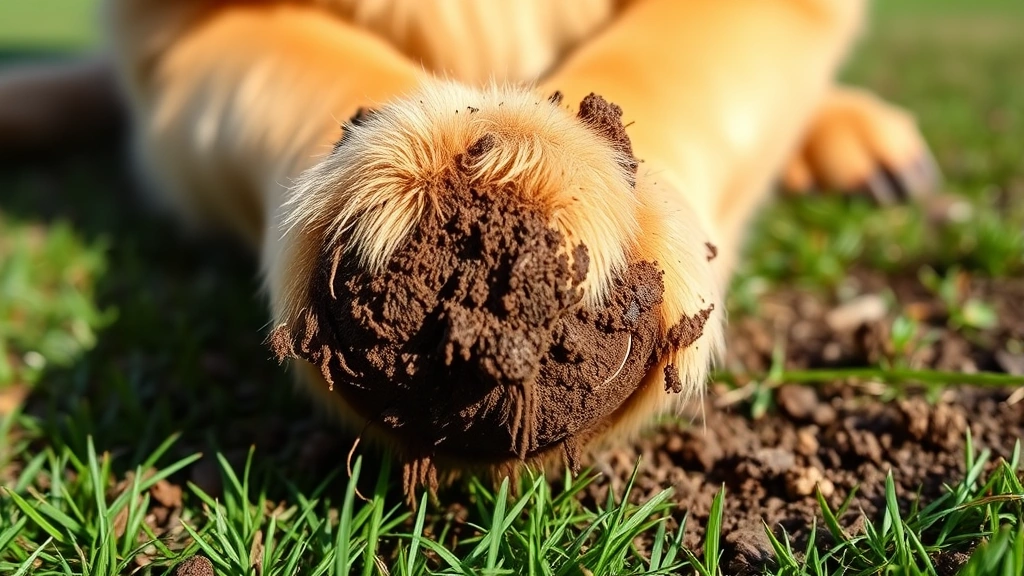
Let’s face it—our furry friends get into everything. Whether it’s muddy paws, sticky fur, or that mysterious gunk they found in the yard, keeping our dogs clean is part of the job description. When life gets messy (literally), many pet parents wonder if they can just grab those convenient baby wipes from the bathroom and give their pup a quick cleanup. It seems logical, right? But before you reach for that pack, let’s dig into whether baby wipes are actually safe for your canine companion.
The short answer? It’s complicated. While baby wipes might seem harmless, using them on dogs requires careful consideration. Your dog’s skin is fundamentally different from human skin, and what’s gentle enough for a baby might not be suitable for Fido. Understanding the differences and knowing what to look for can help you make the best choice for your four-legged friend’s health and comfort.
In this comprehensive guide, we’ll explore everything you need to know about using baby wipes on dogs, including safer alternatives and expert recommendations to keep your pup clean and healthy.
Why Your Dog’s Skin is Different
Here’s something most people don’t realize: dog skin and human skin are vastly different. Your dog’s skin is significantly thinner than yours—about three to five times thinner, to be precise. This means their skin is more delicate and more susceptible to irritation, dryness, and damage.
Another critical difference is pH balance. Human skin is naturally acidic, with a pH range of around 4.5 to 5.5. This acidity helps protect our skin from bacteria and other harmful microorganisms. Dog skin, however, is much more neutral, with a pH between 6.2 and 7.4. This fundamental difference means that products formulated for human skin can disrupt your dog’s natural skin barrier and acid mantle.
Dogs also have fewer sweat glands than humans, and their skin is covered in fur that serves as both insulation and protection. The structure of their hair follicles and skin layers is distinctly different from ours, which is why they require specialized grooming and cleaning products.
Additionally, dogs are prone to specific skin conditions that humans rarely experience. Conditions like hot spots, mange, and various fungal infections are common in dogs, making their skin care needs unique. Using inappropriate products can exacerbate these issues or create new problems.
What’s Actually in Baby Wipes?
To determine whether baby wipes are safe for dogs, we need to understand their composition. Most baby wipes contain several key ingredients:
- Water – The primary ingredient, usually purified or distilled
- Preservatives – Such as methylisothiazolinone (MIT), phenoxyethanol, or sodium benzoate to prevent bacterial growth
- Humectants – Like glycerin or propylene glycol to maintain moisture
- Emollients – Such as aloe vera or lanolin to soothe skin
- Surfactants – Mild cleansing agents to remove dirt and oils
- Fragrance – Often artificial scents or essential oils
While these ingredients are generally recognized as safe for babies, they’re not necessarily ideal for dogs. The preservatives, in particular, can be problematic. Some dogs have sensitivities or allergies to common preservatives used in baby wipes. Fragrances are another concern—dogs have an incredibly sensitive sense of smell, and strong scents can overwhelm them or cause irritation.
Alcohol is another ingredient to watch for. Some wipes contain alcohol as a preservative or antimicrobial agent, and this can dry out your dog’s skin and cause irritation. Always check the ingredient list carefully before considering any wipe product for your pup.
Safety Concerns and Potential Risks
Using baby wipes on dogs comes with several potential risks that every pet owner should understand. First and foremost, the pH imbalance can disrupt your dog’s skin barrier. This protective barrier is crucial for preventing bacteria, allergens, and irritants from penetrating the skin. When this barrier is compromised, your dog becomes more susceptible to infections, allergies, and skin irritation.
If your dog has a tendency to lick or chew their skin—a behavior many dogs exhibit—the ingredients from baby wipes can be ingested. While a small amount might not cause serious harm, repeated exposure to preservatives and other chemicals isn’t ideal. Some ingredients like propylene glycol, when ingested in large quantities, can cause digestive upset or more serious issues.
Dogs with existing skin conditions are at even higher risk. If your pup already struggles with what causes hot spots on dogs, allergies, or sensitive skin, baby wipes could trigger a flare-up or worsen the condition. The fragrances and preservatives might intensify itching, redness, or inflammation.
Another concern is that baby wipes aren’t formulated to address the specific cleaning needs of dogs. They’re not designed to remove the oils from your dog’s coat or to address dirt and debris that accumulates in their fur. Using them might give you a false sense of cleanliness while not actually addressing hygiene needs effectively.
For dogs with certain health conditions or medications, some ingredients in baby wipes could interact negatively. It’s always best to consult with your veterinarian before introducing any new products to your dog’s skin care routine, especially if your dog has a medical history.
When Baby Wipes Might Be Acceptable
Now, let’s be realistic—there are situations where using a baby wipe on your dog probably won’t cause serious harm, though it’s still not ideal. For instance, a quick wipe on the paws after a muddy walk, used occasionally and infrequently, is unlikely to cause major problems for a healthy dog without skin sensitivities.
However, “acceptable” and “recommended” are two different things. Even if it won’t cause immediate harm, there are better options available. If you absolutely must use baby wipes in a pinch, look for ones that are:
- Fragrance-free
- Alcohol-free
- Hypoallergenic
- Formulated with minimal preservatives
- Free of harsh chemicals
Even with these specifications, it should only be a temporary solution. The regular practice of using baby wipes on your dog isn’t recommended by veterinarians or professional groomers.
One important note: if your dog has any existing skin conditions, allergies, or is on medications, do not use baby wipes without consulting your veterinarian first. Your vet can advise you on whether it’s safe for your specific dog’s situation.
Better Alternatives for Dog Cleaning
The good news is that there are excellent alternatives specifically designed for dogs that are far superior to baby wipes. Let’s explore your options:
Dog-Specific Wipes – These are formulated with your dog’s skin pH in mind and contain ingredients that won’t disrupt their natural skin barrier. Many brands offer hypoallergenic, fragrance-free options that are safe for even sensitive skin. Dog wipes typically contain gentler preservatives and beneficial ingredients like oatmeal or aloe vera that are actually beneficial for canine skin.
Dry Shampoo and Waterless Shampoo – These products are excellent for quick cleanups without needing water. They’re designed to absorb oils and dirt from your dog’s coat and can be easily brushed out. Many dogs find the process less stressful than traditional baths.
Regular Baths with Dog Shampoo – While more involved than wipes, a proper bath with dog-specific shampoo is the most thorough cleaning method. If you’re wondering about the basics, our guide on how to give a dog a bath covers everything you need to know about the process.
When choosing a dog shampoo, make sure it’s specifically formulated for dogs. You might wonder if you can use baby shampoo on dogs—the answer is similar to the baby wipe question: it’s not recommended, even though it’s less harsh than adult human shampoo.
Waterless Foam Cleansers – These lightweight foams can be applied and then wiped away with a towel. They’re convenient and require no rinsing, making them perfect for quick cleanups between baths.
Microfiber Towels – Sometimes the simplest solution is the best. A damp microfiber towel can effectively remove dirt and debris from your dog’s coat without any added chemicals. Plain water is often sufficient for everyday cleanup.
Professional Grooming – For thorough cleaning, especially for dogs with long or thick coats, professional groomers have specialized equipment and products that provide superior results.
Best Practices for Keeping Your Dog Clean
Beyond choosing the right cleaning products, there are several best practices for maintaining your dog’s hygiene and health:
Regular Brushing – Brushing your dog’s coat regularly removes loose fur, dirt, and debris before they accumulate. This reduces the need for frequent baths and keeps your dog’s skin healthier. Plus, it helps distribute natural oils throughout their coat.
Paw Care – Dogs’ paws collect a lot of dirt and bacteria. Wiping paws with a damp towel after walks is a good practice. Some pet parents keep a small towel by the door specifically for this purpose. If you’re concerned about excessive paw licking, our article on why do dogs lick their paws might provide some helpful insights.
Bathing Schedule – Most dogs only need a bath every 4-12 weeks, depending on their breed, activity level, and skin condition. Over-bathing can strip natural oils from their skin, leading to dryness and irritation. Your veterinarian can recommend an appropriate bathing schedule for your specific dog.
Ear and Eye Care – These sensitive areas need special attention. Use products specifically designed for ears and eyes, and consult your vet if you notice excessive discharge or odor.
Nail Trimming – Regular nail trims are important for your dog’s overall health and mobility. Long nails can cause discomfort and affect their gait.
Diet and Supplements – A high-quality diet rich in omega-3 and omega-6 fatty acids promotes healthy skin and a shiny coat from the inside out. Your veterinarian can recommend appropriate supplements if needed.
Veterinary Check-ups – Regular vet visits help catch skin issues early before they become serious problems. If you notice any signs of irritation, unusual odor, or excessive scratching, have your vet examine your dog.
When it comes to harsh cleaning products, it’s worth noting that some household items aren’t safe either. For instance, many people wonder if Dawn dish soap is safe for dogs. While it’s sometimes recommended for emergency situations like oil removal, it’s not appropriate for regular use. Similarly, using Dawn on dogs regularly can damage their skin and coat.
Frequently Asked Questions
Are baby wipes toxic to dogs?
Baby wipes aren’t necessarily toxic, but they’re not ideal for dogs. The main concern is the pH imbalance and preservatives that can irritate your dog’s skin or cause allergic reactions. While occasional use on a healthy dog probably won’t cause serious harm, regular use or use on dogs with sensitive skin or existing conditions should be avoided.
What if my dog ingests baby wipe ingredients?
If your dog licks or ingests a small amount of baby wipe residue, it’s unlikely to cause serious harm. However, if you notice signs of digestive upset, vomiting, or lethargy, contact your veterinarian. For dogs that tend to lick their skin excessively, avoid using baby wipes altogether.
Can I use unscented baby wipes on my dogs?
Unscented baby wipes are better than scented ones, but they’re still not ideal. The preservatives and pH balance issues remain concerns. If you must use them, unscented is the better choice, but dog-specific wipes or other alternatives are still preferable.
How often can I safely use baby wipes on my dog?
There’s no established safe frequency for regular use of baby wipes on dogs. They’re simply not formulated for canine skin. If you need to clean your dog frequently, invest in dog-specific products or use plain water and a towel instead.
What’s the best way to clean my dog between baths?
For between-bath cleanups, use dog-specific wipes, a damp microfiber towel with plain water, or waterless dog shampoos. These options are formulated for your dog’s skin pH and won’t cause irritation or disruption to their natural skin barrier.
Are there any dogs that shouldn’t have wipes used on them at all?
Dogs with existing skin conditions, allergies, or sensitivities should avoid any wipes that aren’t specifically designed for dogs and approved by their veterinarian. Puppies and senior dogs may also have more sensitive skin. Always consult your vet if your dog has any health concerns.
What signs of irritation should I watch for after using baby wipes?
Watch for excessive scratching, redness, swelling, rashes, or unusual odors. If your dog develops hot spots or shows signs of infection, stop using the product immediately and contact your veterinarian. These symptoms could indicate an allergic reaction or skin irritation.





