
Is Triple Antibiotic Ointment Safe for Dogs? A Complete Guide for Pet Parents
Your furry best friend just scraped their paw on a rocky trail, and your first instinct is to grab that trusty tube of triple antibiotic ointment from your medicine cabinet. But wait—before you apply it, you’re probably wondering: is this actually safe for dogs? It’s a question thousands of dog parents ask every year, and honestly, the answer isn’t as straightforward as a simple yes or no.
Triple antibiotic ointment, commonly known by brand names like Neosporin, contains three powerful antibiotics: neomycin, polymyxin B, and bacitracin. While these ingredients work wonders on human wounds, our canine companions have different skin chemistry and behaviors that make topical treatments a bit more complicated. The good news? We’re here to break down everything you need to know about using triple antibiotic ointment on your dog, including what veterinarians recommend, potential risks, and safer alternatives for wound care.
Let’s explore this important topic so you can make informed decisions about your dog’s health and safety.
What Is Triple Antibiotic Ointment?
Triple antibiotic ointment is a topical medication designed to prevent bacterial infections in minor cuts, scrapes, and wounds. The three active ingredients work synergistically to create a broad-spectrum antimicrobial barrier. Bacitracin inhibits bacterial cell wall formation, neomycin disrupts protein synthesis in bacteria, and polymyxin B damages bacterial cell membranes. Together, they create a powerful defense against common wound-causing bacteria.
Most formulations also contain petroleum jelly or mineral oil as a base, which provides moisture and helps keep the ointment in place. Some versions include additional ingredients like pain relievers or anti-inflammatory agents. The product has been a staple in human first-aid kits for decades, with a solid track record of safety and effectiveness for people.
However, what works for humans doesn’t always translate perfectly to our four-legged friends. Dogs have thinner skin than humans, different bacterial flora, and a tendency to lick wounds—all factors that change the equation when it comes to topical treatments.
Safety Considerations for Dogs
The short answer to whether triple antibiotic ointment is safe for dogs is: it can be, in limited circumstances. The American Veterinary Medical Association (AVMA) doesn’t categorically prohibit the use of triple antibiotic ointment on dogs, but they emphasize that it should only be used under specific conditions and with veterinary guidance.
The primary safety concern isn’t necessarily the ointment itself—it’s what happens when your dog inevitably licks it off. Dogs are compulsive lickers, especially when something feels foreign on their skin. If your pup ingests large quantities of triple antibiotic ointment, it could cause gastrointestinal upset or other complications. Additionally, some dogs may have individual sensitivities to one or more of the antibiotic ingredients.
According to the ASPCA’s general pet care guidelines, topical medications should be approached cautiously with pets. Dogs’ skin is more permeable than human skin, meaning substances absorb more readily. This increased absorption rate means that even small amounts of medication can have more pronounced effects.
Another important consideration is that dogs with certain health conditions, allergies, or those taking specific medications may have adverse reactions. Pregnant or nursing dogs should avoid unnecessary medications altogether. If your dog has compromised skin barrier function due to allergies, infections, or other dermatological conditions, triple antibiotic ointment might not be the best choice.
Potential Risks and Side Effects
While triple antibiotic ointment is generally considered low-risk when used appropriately, several potential complications warrant your attention. The most common side effect is mild gastrointestinal upset if your dog ingests the ointment. Symptoms might include vomiting, diarrhea, or loss of appetite. These symptoms are typically mild and self-limiting but should still be monitored.
Some dogs develop allergic reactions to one of the antibiotic components. Signs of an allergic reaction include:
- Excessive itching or scratching at the application site
- Redness or swelling that worsens after application
- Hives or rash development
- Facial swelling or difficulty breathing (seek immediate veterinary care)
- Lethargy or unusual behavior changes
Contact dermatitis is another possibility, where your dog’s skin becomes irritated specifically in response to the ointment. This is particularly concerning because it can turn a minor wound into a more serious skin issue. Additionally, some dogs develop sensitivity to neomycin specifically, which is one of the three antibiotics in the formula.
There’s also the risk of antibiotic resistance if the product is used repeatedly or inappropriately. While this is more of a public health concern than an immediate threat to your individual dog, it’s worth understanding that overusing antibiotics—even topically—contributes to the broader problem of antibiotic-resistant bacteria.
For dogs with existing skin conditions like atopic dermatitis or food allergies, applying any new topical substance could exacerbate their symptoms. Similarly, if your dog has a compromised immune system or is on immunosuppressive medications, their ability to fight infection and tolerate topical treatments may be compromised.
When Can You Use It on Your Dog?
If your veterinarian gives the green light, triple antibiotic ointment may be appropriate in very specific scenarios. The ideal candidates for this treatment are dogs with minor, superficial wounds that aren’t infected and show no signs of complications. We’re talking about small scrapes from normal play activity or minor cuts that don’t require stitches.
It’s crucial to understand that this product is best used as a preventative measure on fresh wounds rather than as a treatment for existing infections. If your dog’s wound is already showing signs of infection—such as pus, increasing redness, warmth, or swelling—professional veterinary care is absolutely necessary.
Before considering triple antibiotic ointment, you should have already properly cleaned the dog wound with appropriate solutions. Clean wounds have a much better chance of healing without complications. Many veterinarians prefer that pet owners stick to gentle saline solutions or veterinary-recommended wound cleansers rather than jumping straight to antibiotic ointments.
Your dog’s individual health history matters tremendously. Dogs with known antibiotic sensitivities, those currently on other medications, pregnant or nursing dogs, and puppies under a certain age should generally avoid this product. Elderly dogs or those with compromised health conditions should also be excluded unless explicitly approved by your veterinarian.
Proper Application and Dosage
If you’ve received veterinary approval to use triple antibiotic ointment on your dog’s wound, following proper application guidelines is essential. First, ensure the wound is clean and completely dry before application. Use a sterile gauze pad if needed to remove any moisture.
Apply only a thin layer of the ointment directly to the wound. You don’t need much—a small amount goes a long way. More isn’t better in this case; excess ointment just creates more temptation for your dog to lick it off. Some veterinarians recommend applying the ointment just once daily, while others suggest twice daily for the first few days. Your vet will provide specific guidance based on your dog’s situation.
The critical part of successful application is preventing your dog from licking the treated area. This is where many pet parents struggle. Consider these strategies:
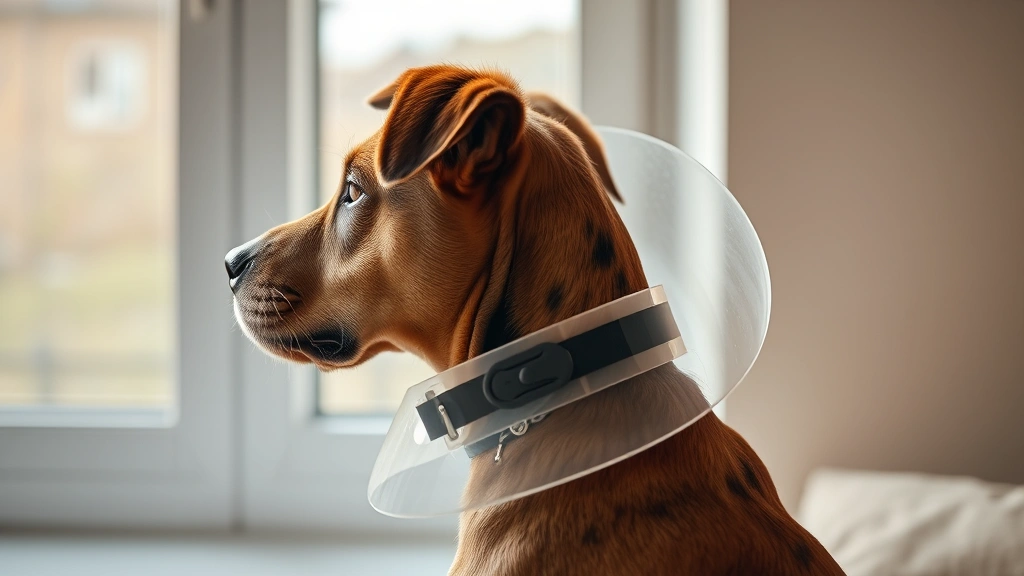
- Use an Elizabethan collar (the cone) to prevent access to the wound
- Cover the wound with a bandage or protective wrap
- Apply the ointment at night and use a cone while you sleep
- Distract your dog with high-value treats or toys immediately after application
- Monitor the area closely for any signs of licking
Keep the wound clean and change any bandages regularly. Watch for signs that the wound isn’t healing properly or is becoming infected. If you notice increased redness, swelling, discharge, or if your dog seems to be in pain, contact your veterinarian immediately.
Safer Alternatives for Dog Wound Care
Many veterinarians actually prefer alternative approaches to wound care that are specifically formulated for dogs. These options often provide similar benefits with fewer concerns about ingestion or adverse reactions. Understanding these alternatives gives you better tools for keeping your pup healthy.
Veterinary-Formulated Wound Care Products are specifically designed for animal skin. These products understand canine skin chemistry and behavior patterns. They’re often formulated to taste bad (intentionally), discouraging licking while still providing antimicrobial benefits. Brands recommended by veterinarians include Vetericyn and similar veterinary-specific products.
If you’re wondering whether Neosporin is safe for dogs, the answer follows similar guidelines as generic triple antibiotic ointment. However, many vets suggest skipping it entirely in favor of products designed for animals. For more detailed information on this specific brand, check out our guide on putting Neosporin on a dog.
Saline Solutions are an excellent first-line treatment for minor wounds. Plain saline or wound wash solutions help cleanse the area without introducing any substances your dog might react to. They’re gentle, effective, and have virtually no risk of adverse effects.
For infection prevention and wound care, using peroxide on dogs is sometimes recommended by veterinarians, though it’s not ideal for all situations. If you’re considering this option, understand the pros and cons by reading our comprehensive guide. We also have information on hydrogen peroxide safety for dogs to help you make informed decisions.
Honey-Based Wound Dressings have gained popularity in veterinary medicine. Medical-grade manuka honey has antimicrobial properties and promotes healing. Unlike triple antibiotic ointment, it’s much safer if ingested in small quantities and dogs typically find it less appealing to lick.
Silver-Based Dressings are another veterinary-approved option that provides antimicrobial protection without the concerns associated with antibiotics. These are particularly useful for wounds that are at higher risk of infection.
For more serious concerns, such as treating a dog’s bladder infection, systemic medications prescribed by your veterinarian are necessary rather than topical treatments. This illustrates why professional guidance is so important for various health issues.
When to Consult Your Veterinarian
Knowing when to seek professional help is crucial for responsible pet ownership. You should contact your veterinarian before using triple antibiotic ointment if:
- Your dog has a known history of drug allergies or sensitivities
- Your dog is currently taking other medications
- Your dog has skin conditions like allergies or dermatitis
- Your dog is pregnant, nursing, or a very young puppy
- The wound appears deep, won’t stop bleeding, or is on the face or near eyes
- Your dog shows any signs of infection (pus, excessive swelling, heat)
- You’re unsure about the severity of the injury
You should seek immediate veterinary attention if your dog has a wound that:
- Won’t stop bleeding after 10-15 minutes of gentle pressure
- Is longer than ¼ inch or has deep penetration
- Is on the face, joints, or near vital areas
- Shows signs of infection within 24-48 hours
- Doesn’t improve within a week
- Causes your dog severe pain or behavioral changes
Your veterinarian can properly assess the wound, determine if stitches are needed, prescribe appropriate treatments if infection develops, and provide specific guidance about your individual dog’s situation. This professional input is invaluable and often prevents minor issues from becoming major problems.
According to the American Animal Hospital Association, veterinary guidance is recommended for any wound care decisions, especially when using over-the-counter human medications on pets.
Frequently Asked Questions
Is triple antibiotic ointment toxic to dogs?
Triple antibiotic ointment is not considered toxic to dogs in small quantities, but ingestion can cause gastrointestinal upset. The bigger concern is potential allergic reactions to the antibiotic components or contact dermatitis. Always consult your veterinarian before use.
What should I do if my dog licks triple antibiotic ointment?
If your dog licks a small amount of triple antibiotic ointment, it’s usually not cause for emergency concern. Monitor them for signs of gastrointestinal upset like vomiting or diarrhea. If they ingest a large quantity or show concerning symptoms, contact your veterinarian or poison control.
Can I use triple antibiotic ointment on my dog’s ears?
No, triple antibiotic ointment should not be used inside your dog’s ears. Ear tissues are delicate and sensitive, and this product can cause irritation or worsen existing ear problems. Always use ear-specific products or consult your vet for ear care.
How long can my dog wear the Elizabethan collar after ointment application?
Dogs should wear an Elizabethan collar as long as needed to prevent licking—typically at least 15-30 minutes after application, though longer is often necessary. Some dogs need to wear it continuously for several days depending on the wound and their licking behavior.
Are there dog breeds that shouldn’t use triple antibiotic ointment?
There’s no breed-specific contraindication for triple antibiotic ointment, but individual dogs may have sensitivities regardless of breed. Dogs with known allergies or sensitive skin should be avoided. Always inform your vet about your dog’s full medical history.
Can I use expired triple antibiotic ointment on my dog?
No, expired medications should never be used. The antibiotic components may have degraded, reducing effectiveness or potentially creating harmful byproducts. Always use fresh products and properly dispose of expired medications.
What’s the difference between triple antibiotic ointment and antibiotic creams?
Ointments have an oil or petroleum base and create a protective barrier, while creams have a water base and absorb more quickly. For dogs, the choice depends on the wound type and your vet’s recommendation. Ointments may be more tempting to lick due to their texture.
Should I bandage the wound after applying triple antibiotic ointment?
Bandaging depends on the wound location and your dog’s behavior. Bandages can prevent licking and keep the ointment in place, but they also need regular changing to prevent infection. Your veterinarian can recommend the best approach for your specific situation.





