
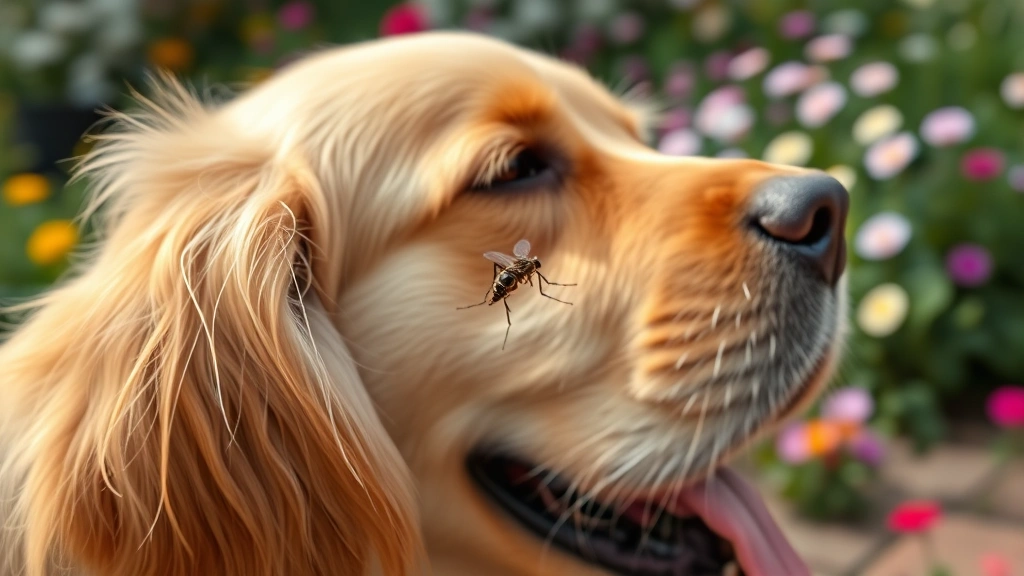
Can Mosquitoes Bite Dogs? What Pet Owners Should Know
If you’ve ever wondered whether your furry best friend is safe from mosquitoes during those warm summer months, you’re not alone. The short answer is yes—mosquitoes absolutely can and do bite dogs. But here’s where it gets interesting: while a mosquito bite itself might seem like a minor annoyance, the real danger lies in what those tiny vampires can transmit. From heartworm disease to West Nile virus, mosquitoes pose a legitimate health threat to our canine companions that deserves serious attention from responsible pet owners.
As someone who loves spending time outdoors with their dog, understanding mosquito risks isn’t just about comfort—it’s about protecting your pup’s long-term health. The good news? There’s plenty you can do to keep those buzzing parasites at bay. In this comprehensive guide, we’ll explore everything you need to know about mosquitoes and dogs, including prevention strategies, health risks, and what to do if your dog gets bitten.
Whether you’re planning a backyard barbecue, a hiking adventure, or simply letting your dog enjoy some fresh air, this article will equip you with the knowledge to make informed decisions about your pet’s safety during mosquito season.
Can Mosquitoes Actually Bite Dogs?
Let’s settle this once and for all: yes, mosquitoes can bite dogs. In fact, they’re more than capable—they’re enthusiastic about it. Here’s the fascinating (and slightly unsettling) truth: only female mosquitoes bite. Male mosquitoes feed on plant nectar and other non-blood sources, but females require blood protein to develop their eggs. Your dog’s warm blood is like an all-you-can-eat buffet for a hungry female mosquito.
A dog’s fur provides some natural protection against mosquitoes, but it’s far from foolproof. Mosquitoes are surprisingly skilled at finding exposed skin on your pup’s ears, nose, belly, and paw pads. Thin-haired or hairless breeds face even greater vulnerability. The mosquito’s needle-like proboscis pierces through fur and skin to access the blood vessels beneath, and unlike the itchy welts humans get, your dog might not even notice the bite happening.
The real issue isn’t the bite itself—it’s what the mosquito leaves behind. When a mosquito feeds on your dog, it can transmit dangerous pathogens directly into the bloodstream. This is where the genuine health concerns begin, and why mosquito prevention should be on every dog owner’s radar.

Why Do Mosquitoes Target Dogs?
Mosquitoes are attracted to dogs for several biological reasons. First, they’re drawn to body heat and carbon dioxide—both of which dogs produce in abundance. Your pup’s warm body temperature is like a beacon in the night for these insects. Additionally, mosquitoes detect lactic acid and other compounds in sweat, making active or warm dogs even more appealing targets.
Certain factors make some dogs more susceptible to mosquito bites than others. Dogs with lighter-colored fur, shorter coats, or thin hair are easier targets. Outdoor dogs and those who spend significant time in yards, parks, or near standing water face higher exposure rates. Even indoor dogs can encounter mosquitoes, especially during warmer months when these insects find their way inside homes.
The time of day matters too. Mosquitoes are most active during dawn and dusk, though some species are active throughout the day. If your dog loves early morning or evening walks, you might want to adjust timing during peak mosquito season or take additional precautions.
Heartworm Disease: The Biggest Threat
When we talk about mosquitoes and dogs, heartworm disease deserves top billing. This is the serious stuff—the reason veterinarians emphasize mosquito prevention year-round. Heartworm is a parasitic infection transmitted exclusively through mosquito bites, and it’s one of the most significant health threats facing dogs today.
Here’s how it works: infected mosquitoes carry heartworm larvae. When they bite your dog, these larvae enter the bloodstream and begin a months-long journey through your pup’s body. They eventually reach the heart and pulmonary arteries, where they mature into adult worms that can grow up to 12 inches long. A single infected dog can harbor hundreds of these parasites.
The consequences are severe. Heartworm disease causes:
- Persistent cough and difficulty breathing
- Lethargy and exercise intolerance
- Heart failure and circulatory problems
- Organ damage if left untreated
- Potential death in advanced cases
According to the American Heartworm Society, heartworm is prevalent in all 50 states, with particularly high concentrations in the Southeast and Mississippi River valley. Even if you live in a supposedly low-risk area, climate change and increasing mosquito populations mean no dog is truly safe.
The good news? Heartworm is preventable. Monthly preventative medications are highly effective at stopping heartworm before it starts. Your veterinarian can recommend the best option for your dog’s age, weight, and health status. These medications are far cheaper and easier than treating established heartworm disease, which requires expensive veterinary treatment and carries significant risks.

Other Mosquito-Borne Diseases
While heartworm steals the spotlight, mosquitoes can transmit several other concerning conditions to dogs. West Nile virus is perhaps the most notable. This virus can cause fever, lethargy, loss of appetite, and in severe cases, neurological symptoms. Dogs infected with West Nile virus typically recover, but some may experience long-term complications.
Encephalitis, another mosquito-borne illness, affects the brain and can cause serious neurological problems. Dogs with encephalitis may display confusion, seizures, coordination problems, and behavioral changes. Eastern equine encephalitis (EEE) and Western equine encephalitis (WEE) are particularly dangerous variants.
Dengue fever, while more common in humans, can also affect dogs in endemic areas. Some research suggests that mosquito-borne illnesses in pets often go undiagnosed because symptoms overlap with other conditions. This makes prevention even more critical than treatment.
It’s worth noting that just because your dog gets bitten by a mosquito doesn’t mean they’ll contract these diseases. However, the risk increases with exposure frequency and in areas where these diseases are prevalent. This is why protecting your dog from mosquito bites is such an important part of responsible pet ownership.
Signs Your Dog Has Been Bitten
Unlike fleas, which you might notice immediately, mosquito bites can be subtle. However, there are several signs that indicate your dog has been targeted by mosquitoes. If you’re concerned about parasites in general, learning how dogs get fleas can help you distinguish between different pest-related issues.
Immediate signs of mosquito bites include:
- Small red bumps or welts on hairless or thin-haired areas
- Itching and scratching at specific spots
- Swelling around the bite area
- Your dog pawing at their ears, face, or belly
Some dogs have more pronounced reactions than others. If your pup has sensitive skin or allergies, mosquito bites might cause more significant inflammation. You might notice your dog excessively licking or biting at bite sites, which can lead to secondary infections.
Long-term signs of mosquito-borne illness appear weeks or even months after infection. These include persistent cough, reduced energy levels, loss of appetite, weight loss, and general malaise. If you notice these symptoms, especially during or shortly after mosquito season, contact your veterinarian immediately. Early detection and treatment make a significant difference in outcomes for diseases like heartworm and other parasitic infections.
Prevention Strategies That Work
The best approach to mosquito-related health threats is prevention. Here’s a multi-layered strategy that really works:
Veterinary Prevention Medications
Monthly heartworm preventatives are your first line of defense. Products like Heartgard, NexGard Plus, and Simparica Trio not only prevent heartworm but also protect against other parasites. Your veterinarian will recommend the most appropriate option based on your dog’s specific needs. These medications are safe, effective, and far less expensive than treating established heartworm disease.
Environmental Control
Reduce mosquito populations around your home by eliminating standing water where they breed. This includes:
- Emptying bird baths daily or treating them with mosquito dunks
- Cleaning gutters and downspouts regularly
- Fixing leaky outdoor faucets
- Removing stagnant water from flower pots and planters
- Keeping grass trimmed and removing brush where mosquitoes rest
Timing and Location
Adjust your dog’s outdoor schedule to avoid peak mosquito hours (dawn and dusk). If possible, keep your dog indoors during these times during peak mosquito season. Avoid walking near standing water, marshy areas, or wooded regions where mosquitoes congregate.
Natural Repellents
While not a substitute for veterinary prevention, certain natural repellents can provide additional protection. If you’re interested in plant-based options, understanding whether lavender is safe for dogs can help you make informed choices about natural mosquito deterrents. Some veterinarians recommend essential oil-based sprays, though always verify safety with your vet before applying anything to your dog’s skin.
Protective Clothing
For short outdoor trips during peak mosquito season, lightweight protective clothing or mosquito netting designed for dogs can provide physical barriers against bites. These are particularly useful for puppies, senior dogs, or those with compromised immune systems.
Yard Maintenance
Keep your yard mosquito-unfriendly by maintaining proper drainage, removing leaf litter, and trimming vegetation. Mosquitoes rest in tall grass and dense vegetation during the day, so keeping your yard well-maintained reduces available habitat for these pests.
Treatment and Care Options
If your dog does get bitten, treatment depends on the severity of the reaction and whether any disease transmission has occurred. For simple mosquito bites, most dogs need no special treatment. The itching usually subsides within a day or two.
Managing Bite Reactions
If your dog is uncomfortable from bites, you can:
- Apply a cool compress to reduce swelling
- Use veterinary-approved hydrocortisone cream if approved by your vet
- Prevent scratching with an Elizabethan collar if necessary
- Avoid scratching-inducing activities
If you notice unusual skin reactions or patterns similar to other parasitic infestations, consult your veterinarian to rule out other pest-related issues.
Disease-Specific Treatment
If your dog develops symptoms of heartworm or other mosquito-borne diseases, treatment depends on the specific condition and severity. Heartworm treatment, for example, involves a series of injections to kill adult worms, followed by strict rest to prevent complications as dead worms are cleared from the body. This process requires close veterinary supervision and can be risky, which reinforces why prevention is so critical.
For other diseases like West Nile virus or encephalitis, treatment is largely supportive—managing symptoms while the dog’s immune system fights the infection. Hospitalization may be necessary for severe cases.
Recovery and Monitoring
After any mosquito-borne illness, your dog requires careful monitoring and follow-up veterinary care. Recovery times vary depending on the disease and your dog’s overall health. During recovery, provide a calm environment, follow your vet’s activity restrictions, and watch for any complications.
Frequently Asked Questions
How often should my dog receive heartworm prevention?
Most heartworm preventatives are administered monthly, though some newer formulations last for six or twelve months. Your veterinarian will recommend the best schedule based on your dog’s lifestyle and your local heartworm prevalence. Even if you live in a low-risk area, the American Kennel Club recommends year-round prevention.
Can indoor dogs get bitten by mosquitoes?
Yes, indoor dogs can get bitten if mosquitoes find their way inside, which happens more often than you’d think. Keeping screens in good repair and using fans (mosquitoes struggle to fly in moving air) helps protect indoor dogs. However, the risk is significantly lower for dogs that stay primarily indoors.
What’s the difference between heartworm and other parasites?
Heartworm is transmitted exclusively by mosquitoes, while fleas, ticks, and lice are transmitted through direct contact or contaminated environments. This is why different prevention strategies target different parasites. Many modern preventatives address multiple parasites simultaneously.
Is heartworm curable?
Yes, heartworm is treatable, but treatment is expensive, carries risks, and requires strict activity restriction during recovery. Prevention is vastly preferable to treatment. Caught early, heartworm has good treatment outcomes, but advanced cases can be life-threatening.
When does mosquito season start and end?
Mosquito season varies by region. In warmer climates, mosquitoes can be active year-round. In cooler areas, they’re most prevalent from late spring through early fall. However, many veterinarians recommend year-round heartworm prevention regardless of location due to climate variability and indoor mosquitoes.
Are certain dog breeds more susceptible to mosquito bites?
Dogs with shorter or lighter-colored coats face greater risk of mosquito bites simply due to less protective fur. Hairless breeds like Xoloitzcuintli or Chinese Cresteds are particularly vulnerable. However, all dogs can be bitten and infected with mosquito-borne diseases regardless of breed.
Can mosquito bites cause allergic reactions in dogs?
Some dogs develop allergic reactions to mosquito saliva, resulting in more severe itching, swelling, and inflammation than typical bites. If your dog seems to have exaggerated reactions to insect bites, discuss this with your veterinarian, as they may recommend additional protective measures.





