
Can You Freeze Fresh Pet Dog Food? The Complete Guide
If you’ve recently switched your furry best friend to fresh dog food, you’ve probably asked yourself: “Can I freeze fresh pet dog food?” The answer is a resounding yes! Freezing fresh dog food is not only possible—it’s actually one of the smartest strategies for pet parents who want to maintain nutritional value while managing their budget and reducing food waste. Whether you’re buying in bulk, preparing homemade meals, or simply want to extend the shelf life of premium fresh food, understanding the ins and outs of freezing is essential.
Fresh dog food has become increasingly popular among pet owners who want to provide their companions with minimally processed, nutrient-dense meals. However, unlike kibble that can sit in your pantry for months, fresh food requires thoughtful storage planning. The good news? With proper freezing techniques, you can preserve your pup’s meals without compromising quality or safety. This guide will walk you through everything you need to know about freezing fresh pet dog food, from preparation methods to thawing best practices.
Let’s dive into the frosty details that will help you become a freezing pro and keep your dog’s meals fresh, safe, and delicious!
Why Freeze Fresh Dog Food?
Freezing fresh dog food offers numerous advantages that extend far beyond simple convenience. First and foremost, it significantly extends the shelf life of your dog’s meals. While proper dog food storage typically involves refrigeration for 3-5 days, freezing can preserve meals for several months, giving you tremendous flexibility in meal planning.
Cost savings represent another compelling reason to freeze fresh dog food. Many pet parents find that purchasing fresh food in bulk and freezing portions allows them to take advantage of sales and discounts. This approach is particularly beneficial if you have multiple dogs or prefer premium brands that might otherwise strain your budget.
From a health perspective, freezing preserves the nutritional integrity of fresh meals. Unlike cooking at high temperatures, freezing doesn’t degrade essential vitamins and minerals that your pup needs for optimal health. According to the ASPCA, proper storage methods maintain the quality of fresh pet foods while eliminating harmful bacteria.
Convenience cannot be overstated either. Having pre-portioned frozen meals means you can simply grab a serving from the freezer on busy mornings or when you’re traveling. This eliminates the stress of wondering whether your dog’s fresh food is still safe to eat after sitting in the fridge for several days.
Types of Fresh Dog Food You Can Freeze
Not all fresh dog foods are created equal, and understanding which types freeze well is crucial for maintaining quality. Commercially prepared fresh dog food is specifically designed with freezing in mind. Brands that offer fresh pet food options often recommend freezing as the primary storage method, and most come in containers that withstand freezing temperatures without degrading.
Raw or lightly cooked homemade dog food freezes exceptionally well. If you’re preparing meals at home using ingredients like vegetables, grains, and proteins, freezing is an ideal preservation method. The key is ensuring your recipes meet your dog’s nutritional requirements before you freeze them in batches.
Pre-portioned fresh meal kits designed for dogs are another excellent candidate for freezing. These are typically vacuum-sealed or packaged specifically to handle frozen storage, making them practically foolproof for home freezing.
When it comes to raw ground beef and other raw proteins, freezing is not just acceptable—it’s recommended by veterinarians as a food safety measure. Freezing kills many parasites and reduces bacterial contamination risks.
Best Freezing Methods and Containers
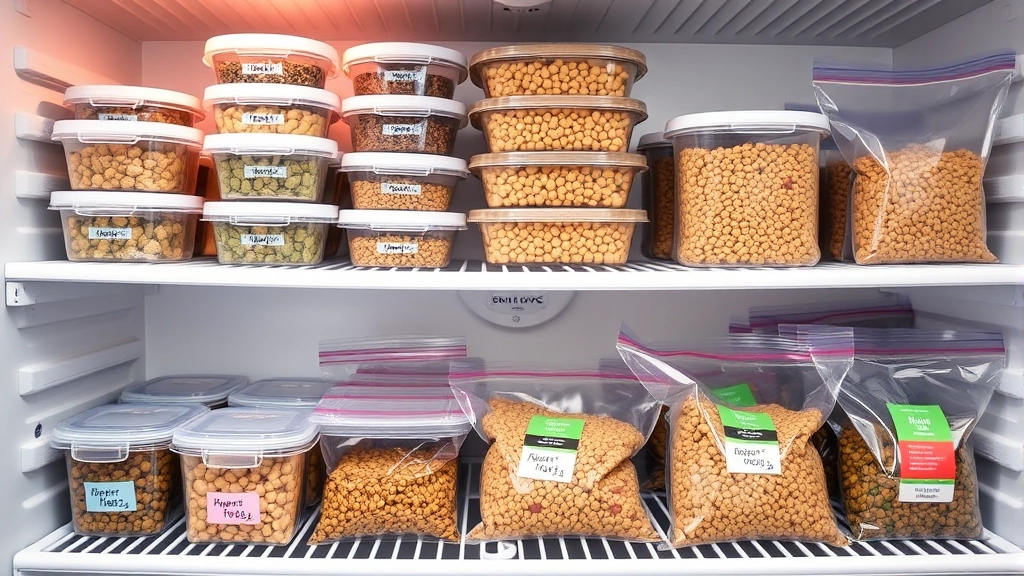
Selecting the right containers is absolutely critical for successful freezing. Airtight containers are your first line of defense against freezer burn and oxidation. Glass containers with secure lids are ideal because they’re durable, don’t leach chemicals, and allow you to see contents at a glance. Freezer-safe plastic containers work well too, though you should ensure they’re specifically labeled as freezer-safe.
Silicone ice cube trays or muffin tins offer brilliant solutions for portion control. By freezing fresh dog food in individual servings, you can thaw exactly what you need without waste. Once frozen solid, pop the portions into freezer bags for efficient storage and organization.
Vacuum-sealing technology is a game-changer for serious pet parents. This method removes air and creates an airtight seal, dramatically extending shelf life and preventing freezer burn. If you invest in a vacuum sealer, you’ll find it invaluable for storing dog food efficiently.
Freezer bags designed for long-term storage are another practical option. Ensure they’re heavy-duty, and always remove as much air as possible before sealing. Label everything with the contents and freezing date—this simple step prevents confusion later.
Step-by-Step Freezing Guide
Ready to become a freezing expert? Follow these straightforward steps to ensure your dog’s fresh food maintains maximum quality:
- Cool the food first: If you’re freezing homemade meals, allow them to cool to room temperature before freezing. This prevents condensation buildup and temperature fluctuations in your freezer.
- Portion appropriately: Determine your dog’s daily serving size based on how much food you should feed your dog. Freeze in portions that match these requirements for maximum convenience.
- Use quality containers: Transfer food into freezer-safe containers, leaving minimal headspace to accommodate expansion.
- Label clearly: Write the date frozen, expiration date, and contents on each container. This prevents mystery meals and ensures you rotate stock properly.
- Freeze flat when possible: If using freezer bags, freeze them flat for easier stacking and storage organization.
- Maintain proper temperature: Keep your freezer at 0°F (-18°C) or below. This temperature ensures food safety and optimal preservation.
- Organize strategically: Store older portions in front and newer ones in back, following the “first in, first out” principle.
Storage Duration and Shelf Life
Understanding how long frozen fresh dog food stays safe is essential for preventing spoilage and foodborne illness. Commercially prepared fresh dog food typically remains safe for 6-8 months when frozen at proper temperatures. However, quality and nutritional value begin declining after 3-4 months, so earlier consumption is preferable.
Homemade fresh dog food follows similar guidelines—approximately 3-4 months for optimal quality, though it may remain technically safe for up to 6 months. The exact duration depends on ingredients used and preparation methods.
Raw diets, including raw meat-based foods, can be frozen for 3-6 months. According to AAFCO guidelines, proper freezing significantly extends the safe storage period for raw proteins by halting bacterial growth.
Several factors affect shelf life duration. The initial freshness of ingredients matters tremendously—food that’s fresh when frozen will last longer than food that was already aging. Freezer temperature consistency is critical; fluctuations caused by frequent door opening reduce storage duration. Finally, the type of protein and fat content influences how long food maintains quality, as fatty foods oxidize faster than lean options.
How to Thaw Frozen Dog Food Safely
Thawing frozen dog food properly is just as important as freezing it correctly. Improper thawing can undo all your careful preparation work and introduce harmful bacteria. Refrigerator thawing is the gold standard. Transfer your frozen portion to the refrigerator 24 hours before serving. This gradual thawing maintains food safety and nutritional integrity. Once thawed in the refrigerator, use the food within 3-4 days.
Cold water thawing works when you’re in a time crunch. Seal the frozen food in a bag and submerge it in cold water, changing the water every 30 minutes. This method typically takes 1-2 hours depending on portion size. Never use warm or hot water, as this creates a temperature danger zone where bacteria multiply rapidly.
Room temperature thawing is not recommended for dog food, just as it isn’t for human food. Bacteria can proliferate rapidly in the danger zone between 40°F and 140°F, potentially causing serious gastrointestinal issues. Some pet parents wonder if dogs can eat frozen food directly, and while some dogs enjoy frozen treats, thawing before serving ensures optimal digestion and food safety.
Microwave thawing should be avoided for dog food. The uneven heating can create hot spots that may burn your dog’s mouth or damage heat-sensitive nutrients.
Tips for Maximum Freshness
Beyond basic freezing and thawing, several strategies help maintain peak freshness and nutritional quality. Vacuum-sealed portions significantly outperform standard container storage in preventing freezer burn. If you have a vacuum sealer, it’s worth the investment for serious dog food freezing.
Maintain consistent freezer temperature by avoiding frequent door openings and ensuring your freezer isn’t overstocked, which restricts air circulation. A freezer thermometer helps verify that your freezer maintains 0°F or below.
Rotate your stock religiously using the first-in, first-out method. This ensures older portions are used before newer ones, preventing accidental spoilage of older meals. Clear labeling makes this system foolproof.
Consider freezing in small portions rather than large batches. While this requires more containers, it means you’re only thawing what your dog will eat, minimizing waste and maintaining freshness. Single-serving portions are particularly ideal if you have concerns about how long your dog can go without eating fresh food.
Keep detailed records of what you freeze and when. A simple spreadsheet or note on your phone helps you track inventory and plan meals efficiently. This prevents the frustration of searching through your freezer wondering what’s inside each package.
For homemade meals, consider batch cooking on specific days. Dedicating one or two days monthly to preparing and freezing multiple meals ensures consistency and makes the process more efficient.
Frequently Asked Questions
Is it safe to freeze fresh dog food?
Absolutely! Freezing fresh dog food is one of the safest and most effective preservation methods available. According to veterinary nutritionists and the Association of American Feed Control Officials, proper freezing maintains food safety and nutritional quality. Just ensure you freeze at 0°F or below and use proper containers to prevent freezer burn.
How long can you keep frozen dog food?
Fresh dog food remains safe for 3-6 months when frozen at proper temperatures, though quality is optimal within the first 3-4 months. The exact duration depends on ingredients, initial freshness, and whether the food is commercially prepared or homemade. Always label with freezing dates to track storage duration.
Does freezing kill nutrients in dog food?
Freezing actually preserves nutrients better than many alternative storage methods. Unlike cooking or prolonged refrigeration, freezing halts bacterial growth and enzymatic degradation without exposing food to heat. Most vitamins and minerals remain intact, making frozen fresh food nutritionally comparable to freshly prepared meals.
Can you freeze fresh dog food multiple times?
It’s best to avoid refreezing thawed dog food. Once thawed, bacteria may have begun multiplying, and refreezing doesn’t eliminate these microorganisms. Freeze in appropriate portion sizes so you only thaw what your dog will eat immediately.
What containers are best for freezing dog food?
Glass containers with secure lids, heavy-duty freezer bags, and vacuum-sealed portions all work excellently. Avoid containers not labeled freezer-safe, as they may crack or leach chemicals at freezing temperatures. Silicone trays are fantastic for portioning before transferring to storage containers.
Should you thaw frozen dog food before serving?
Thawing is generally recommended for optimal digestion and food safety. However, some dogs enjoy frozen meals as treats. If serving frozen, ensure portions are small enough to prevent choking hazards. Most nutritionists recommend thawing for complete meals to ensure proper digestion and temperature consistency with your dog’s body.
Can puppies eat frozen fresh dog food?
Yes, puppies can eat frozen fresh dog food that’s been properly thawed. Ensure the food meets puppies’ specific nutritional requirements for growth and development. Consult your veterinarian to confirm that thawed fresh food provides appropriate calories and nutrients for your puppy’s age and size.





