

Can You Give a Dog Claritin? What Vets Recommend
If your furry best friend has been scratching up a storm, sneezing constantly, or showing signs of allergies, you’ve probably wondered whether you could reach into your medicine cabinet and grab some Claritin to help them feel better. It’s a natural instinct—after all, we use antihistamines to manage our own allergies all the time. But here’s the thing: giving your dog medication without understanding the ins and outs can be risky business. Let’s dive into what you actually need to know about Claritin and your canine companion.
The short answer is yes, you can give your dog Claritin, but there are important caveats, dosing considerations, and situations where it might not be the best choice. Before you start self-medicating your pup, understanding how this antihistamine works, what the proper dosage is, and when to call your vet is absolutely crucial. Your dog’s health and safety should always come first, and that means making informed decisions about their medication.
Whether your dog is battling seasonal allergies, environmental sensitivities, or chronic itching, knowing your options for allergy relief can help you have a more productive conversation with your veterinarian. Let’s explore everything you need to know about using Claritin for dogs and what veterinary professionals actually recommend.
What Is Claritin and How Does It Work?
Claritin is the brand name for loratadine, a second-generation antihistamine that’s been around since the 1980s. Unlike first-generation antihistamines like diphenhydramine (found in Benadryl for dogs), loratadine is considered non-sedating because it doesn’t cross the blood-brain barrier as readily. This means it won’t make your dog as drowsy, which can be an advantage in certain situations.
The medication works by blocking histamine receptors in the body. When your dog encounters an allergen—whether it’s pollen, dust mites, mold, or food proteins—their immune system releases histamine as a defensive response. This histamine causes the itching, sneezing, watery eyes, and other allergy symptoms you see in your pup. By blocking histamine receptors, Claritin prevents these uncomfortable symptoms from developing or reduces their severity.
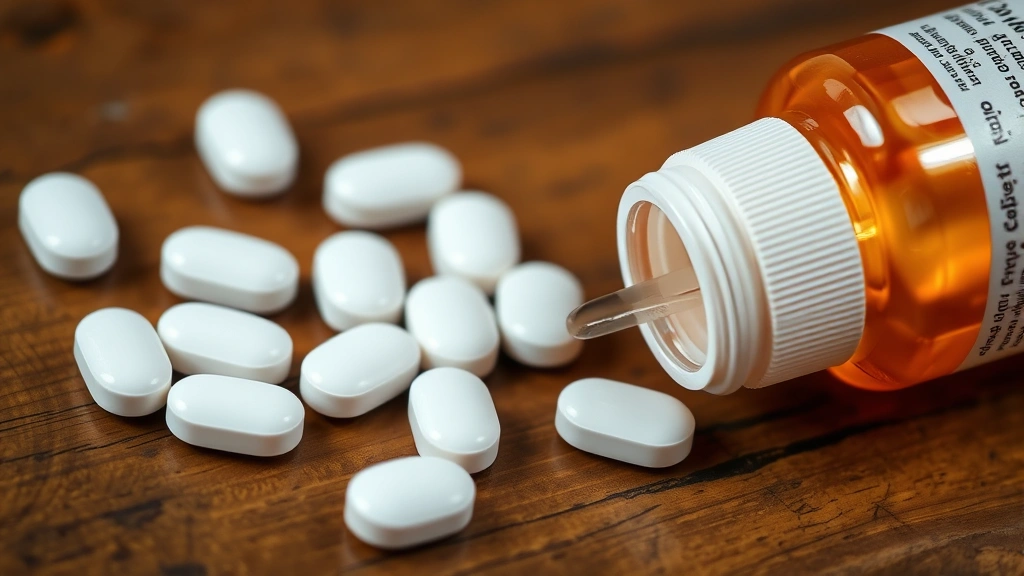
Claritin comes in various forms: tablets, liquids, and dissolving tablets. For dogs, the tablet form is most commonly used, though some pet owners prefer the liquid version for easier administration. It’s important to note that while Claritin is available over-the-counter for humans, giving it to your dog still requires veterinary guidance and approval.
Is Claritin Safe for Dogs?
The good news is that Claritin is generally considered safe for dogs when used appropriately. Veterinarians do prescribe and recommend loratadine for canine allergies fairly regularly. However, “generally safe” doesn’t mean it’s safe for every dog in every situation.
According to the American Kennel Club, antihistamines like loratadine can be used to manage allergies in dogs, though they emphasize that veterinary oversight is essential. Some dogs tolerate Claritin beautifully, while others might experience adverse reactions or have underlying health conditions that make it unsuitable.
Certain dogs should absolutely avoid Claritin, including:
- Dogs with liver disease or kidney problems
- Pregnant or nursing dogs
- Dogs taking certain medications that interact with loratadine
- Dogs with known sensitivity or allergy to loratadine
- Very young puppies (typically under 12 weeks)
Additionally, if your dog has heart conditions, glaucoma, or urinary retention issues, Claritin may not be appropriate. This is precisely why veterinary consultation isn’t optional—it’s essential.
Claritin Dosage Guidelines for Dogs
If your vet gives you the green light to use Claritin for your dog, proper dosing is critical. The standard veterinary recommendation is approximately 0.2 mg per pound of body weight, given once or twice daily. However, this can vary based on your individual dog’s needs and your vet’s professional judgment.
Here’s a general dosing guide for reference:
- Small dogs (under 25 lbs): Typically 5 mg once daily
- Medium dogs (25-50 lbs): Usually 10 mg once daily
- Large dogs (over 50 lbs): Often 10 mg twice daily
Most vets recommend starting with the lowest effective dose and adjusting as needed based on your dog’s response. Some dogs might benefit from twice-daily dosing, while others do fine with once-daily administration. The key is consistency and monitoring.
It’s crucial that you use the plain Claritin product without added ingredients like pseudoephedrine (a decongestant) or acetaminophen. These additives can be harmful or even toxic to dogs. Always check the label carefully and discuss the specific product with your veterinarian before giving it to your pup.
If you’re considering other antihistamine options, you might want to explore how much Zyrtec you can give your dog, as cetirizine is another commonly recommended option. Some vets also suggest Benadryl dosing for dogs, though it tends to cause more drowsiness.

Potential Side Effects and Risks
While Claritin is generally well-tolerated, like any medication, it can cause side effects in some dogs. Being aware of these potential reactions helps you monitor your pup and know when to contact your vet.
Common side effects may include:
- Mild drowsiness (less common than with first-generation antihistamines)
- Dry mouth
- Urinary retention
- Constipation or diarrhea
- Loss of appetite
- Headache (though dogs can’t tell us about this directly)
More serious but rare side effects can include allergic reactions, severe lethargy, or gastrointestinal upset. If you notice your dog experiencing any unusual symptoms after starting Claritin, contact your veterinarian immediately.
According to the ASPCA, it’s important to monitor your dog’s response to any new medication, especially during the first few days of treatment. Some dogs may experience an improvement in allergy symptoms within hours, while others might take a few days to show noticeable results.
Overdose is also a concern, though Claritin has a relatively wide safety margin. If you accidentally give your dog too much Claritin, symptoms might include severe drowsiness, rapid heart rate, or gastrointestinal distress. Contact your veterinarian or an emergency animal hospital if you suspect an overdose.
Alternative Allergy Relief Options
Claritin isn’t your only option for managing your dog’s allergies. Understanding the full spectrum of available treatments can help you and your vet determine the best approach for your specific pup.
If you’re exploring different antihistamine options, whether dogs can have Benadryl is worth investigating, as it’s often more sedating but sometimes more effective for severe allergies. Another popular choice is Zyrtec for dogs, which many vets consider equally effective to Claritin.
Beyond antihistamines, there are several other approaches to managing canine allergies:
- Prescription medications: Apoquel and Cerenia are prescription-only drugs that often work better than over-the-counter antihistamines for severe allergies
- Immunotherapy: Allergy shots or sublingual immunotherapy can help desensitize your dog’s immune system over time
- Topical treatments: Medicated shampoos, sprays, and ointments can provide localized relief
- Dietary management: If food allergies are the culprit, switching to a limited ingredient or hypoallergenic diet might help
- Environmental modifications: Regular cleaning, air filters, and reducing exposure to known allergens
For comprehensive information about managing your dog’s allergies, exploring what you can give your dog for allergies provides a broader perspective on available options. If your dog is dealing with persistent itching, understanding why your dog is itching is the first step toward effective treatment.
Some dogs benefit from oral treatments for itchy skin, which might include supplements like omega-3 fatty acids, probiotics, or prescription medications. Your vet can help determine which approach—or combination of approaches—will work best for your dog’s specific situation.
When to Call Your Veterinarian
Knowing when to reach out to your vet is just as important as knowing how to give Claritin. Your veterinarian should be your first stop before starting any new medication, but there are also situations where you need to contact them while your dog is on Claritin.
Contact your vet immediately if your dog experiences:
- Severe or persistent vomiting or diarrhea
- Difficulty urinating or complete inability to urinate
- Severe lethargy or unresponsiveness
- Rapid or irregular heartbeat
- Signs of an allergic reaction (facial swelling, difficulty breathing)
- Seizures or tremors
- Yellowing of the skin or eyes (indicating liver problems)
Schedule a regular appointment with your vet if:
- Claritin doesn’t seem to be helping after a week or two
- Your dog’s symptoms worsen while on the medication
- You’re considering combining Claritin with other medications
- Your dog has any new health developments or diagnoses
- You want to adjust the dosage or frequency
Your veterinarian is your partner in managing your dog’s health. They can perform allergy testing to identify specific triggers, recommend the most appropriate medication, monitor your dog’s response, and adjust treatment as needed. Never hesitate to ask questions or voice concerns about your dog’s medication regimen.
According to Veterinary Partners, the most successful allergy management involves a collaborative approach between pet owners and veterinarians, with regular communication and willingness to adjust treatment strategies based on results.
Frequently Asked Questions
Can I give my dog Claritin without a vet’s approval?
While Claritin is available over-the-counter and is relatively safe for dogs in appropriate doses, it’s strongly recommended to get veterinary approval before starting treatment. Your vet can confirm that Claritin is suitable for your specific dog, rule out underlying health conditions that might contraindicate its use, and ensure you’re giving the correct dose. Self-medicating without professional guidance could mask a more serious condition or cause unintended interactions with other medications your dog might be taking.
How long does it take for Claritin to work in dogs?
Most dogs begin showing improvement in allergy symptoms within 1-2 hours of taking Claritin, though some may take up to 24 hours to show noticeable results. The timeline varies depending on the individual dog, the severity of allergies, and what’s causing the allergic reaction. Some dogs respond dramatically, while others show only mild improvement. If you don’t see results after a few days, contact your vet about adjusting the dose or trying a different medication.
Is Claritin better than Benadryl for dogs?
Both are antihistamines, but they have different characteristics. Claritin is non-sedating, making it better for dogs that need to stay alert, while Benadryl causes drowsiness, which can actually be beneficial for anxious dogs or those needing rest. Claritin generally provides longer-lasting relief (12-24 hours per dose), while Benadryl’s effects typically last 4-6 hours. Neither is universally “better”—the best choice depends on your dog’s specific needs and your vet’s recommendation. Learn more about whether dogs can have Benadryl to compare options.
Can Claritin cause liver damage in dogs?
Claritin is not known to cause liver damage in healthy dogs when used at appropriate doses. However, dogs with pre-existing liver disease should not take Claritin without veterinary clearance, as their livers may have difficulty metabolizing the medication. This is why discussing your dog’s complete health history with your vet is crucial before starting any new medication.
What should I do if I accidentally give my dog too much Claritin?
If you suspect your dog has received an overdose of Claritin, contact your veterinarian or an emergency animal hospital immediately. While Claritin has a relatively wide safety margin, overdose symptoms can include severe drowsiness, rapid heart rate, and gastrointestinal distress. Have the bottle and dosage information available when you call. Most cases can be managed with supportive care, but professional evaluation is important.
Can puppies take Claritin?
Generally, puppies under 12 weeks old should not take Claritin without explicit veterinary approval. Their bodies are still developing, and their ability to metabolize medications may be different from adult dogs. For older puppies, dosing should be carefully calculated based on their weight and age, and veterinary guidance is essential. Always discuss your puppy’s age and weight with your vet when considering allergy medications.
Does Claritin interact with other dog medications?
Claritin can interact with certain medications, including some antibiotics, antifungals, and other drugs. It’s crucial to inform your veterinarian about any other medications or supplements your dog is taking before starting Claritin. Your vet can check for potential interactions and adjust treatment accordingly. Never combine medications without professional guidance.
Why isn’t my dog’s itching improving with Claritin?
If Claritin isn’t helping your dog’s itching, several factors could be at play. The dose might be too low, the medication might not be appropriate for your dog’s specific type of allergy, or the itching might be caused by something other than allergies (like parasites, skin infection, or other dermatological conditions). This is exactly why veterinary evaluation is important—your vet can perform diagnostic tests, identify the underlying cause, and recommend more appropriate treatment. Explore why your dog is itching for more comprehensive information about potential causes.





