
Can You Put Aquaphor on Dogs? Vet-Approved Advice
If you’re a dog parent, you’ve probably stood in your bathroom staring at your trusty tube of Aquaphor, wondering if you can use it on your furry best friend. Your pup’s nose looks dry, their paws are cracked, or maybe they’ve got a small scrape that needs attention. Naturally, you think: “This stuff works great on my skin—why not share it with Fido?” It’s a totally reasonable question, and honestly, it shows you care about your dog’s comfort and health.
The short answer? Yes, you can use Aquaphor on dogs in most cases, but there are some important guidelines you need to follow. Not all situations call for Aquaphor, and applying it incorrectly could actually cause more problems than it solves. Let’s break down everything you need to know about using this popular moisturizer on your canine companion, from safe application methods to when you should skip it entirely and call your vet instead.
Think of this guide as your personal cheat sheet for keeping your dog’s skin healthy and happy. We’ll cover the dos and don’ts, explore some alternatives, and answer all those questions bouncing around in your head. By the end, you’ll be an Aquaphor expert—or at least confident enough to make smart decisions about your dog’s skincare routine.
What Is Aquaphor and How Does It Work?
Aquaphor is a petroleum-based occlusive moisturizer that’s been a staple in medicine cabinets since 1882. The product is primarily composed of petrolatum (mineral oil), lanolin, panthenol, glycerin, and various other conditioning agents. Unlike lotions that absorb into the skin, Aquaphor works by creating a protective barrier on the skin’s surface, trapping moisture underneath and preventing water loss.
The magic of Aquaphor lies in its occlusive properties. When you apply it to dry, cracked, or irritated skin, it seals in hydration and creates an environment where healing can occur. This is why dermatologists have recommended it for decades—it’s simple, effective, and rarely causes adverse reactions in humans. But here’s where dog parents need to pump the brakes and think: just because it works for humans doesn’t automatically mean it’s ideal for dogs.
Dogs have fundamentally different skin than humans. Their skin is thinner, more sensitive, and has a different pH balance. Additionally, dogs groom themselves constantly, which means anything you put on their skin could end up in their digestive system. This is a crucial consideration that separates pet skincare from human skincare.
Is Aquaphor Safe for Dogs?
Here’s the good news: Aquaphor is generally safe for dogs when used appropriately. The American Kennel Club and most veterinarians agree that the ingredients in standard Aquaphor are non-toxic to dogs. However, “non-toxic” doesn’t mean “always appropriate” or “always the best choice.”
The primary concern with Aquaphor isn’t toxicity—it’s practicality. Dogs will lick it off their paws or skin, which can lead to a greasy mess and potential gastrointestinal upset if ingested in large quantities. The petrolatum base can cause loose stools or diarrhea in some dogs, particularly those with sensitive digestive systems.
According to the American Kennel Club, petroleum-based products are generally safe but should be used sparingly and only in areas where your dog cannot easily lick them. This is an important distinction that many dog owners miss. Your vet might approve Aquaphor use, but they’ll likely have specific recommendations about where and how to apply it.
Another consideration is that some Aquaphor products contain added ingredients like fragrance or other compounds that might not be suitable for dogs. Always check the ingredient list and opt for the original, unscented Aquaphor if you’re planning to use it on your pup.

When Can You Use Aquaphor on Dogs?
Aquaphor can be beneficial for several specific situations on your dog’s body. Understanding these appropriate use cases helps you make informed decisions about your pet’s care.
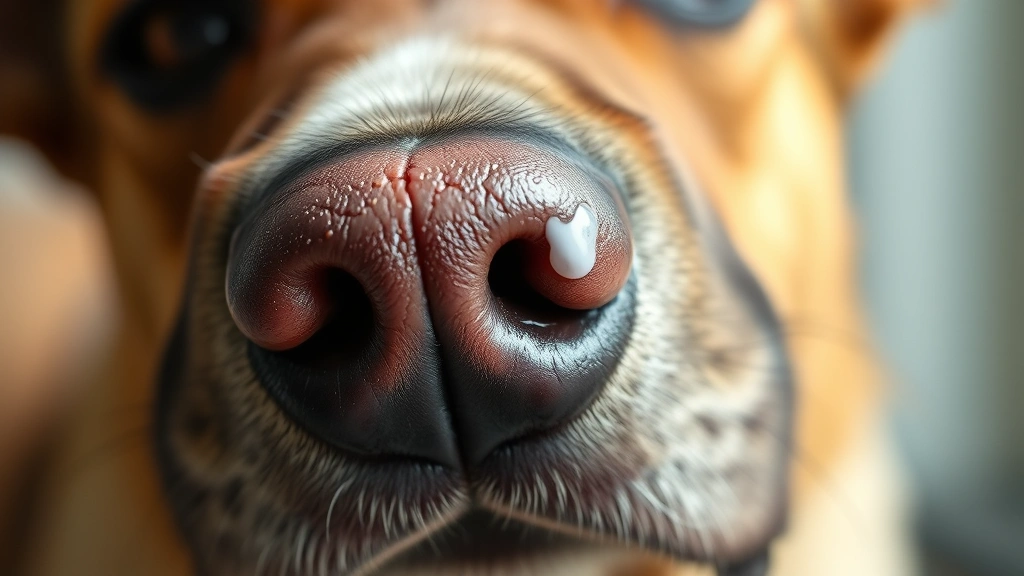
Dry Nose: If your dog’s nose looks like a raisin and you’re wondering why your dog’s nose is dry, Aquaphor can help. A small amount applied to a dry nose can provide relief and protect the sensitive tissue from further drying. This is one of the safest applications since noses don’t have as much surface area for your dog to lick.
Cracked Paw Pads: Winter salt, hot pavement, and rough terrain can wreak havoc on your dog’s paws. A thin layer of Aquaphor on cracked paw pads can soothe discomfort and promote healing. However, this is where the licking problem becomes significant—your dog will almost certainly try to lick it off.
Elbows and Calluses: Dogs often develop calluses on their elbows from lying on hard surfaces. Aquaphor can soften these areas, though again, accessibility for licking is a consideration.
Minor Dry Patches: Small areas of dry, flaky skin can benefit from Aquaphor application. Compare this to whether Vaseline is safe for dogs—similar logic applies, though Aquaphor is generally preferred because it contains additional moisturizing ingredients beyond just petrolatum.
The key principle is this: use Aquaphor on areas where your dog has limited ability to lick and ingest the product. Faces, ears, and areas around sensitive mucous membranes require extra caution.
How to Safely Apply Aquaphor to Your Dog
If you’ve decided that Aquaphor is appropriate for your dog’s situation, proper application technique is essential. Here’s your step-by-step guide:
Step 1: Assess the Area Start by examining the affected area closely. Is it infected? Does it look like it needs veterinary attention? If there’s any sign of infection (redness, swelling, discharge, or odor), skip Aquaphor and call your vet immediately.
Step 2: Clean First Gently clean the area with lukewarm water and mild soap if it’s dirty. Pat dry completely. Aquaphor works best on clean skin and won’t be effective if applied over dirt or debris.
Step 3: Use Sparingly This cannot be overstated: use a tiny amount. We’re talking about a pea-sized portion for most applications. Aquaphor is concentrated, and a little goes a long way. Too much product increases the likelihood of your dog ingesting it.
Step 4: Apply Gently Rub the Aquaphor in gently, making sure it’s evenly distributed across the affected area. Avoid applying it so thickly that it sits on top of the skin in a visible layer.
Step 5: Monitor and Distract After application, try to keep your dog from licking the area for at least 15-20 minutes. Offer a toy, go for a walk, or engage in another activity. The longer the product can work on the skin without being licked off, the better.
Step 6: Frequency Typically, once or twice daily is sufficient. More frequent application doesn’t necessarily mean better results and increases the amount your dog will ingest through licking.

Pro tip: Apply Aquaphor right before bedtime when your dog is most likely to settle down and rest. This maximizes the time the product has to work while your pup is less active.
When NOT to Use Aquaphor on Dogs
Just as important as knowing when to use Aquaphor is understanding when to avoid it entirely. There are several situations where Aquaphor is inappropriate or where you should consult your veterinarian first.
Open Wounds or Infections: If your dog has an open wound, signs of infection, or any condition that looks like it needs medical attention, Aquaphor is not the solution. Instead, learn how to heal a dog wound fast at home by consulting your vet first. Infected wounds need proper treatment, which might include antibiotics or other medications.
Areas with Active Inflammation: If the skin is red, swollen, or weeping, Aquaphor can trap bacteria and make things worse. These situations call for veterinary evaluation.
Allergic Reactions: Although rare, some dogs might react poorly to Aquaphor or its ingredients. If your dog develops hives, excessive itching, or signs of an allergic reaction after application, wash it off immediately and contact your vet.
Sensitive Skin Conditions: Dogs with conditions like atopic dermatitis or other chronic skin issues might need specialized treatments rather than basic moisturizers. Your vet might recommend specific products designed for these conditions.
Ears and Eyes: Never apply Aquaphor inside your dog’s ears or near their eyes. These areas require special care, and Aquaphor could cause more problems than it solves.
Recent Surgery Sites: If your dog has recently had surgery, don’t apply Aquaphor to the surgical site unless your vet specifically recommends it. Surgical wounds need specific care protocols.
Dogs on Certain Medications: Some topical medications can interact poorly with occlusive products like Aquaphor. If your dog is currently on any topical treatments, check with your vet before adding Aquaphor to the routine.
Dog-Specific Alternatives to Aquaphor
While Aquaphor can work for dogs, there are several alternatives specifically formulated for canine skin that might be even better choices. These products are designed with dogs’ unique skin pH and grooming habits in mind.
Paw Balms: Products like Musher’s Secret or similar paw balms are specifically designed for dogs’ feet. They’re formulated to be less attractive to lick and often contain ingredients like beeswax that create a more durable barrier than Aquaphor.
Dog-Specific Moisturizers: Brands like Earthbath and other canine dermatology lines offer moisturizers formulated specifically for dogs. These products account for the difference in pH and skin structure.
Coconut Oil: Some vets recommend small amounts of coconut oil for dry patches. It’s natural, generally safe in small quantities, and has antimicrobial properties. However, it can cause digestive upset in some dogs, so use cautiously.
Oatmeal-Based Products: Oatmeal has soothing properties and is gentler on sensitive dog skin than petroleum-based products. Several dog-specific shampoos and treatments use colloidal oatmeal.
When considering whether you can put Neosporin on a dog, remember that antibiotic ointments are different from moisturizers. Similarly, using baby wipes on your dog requires different considerations than using moisturizers. Each product has specific appropriate uses.
The ASPCA recommends consulting with your veterinarian about the best products for your specific dog’s skin condition rather than assuming human products will work fine for canine companions.
Veterinary-Prescribed Options: If your dog has chronic skin issues, your vet might prescribe specialized creams, ointments, or medications designed specifically for their condition. These are often more effective than over-the-counter solutions.
The bottom line: while Aquaphor isn’t harmful, dog-specific products are often better choices because they’re formulated with your pup’s unique needs in mind. Your veterinarian can recommend the best option for your individual dog.
Frequently Asked Questions
Can I use Aquaphor on my dog’s face?
Yes, but with caution. Avoid applying it near the eyes, and use only a tiny amount on dry areas of the face. Dogs can easily lick their faces, so minimize the amount you use. If your dog has facial skin issues, consult your vet about more appropriate treatments.
What if my dog licks Aquaphor?
Don’t panic. Small amounts of Aquaphor are not toxic to dogs. However, ingesting larger quantities might cause mild gastrointestinal upset, including loose stools or diarrhea. If your dog ingests a large amount or shows signs of digestive distress, contact your veterinarian.
How often should I apply Aquaphor to my dog?
Once or twice daily is typically sufficient. More frequent application increases the amount your dog will ingest through licking and doesn’t necessarily provide better results. Consistency matters more than frequency.
Is Aquaphor better than Vaseline for dogs?
Aquaphor is generally considered slightly better than pure Vaseline for dogs because it contains additional moisturizing ingredients like glycerin and panthenol. However, both products work similarly. Aquaphor’s added ingredients make it marginally more effective for dry skin conditions.
Can I use Aquaphor on my dog’s paws daily?
Yes, daily application to dry or cracked paws is generally safe. However, be prepared that your dog will likely lick it off frequently. If your dog experiences digestive upset from regular Aquaphor application, switch to a dog-specific paw balm.
Should I cover Aquaphor with a bandage after applying it?
For most applications, no. Bandaging can trap moisture and create an environment where bacteria thrive. The exception is if your vet specifically recommends it for a particular condition. Generally, let the product work on exposed skin.
When should I call my vet instead of using Aquaphor?
Call your vet if the affected area is infected, weeping, foul-smelling, or if your dog seems to be in pain. Also contact your vet if your dog has chronic skin issues, recent surgery sites, or if you notice any allergic reactions after Aquaphor application.
Can puppies use Aquaphor?
Yes, puppies can use Aquaphor in small amounts for dry skin. However, puppies are more prone to ingesting products through grooming, so use extra caution and consider dog-specific alternatives designed for sensitive puppy skin.
Is Aquaphor safe for dogs with sensitive stomachs?
It depends on the individual dog. Some dogs with sensitive stomachs tolerate Aquaphor fine, while others experience digestive upset from ingesting small amounts through licking. Start with minimal amounts and monitor your dog’s digestive health. If problems develop, switch to a non-ingestible alternative.





