

Can You Put Aquaphor on Dogs? A Vet-Approved Guide to Safe Skincare
If you’ve ever wondered whether you can slather your pup with the same moisturizing balm you use on your own lips and elbows, you’re not alone. Aquaphor is a household staple for many pet parents, and it’s natural to want to share the good stuff with our furry friends. But before you start applying this popular healing ointment to your dog’s skin, let’s dig into what veterinarians actually recommend.
The short answer? Yes, you can put Aquaphor on dogs—but with important caveats. Aquaphor is generally considered safe for topical use on canine skin in small amounts, but there are specific situations where it works best and others where you should absolutely skip it. Understanding when and how to use this product safely can help you keep your dog’s skin healthy and comfortable.
In this comprehensive guide, we’ll explore everything you need to know about using Aquaphor on your four-legged companion, including when it’s appropriate, potential risks, and safer alternatives for specific skin issues.
What Is Aquaphor and How Does It Work?
Aquaphor is a petroleum-based ointment created by Eucerin that’s been around since 1946. The product contains a blend of petrolatum, mineral oil, ceresin, lanolin alcohol, panthenol, glycerin, and bisabolol. It’s designed to create a protective barrier on the skin while locking in moisture, making it effective for treating dry, chapped, or irritated skin in humans.
The primary ingredient—petrolatum—is the same substance found in Vaseline. This occlusive agent seals the skin, preventing water loss and allowing the skin to heal beneath the protective barrier. For humans dealing with everything from winter dryness to minor cuts, Aquaphor is a go-to solution.
But does this formula work the same way on dog skin? The answer involves understanding canine dermatology. Dog skin has a different pH level than human skin—it’s more acidic, ranging from 6.2 to 7.4, whereas human skin is typically around 4.5 to 5.5. This difference means products formulated for humans don’t always work the same way on dogs, and some can even cause problems.
Is Aquaphor Safe for Dogs?
When we talk about Aquaphor safety for dogs, the consensus among veterinarians is cautiously positive. The ingredient list contains nothing inherently toxic to canines. According to the American Kennel Club, Aquaphor is non-toxic and generally safe for external use on dogs when applied appropriately.
However, “safe” doesn’t mean “ideal” in every situation. The key concern isn’t toxicity—it’s whether Aquaphor is the best choice for your dog’s specific skin condition. Additionally, some dogs may have sensitivities to specific ingredients, particularly lanolin, which can cause allergic reactions in sensitive pups.
The ASPCA notes that while many human skincare products are safe in small amounts, they’re not formulated with canine skin in mind. Dogs have different moisture barriers and healing processes, so what works for human skin might not provide optimal benefits for your dog.
One important consideration: if your dog ingests Aquaphor, it’s unlikely to cause serious harm, but it can cause gastrointestinal upset. Since dogs tend to lick whatever you put on their skin, this is a real concern to keep in mind.
When You Can Use Aquaphor on Dogs
Despite the caveats, there are legitimate scenarios where Aquaphor can be helpful for your dog’s skin health:
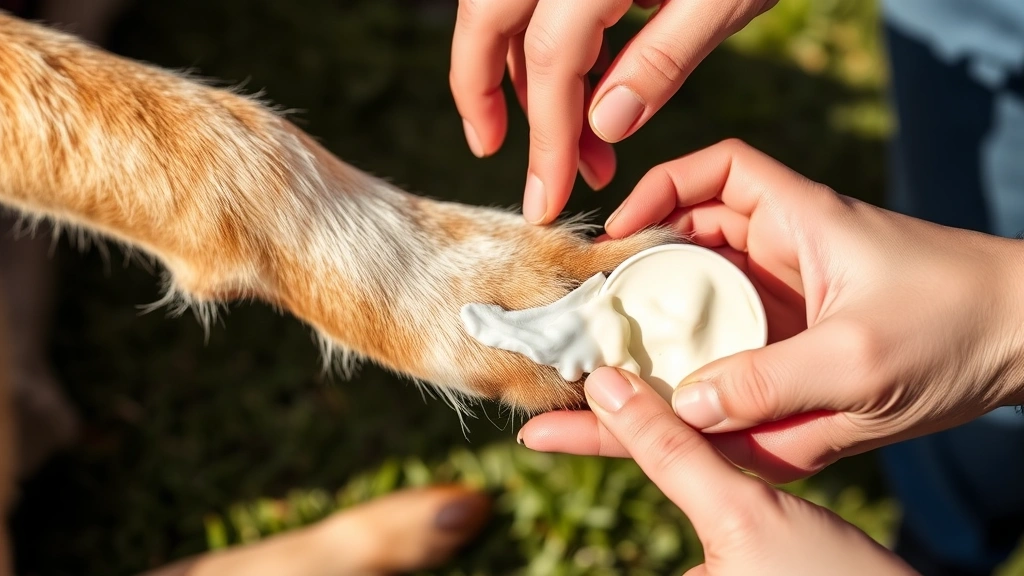
- Dry, cracked paw pads: Dog paws take a beating from concrete, salt, and rough terrain. A thin layer of Aquaphor can help soothe and protect cracked pads, though you’ll want to prevent licking.
- Minor cuts and scrapes: After cleaning a small wound, Aquaphor can create a protective barrier. However, Neosporin is often a better choice for minor wounds since it includes antibiotic properties.
- Dry patches on the nose: A small amount of Aquaphor on a dry nose can provide relief, though it will likely be licked off quickly.
- Temporary relief from environmental irritation: If your dog has mild dryness from winter weather or air conditioning, a light application can help temporarily.
- Post-surgical or post-grooming irritation: Some vets recommend Aquaphor for minor irritation following professional grooming or minor procedures.
In these situations, less is more. Apply only a thin layer to the affected area, and consider using a protective barrier like a soft cloth or dog-safe bandage to prevent excessive licking.

Situations Where You Should Avoid Aquaphor
Just because Aquaphor is safe doesn’t mean it’s appropriate for every dog skin issue. There are several situations where you should absolutely skip this product and seek veterinary guidance instead:
- Infected wounds or hot spots: If your dog has an infected area, pustules, or a hot spot, Aquaphor will trap moisture and bacteria, making the situation worse. The occlusive nature of the ointment can actually accelerate infection.
- Fungal or bacterial skin infections: Conditions like ringworm or bacterial folliculitis require medicated treatment, not moisture-trapping barriers. Using Aquaphor here is counterproductive.
- Allergic dermatitis: Dogs with allergies often have inflamed, irritated skin. While temporary moisture might feel soothing, Aquaphor won’t address the underlying allergen and may exacerbate inflammation.
- Chronic skin conditions: If your dog suffers from conditions like atopic dermatitis or seborrhea, they need prescription-strength treatments or veterinary-approved products specifically formulated for their condition.
- Excessive moisture or humidity: In humid climates or during summer months, the occlusive nature of Aquaphor can trap sweat and moisture, creating an environment where bacteria and yeast thrive.
- Dogs prone to licking: If your pup is an aggressive licker, Aquaphor ingestion could cause digestive upset. In these cases, alternatives like Vaseline or dog-specific balms might be better options.
When in doubt, consult your veterinarian. They can examine your dog’s skin condition and recommend the most appropriate treatment.
Safe Application Guidelines
If your vet gives you the green light to use Aquaphor on your dog, follow these safety guidelines:
- Use a minimal amount: Apply only a thin layer to the affected area. Aquaphor is concentrated, and a little goes a long way.
- Clean the area first: Always start with clean skin. Gently wash the area with lukewarm water and pat dry before application.
- Prevent licking: This is crucial. Use an Elizabethan collar (e-collar) or protective bandage to prevent your dog from licking the treated area for at least 15-30 minutes after application.
- Apply once or twice daily: Don’t overdo it. Once or twice daily application is sufficient for most minor skin issues.
- Monitor for reactions: Watch for signs of allergic reaction, including increased redness, swelling, or excessive itching. If these develop, wash off the product immediately and contact your vet.
- Check the ingredients: Make sure you’re using plain Aquaphor, not a specialized formula that might contain additional ingredients your dog shouldn’t have.
- Store safely: Keep Aquaphor in a cool, dry place away from your dog’s reach.
Remember that even with proper application, Aquaphor is typically a temporary solution for minor issues. If your dog’s skin problem persists beyond a few days, professional veterinary evaluation is necessary.
Alternatives to Aquaphor for Dogs
While Aquaphor can work in specific situations, several alternatives are specifically formulated for canine skin and may be better choices:
- Dog-specific balms and salves: Products like Musher’s Secret or similar dog paw balms are formulated with canine skin pH in mind and often include natural ingredients like beeswax and plant oils.
- Coconut oil: Many vets approve coconut oil for dogs’ skin. It has natural antimicrobial properties and is less likely to cause digestive upset if licked. Apply sparingly to avoid greasy residue.
- Oatmeal-based products: Colloidal oatmeal is soothing for irritated skin and is often found in dog-specific shampoos and topical treatments.
- Medicated ointments: For wounds or infections, Neosporin or veterinary-prescribed antibiotic ointments are superior choices.
- Hydrocortisone cream: For minor inflammation, veterinary-approved hydrocortisone products designed for dogs can be more effective than Aquaphor.
- Prescription treatments: For chronic conditions, your vet might recommend prescription-strength treatments like tacrolimus or cyclosporine ointments.
When treating dog wounds at home, always prioritize products formulated specifically for canine use. Your veterinarian can recommend the best option based on your dog’s specific condition and skin type.
Frequently Asked Questions
Can I use Aquaphor on my dog’s dry paws?
Yes, you can use a small amount of Aquaphor on dry paws, but dog-specific paw balms are generally better choices since they’re formulated for canine skin. If you do use Aquaphor, apply it sparingly and prevent licking by using an e-collar or protective bootie for 20-30 minutes after application.
Is Aquaphor toxic to dogs if ingested?
Aquaphor is not toxic, but ingesting it can cause gastrointestinal upset, including loose stools or mild vomiting. Since dogs tend to lick topical products, this is a significant consideration. If your dog ingests a large amount, monitor them for symptoms and contact your vet if concerns arise.
Can I use Aquaphor on my dog’s hot spots?
No. Hot spots are typically infected or inflamed areas that benefit from air circulation and medicated treatment, not occlusive barriers. Using Aquaphor on hot spots can trap moisture and bacteria, worsening the condition. Consult your vet for appropriate hot spot treatment.
What’s the difference between Aquaphor and Vaseline for dogs?
Both contain petrolatum as the primary ingredient, so they’re similar in function. However, Aquaphor includes additional ingredients like glycerin and panthenol. For dogs, both are generally safe in small amounts, though plain Vaseline might be slightly simpler if your dog has ingredient sensitivities.
How long can I leave Aquaphor on my dog’s skin?
There’s no strict time limit, but preventing licking is the priority. Most applications are effective within 20-30 minutes. After that, you can gently wipe away excess product or leave it on if your dog won’t lick it. For overnight treatment, use an e-collar to prevent licking.
Can I use Aquaphor on my dog’s nose?
A tiny amount on a dry nose is generally safe, though it will likely be licked off quickly. If your dog has chronic dry nose issues, discuss this with your vet, as it can sometimes indicate underlying health concerns. Dog-specific nose balms might be a better option.
Should I use Aquaphor or see a vet for my dog’s skin problem?
If the issue is minor dryness or a small scrape, Aquaphor might be appropriate. However, if your dog has persistent itching, redness, hair loss, odor, or signs of infection, veterinary evaluation is necessary. Many skin conditions require professional diagnosis and treatment beyond what over-the-counter products can provide.





