
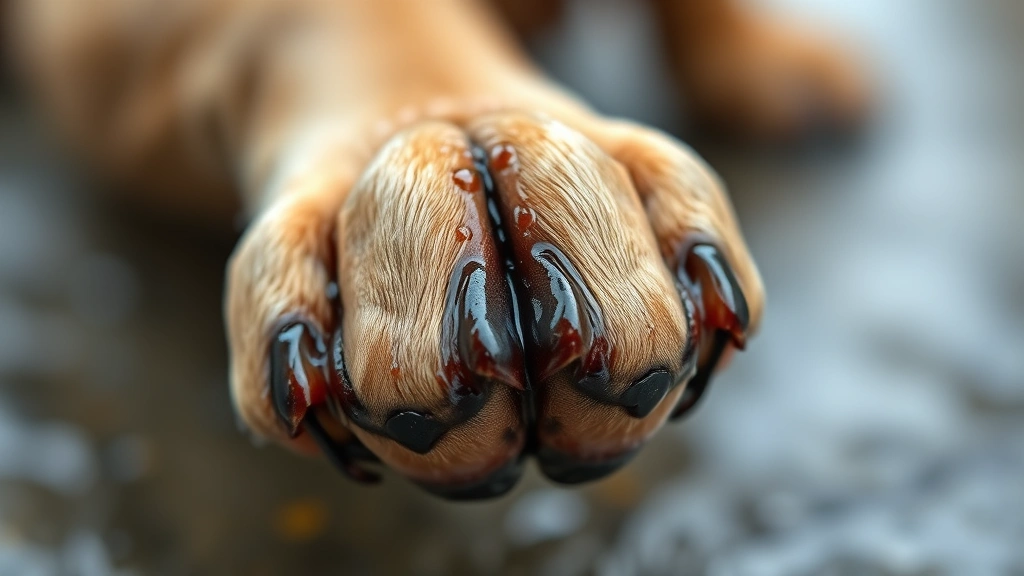
Do All Dogs Have Webbed Feet? The Surprising Truth About Your Pup’s Paws
Ever caught your dog splashing around in the pool or paddling through a creek and wondered if those adorable paws have some secret superpower? Well, you’re onto something! The question of whether dogs have webbed feet is more nuanced than a simple yes or no. While many people assume all dogs are natural swimmers with webbed feet like ducks, the reality is far more interesting and breed-specific than you might think.
The truth is that some dogs absolutely do have webbed feet, while others have minimal to no webbing at all. This anatomical feature isn’t some random quirk of nature—it’s the result of thousands of years of selective breeding for specific purposes. Whether your furry friend is a water-loving retriever or a landlocked lap dog, understanding their paw structure can help you appreciate just how specially designed they truly are.
Let’s dive into the fascinating world of canine paws and uncover which breeds are blessed with this aquatic adaptation, why they have it, and what it means for your dog’s lifestyle and care.
What Are Webbed Feet, Anyway?
Before we get into the nitty-gritty of which dogs have webbed feet, let’s talk about what webbing actually is. Webbed feet feature a thin membrane of skin that extends between the toes, connecting them partially or fully. This adaptation is common in aquatic and semi-aquatic animals like ducks, otters, and frogs, where it acts like a paddle to propel them through water more efficiently.
In dogs, webbed feet work similarly—the membrane increases the surface area of the paw, making each stroke through water more powerful. It’s like comparing a regular paddle to a wider, more effective one. The webbing typically extends between the toes, sometimes reaching all the way to the claw, though in most dogs it’s more subtle than what you’d see in a duck’s foot.
Interestingly, all dogs have the same number of toes, but the amount of webbing between those toes varies dramatically from breed to breed. Some dogs have barely perceptible webbing, while others have membrane so obvious you can see it clearly. This variation is a perfect example of how selective breeding has shaped different dog breeds for their intended purposes.
The webbing itself is made of elastic tissue that stretches and contracts as the dog moves. It’s not uncomfortable for the dog—in fact, dogs with webbed feet don’t even notice it most of the time. They’ve evolved to use this feature naturally, just like they’d use any other part of their anatomy.
Which Dog Breeds Have Webbed Feet?
So which lucky canines actually have webbed feet? The answer might surprise you. Several breeds have significant webbing, particularly those originally bred for water work or hunting in wet environments. Let’s break down the main groups:
Water Retriever Breeds are the poster children for webbed feet. Labrador Retrievers, Golden Retrievers, and Chesapeake Bay Retrievers all have noticeable webbing between their toes. These dogs were specifically bred to retrieve waterfowl for hunters, so their webbed feet gave them a competitive advantage in aquatic environments. Portuguese Water Dogs, another breed with a strong water heritage, also sport impressive webbing.
The Newfoundland breed deserves special mention here. These massive, gentle giants have substantial webbing and were originally used as working dogs for fishermen in Newfoundland, Canada. Their webbed feet, combined with their water-resistant double coat and powerful build, make them exceptional swimmers despite their size.
Weimaraners, often called “gray ghosts,” have webbed feet that reflect their heritage as hunting dogs in wet, marshy environments. Similarly, German Wirehaired Pointers and Irish Water Spaniels possess webbed feet that aided their ancestors in navigating wetlands during hunts.
Even some smaller breeds have webbing! Dachshunds, particularly those originally bred in Germany for hunting badgers and other burrowing animals, have some webbing. While this might seem counterintuitive for a land-based hunting dog, their webbed feet helped them navigate through wet terrain and marshes where their prey lived.
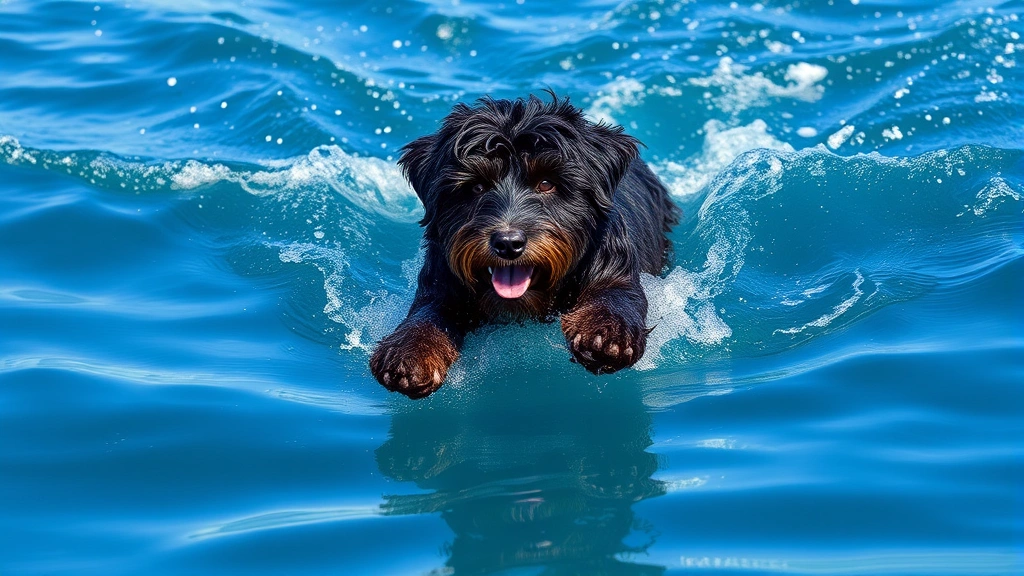
It’s worth noting that many breeds have some degree of webbing, even if it’s minimal. The variation exists on a spectrum. A Poodle might have slightly more webbing than a Chihuahua, but neither has the pronounced webbing of a Labrador Retriever. This is why saying “all dogs have webbed feet” isn’t entirely accurate—it’s more accurate to say many dogs have some degree of webbing.
Why Do Some Dogs Have Webbed Feet?
Understanding why dogs have webbed feet requires us to look back at their breeding history. Dogs were selectively bred for thousands of years to excel at specific tasks, and their physical features reflect those intended purposes. Webbed feet are a direct result of humans choosing to breed dogs that performed well in water.
When breeders wanted water retrievers, they selected dogs with webbed feet because those dogs consistently performed better in aquatic environments. Over generations, this trait became more pronounced and fixed in those breeds’ genetics. It’s the same principle behind why certain breeds shed more than others—selective breeding for specific traits creates distinct breed characteristics.
The evolutionary advantage is clear: webbed feet provide better traction and propulsion in water. A dog with webbed feet can swim faster and with less effort than a dog without webbing. For hunting dogs retrieving waterfowl all day, this advantage translated to success and survival. Dogs that could retrieve more birds more efficiently were more valuable to their handlers and more likely to be bred.
Interestingly, webbed feet also provide advantages on land. The webbing helps distribute a dog’s weight more evenly across their paw, which can reduce joint stress. Some webbed-footed breeds are also known for their agility and ability to navigate rough terrain, suggesting the adaptation benefits them in multiple environments, not just water.
Environmental factors also played a role in breed development. Breeds developed in marshy, wet regions naturally incorporated webbed feet as a practical adaptation. This is why so many water-working breeds have webbing—they were developed by people living near water who needed dogs capable of working in those environments.
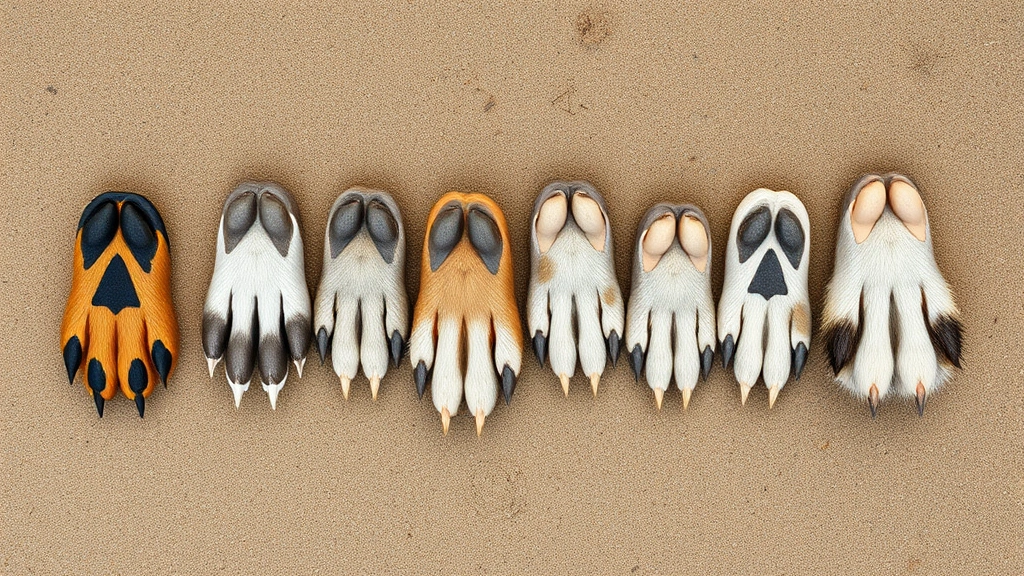
Webbed Feet and Swimming: Not Always Connected
Here’s where things get interesting: not all dogs can swim equally well, and webbed feet don’t automatically make a dog an Olympic swimmer. This is one of the most important misconceptions to clear up. While webbed feet certainly help, they’re just one piece of the swimming puzzle.
Body structure matters tremendously. A Bulldog might have some webbing, but their stocky build, short legs, and heavy front end make swimming challenging regardless of their foot structure. Conversely, a lean, athletic dog with longer legs and a more streamlined body will be a better swimmer even without significant webbing.
Coat type also plays a role. Dogs with water-resistant double coats, like Retrievers and Newfoundlands, have a natural advantage in water. Their coat repels water and provides insulation, making extended swimming more comfortable. A dog with a thin, water-absorbent coat will get cold faster and tire more quickly in water.
Temperament and experience are equally important factors. Some webbed-footed dogs are naturally fearful of water or have never had the opportunity to develop their swimming skills. Conversely, some breeds without significant webbing, like Border Collies, are enthusiastic swimmers who’ve learned to compensate for their anatomy through technique and determination.
Muscle development and fitness level influence swimming ability too. A well-trained, athletic dog will outswim a sedentary one, regardless of webbing. This is why understanding your individual dog’s relationship with water matters more than assuming their breed characteristics will automatically translate to water competence.
Age is another factor often overlooked. Puppies and senior dogs may struggle in water even if they’re from swimming-capable breeds. Joint issues, vision problems, and reduced muscle mass in older dogs can make water navigation difficult. Similarly, puppies might not have the coordination and confidence to swim effectively until they mature.
Caring for Your Dog’s Webbed (or Not) Paws
Regardless of whether your dog has webbed feet, proper paw care is essential for their health and comfort. Dogs spend their entire lives on their feet, so maintaining paw health should be a priority for every dog owner.
Regular Inspection is your first line of defense. Check your dog’s paws daily for signs of injury, infection, or irritation. Look between the toes and the webbing (if present) for redness, swelling, or unusual odors. These can indicate infections, especially in dogs that spend time in water.
Keeping Paws Dry is particularly important for webbed-footed dogs. Water can get trapped in the webbing and between toes, creating an ideal environment for fungal and bacterial infections. After swimming or bathing, thoroughly dry your dog’s paws, paying special attention to the spaces between the toes. Use a towel to gently pat dry, or use a hair dryer on a low, cool setting if your dog tolerates it.
Trimming Nails and Hair prevents several issues. Overgrown nails can cause discomfort and affect how your dog walks. Hair between the toes and in the webbing can mat and trap moisture. Regular grooming keeps these areas clean and functional. Most dogs benefit from having the hair between their toes trimmed or plucked to prevent matting and improve paw health.
Paw Balms and Moisturizers protect your dog’s paw pads from harsh weather, salt, and chemicals. Winter salt can irritate paw pads, and hot pavement can burn them. A good paw balm creates a protective barrier. For webbed-footed dogs that spend time in water, post-swim paw care is especially important.
If your dog has skeletal or joint issues, proper paw care becomes even more critical. Healthy paws support proper weight distribution and joint alignment, so maintaining paw health can actually help prevent or manage joint problems.
Regular Veterinary Checkups should include paw examination. Your vet can spot problems early and recommend specific care for your dog’s individual needs. Some dogs are prone to paw infections, allergies affecting their feet, or other issues that require professional attention.
For webbed-footed dogs specifically, watch for signs of webbing irritation or infection. Any redness, discharge, or foul smell warrants a veterinary visit. Some dogs develop infections in the webbing that require antibiotics or antifungal treatments.
Frequently Asked Questions
Do all dogs have webbed feet?
No, not all dogs have webbed feet, though many breeds have at least some degree of webbing. Webbing is most prominent in breeds originally developed for water work, like Retrievers and Portuguese Water Dogs. Other breeds have minimal or no visible webbing. The presence and extent of webbing varies significantly across different breeds.
Can dogs without webbed feet swim?
Absolutely! Many dogs without significant webbing are excellent swimmers. Swimming ability depends on multiple factors including body structure, coat type, muscle development, and experience. While webbed feet provide an advantage, they’re not a requirement for swimming competence. Even breeds not known for water work can learn to swim if introduced properly.
Are webbed feet uncomfortable for dogs?
No, webbed feet are not uncomfortable. Dogs with webbed feet don’t experience discomfort from the webbing—it’s a natural part of their anatomy that they’ve adapted to completely. The webbing is made of flexible tissue that moves naturally with their paw.
Do webbed feet mean a dog loves water?
Not necessarily. While webbed feet are an adaptation for water, they don’t determine a dog’s temperament or preference for water. Some webbed-footed dogs love water, while others prefer to stay dry. Individual personality and early experience with water matter more than physical anatomy.
Can webbed feet cause problems for dogs?
Webbed feet themselves don’t cause problems, but the webbing does require extra attention to prevent infections. Water and moisture can get trapped in the webbing, potentially leading to fungal or bacterial infections if not properly dried. Regular cleaning and drying after water exposure prevents these issues.
How can I tell if my dog has webbed feet?
Examine your dog’s paws closely. Look at the skin between the toes—if there’s a noticeable membrane of skin connecting the toes, your dog has webbing. In breeds with significant webbing, it’s obvious and extends well between the toes. In other breeds, it’s more subtle. Your veterinarian can also confirm whether your dog has webbed feet.
Are webbed feet a sign of mixed breeding?
Not at all. Webbed feet are simply a breed characteristic that appears in certain purebred dogs. Purebred Retrievers have webbed feet as a standard breed trait. Webbing isn’t indicative of mixed breeding—it’s a deliberate feature developed through selective breeding.





