

Do Dogs Get UTIs? What Pet Experts Say
If you’ve ever experienced a urinary tract infection yourself, you know how uncomfortable and frustrating they can be. But here’s something many dog owners don’t realize: your furry best friend can get UTIs too. Yes, those pesky bacterial infections aren’t just a human problem—they’re surprisingly common in our canine companions, affecting dogs of all ages, breeds, and sizes.
The truth is, understanding whether dogs get UTIs and how to spot the signs can make a huge difference in your pup’s health and comfort. Whether you’re a first-time dog owner or a seasoned pet parent, this comprehensive guide will walk you through everything you need to know about canine urinary tract infections, from causes and symptoms to treatment options and prevention strategies.
So grab your favorite beverage, settle in, and let’s explore what veterinarians and pet health experts have to say about this common but often overlooked condition.
Yes, Dogs Absolutely Get UTIs
Let’s start with the straightforward answer: absolutely, dogs get urinary tract infections. In fact, according to veterinary research, UTIs are one of the most common bacterial infections affecting dogs. The American Kennel Club confirms that UTIs occur regularly in canine populations, with certain breeds and age groups being more susceptible than others.
What makes this particularly interesting is that while UTIs are common, many dog owners aren’t aware their pets can even develop them. Unlike some health conditions that are widely discussed in dog parks and online forums, urinary tract infections tend to fly under the radar until they become a problem. This lack of awareness can lead to delayed treatment and unnecessary discomfort for your pup.
The statistics are eye-opening too. Studies show that approximately 14% of dogs will experience at least one UTI during their lifetime, with senior dogs and females being at higher risk. If you have a female dog, the chances increase even more significantly due to anatomical differences.
Understanding Canine Urinary Tract Infections
A urinary tract infection in dogs is fundamentally a bacterial infection that affects the urinary system. This system includes the kidneys, ureters, bladder, and urethra—essentially the entire pathway through which urine travels and is eliminated from your dog’s body.
When bacteria enter this system and multiply, inflammation occurs, leading to the uncomfortable symptoms we associate with UTIs. The most common culprit is a bacterium called E. coli, though other bacteria can also be responsible. The infection can affect different parts of the urinary tract, but the bladder is the most frequently involved site.
It’s worth noting that UTIs are different from bladder stones or other urinary issues, though they can sometimes occur together. That’s why proper diagnosis from a veterinarian is so important. You might think your dog simply has a UTI when the real issue could be something requiring different treatment.
Common Causes of Dog UTIs
Understanding what causes UTIs in dogs can help you take preventive measures and recognize risk factors specific to your own pet. Several factors can increase your dog’s susceptibility to developing a urinary tract infection.
Anatomical factors play a significant role. Female dogs are considerably more prone to UTIs than males because they have a shorter urethra, making it easier for bacteria to travel up to the bladder. Additionally, the female urethral opening is located closer to the anus, increasing exposure to bacteria.
Age matters too. Senior dogs have weaker immune systems and may not be able to fight off bacterial infections as effectively. Puppies, conversely, may have underdeveloped immune systems. This is why both very young and very old dogs face elevated risk.
Other contributing factors include:
- Urinary retention: When dogs don’t empty their bladders completely or frequently enough, bacteria have more time to multiply. This can happen if your dog doesn’t get enough potty breaks or has mobility issues.
- Compromised immune systems: Dogs with diabetes, Cushing’s disease, or other immune-compromising conditions are more vulnerable.
- Bladder stones or crystals: These can irritate the bladder lining and create an environment where bacteria thrive.
- Incontinence: Dogs with urinary incontinence may be at higher risk since urine doesn’t flow normally.
- Spinal cord disease: Conditions affecting the spine can interfere with normal bladder function.
- Medications: Certain medications, particularly steroids, can increase UTI risk.
Environmental factors also matter. Poor hygiene, particularly in dogs that spend time in unsanitary conditions, can increase bacterial exposure. Similarly, if your pup loves swimming or playing in contaminated water, they may pick up bacteria that way.
Recognizing the Warning Signs
Now here’s where your observational skills as a pet parent really come into play. Knowing how to spot the signs your dog might have a UTI can lead to earlier treatment and faster recovery.
The most obvious sign is a change in bathroom habits. You might notice your dog needs to go outside more frequently than usual, even during times when they normally wouldn’t. They may also seem urgently distressed when they need to urinate, whining or pacing anxiously.
Other telltale symptoms include:
- Straining to urinate: Your dog may squat for longer periods or appear to be struggling during bathroom breaks.
- Painful urination: Yelping or showing discomfort while peeing is a clear red flag.
- Accidents in the house: Even well-trained dogs may have unexpected accidents if they have a UTI. Blood in urine or blood-tinged spots are particularly concerning and warrant immediate veterinary attention.
- Cloudy or foul-smelling urine: If you notice your dog’s urine looks discolored or has an unusually strong odor, a UTI could be the culprit.
- Lethargy and loss of appetite: General malaise and decreased interest in food or activities can indicate your dog isn’t feeling well.
- Excessive drinking: While excessive water consumption has various causes, it can sometimes accompany UTIs.
One important note: some dogs, particularly males, may show no symptoms at all. They can have asymptomatic bacteriuria, meaning bacteria are present in their urine without causing obvious signs. This is why regular veterinary check-ups are so valuable.
Diagnosis and Professional Treatment
If you suspect your dog has a UTI, your veterinarian will need to perform proper diagnostic tests. Don’t attempt to self-diagnose or treat without professional guidance, as other conditions can mimic UTI symptoms.
The primary diagnostic tool is a urinalysis, where your vet examines a urine sample under a microscope and performs chemical tests. They’re looking for white blood cells, red blood cells, bacteria, and crystals. In many cases, your vet may also perform a urine culture to identify the specific bacteria causing the infection and determine which antibiotics will be most effective.
In some situations, additional imaging like ultrasounds or X-rays might be recommended, especially if your dog has recurrent UTIs or if the vet suspects underlying structural problems.
Once diagnosed, treatment typically involves antibiotics prescribed for a specific duration—usually 7 to 14 days, though some cases require longer courses. It’s absolutely critical to complete the entire antibiotic course even if symptoms improve, as stopping early can lead to antibiotic resistance and recurrent infections.
Your veterinarian might also recommend:
- Increased water intake: More water means more frequent urination, which helps flush bacteria from the system.
- More frequent potty breaks: Allowing your dog to empty their bladder more often reduces bacterial growth opportunities.
- Dietary adjustments: Some specialized diets can help manage urinary health.
- Pain management: If your dog is in significant discomfort, pain medication may be provided.
According to the ASPCA, most dogs recover well from UTIs with appropriate antibiotic treatment, though some may be prone to recurrence.
Prevention Strategies That Work
While not all UTIs can be prevented, several evidence-based strategies can significantly reduce your dog’s risk of developing one.
Encourage frequent urination: The most effective prevention strategy is ensuring your dog gets regular potty breaks. Aim for at least three to four times daily, more for senior dogs or those with health issues. Regular bathroom access prevents urine from sitting in the bladder too long.
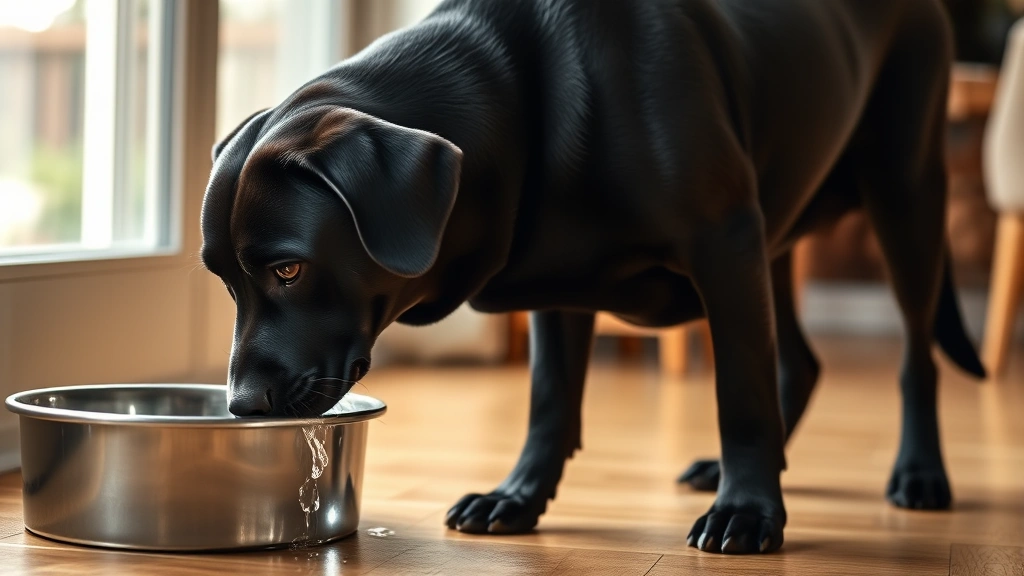
Maintain proper hydration: A well-hydrated dog produces more dilute urine, which is less hospitable to bacteria. Always provide fresh, clean water and monitor intake.
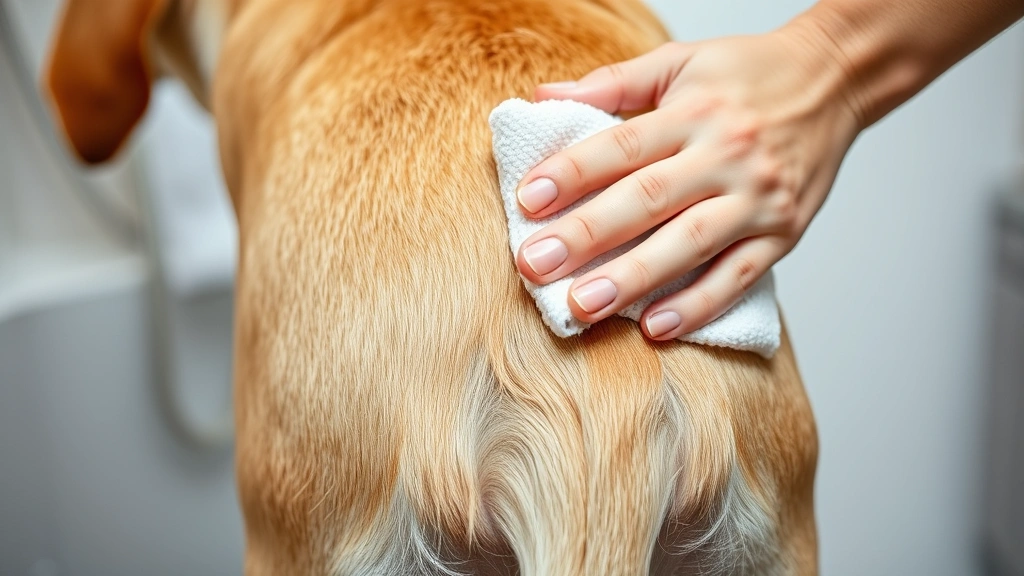
Practice good hygiene: Keep your dog’s genital area clean and dry. This is especially important for female dogs and long-haired breeds. Regular grooming can help prevent bacteria from accumulating.
Consider dietary supplements: Cranberry supplements and other urinary health supplements have shown promise in some studies. Consult your vet before adding supplements to your dog’s routine.
Regular veterinary visits: Annual check-ups allow your vet to catch potential issues early. For senior dogs or those with a history of UTIs, more frequent visits may be beneficial.
Manage underlying health conditions: If your dog has diabetes or other conditions that increase UTI risk, proper management of those conditions is crucial for prevention.
Avoid unnecessary antibiotics: While this might seem contradictory, overuse of antibiotics can lead to resistant bacteria. Only use antibiotics when genuinely needed and prescribed by your vet.
You might also want to explore home care options for managing UTIs in conjunction with veterinary treatment, and learn about bladder infection management at home for supporting your dog’s recovery.
When to Seek Veterinary Care
Knowing when to contact your veterinarian is essential for your dog’s health. While not every urinary issue is an emergency, certain situations warrant immediate professional attention.
Seek immediate veterinary care if your dog:
- Cannot urinate at all or is straining excessively without producing urine (this could indicate a blockage, a life-threatening emergency)
- Has blood in their urine
- Shows signs of severe pain or distress
- Has fever or appears very ill
- Is a male dog with urinary symptoms (male UTIs are less common and may indicate more serious issues)
Schedule a regular appointment if your dog:
- Shows mild urinary symptoms like increased frequency or urgency
- Has had recurrent UTIs
- Is a senior dog with new urinary changes
- Is on medications that increase UTI risk
According to the Veterinary Information Network, early intervention in suspected UTI cases typically results in better outcomes and faster recovery times.
Don’t hesitate to contact your vet if you’re unsure whether your dog’s symptoms warrant a visit. It’s always better to err on the side of caution when it comes to your pet’s health.
Frequently Asked Questions
Can dogs get UTIs from other dogs?
UTIs are not contagious from dog to dog. Your pup cannot catch a urinary tract infection from playing with another dog that has one. However, exposure to contaminated environments or water sources could potentially introduce bacteria that cause UTIs.
Are male or female dogs more prone to UTIs?
Female dogs are significantly more prone to UTIs than males. This is primarily due to anatomical differences—females have shorter urethras and the urethral opening is positioned closer to the anus, making it easier for bacteria to travel to the bladder. Male UTIs are less common but may indicate more serious underlying issues.
How long does it take for antibiotics to work on a dog’s UTI?
Most dogs begin showing improvement within 24 to 48 hours of starting antibiotics. However, you should always complete the full course of antibiotics as prescribed, even if symptoms resolve. Stopping early can lead to treatment failure and antibiotic resistance.
Can stress cause UTIs in dogs?
While stress itself doesn’t directly cause UTIs, it can compromise the immune system, making dogs more susceptible to bacterial infections. Stress management and maintaining a calm environment can be part of overall UTI prevention.
What’s the difference between a UTI and a bladder infection?
Technically, a bladder infection is a type of UTI—specifically one affecting the bladder (cystitis). UTI is the broader term encompassing infections anywhere in the urinary tract, including the kidneys (pyelonephritis), ureters, bladder, and urethra.
Can diet affect UTI risk in dogs?
Yes, diet can play a role in urinary health. Some diets are formulated to support urinary tract health, and proper hydration through diet (wet food contains more water) can help. Your veterinarian can recommend appropriate dietary options for your dog’s specific situation.
Do all dogs with bacteria in their urine need treatment?
Not necessarily. Some dogs have asymptomatic bacteriuria where bacteria are present but cause no symptoms or health problems. Your vet will determine whether treatment is necessary based on your dog’s individual situation, symptoms, and overall health.





