
Do Dogs Have Lips? Understanding Canine Anatomy
Ever wondered if your furry best friend actually has lips? The answer might surprise you! While dogs don’t have lips quite like humans do, they definitely have specialized mouth structures that serve fascinating purposes. Understanding canine anatomy helps us appreciate just how uniquely designed our four-legged companions really are, from their incredible sense of smell to their expressive facial features.
When you look at your dog’s face, you’re seeing a masterpiece of evolutionary adaptation. Dogs have developed mouth structures that are perfectly suited to their needs as carnivores and pack animals. Their mouths are equipped with specialized tissues, muscles, and sensory organs that work together in ways that would make any anatomist jealous. So let’s dive into the delightful details of dog lips and mouth anatomy!
Whether your pup is a wrinkly bulldog or a sleek greyhound, their mouth structure tells a story of millions of years of evolution. The way dogs use their mouths—from communication to eating to showing affection—reveals just how important these anatomical features are to their daily lives.
Do Dogs Actually Have Lips?
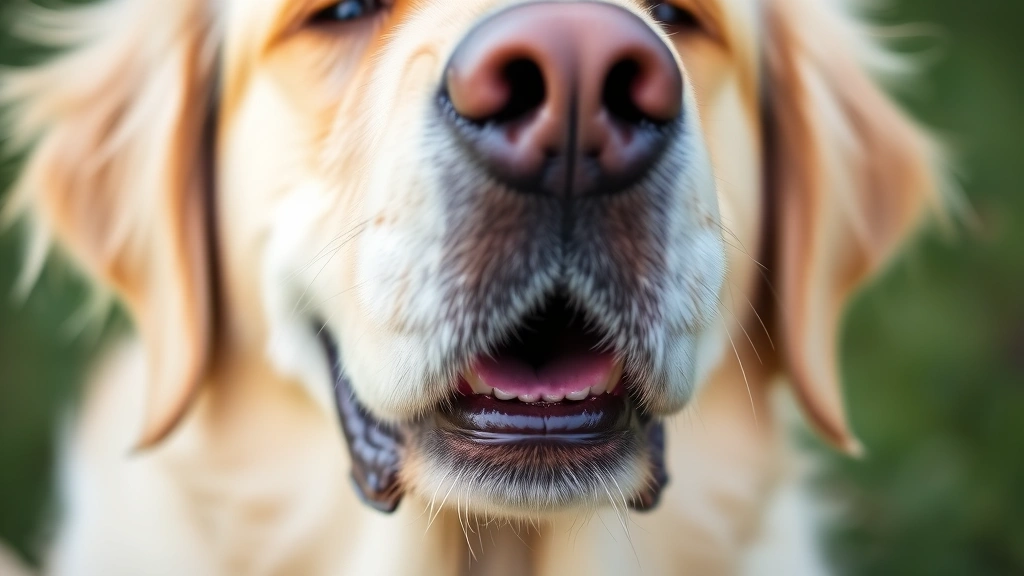
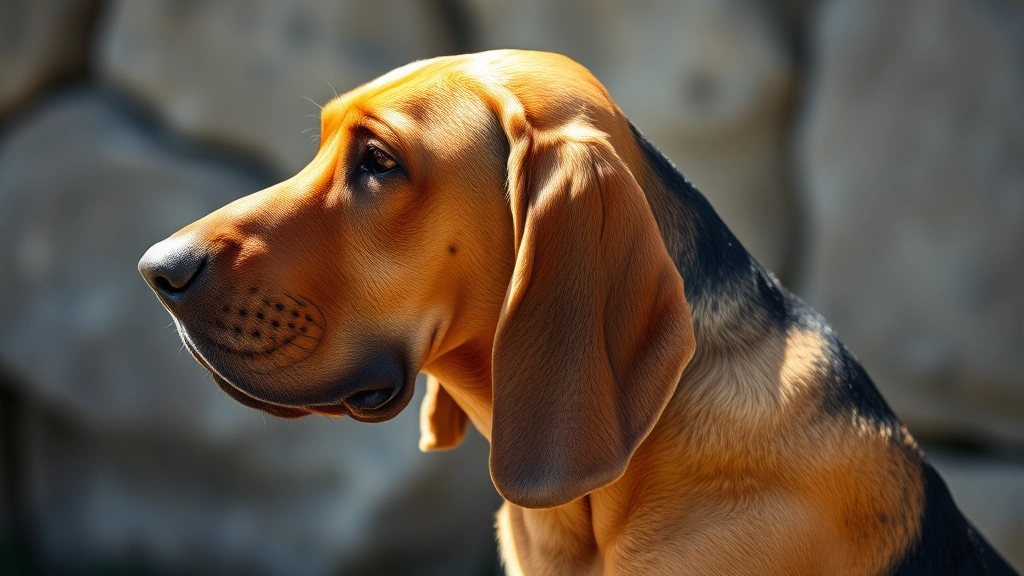
Yes, dogs absolutely have lips! However, they’re not quite the same as human lips. Dog lips are called flews when we’re talking about the loose, hanging portions, and they’re made up of specialized tissue that’s adapted for their specific needs. The flews are particularly prominent in certain breeds like Basset Hounds, Bloodhounds, and Mastiffs, where they can hang quite dramatically from the jaw.
The presence of lips in dogs is actually an important evolutionary trait. These structures help dogs contain food and liquids while eating, prevent debris from entering their mouths, and play a crucial role in their communication methods. Unlike human lips, which are highly mobile and expressive, dog lips are somewhat fixed in position but still incredibly functional.
When people ask “do dogs have lips,” they’re often surprised to learn that their pup’s mouth is far more complex than they realized. Dogs use their entire mouth area—including their lips, tongue, and jaw muscles—to interact with their environment and with us. This is why understanding why dogs lick their paws and other behaviors gives us insight into how they experience the world.
The Structure of Canine Lips
Dog lips are composed of several layers of tissue, each serving a specific purpose. The outer layer is covered in hair, though this varies by breed. Some dogs have thicker, more prominent lips with lots of loose skin, while others have tight, thin lips that are barely noticeable. The underlying tissue contains muscles, blood vessels, and numerous sensory nerve endings that make lips incredibly sensitive.
The lip commissure, which is the corner of the mouth where the upper and lower lips meet, is particularly important for dogs. This area contains specialized glands that help keep the mouth moist and aid in food manipulation. The philtrum—that groove between the nose and upper lip—is also present in dogs, though it’s not as pronounced as in humans.
One fascinating aspect of canine lip structure is the presence of whiskers or vibrissae around the mouth area. These aren’t just decorative; they’re highly sensitive sensory organs that help dogs navigate their environment and detect nearby objects. When your dog licks you, those whiskers are actively gathering sensory information about what they’re experiencing.
The mucous membrane inside a dog’s mouth is also part of their lip structure. This tissue is incredibly rich in blood vessels and helps regulate body temperature through panting. It’s also where many taste receptors are located, which connects to how dogs experience flavor when they eat and drink.
How Dog Lips Differ From Human Lips
Human lips are highly mobile and muscular, designed for precise movements needed for speech and facial expression. Dog lips, by contrast, are much less mobile. According to the American Kennel Club, dogs rely on different anatomical features for communication, including ear position, tail movement, and body posture, rather than lip movement.
Another key difference is pigmentation. Human lips often have a distinctive pink color due to the thin skin revealing blood vessels underneath. Dog lips vary greatly depending on breed and coat color—some are black, some are pink, and some are mottled. This variation is completely normal and doesn’t indicate any health problems.
Human lips are designed to seal the mouth completely and prevent saliva from dripping out. Dog lips, particularly the flews, are often loose and don’t seal as effectively. This is why dogs drool, especially certain breeds with prominent flews. It’s not a sign of a problem; it’s simply how their anatomy works!
The sensitivity of lips also differs significantly. While human lips are sensitive primarily for touch and taste, dog lips are incredibly sensitive for detecting movement and vibration. This helps dogs understand their environment in ways we can barely imagine. When you learn about do dogs have taste buds, you’ll discover that their taste experience is quite different from ours, and their lips play a different role in that process.
The Role of Lips in Dog Communication
While dogs don’t smile or frown like humans do, their lips definitely play a role in communication. When a dog pulls back their lips to show their teeth, it’s a clear warning signal. This lip retraction, combined with other body language cues, communicates that a dog feels threatened or is being defensive. Understanding this body language is crucial for dog safety.
Conversely, a relaxed dog with loose, natural-looking lips is generally feeling calm and content. The position and appearance of a dog’s lips can indicate their emotional state, though you always need to look at the whole picture—ears, tail, body posture—to accurately read what they’re feeling.
Dogs also use their lips as part of their eating and drinking behaviors. When a dog laps water, their lips help contain the liquid and direct it into their mouth. During eating, the lips work with the tongue and jaw to manipulate food and prevent it from falling out of the mouth. This coordination is something we often take for granted but is actually quite sophisticated.
The flews in certain breeds also serve a practical communication function. Bloodhounds and other scent hounds have prominent flews that help them keep scent particles in their mouths while tracking. This combination of form and function is a perfect example of how anatomy and behavior are intertwined in dog development.
Sensory Functions of Canine Lips
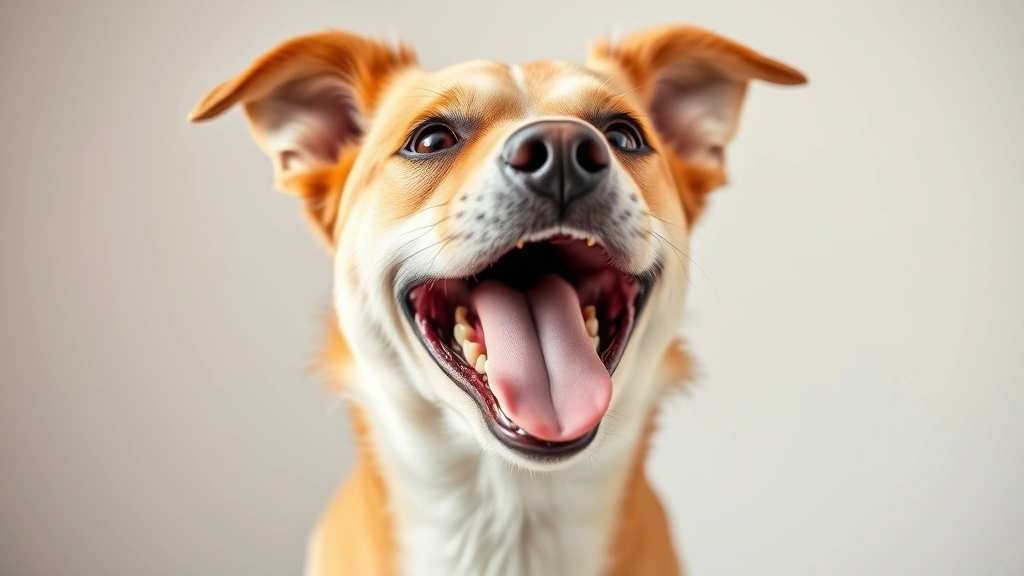
The lips and mouth area of dogs are packed with sensory receptors that give them detailed information about their environment. According to research from the ASPCA, dogs experience touch and pressure through specialized nerve endings in their lips and mouth area. This is why dogs often use their mouths to explore objects—they’re literally “feeling” their way through the world.
The vibrissae (whiskers) around the mouth are connected to sensitive nerve clusters that help dogs detect even the slightest movements. This is why your dog might flinch when you touch their whiskers—they’re not being dramatic; those whiskers are genuinely sensitive! These sensory organs help dogs navigate in low-light conditions and detect nearby threats or opportunities.
Dogs also use their lips and mouth to sample scents. The sensitive tissue in their mouth can pick up chemical information from their environment, working in conjunction with their extraordinary sense of smell. When your dog sniffs something and then licks it, they’re gathering comprehensive sensory data that we can barely comprehend.
The relationship between taste and the mouth structure is also worth noting. While dogs have taste buds, they experience taste differently than humans, and their lip structure plays a role in how they process flavors. The mucous membranes in their mouths contain taste receptors that work alongside their sense of smell to create their overall taste experience.
Common Lip and Mouth Health Issues
Just like humans, dogs can experience problems with their lips and mouth. One common issue is lip fold dermatitis, which occurs in breeds with deep lip folds. This condition develops when moisture and bacteria accumulate in the folds, causing irritation and infection. Breeds like Spaniels and Bulldogs are particularly prone to this issue.
Another concern is cheilitis, which is inflammation of the lips. This can be caused by allergies, infections, or trauma. If you notice your dog’s lips are swollen, red, or seem uncomfortable, it’s worth a veterinary visit. Understanding whether dogs mouths are cleaner than humans can help you understand infection risks better.
Oral health problems can also affect the lips and surrounding tissue. Poor dental hygiene can lead to gum disease, which can spread to the lips and cause discomfort. Regular teeth brushing and dental check-ups are essential for maintaining your dog’s oral health. If you’ve noticed why your dog’s breath stinks, it could be related to underlying oral health issues that need attention.
Lip tumors, while less common, can also occur in dogs. Any unusual growth, discoloration, or persistent sore on or around your dog’s lips warrants a veterinary examination. Early detection of any health issue is always better than waiting for symptoms to worsen.
According to Veterinary Partner, regular oral examinations by a veterinarian can catch many mouth and lip problems before they become serious. Prevention through good hygiene and nutrition is always the best approach.
Caring for Your Dog’s Mouth and Lips
Maintaining your dog’s lip and mouth health is an important part of their overall wellness routine. Start by establishing a regular teeth-brushing habit. Using a dog-specific toothbrush and toothpaste, aim to brush your dog’s teeth at least three times a week, though daily is ideal. This helps prevent plaque buildup and keeps gums healthy.
For dogs with prominent flews or deep lip folds, regular cleaning and drying is essential. After meals or drinking, gently wipe around the lip area to remove any moisture that could promote bacterial growth. During humid weather or after swimming, pay extra attention to these areas to prevent moisture-related issues.
Provide your dog with appropriate chew toys and dental chews that help maintain oral health. These items help mechanically clean teeth and promote healthy jaw muscles. Just make sure any chew toys are appropriately sized for your dog and don’t pose a choking hazard.
Monitor your dog’s mouth regularly for any changes. Look for unusual odors, discoloration, swelling, or sores. If you notice anything concerning, don’t hesitate to contact your veterinarian. Many mouth problems are easier to treat when caught early.
A balanced diet also plays a crucial role in oral health. Quality nutrition supports healthy teeth, gums, and lips. Some commercial dog foods are specifically formulated to promote dental health, which can be a helpful addition to your dog’s diet alongside regular brushing.
Consider professional dental cleanings performed by your veterinarian. While these require anesthesia, they’re sometimes necessary to remove tartar and treat existing dental disease. Your vet can recommend how often your specific dog needs professional cleaning based on their breed, age, and individual health factors.
Frequently Asked Questions
Are dog lips sensitive?
Yes, dog lips are extremely sensitive! They contain numerous sensory nerve endings and are particularly responsive to touch, temperature, and texture. This sensitivity helps dogs explore their environment and interact with objects and people. However, this also means that lip injuries can be quite uncomfortable for dogs, so handle their mouth area gently.
Why do some dogs have more prominent lips than others?
Breed genetics play a huge role in lip prominence. Breeds like Mastiffs, Basset Hounds, and Bloodhounds have been selectively bred for centuries to have prominent flews. These loose lips serve practical purposes in their original roles—for example, Bloodhounds’ flews help contain scent particles while tracking. Other breeds have been bred for tighter, less visible lips.
Can dogs get cold sores on their lips?
Dogs don’t get cold sores the way humans do because they’re not typically infected with the herpes simplex virus. However, they can develop other types of lip sores from viral, bacterial, or fungal infections. If your dog has persistent sores on their lips, consult your veterinarian for proper diagnosis and treatment.
Is it normal for dogs to drool?
Drooling is completely normal for many dogs, especially those with prominent flews. However, excessive drooling can sometimes indicate a problem such as dental disease, mouth injuries, or other health issues. If your dog’s drooling suddenly increases or seems abnormal, it’s worth getting checked by a vet.
How can I tell if my dog has a lip infection?
Signs of a lip infection include redness, swelling, discharge, odor, or your dog excessively licking or scratching at their lips. They might also seem uncomfortable or have difficulty eating. If you notice any of these signs, contact your veterinarian for evaluation and treatment recommendations.
Do all dogs have the same type of lips?
No, dog lips vary significantly by breed. Some dogs have thick, droopy flews, while others have tight, thin lips that are barely noticeable. Some have pigmented lips, while others have pink or mottled coloring. All of these variations are normal and breed-specific. The variation reflects the different purposes different breeds were developed for.





