Do Dogs Have the Cleanest Mouths? The Facts
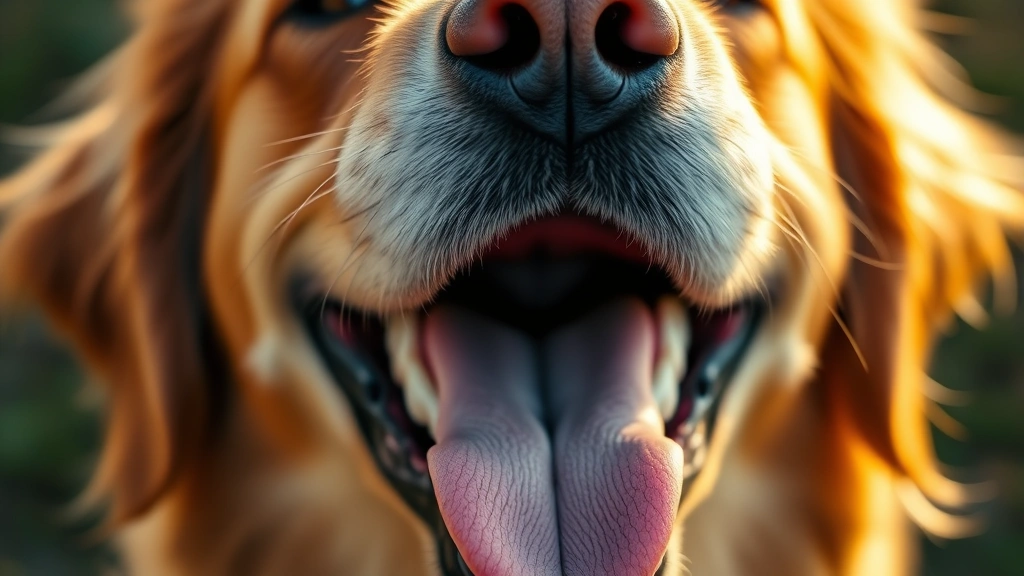
There’s a persistent myth that’s been passed around dog parks and veterinary waiting rooms for decades: dogs have the cleanest mouths of any animal, and their saliva can practically heal wounds. It sounds wonderful, doesn’t it? If only it were true! The reality is far more nuanced and, honestly, a bit less hygienic than the legend suggests. While our furry friends do have some remarkable oral qualities, calling their mouths “clean” is like calling a muddy dog “fresh from the spa.”
The truth about canine oral hygiene is more complex than a simple yes or no. Dogs do possess certain antimicrobial properties in their saliva, but this doesn’t make their mouths cleaner than human mouths—far from it. In fact, a dog’s mouth is a thriving ecosystem of bacteria, some beneficial and others potentially problematic. Understanding the real facts about dog mouth hygiene is essential for responsible pet ownership and maintaining your pup’s overall health.
Let’s dig into the science behind this popular misconception and discover what’s actually happening inside your dog’s mouth. You might be surprised by what you learn, and it could change how you think about those enthusiastic puppy kisses!
Myth vs. Reality: What Science Says
The “clean mouth” myth likely originated from a misunderstanding of dog saliva’s antimicrobial properties combined with observations that dogs rarely seem to get infections from their own bites or scratches. However, scientific research tells a different story. According to the American Animal Hospital Association, dental disease is one of the most common health problems in dogs, affecting approximately 80% of dogs over the age of three.
When we talk about whether dogs have mouths that are cleaner than humans, we need to examine the actual evidence. Studies have shown that dog mouths contain numerous bacteria species—estimates suggest anywhere from 300 to 600 different bacterial species. While some of these bacteria are beneficial, many are pathogenic and can cause serious infections if they enter the bloodstream through wounds or scratches.
The reality is that dogs do have clean mouths only in a relative sense. Their oral environment is actually quite different from ours, with a higher pH level and different enzymatic composition. But cleanliness? That’s a stretch. Your dog’s mouth is warm, moist, and filled with food particles—essentially a perfect breeding ground for bacteria.
The Bacterial Composition of Dog Mouths
Understanding what’s actually living in your dog’s mouth requires us to look at the bacterial landscape. Dogs’ mouths naturally harbor a diverse microbial community that includes both commensal bacteria (harmless residents) and potentially pathogenic species. This is completely normal and expected—it’s not a sign of poor hygiene.
One of the primary bacteria found in dog mouths is Streptococcus species, which can be beneficial in appropriate quantities but problematic in excess. Another common inhabitant is Staphylococcus, which rarely causes problems in the mouth but can be concerning if it enters the bloodstream. Dogs also frequently carry Pasteurella multocida, a bacterium that can cause serious infections in humans if introduced through a bite wound.
The bacterial composition varies significantly based on several factors including diet, age, overall health, and oral hygiene practices. A dog that receives regular dental care will have a different bacterial profile than one that doesn’t. Interestingly, studies have found that whether dogs mouths are truly clean often depends on individual oral health maintenance rather than any inherent cleanliness factor.
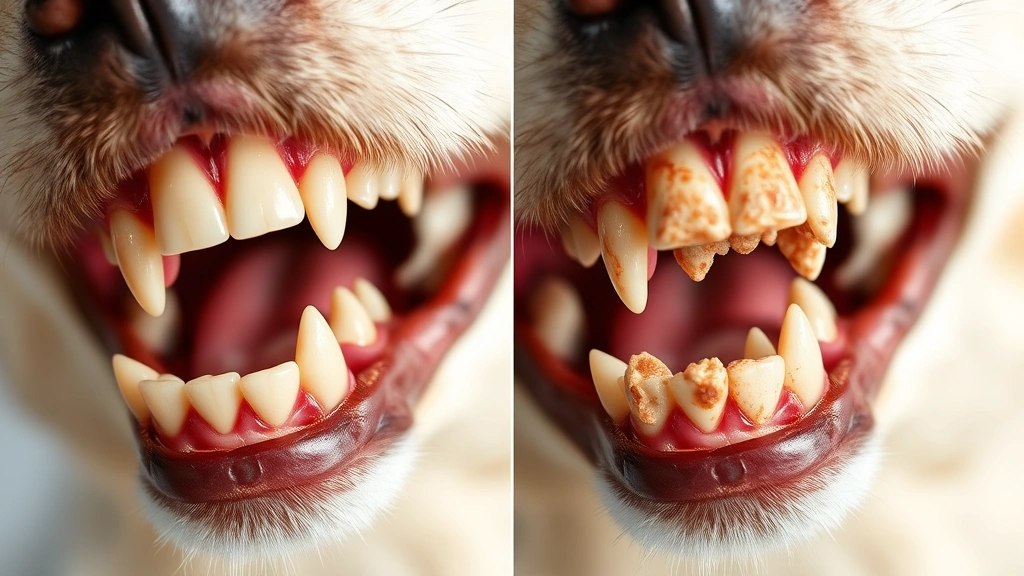
Research from veterinary dental specialists has identified that plaque and tartar buildup in dog mouths can harbor particularly problematic bacterial colonies. These biofilms are resistant to the antimicrobial properties of saliva and can lead to periodontal disease, tooth loss, and systemic infections.
Antimicrobial Properties in Dog Saliva
Now, here’s where we give credit where it’s due: dog saliva does contain some genuinely impressive antimicrobial compounds. The enzyme lysozyme, present in canine saliva, has antibacterial properties and can help break down bacterial cell walls. Additionally, dog saliva contains immunoglobulin A (IgA), an antibody that provides some immune protection.
Another compound found in dog saliva is lactoferrin, which has iron-binding properties that can inhibit bacterial growth. These components work together to provide a level of protection against infection, which might explain why dogs can tolerate their own saliva on wounds without immediately developing infections.
However—and this is crucial—these antimicrobial properties are not sufficient to make a dog’s mouth clinically clean. They’re more like a built-in immune defense system rather than a cleaning mechanism. The presence of these compounds doesn’t negate the reality that dog mouths contain hundreds of bacterial species, many of which can be pathogenic to humans and other animals.
According to research published by the American Veterinary Medical Association, while saliva does have protective properties, it’s not a substitute for proper dental care and hygiene practices. The antimicrobial properties are most effective against certain bacteria but offer no protection against the biofilm formation that leads to dental disease.
How Dog Mouths Compare to Human Mouths
When comparing dog mouths to human mouths, we’re essentially comparing two different oral ecosystems. Humans and dogs have evolved different oral environments suited to their dietary and behavioral needs, making direct comparisons challenging.
Human mouths tend to have fewer bacterial species overall but are more susceptible to certain types of bacterial overgrowth, particularly when oral hygiene is poor. We produce saliva that’s more acidic than dogs’, which actually provides some protective benefits against cavity-forming bacteria. Dogs, conversely, have a more alkaline mouth environment that’s less conducive to cavity formation but more hospitable to certain other bacterial species.
One key difference: human mouths naturally self-clean to some degree through chewing and swallowing, and we have the cognitive ability to maintain oral hygiene through brushing and flossing. Dogs lack this capability and depend entirely on their owners for dental care. This fundamental difference means that without intervention, dogs are actually at higher risk for dental disease accumulation than humans.
The bacterial species found in each species’ mouth also differ significantly. While some overlap exists, dogs don’t naturally harbor the same cavity-causing bacteria that humans do (which is why dogs rarely get cavities). However, they’re much more prone to tartar buildup and periodontal disease.
Interestingly, research has shown that why dogs’ breath can stink often relates to bacterial overgrowth and periodontal issues rather than fundamental uncleanliness. This suggests that with proper care, dog breath can be significantly improved.
Common Dental Health Concerns in Dogs
If dog mouths were truly clean, we wouldn’t see the epidemic of dental disease affecting our canine companions. The statistics are sobering: the ASPCA reports that by age three, most dogs show signs of dental disease. This prevalence isn’t due to inherent uncleanliness but rather to the combination of their diet, oral anatomy, and lack of natural cleaning mechanisms.
Periodontal disease is the most common dental problem in dogs. It begins with plaque formation—a sticky film of bacteria and food particles that accumulates on teeth. If not removed, plaque hardens into tartar, which harbors even more bacteria and can lead to gum inflammation, infection, and eventually tooth loss.
Bad breath is often an early indicator of dental problems. While some dog breath odor is normal, particularly pungent smells can indicate bacterial overgrowth or infection. The connection between why dog breath might smell like fish and oral health issues is worth investigating with your veterinarian.
Tooth decay, while less common in dogs than humans, does occur, particularly in senior dogs or those with certain health conditions. Gum disease can lead to bone loss and tooth mobility. Most concerning, bacteria from oral infections can enter the bloodstream and affect the heart, kidneys, and liver—a condition called bacteremia.
According to veterinary dental experts at OraVet, untreated dental disease can reduce a dog’s lifespan and significantly impact quality of life. This underscores why proper oral care is essential, not optional.
Maintaining Your Dog’s Oral Health
Understanding that dog mouths aren’t inherently clean means understanding that preventive care is crucial. Regular dental maintenance can significantly reduce bacterial accumulation and prevent serious health complications.
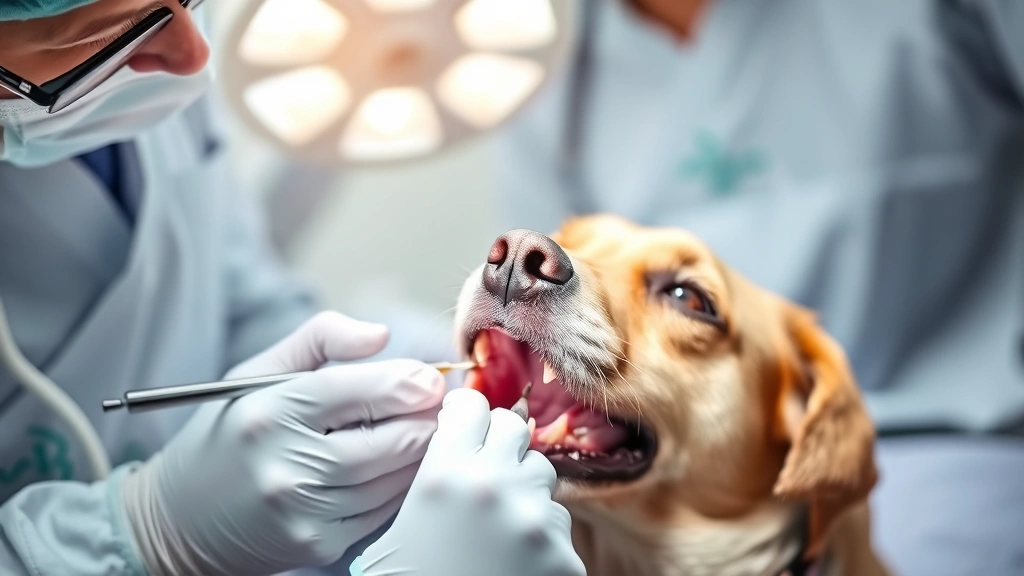
Professional dental cleanings performed by veterinarians are the gold standard for maintaining canine oral health. During these procedures, a veterinarian removes tartar and plaque from above and below the gum line—areas that home care cannot reach. There are ways to clean dog teeth without brushing, but professional cleanings remain the most effective intervention.
At-home dental care is equally important. Brushing your dog’s teeth daily with dog-specific toothpaste and a soft-bristled brush is the single most effective preventive measure. Unlike human toothpaste, dog toothpaste is formulated to be safe if swallowed and often contains ingredients designed to reduce bacterial growth.
Dental chews and toys designed to promote oral health can help reduce plaque accumulation through mechanical action. However, these shouldn’t replace brushing—think of them as supplementary care. Some dental chews contain enzymes or antimicrobial agents that provide additional benefits.
Diet plays a significant role in oral health. Dry kibble provides more mechanical cleaning action than wet food, though the difference is modest. Some specialized dental diets are formulated with texture and ingredients specifically designed to promote oral health. Avoiding sugary treats and maintaining a balanced diet supports overall oral health.
Regular veterinary checkups allow for early detection of dental problems. Your vet can identify gingivitis, loose teeth, or other issues before they become serious. Early intervention often prevents the need for tooth extraction and reduces the risk of systemic complications.
Water additives designed to reduce bacterial growth can provide supplementary benefits, though they work best in conjunction with other preventive measures. Some contain chlorhexidine or other antimicrobial agents that help control oral bacteria.
Frequently Asked Questions
Is it safe to let my dog lick my face?
While occasional dog kisses aren’t typically dangerous for healthy individuals, it’s worth understanding the risks. Dog saliva does contain bacteria that can potentially cause infection, particularly if you have open wounds, compromised immune systems, or certain health conditions. For immunocompromised individuals, pregnant women, or very young children, it’s wise to limit facial licking. The risk is generally low for healthy adults, but awareness is important.
Can a dog’s saliva heal wounds?
Dog saliva has antimicrobial properties that provide some protection against infection, but it cannot heal wounds in any meaningful way. The myth likely stems from observations that dogs’ own bite wounds rarely become infected, which is due to their saliva’s antimicrobial properties combined with their immune systems. However, applying dog saliva to a human wound is not recommended and offers no therapeutic benefit. Modern wound care practices are far superior.
How often should I have my dog’s teeth professionally cleaned?
Most dogs benefit from professional dental cleanings once yearly, though some may need them more frequently. Your veterinarian can assess your individual dog’s needs based on their age, breed, overall health, and current dental status. Some dogs with advanced periodontal disease may require cleanings every six months or more frequently.
Are certain dog breeds more prone to dental disease?
Yes, certain breeds are at higher risk for dental problems. Small breeds, particularly toy breeds, tend to have crowded teeth that trap more plaque and tartar. Brachycephalic breeds (flat-faced dogs like Bulldogs and Pugs) often have dental crowding issues. Breeds with genetic predispositions to periodontal disease also exist. However, any dog can develop dental disease without proper care.
What’s the best toothpaste for dogs?
Dog-specific toothpastes are essential—never use human toothpaste on your dog, as it contains fluoride and other ingredients that can be harmful if swallowed. Look for toothpastes approved by the Veterinary Oral Health Council (VOHC). Many contain enzymatic ingredients that help control bacterial growth. Your veterinarian can recommend options best suited to your dog’s needs.
Can dental disease in dogs affect their overall health?
Absolutely. Periodontal disease bacteria can enter the bloodstream through inflamed gum tissues, potentially affecting the heart, kidneys, and liver. Studies have shown correlations between severe dental disease and systemic health problems. This is why preventive dental care is an investment in your dog’s overall health and longevity.
What signs indicate my dog has dental problems?
Watch for bad breath, visible plaque or tartar on teeth, red or swollen gums, difficulty eating, drooling excessively, pawing at the mouth, or behavioral changes related to eating. Loose or missing teeth, bleeding from the mouth, or facial swelling warrant immediate veterinary attention. Early detection leads to better outcomes.