
Do Dogs’ Whiskers Grow Back? What Experts Say
Ever noticed your furry best friend’s adorable whiskers twitching when they explore a new room or sniff out treats? Those aren’t just cute facial accessories—they’re sophisticated sensory organs that help your dog navigate the world. But what happens when those precious whiskers fall out? If you’ve spotted missing whiskers on your pup and wondered, “Do dogs’ whiskers grow back?” you’re not alone. This is one of those dog questions that pet parents ask surprisingly often, and the answer is more fascinating than you might expect.
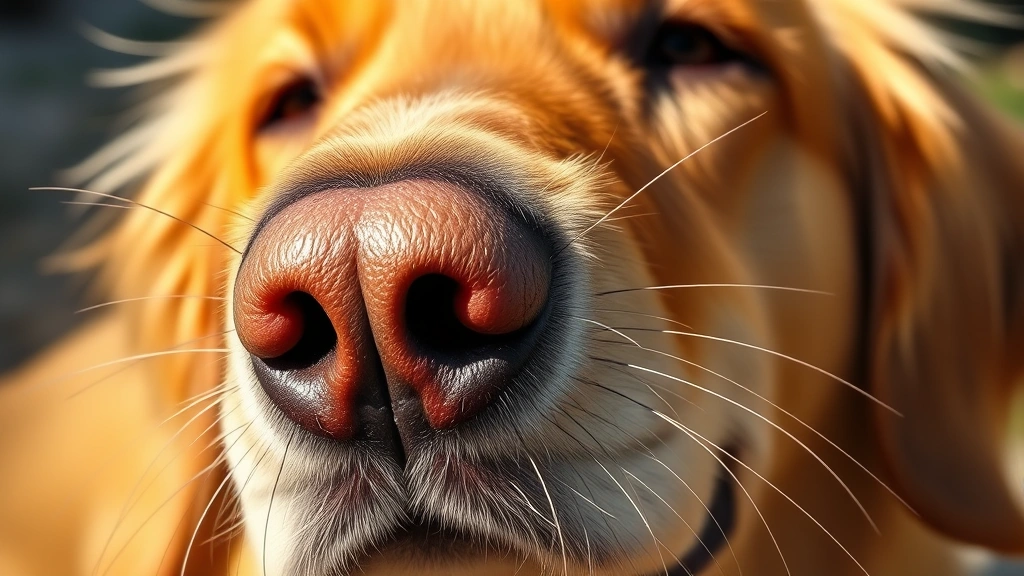
Your dog’s whiskers, scientifically known as vibrissae, are much more than decorative features. They’re packed with nerve endings that send crucial information to your dog’s brain about their surroundings. Understanding whether these important sensory tools regrow is essential for any responsible dog owner who wants to keep their companion healthy and comfortable.
Let’s dive into the science behind canine whiskers and discover what happens when they fall out or get accidentally trimmed.
What Are Dog Whiskers and Why Do They Matter?
Dog whiskers are specialized sensory hairs that serve a completely different purpose than regular fur. Unlike the rest of your dog’s coat, which primarily provides insulation and protection, whiskers are deeply rooted in your dog’s skin and connected to sensitive nerve endings. These nerves send real-time feedback to your pup’s brain about texture, distance, and air movement.
Your dog’s whiskers are typically longer and thicker than their regular fur, and they’re strategically located on their face—above their eyes, on their cheeks, on their chin, and above their upper lip. Some dogs even have whiskers on their legs and other parts of their body. These sensory organs help your dog understand their environment, especially in low-light conditions.
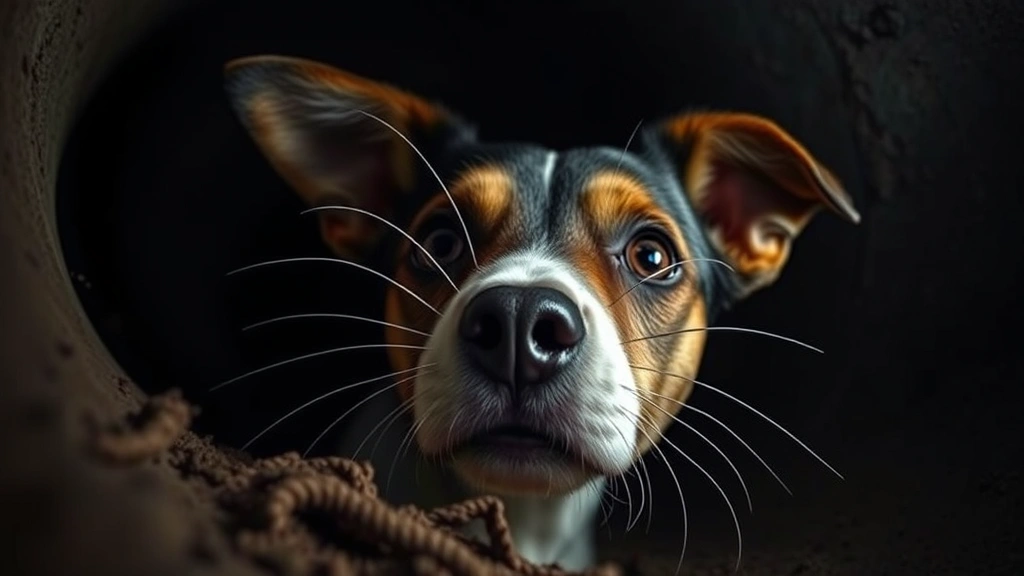
Think of whiskers as your dog’s built-in measuring tape and motion detector rolled into one. When your dog sticks their nose into a hole to investigate, those whiskers tell them whether they can fit through safely. When they’re walking through tall grass or in the dark, their whiskers help them detect obstacles before they bump into them. This is why dogs can see at night so effectively—their whiskers work in tandem with their eyes to paint a complete sensory picture.
The importance of whiskers becomes even clearer when you realize that dogs rely on them for spatial awareness and confidence. A dog without whiskers may feel disoriented, anxious, or clumsy. This is why trimming or removing a dog’s whiskers is considered cruel and is actually illegal in some countries.
The Whisker Growth Cycle
To answer whether dog whiskers grow back, we first need to understand how they grow in the first place. Whiskers follow a natural growth cycle called the hair growth cycle, which has several phases: anagen (growth), catagen (transition), telogen (resting), and exogen (shedding).
During the anagen phase, new whisker cells are actively being produced at the follicle. This phase can last several months, depending on your individual dog and other factors like age, health, and breed. The catagen phase is brief—just a couple of weeks—and marks the transition period when growth slows. During the telogen phase, the whisker is fully developed but no longer growing; it simply rests in the follicle. Finally, during the exogen phase, the whisker naturally sheds and falls out, making room for a new one to grow.
This entire cycle is completely natural and happens continuously throughout your dog’s life. Most dogs shed whiskers gradually, so you might not even notice individual hairs falling out. However, if your dog is stressed, has a health condition, or experiences nutritional deficiencies, you might notice more pronounced whisker loss.
It’s worth noting that the whisker growth cycle is similar to the growth cycle of human hair and the growth cycle of other body parts. If you’ve ever wondered how many teeth dogs have and whether they all grow at the same time, you’ll appreciate that nature has designed multiple growth cycles for different body parts to ensure your dog maintains their sensory and physical capabilities.
Do Dogs’ Whiskers Actually Grow Back?
The short answer is yes—dog whiskers do grow back. This is excellent news for any pet parent who’s accidentally had their pup’s whiskers trimmed or who’s noticed their dog losing whiskers due to natural shedding or health issues.
Since whiskers follow the same natural growth cycle as other hair on your dog’s body, they will regrow after they fall out or are removed. The follicles that produce whiskers don’t stop functioning when a whisker is shed; instead, they simply move into the next phase of the growth cycle and begin producing a new whisker.
However, there’s an important caveat: the whisker follicles themselves must remain intact and healthy. If a whisker is plucked out violently or if the follicle is damaged by trauma, infection, or disease, regrowth might be delayed or compromised. Additionally, if your dog has a serious health condition affecting hair growth throughout their body, this could also impact whisker regrowth.
According to veterinary experts and resources from the American Kennel Club, whiskers are a vital part of your dog’s sensory system, and the body prioritizes their regrowth. Your dog’s body understands the importance of these sensory organs and allocates resources to regenerating them relatively quickly compared to other body hair.
One fascinating thing to understand is that dogs have eyebrows too, and these specialized hairs also follow similar regrowth patterns. The eyebrows, whiskers, and other facial sensory hairs all work together to help your dog interpret their world.

Why Dogs Lose Their Whiskers
Understanding why your dog might lose whiskers can help you determine whether there’s a health concern or if it’s simply natural shedding. There are several common reasons why dogs lose their whiskers:
- Natural Shedding: The most common reason is simply the natural whisker growth cycle. As whiskers complete their telogen phase, they shed and are replaced with new ones. This is completely normal and healthy.
- Stress: Dogs experiencing anxiety or stress may shed whiskers more rapidly than usual. If your dog is going through a major life change or stressful situation, you might notice increased whisker loss.
- Nutritional Deficiencies: Poor nutrition can impact hair growth throughout your dog’s body, including whiskers. Ensure your dog is eating a high-quality diet rich in protein, omega fatty acids, and essential vitamins.
- Allergies: Skin allergies and sensitivities can lead to excessive scratching and whisker loss. If your dog is itching excessively, consult your veterinarian.
- Skin Infections: Bacterial or fungal infections can damage hair follicles and lead to hair loss, including whisker loss. These conditions require veterinary treatment.
- Accidental Trimming: Some groomers or well-meaning owners might accidentally trim whiskers during grooming. While this isn’t ideal, the whiskers will regrow.
- Trauma or Injury: If your dog has been in a fight, accident, or has experienced facial trauma, whisker loss might occur.
If your dog is experiencing significant whisker loss accompanied by other symptoms like excessive scratching, skin redness, or behavioral changes, it’s time to contact your veterinarian. They can rule out underlying health conditions and provide appropriate treatment.
Timeline for Whisker Regrowth
So you’ve confirmed that yes, your dog’s whiskers will regrow, but how long does it actually take? The timeline for whisker regrowth varies depending on several factors, but here’s what you can generally expect:
Initial Growth Phase (Weeks 1-2): After a whisker falls out or is trimmed, the follicle begins preparing for new growth. You might not see visible changes yet, but the biological process is already underway.
Noticeable Growth (Weeks 3-6): Around three to six weeks after loss, you’ll start seeing tiny new whiskers emerging from the follicles. They’ll be noticeably shorter than the original whiskers, but they’re definitely there.
Significant Development (Weeks 6-12): Between six weeks and three months, the new whiskers will grow considerably longer. They’ll start to reach closer to their normal length and thickness.
Full Regrowth (3-6 Months): Most dogs’ whiskers reach their full original length and thickness within three to six months. However, some dogs might take longer, especially if they’re older or have underlying health conditions.
It’s important to note that these timelines can vary significantly based on your individual dog’s age, health status, genetics, and nutritional status. Younger, healthier dogs typically experience faster regrowth than senior dogs or those with health issues.
Just as different body systems work at different rates—for instance, dogs’ mouths have different cleaning mechanisms than humans—whisker regrowth operates on its own timeline influenced by your dog’s overall physiology.
Tips for Protecting Your Dog’s Whiskers
Now that you know whiskers do grow back, let’s talk about how to protect them and avoid unnecessary loss in the first place. Prevention is always better than waiting for regrowth.
Never Trim Your Dog’s Whiskers: This is the golden rule. While some people think trimmed whiskers look neater, removing them causes your dog genuine discomfort and disorientation. Professional groomers should know better, but it’s worth explicitly telling them not to trim whiskers.
Maintain a Healthy Diet: Feed your dog high-quality food that includes adequate protein, omega-3 and omega-6 fatty acids, and essential vitamins. These nutrients directly support healthy hair growth, including whiskers. Look for foods with real meat as the primary ingredient and avoid excessive fillers.
Manage Stress: Provide your dog with a calm, secure environment. Regular exercise, consistent routines, and positive reinforcement help reduce stress-related hair loss. If your dog suffers from anxiety, talk to your vet about potential solutions.
Regular Veterinary Checkups: Schedule annual wellness exams to catch any underlying health conditions that might affect hair growth. Conditions like allergies, hormonal imbalances, and skin infections should be addressed promptly.
Gentle Grooming: When bathing or grooming your dog, be gentle around the face and whisker areas. Use soft brushes and avoid pulling or tugging on whiskers. If you use a professional groomer, make sure they understand the importance of leaving whiskers intact.
Monitor for Changes: Pay attention to your dog’s whiskers and report any unusual loss or changes to your veterinarian. Early detection of problems means faster treatment and recovery.
Provide Mental Stimulation: A bored dog is a stressed dog. Offer puzzle toys, interactive games, and regular playtime to keep your pup mentally engaged and emotionally balanced.
According to the ASPCA, maintaining your dog’s overall health is the best way to ensure healthy coat and whisker growth. This means providing proper nutrition, regular exercise, preventive veterinary care, and a loving, stress-free environment.
Frequently Asked Questions
How long do dog whiskers take to grow back?
Most dogs’ whiskers grow back within three to six months after being shed or removed. However, timelines can vary based on your dog’s age, health, and individual genetics. Younger, healthier dogs typically experience faster regrowth than senior dogs or those with health conditions.
Will my dog’s whiskers grow back if they’re trimmed?
Yes, your dog’s whiskers will grow back after trimming. However, trimming whiskers is not recommended because it causes discomfort and temporarily affects your dog’s spatial awareness and confidence. It’s considered cruel in some countries and is generally considered unethical grooming practice.
What if my dog only has a few whiskers left?
If your dog has lost multiple whiskers, this could indicate an underlying health issue that needs veterinary attention. While the remaining whiskers will continue to function, and new ones will regrow, the cause of the significant loss should be investigated. Schedule a vet appointment to rule out allergies, infections, or nutritional deficiencies.
Do all dog breeds have whiskers?
Yes, all dog breeds have whiskers. However, some breeds have more prominent whiskers than others. Breeds like Schnauzers and Terriers are known for their distinctive facial whiskers, while other breeds might have less noticeable ones. Regardless of prominence, all dogs rely on their whiskers for sensory information.
Can I use products to speed up whisker regrowth?
While there’s no magic product that dramatically speeds up whisker regrowth, you can support healthy growth through proper nutrition and supplements. Omega-3 fatty acids, biotin, and vitamins A and E all support healthy hair growth. Always consult your veterinarian before starting any supplement regimen.
Is whisker loss a sign of illness?
Gradual, natural whisker loss as part of the growth cycle is normal. However, sudden, excessive, or accompanied by other symptoms like itching, skin redness, or behavioral changes, it could indicate an underlying health issue. When in doubt, consult your veterinarian.
Should I be concerned if my dog’s whiskers look different after regrowing?
Regrowing whiskers should look and function similarly to the original ones. However, if you notice they’re significantly thinner, shorter, or not regrowing at all after several months, this could indicate a health problem or nutritional deficiency. Your veterinarian can investigate further.
Can stress cause my dog to lose whiskers?
Yes, chronic stress can lead to increased hair loss throughout your dog’s body, including whiskers. If you suspect stress is affecting your dog’s coat and whisker health, focus on providing a calm environment, regular exercise, and positive interactions. Your vet can also recommend anxiety management strategies if needed.
Are there any breeds that don’t regrow whiskers?
No, all healthy dogs with intact whisker follicles can regrow whiskers. However, dogs with certain genetic conditions, serious illnesses, or severe nutritional deficiencies might experience compromised regrowth. This is rare and would typically be accompanied by other health symptoms.





