Do Dogs Sleep with Their Eyes Open? Explained
If you’ve ever caught your furry best friend seemingly staring into the void while completely zonked out, you’re not alone. Many dog owners have experienced the slightly unsettling phenomenon of their pup appearing to nap with their peepers wide open. It’s the kind of thing that makes you wonder: Is my dog actually sleeping, or are they plotting something? The truth is far more fascinating than any canine conspiracy, and it has everything to do with how dogs’ brains and bodies are wired differently from ours.
The short answer? Yes, dogs absolutely can and do sleep with their eyes open. But before you start worrying that your pup is experiencing some kind of sleep disorder, know that this is a completely normal behavior rooted in their evolutionary past. Understanding why this happens can help you become a better dog parent and recognize when your furry companion is genuinely resting versus when something might actually need your attention.
In this comprehensive guide, we’ll explore the science behind canine sleep patterns, why dogs have this quirky eye-opening habit, and what it all means for your pet’s health and well-being. We’ll also cover when this behavior might signal a concern and how to ensure your dog is getting the quality rest they need to thrive.
Why Dogs Sleep with Their Eyes Open
The phenomenon of dogs sleeping with their eyes open is primarily due to something called unihemispheric slow-wave sleep (USWS). This is a fascinating neurological process where only one hemisphere of the brain enters deep sleep while the other remains partially alert. Think of it as your dog running a security system even while catching some Z’s.
During this type of sleep, the eye on the side of the brain that’s still active may remain partially or fully open. This is actually an evolutionary adaptation that’s incredibly useful for animals in the wild. While one side of the brain rests, the other side can monitor the environment for potential threats. It’s like having a built-in alarm system that never fully clocks out.
Dogs inherited this trait from their wolf ancestors, who needed to stay vigilant even while sleeping in potentially dangerous environments. Even though your beloved pooch is safely snoozing on your couch, their ancient instincts are still very much alive and kicking. This is why you might notice your dog’s eye flutter open occasionally, seemingly tracking movements in the room, before they drift back into deeper sleep.
The positioning of a dog’s eyes also plays a role. Unlike humans whose eyes are centered in the front of our heads, dogs have eyes positioned more to the sides of their skulls. This gives them a wider field of vision and makes it easier for them to keep tabs on their surroundings without moving their heads.
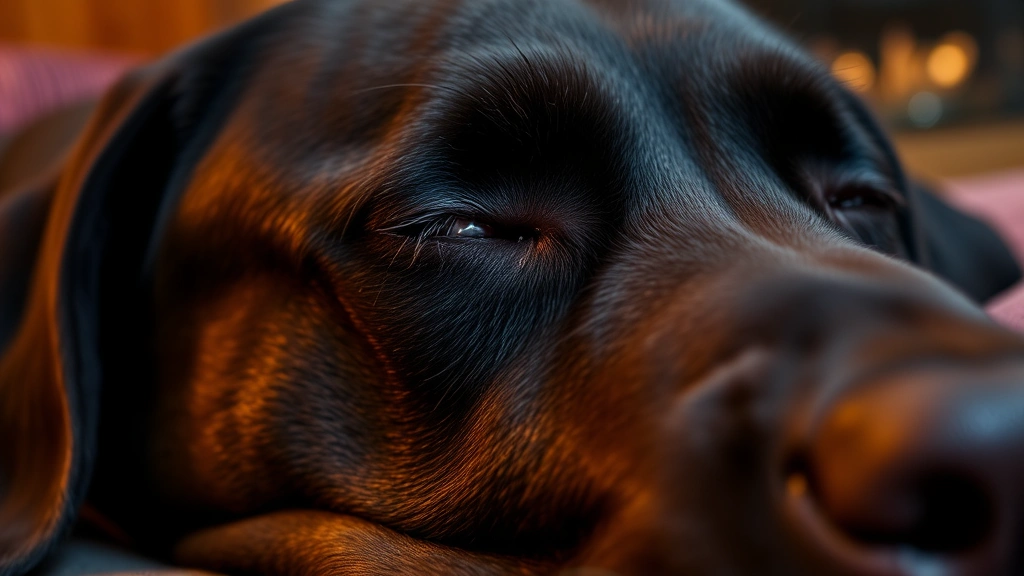
The Third Eyelid Mystery
Here’s something that might blow your mind: your dog actually has three eyelids, not just two. The third eyelid, called the nictitating membrane or haw, is located in the inner corner of the eye and serves as an extra layer of protection.
When your dog is sleeping with their eyes open, this third eyelid often closes or partially closes to protect the cornea and keep the eye moist. This is why a sleeping dog’s eye might look a bit glassy or unfocused—that protective membrane is doing its job. The third eyelid is particularly visible when a dog is very relaxed or in certain sleep stages.
This additional eyelid is one of the reasons dogs can comfortably sleep with their eyes open in a way that would feel absolutely bizarre and uncomfortable for us humans. The extra protection means their eyes don’t dry out, and the cornea stays safe even when the eye itself is exposed.
If you notice the third eyelid is prominently visible during your dog’s waking hours or if it seems to be bothering them, that’s worth mentioning to your veterinarian. While occasional visibility is normal, persistent issues could indicate an infection or other health concern.
Understanding Canine Sleep Stages
Dogs, like humans, experience different stages of sleep, each serving important functions for their physical and mental health. However, the way dogs cycle through these stages is quite different from our own sleep architecture.
Light Sleep (Drowsiness): This is the stage where your dog is most likely to have their eyes partially or fully open. During light sleep, dogs are easily awakened and remain somewhat alert to their surroundings. This is when that unihemispheric sleep we discussed earlier is most active. Dogs spend a significant portion of their sleep time in this stage, which is why they can jump up instantly when they hear the treat bag rustle.
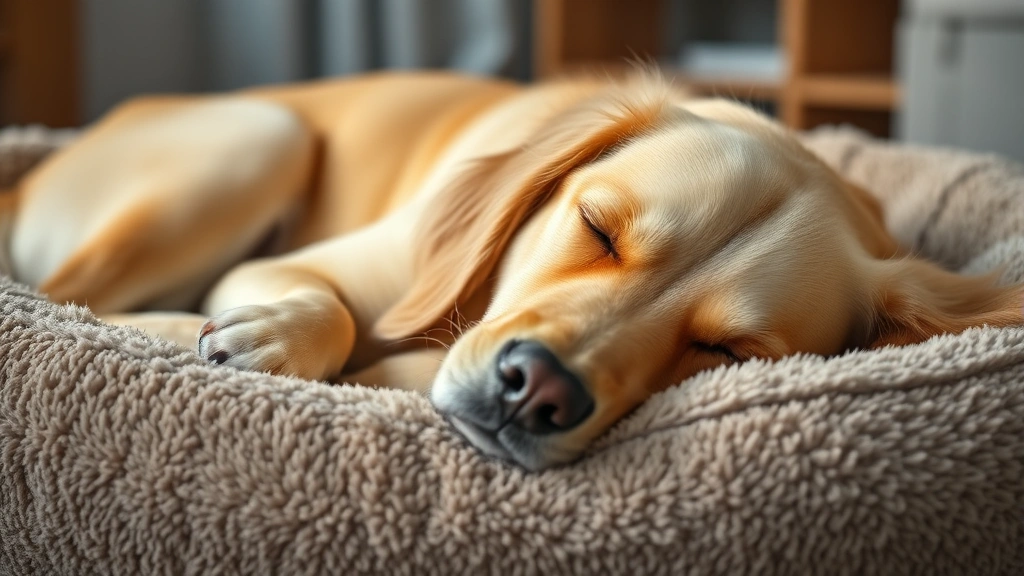
Deep Sleep (Slow-Wave Sleep): This is when your dog is truly out cold. During deep sleep, both brain hemispheres are in sync, and your pup’s eyes will typically be closed. This is the restorative stage where physical healing and growth occur. Dogs need adequate deep sleep to maintain their health, and it’s during this stage that their bodies repair muscles, consolidate memories, and regulate hormones.
REM Sleep (Rapid Eye Movement): This is the stage where dogs may have nightmares or vivid dreams. During REM sleep, you might notice your dog’s eyes moving rapidly beneath closed eyelids, their paws twitching, or even hear them making little yipping sounds. This stage is crucial for cognitive development and processing emotional experiences.
Dogs cycle through these stages much more rapidly than humans do. While humans might spend 90 minutes in a complete sleep cycle, dogs often complete a cycle in just 15-20 minutes. This is why dogs seem to need so much sleep—they’re not spending as much time in the deep, restorative stages as we are. Speaking of which, if you’ve ever wondered why dogs sleep so much, this rapid cycling is a major part of the answer.
Evolutionary and Survival Instincts
To truly understand why dogs sleep with their eyes open, we need to look back at their wild ancestors. Wolves and other canines in natural environments face constant threats. Predators, rival packs, and environmental hazards mean that complete, unguarded sleep could literally be a matter of life and death.
The ability to sleep with one eye open—literally and figuratively—gave canine ancestors a significant survival advantage. They could rest their bodies and minds while maintaining a watch for danger. This adaptation allowed them to get the sleep they needed without leaving themselves completely vulnerable.
Modern domestic dogs, despite living in our safe homes, still carry these ancient instincts in their DNA. Even though your dog doesn’t face predators in your living room, their brain hasn’t fully updated its threat-assessment software. This is why many dogs will sleep with their eyes partially open, especially in new environments or when they’re not entirely comfortable.
Interestingly, dogs that are more anxious or those with less secure attachment histories may display this behavior more frequently. They’re literally keeping watch because, on some deep evolutionary level, their nervous system hasn’t fully registered that they’re safe. This connects to why dogs often sleep on their owners—proximity to their trusted human provides the reassurance they need to relax more fully.
How to Tell If Your Dog Is Actually Sleeping
If you’re not sure whether your dog is actually asleep or just resting with their eyes open, here are some telltale signs that indicate genuine sleep:
- Relaxed body posture: A sleeping dog will have loose, relaxed muscles. Their body won’t be tense or ready to spring into action.
- Slow, deep breathing: You’ll notice their breathing becomes rhythmic and deep. Their chest will rise and fall in a steady pattern.
- Lack of responsiveness: While a resting but awake dog might perk up at the slightest sound, a truly sleeping dog will take a moment to respond to stimuli.
- Twitching or paddling: During REM sleep, you might see their paws twitch or their legs paddle as if they’re running. This is actually a sign of deep sleep and dreaming.
- Snoring or sleep sounds: Many dogs snore or make little sleep noises when they’re in deep sleep stages.
- Position: Dogs in deep sleep often curl up in a ball or stretch out completely. A dog that’s just resting might maintain a more alert position.
The combination of these signs is usually a pretty reliable indicator that your pup is genuinely sleeping, even if their eyes are open. If you see most of these signs, your dog is getting the rest they need.
When to Be Concerned
While dogs sleeping with their eyes open is normal, there are situations where this behavior might warrant a closer look. According to the American Kennel Club’s expert advice, certain conditions can cause abnormal sleep patterns or eye issues.
Excessive eye opening during sleep: If your dog seems to be keeping their eyes open more than usual, or if only one eye is consistently open, this could indicate discomfort or a neurological issue.
Inability to close eyes fully: If your dog struggles to close their eyelids, this could be a sign of a condition affecting the facial nerves. This requires veterinary attention.
Eye discharge or irritation: If you notice your dog’s open eyes are becoming irritated, red, or have discharge, this could indicate an infection or other health issue.
Changes in sleep behavior: If your dog suddenly changes their sleeping habits—sleeping significantly more or less than usual—this could signal an underlying health problem.
Narcolepsy: In rare cases, dogs can suffer from narcolepsy, a neurological condition that affects sleep-wake cycles. If your dog seems to collapse suddenly during the day or has episodes of extreme muscle weakness, consult your veterinarian.
The ASPCA provides comprehensive pet care guidelines that can help you understand when behavioral changes warrant professional evaluation. When in doubt, it’s always better to err on the side of caution and have your vet check things out.
Tips for Improving Your Dog’s Sleep Quality
Now that you understand the science behind your dog’s sleeping habits, here are some practical tips to help ensure your pup gets the best quality rest possible:
- Create a comfortable sleep space: Provide a cozy bed or crate in a quiet, low-traffic area of your home. Dogs sleep better when they have a designated space that feels secure and comfortable.
- Maintain a consistent routine: Dogs thrive on routine. Try to keep feeding, play, and bedtime schedules consistent. This helps regulate their sleep-wake cycle.
- Provide adequate exercise: A tired dog is a sleeping dog. Make sure your pup gets enough physical activity during the day to promote deeper, more restful sleep at night.
- Manage anxiety: If your dog seems anxious during sleep, work on building their confidence and security. This might include gradual desensitization to triggers or consulting with a professional trainer.
- Keep the environment cool: Dogs sleep better in cooler environments. A room temperature between 60-65°F is ideal for most dogs.
- Limit stimulation before bedtime: Just like humans, dogs benefit from a wind-down period before sleep. Avoid intense play or stimulation right before their bedtime.
- Consider white noise: Some dogs sleep better with background noise, like a fan or white noise machine, which can mask household sounds.
- Regular veterinary check-ups: Ensure your dog’s sleep quality by maintaining regular vet visits. Underlying health issues can significantly impact sleep.
If you’re curious about other quirky dog sleep behaviors, you might also want to explore why dogs bark in their sleep or the reasons behind why dogs sleep at your feet. These behaviors all tie back to your dog’s evolutionary history and their relationship with you.
Frequently Asked Questions
Is it normal for dogs to sleep with their eyes open?
Yes, absolutely. This is a completely normal behavior in dogs and is caused by unihemispheric sleep, where one brain hemisphere rests while the other remains partially alert. It’s an evolutionary adaptation that helps dogs stay alert to potential threats even while sleeping.
Can dogs see while they’re sleeping with their eyes open?
Not in the way we typically think of seeing. While the open eye may track movements, the sleeping brain hemisphere isn’t processing visual information in a conscious way. It’s more of an automatic reflex than true vision.
Should I be worried if my dog always sleeps with their eyes open?
Not necessarily. Many dogs naturally sleep this way, especially in the lighter sleep stages. However, if this is a sudden change in behavior or if it’s accompanied by other symptoms, consult your veterinarian.
How much sleep do dogs actually need?
Most adult dogs need 12-14 hours of sleep per day, though this varies by age, breed, and activity level. Puppies and senior dogs often need more sleep than adult dogs in their prime.
What’s the difference between a dog napping and a dog sleeping deeply?
Napping (light sleep) is when your dog is easily awakened and may have their eyes open or partially open. Deep sleep is when your dog is in a profound rest state with eyes closed, relaxed muscles, and slow breathing. Dogs need both types of sleep for optimal health.
Can a dog’s third eyelid cause problems?
The third eyelid is a normal and healthy part of a dog’s eye anatomy. However, if it becomes inflamed, infected, or seems to be bothering your dog, professional veterinary care is recommended. According to veterinary medical resources, conditions like cherry eye can affect this structure.
Why does my dog sometimes jerk or twitch while sleeping?
Those adorable twitches and jerks are typically signs that your dog is in REM sleep and experiencing dreams. This is completely normal and actually indicates healthy sleep cycles. Unless the movements are extreme or accompanied by other symptoms, there’s nothing to worry about.
Does my dog’s breed affect their sleeping habits?
Absolutely. Different breeds have different energy levels and sleep needs. High-energy breeds might sleep less but more intensely, while laid-back breeds might sleep more throughout the day. Larger breeds often need more sleep than smaller breeds.