
How Can You Tell If a Dog Has Rabies? Signs to Watch
Rabies is one of the most serious and terrifying diseases a dog can contract, and unfortunately, it’s almost always fatal once symptoms appear. As a responsible pet owner, knowing how to tell if a dog has rabies could literally save your life and the lives of those around you. This viral infection affects the nervous system and is transmitted through saliva, typically via a bite or scratch from an infected animal. The scary part? Many people don’t realize they’ve been exposed until it’s too late.
The good news is that rabies is 100% preventable with proper post-exposure prophylaxis (PEP), but only if you seek treatment immediately after potential exposure. That’s why recognizing the signs of rabies in dogs is absolutely critical. Whether you’ve been bitten by a stray dog, your own pet is acting strangely, or you’re simply concerned about exposure, this comprehensive guide will help you understand what to look for and what to do.
Understanding rabies symptoms in dogs isn’t just about protecting yourself—it’s about being a responsible community member who can help prevent the spread of this deadly disease. Let’s dive into everything you need to know about identifying rabies in canines and taking appropriate action.
What Is Rabies and How Dogs Contract It
Rabies is a viral infection caused by the rabies virus (Lyssavirus), which attacks the central nervous system and causes inflammation of the brain. Once clinical symptoms appear, the disease is almost universally fatal—we’re talking about a 99% mortality rate in dogs and humans alike. The virus is primarily transmitted through saliva, which means bites, scratches, or contact with mucous membranes are the main transmission routes.
Dogs typically contract rabies from wildlife encounters, particularly with raccoons, bats, skunks, and foxes. However, any mammal can theoretically carry and transmit rabies, including other dogs. The incubation period varies wildly—anywhere from a few weeks to several months—which is why observation periods are so important. During this time, an infected dog may show no symptoms whatsoever, but they’re still capable of transmitting the virus to others through their saliva.
Understanding the transmission method is crucial because it informs how you should respond to potential exposure. If you’ve been bitten or scratched by a dog of unknown vaccination status, or if you’ve had contact with a wild animal, seeking medical attention immediately is non-negotiable. The CDC provides comprehensive rabies information that emphasizes the importance of prompt post-exposure prophylaxis.
Early Signs of Rabies in Dogs
The earliest signs of rabies can be surprisingly subtle, which makes them easy to miss. Many dog owners mistake initial rabies symptoms for other common illnesses. One of the first things you might notice is a change in your dog’s temperament or behavior. A normally friendly dog might become withdrawn or unusually timid, while an active dog might seem lethargic.
Some dogs develop a fever, though not all do. If you’re wondering about how to tell if a dog has a fever, the classic signs include lethargy, loss of appetite, and warm ears and nose. However, rabies-related fever symptoms often accompany other neurological changes that make the condition more distinctive.
Another early indicator is excessive drooling. While some dogs naturally drool more than others, a sudden increase in saliva production or foaming at the mouth is concerning. Sensitivity to light, sound, or touch can also appear early—your dog might react dramatically to stimuli they normally ignore.

Your dog might also show signs of anxiety or restlessness. They may pace, seem confused, or display disorientation. Some dogs become hypersensitive to their surroundings, reacting fearfully to things that wouldn’t normally bother them. If your dog is acting weird in ways you can’t explain, and especially if they’ve had recent outdoor exposure or contact with wildlife, rabies should be on your radar.
Behavioral Changes and Aggression
As rabies progresses, behavioral changes become more pronounced and alarming. The virus fundamentally alters brain function, leading to personality shifts that are often shocking to witness. A dog that was previously gentle and well-behaved might become inexplicably aggressive, snapping or biting at family members, other pets, or strangers without provocation.
Conversely, some dogs develop the “dumb” or paralytic form of rabies, where they become increasingly withdrawn and docile. These dogs may hide away, seem depressed, or lose interest in activities they once enjoyed. The key difference between the two forms is the presence or absence of aggression, but both are equally deadly.
Aggression in rabies cases is particularly insidious because it can emerge suddenly. A dog might seem fine one moment and then snap viciously the next. This unpredictability is why any dog suspected of having rabies should be considered extremely dangerous. The aggression isn’t personal—it’s a direct result of viral encephalitis affecting the brain’s control centers.
Dogs with rabies may also develop unusual eating or chewing behaviors. Some become fascinated with inanimate objects, chewing on sticks, stones, or fabric obsessively. Others may attempt to eat things they wouldn’t normally consume. These behavioral anomalies, combined with other symptoms, paint a concerning picture that demands immediate veterinary attention.
Physical Symptoms to Watch For
Beyond behavioral changes, rabies manifests through several distinctive physical symptoms. The most iconic is excessive salivation and foaming at the mouth, though not all rabid dogs exhibit this sign. When it does occur, it’s often accompanied by difficulty swallowing or jaw dropping, giving the appearance of a slack jaw.
Paralysis often develops as rabies progresses, typically starting in the hind legs and moving forward toward the head. This progressive paralysis is why the disease is sometimes called “hydrophobia” in humans—as the disease advances, swallowing becomes increasingly difficult and painful. Dogs may show signs of pain or difficulty when trying to drink water, and some refuse water altogether despite being thirsty.
You might notice unusual vocalization changes. Some rabid dogs produce strange, uncharacteristic barks or howls. Their voice might sound hoarse or altered. Excessive drooling combined with difficulty swallowing can lead to aspiration issues and respiratory distress.
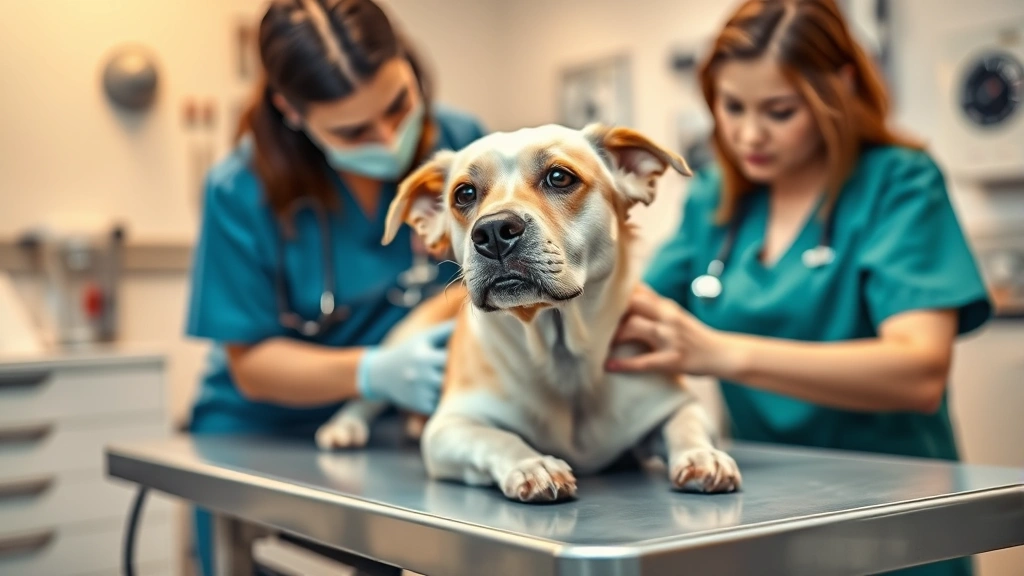
Sensitivity to stimuli intensifies as the disease progresses. Bright lights, loud noises, or even gentle touching can cause extreme reactions. Some dogs become hypersensitive to their own saliva, appearing distressed by their own drooling. Fever may develop, and you might notice your dog’s eyes appear dilated or have an unusual glassy quality to them.
It’s important to note that these symptoms can also indicate other serious conditions. Dogs can get the flu, which shares some symptoms with rabies, as do other neurological conditions. This is precisely why professional veterinary diagnosis is essential—never attempt to diagnose rabies on your own.
The Two Stages of Rabies
Veterinarians recognize two distinct presentations of rabies in dogs: the furious form and the paralytic (or dumb) form. Understanding these distinctions helps you recognize the disease in different manifestations.
Furious Rabies: This is the form most people picture when they think of rabies. Dogs become increasingly aggressive, irritable, and unpredictable. They may bite at imaginary objects, snap at family members, or show extreme aggression toward other animals. Hallucinations are believed to occur, causing the dog to react to things that aren’t there. These dogs may wander aimlessly or become extremely restless. The furious stage typically lasts three to seven days before progressing to paralysis and death.
Paralytic Rabies: Sometimes called “dumb rabies,” this form is characterized by progressive paralysis rather than aggression. Dogs become withdrawn, hide away, and show minimal interest in their surroundings. Paralysis typically begins in the hind legs and progresses forward. These dogs may appear depressed or confused. While less dramatically frightening than the furious form, paralytic rabies is equally fatal. Dogs with this form may live slightly longer than those with furious rabies, but the outcome remains unchanged.
Both forms are equally infectious and equally deadly. The incubation period and progression vary between individual dogs, which is why observation protocols are so important when exposure is suspected. A dog can transmit rabies to others during the entire illness, even before symptoms become obvious.
What to Do If You Suspect Rabies
If you suspect a dog has rabies, your first priority is safety—yours, your family’s, and your community’s. Do not attempt to handle or restrain a dog you suspect of having rabies. Avoid direct contact with saliva, blood, or other bodily fluids.
Immediate Steps:
- Contact your local animal control or public health department immediately
- Keep distance from the suspected rabid dog—do not try to catch or contain it yourself
- Warn others in the area to stay away from the animal
- If the dog is your own pet, isolate it in a secure location where it cannot contact other animals or people
- Seek medical attention if you’ve been bitten, scratched, or had contact with the dog’s saliva
If you’ve been exposed to a dog you suspect has rabies, post-exposure prophylaxis (PEP) is critical. This series of vaccinations and immunoglobulin injections is nearly 100% effective at preventing rabies if administered promptly. The ASPCA emphasizes the importance of immediate treatment following any potential exposure.
For your own dog, if exposure to a potentially rabid animal is suspected, contact your veterinarian immediately. Depending on your dog’s vaccination status and the nature of exposure, your vet may recommend observation protocols or, in some cases, quarantine. Do not assume your vaccinated dog is completely protected without consulting your vet—vaccination status, timing, and booster schedules all matter.
Veterinary diagnosis of rabies typically involves either direct fluorescent antibody testing or RT-PCR testing of brain tissue, which means the animal must be euthanized for definitive diagnosis. This is why preventive measures and post-exposure treatment are so important.
Prevention and Vaccination
The most effective tool we have against rabies is vaccination. Rabies vaccines for dogs are highly effective and are legally required in most jurisdictions. Puppies typically receive their first rabies vaccine at 12-16 weeks of age, with boosters following according to local regulations—typically annually or every three years, depending on the vaccine used.
Keeping your dog’s rabies vaccination current is one of the most important health responsibilities you have as a pet owner. It protects your dog, your family, and your community. If your dog bites someone and its rabies vaccination is current, the person may not need post-exposure prophylaxis. If your dog’s vaccination status is unknown or lapsed, it’s a completely different (and much more serious) situation.
Beyond vaccination, prevention involves minimizing your dog’s exposure to wildlife. Keep your dog on a leash during walks, avoid areas known to have wildlife activity (especially at dawn and dusk), and ensure your yard is securely fenced. Don’t allow your dog to investigate dead animals or wildlife. If you find a dead animal on your property, use gloves and proper precautions when removing it, as rabies can survive in decomposing tissue.
Wildlife management in your yard also helps. Secure garbage cans, remove food sources that might attract raccoons or other wildlife, and seal any potential entry points to your home or garage. If you find a bat in your home, do not touch it directly—use a broom to guide it toward an open window or contact a wildlife removal service.
If you’re bitten or scratched by any animal of unknown vaccination status, seek medical attention immediately. The window for effective post-exposure prophylaxis is narrow, and delays can be fatal. Medical professionals take any potential rabies exposure extremely seriously, and so should you.
Frequently Asked Questions
Can a vaccinated dog get rabies?
While properly vaccinated dogs have excellent protection against rabies, no vaccine is 100% effective. However, the rabies vaccine for dogs is one of the most reliable vaccines available. A dog with current rabies vaccination that’s bitten by a rabid animal has an extremely high chance of being protected. This is why keeping vaccinations current is so important.
How long can a dog survive with rabies?
Once clinical symptoms appear, dogs typically survive only 7-10 days, though some may last up to two weeks. The disease progresses rapidly once symptoms manifest, making early recognition and prevention through vaccination absolutely critical. There is no treatment for clinical rabies—it is invariably fatal once symptoms develop.
Is it possible to catch rabies from petting a dog with rabies?
Rabies is transmitted through saliva, typically via bites or scratches. Simply petting a dog with rabies is generally safe unless you have open wounds on your hands or the dog’s saliva comes into contact with your mucous membranes. However, any contact with a potentially rabid animal should be considered a potential exposure, and medical evaluation is recommended.
What should I do if a stray dog bites me?
Seek medical attention immediately. Try to remember details about the dog’s appearance and location so animal control can find it for observation. Do not attempt to catch the dog yourself. Medical professionals will determine whether post-exposure prophylaxis is necessary based on the circumstances and the dog’s vaccination history (if known).
Can you tell if a dog has rabies by looking at it?
Not definitively. While some signs like excessive drooling, aggression, or paralysis are suggestive of rabies, they can also indicate other conditions. Only laboratory testing (which requires brain tissue) can definitively confirm rabies. This is why any dog showing suspicious symptoms should be handled as potentially rabid and reported to animal control.
How is rabies diagnosed in living dogs?
Rabies cannot be definitively diagnosed in a living dog. Diagnosis requires testing of brain tissue, which means the animal must be euthanized. However, suspected rabid dogs are typically quarantined and observed for signs of rabies. If the dog remains healthy after 10 days of observation, rabies is considered unlikely.
What if my dog shows symptoms similar to rabies?
Contact your veterinarian immediately. While rabies is serious, symptoms like paralysis, behavioral changes, or other signs of serious illness can indicate various conditions. Your vet can evaluate your dog, consider your dog’s vaccination status and exposure history, and recommend appropriate diagnostics or observation protocols. Never assume the worst, but always take concerning symptoms seriously.
Can hot spots or skin conditions be confused with rabies?
Not typically, though any unusual symptoms warrant veterinary attention. Skin conditions like hot spots are localized issues that don’t involve the neurological symptoms associated with rabies. However, if your dog is showing multiple concerning symptoms—behavioral changes, drooling, and skin issues—a comprehensive veterinary evaluation is important.