
How Can You Tell If a Dog Has Worms? Expert Tips for Pet Parents
There’s nothing quite like the sinking feeling when you suspect your furry best friend might have worms. Whether you’ve noticed something unusual in their behavior, appearance, or—let’s be honest—their bathroom habits, knowing the warning signs can make all the difference in getting your pup the help they need. Worms are one of the most common parasitic infections in dogs, affecting puppies and adult dogs alike, yet many pet parents aren’t entirely sure what to look for.
The good news? You’re not alone in wondering, and the even better news is that worm infections are highly treatable when caught early. By learning to recognize the telltale symptoms and understanding the different types of worms that can affect dogs, you’ll be equipped to take swift action and keep your canine companion healthy and happy.
In this comprehensive guide, we’ll walk you through everything you need to know about identifying worms in dogs, from physical symptoms to behavioral changes, and what to do if you suspect your pup has an infestation. Let’s dive in!
Understanding Canine Worms: Types and How Dogs Get Them
Before you can identify whether your dog has worms, it helps to understand what you’re dealing with. There are several types of parasitic worms that commonly affect dogs, each with its own characteristics and transmission methods. The most prevalent varieties include roundworms, hookworms, tapeworms, and whipworms—collectively known as intestinal parasites.
Roundworms are the most common type, especially in puppies. Dogs typically contract them through contaminated soil, ingesting infected feces, or even from their mother’s milk during nursing. Hookworms are particularly problematic because they can penetrate a dog’s skin, making outdoor contact risky. Tapeworms, on the other hand, are usually transmitted through infected fleas or by eating raw meat or infected prey. Whipworms are less common but equally troublesome, typically acquired through contaminated soil.
According to the American Kennel Club, understanding transmission routes is crucial for prevention. Dogs can pick up worms from numerous sources: walking through contaminated areas, playing in parks, drinking from standing water, or even grooming themselves after contact with infected material. Puppies are particularly vulnerable, which is why vets recommend regular deworming schedules for young dogs.
Physical Signs Your Dog Might Have Worms
The physical symptoms of worm infection can vary depending on the type of parasite and the severity of the infestation. However, certain signs are more common and noticeable. One of the most telling indicators is a bloated or distended belly, often referred to as a “pot-bellied” appearance. This is especially noticeable in puppies and can indicate a significant worm burden.
Weight loss despite a normal or increased appetite is another classic red flag. Your dog might seem hungry all the time yet continue to lose weight because the worms are consuming the nutrients meant for your pet. You might also notice your dog’s coat becoming dull, dry, or appearing unhealthy—a sign that their body isn’t absorbing nutrients properly.
Anemia can develop in cases of severe hookworm or whipworm infection, leading to pale gums and visible mucous membranes. If you notice your dog’s gums look unusually pale or whitish instead of healthy pink, this warrants immediate veterinary attention. Additionally, some dogs develop a skin condition called dermatitis, particularly around the paws and belly, which can be a response to parasitic infection.

Vomiting is another physical symptom that shouldn’t be ignored. While occasional vomiting can be normal, persistent vomiting—especially if you can see worms in the vomit—is a definitive sign of infection. This is one of those moments when seeing what do dog worms look like becomes unfortunately relevant and necessary for identification.
Behavioral Changes to Watch For
Beyond physical symptoms, worm infections often trigger behavioral changes that astute pet parents can detect. One particularly distinctive behavior is excessive scooting—when your dog drags their rear end across the floor, carpet, or grass. This typically indicates irritation around the anal area, a common symptom of tapeworm infections. If you’ve observed this behavior, it’s worth investigating further.
Lethargy and decreased energy levels are also common in dogs with significant worm infestations. Your normally playful pup might seem less interested in walks, playtime, or their favorite activities. They might sleep more than usual or appear generally unwell and uncomfortable.
Some dogs develop behavioral issues related to their discomfort, such as increased irritability, restlessness, or difficulty settling down. You might notice your dog pacing, unable to get comfortable, or seeming anxious. These behavioral shifts, combined with other symptoms, paint a clearer picture of parasitic infection.
It’s also worth noting that some dogs may develop an unusual appetite for non-food items, a condition called pica. While this behavior can stem from various causes, including nutrient deficiencies caused by parasitic infections, it’s definitely something to discuss with your vet.
What Do Dog Worms Look Like
Understanding what do worms look like in dog poop can help you confirm your suspicions. Different worms have distinct appearances, and being able to recognize them can provide valuable information to your veterinarian.
Roundworms are the largest and most visible to the naked eye. They look like spaghetti noodles—whitish or tan-colored, round, and typically several inches long. You might see them in your dog’s stool or vomit. Hookworms are much smaller, barely visible to the naked eye, which is why they’re harder to spot without microscopic examination.
Tapeworms appear as small rice-like segments, usually white or cream-colored. These segments can sometimes be seen in stool or stuck to your dog’s rear end. They may also be noticed in your dog’s bedding. Whipworms are thin, thread-like parasites that are almost impossible to see without a microscope.
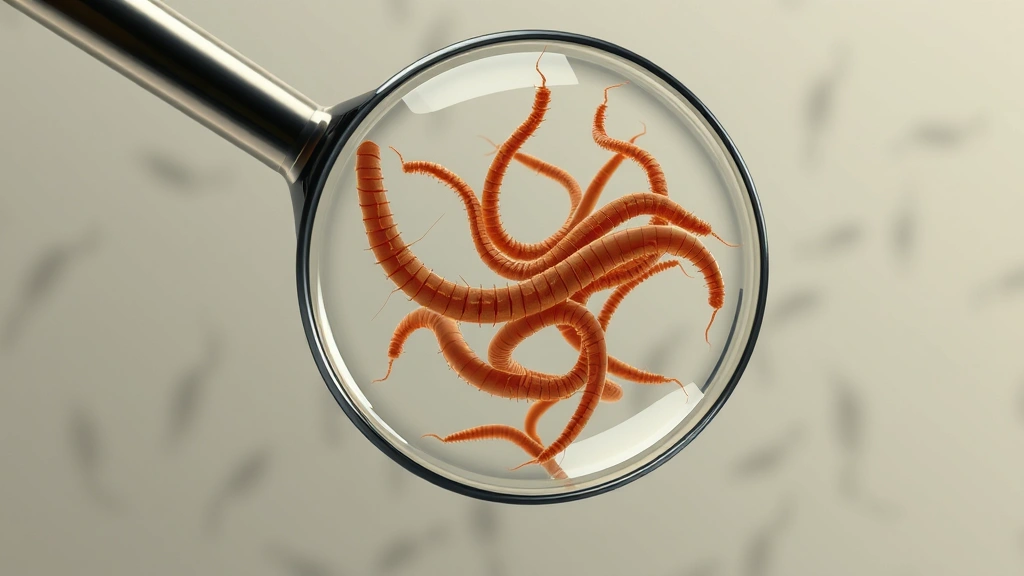
The ASPCA recommends keeping a sample of any suspicious material you find to show your veterinarian. Even if you can’t identify the exact type of worm, having visual evidence helps your vet make a proper diagnosis and prescribe the appropriate treatment.
Examining Your Dog’s Stool and Environment
Regular stool examination is one of the most reliable ways to identify worm infections. When checking your dog’s poop, look for the physical characteristics we discussed: visible worms, unusual texture, or signs of blood. Fresh stool is easiest to examine, and it’s a good habit to check regularly, especially for puppies and dogs with a history of worm infections.
Your environment plays a significant role in parasitic transmission. If your dog spends time in areas where other infected dogs have been, contamination is likely. Worm eggs can survive in soil for extended periods, making previously contaminated areas a continued risk. Regular yard maintenance, including prompt removal of feces and occasional yard treatment, can help reduce this risk.
If you’re dealing with a multi-dog household, it’s crucial to understand that worms can spread between dogs. This is why treating all pets simultaneously and maintaining strict hygiene practices is essential. Washing your hands after handling an infected dog, before eating or touching your face, is particularly important given that can humans get worms from dogs is a legitimate health concern.
Indoor environments also require attention. Regular vacuuming, washing dog bedding frequently, and disinfecting food and water bowls can help prevent reinfection and cross-contamination. Some worm infections, particularly hookworms, can be contracted through skin contact with contaminated soil, so keeping your dog’s living space clean is paramount.
When to Call Your Veterinarian
Knowing when to seek professional help is crucial. If you notice any of the symptoms we’ve discussed, schedule a veterinary appointment. Your vet can perform a fecal examination—testing a stool sample under a microscope—to definitively identify parasites. This is the gold standard diagnostic method and far more reliable than visual inspection alone.
Certain situations warrant immediate veterinary attention. If your dog is vomiting repeatedly, showing signs of severe anemia, or displaying signs of blockage (such as inability to defecate or extreme abdominal pain), these are emergencies. Severe worm infestations, particularly in puppies or senior dogs, can be life-threatening.
Your veterinarian can also provide guidance on how to tell if your dog has worms with confidence and prescribe appropriate deworming medications. Different worms require different treatments, and your vet will ensure your dog receives the correct medication and dosage based on their weight and age.
The Merck Veterinary Manual is an excellent resource that veterinarians use, and it emphasizes that professional diagnosis is essential because some worm infections can cause serious complications if left untreated.
Prevention and Protection Strategies
Prevention is always better than treatment when it comes to parasitic infections. The most effective prevention strategy is maintaining your dog on a regular deworming schedule. Puppies should be dewormed every two weeks until twelve weeks of age, then monthly until six months old. Adult dogs should receive deworming treatments at least annually, though many vets recommend every six months for dogs with high exposure risk.
Using prescription preventative medications is another excellent strategy. Many heartworm preventatives also protect against intestinal parasites, providing comprehensive protection. These medications are typically given monthly and can prevent infections before they occur, which is far more effective than treating established infections.
Environmental management is equally important. Practice good hygiene by cleaning up feces immediately, both from your yard and during walks. Avoid areas known to have high parasite contamination, and discourage your dog from eating feces or dead animals. If you’re wondering about why do dogs eat poop and how to prevent it, this is one situation where understanding the “why” can help with prevention.
Regular veterinary check-ups allow your vet to monitor your dog’s parasite status through routine fecal exams. These preventative visits often catch infections early before symptoms become severe. Additionally, how to stop dogs from eating dog poop is an important behavior to address, as this can perpetuate parasite cycles.
For households with multiple dogs, treating all pets simultaneously is crucial, even if only one shows symptoms. Parasites spread quickly in multi-dog environments, and comprehensive treatment prevents reinfection cycles.
Frequently Asked Questions
How long does it take to get rid of worms in dogs?
Most deworming medications work quickly, killing adult worms within hours to days. However, complete elimination of the infection typically takes several weeks, which is why vets often recommend a second treatment 2-3 weeks after the first to catch any newly hatched parasites. Your vet will provide specific guidance based on the type of worm and medication used.
Can over-the-counter dewormers work as well as prescription medications?
While some over-the-counter dewormers can be effective, prescription medications are generally more reliable and specifically tailored to your dog’s needs. Your veterinarian can recommend the most appropriate option based on your dog’s age, weight, health status, and the type of parasites present. Never assume an over-the-counter product is sufficient without veterinary consultation.
Are worm infections contagious to other pets in my home?
Yes, absolutely. Worms spread through contaminated feces and soil, making multi-pet households particularly vulnerable. If one pet has worms, all pets in the household should be treated. Additionally, maintain strict hygiene practices to prevent cross-contamination and reinfection cycles.
What’s the difference between heartworms and intestinal worms?
Intestinal worms live in your dog’s digestive system and are transmitted through soil, feces, and contaminated food or water. Heartworms, conversely, are transmitted through mosquito bites and live in the heart and blood vessels. They’re detected differently, treated differently, and prevented differently. Your vet can test for both during regular check-ups.
Can puppies get worms from their mother?
Yes, puppies can contract roundworms from their mother both before birth (through the placenta) and after birth (through nursing). This is why puppies should begin deworming at 2-3 weeks of age. Even if the mother shows no symptoms, she may harbor parasites that transmit to her offspring.
How can I tell the difference between worms and other digestive issues?
While some symptoms overlap with other digestive conditions, visible worms in stool or vomit are definitive indicators. A veterinary fecal examination is the most reliable way to differentiate between parasitic infections and other digestive issues like food sensitivities or bacterial infections. Don’t self-diagnose—let your vet determine the cause.
Is it possible for dogs to have worms without showing symptoms?
Yes, some dogs, particularly adults with light infections, may show minimal or no symptoms while still carrying parasites. This is why regular veterinary check-ups and fecal exams are important, even when your dog seems perfectly healthy. Asymptomatic infections can still pose health risks and can spread to other animals.