
How to Get Your Dog to Drink More Water: Expert Tips
Is your furry best friend not drinking enough water? You’re not alone! Many dog parents struggle with keeping their pups properly hydrated, especially during hot months or when their dogs seem less interested in their water bowls. Proper hydration is absolutely crucial for your dog’s health, affecting everything from kidney function to joint lubrication and temperature regulation. When dogs don’t drink enough water, they risk dehydration, which can lead to serious health complications.
The good news? There are plenty of proven strategies to encourage your dog to drink more water throughout the day. Whether your pup is a picky drinker or simply forgets to hydrate, we’ve compiled expert-backed tips that actually work. From creative bowl upgrades to tasty water enhancements, you’ll discover practical solutions that fit seamlessly into your daily routine.
Before diving into the solutions, it’s important to understand that why your dog won’t drink water can vary significantly from one pup to another. Some dogs are naturally less enthusiastic about hydration, while others may have underlying health concerns. The key is finding what works specifically for your furry friend.
Why Hydration Matters for Dogs
Water is absolutely essential for your dog’s survival and wellbeing. Unlike humans who can go weeks without food, dogs can only survive a few days without water. This vital nutrient comprises about 60-70% of your dog’s body weight and plays an incredible role in virtually every bodily function.
Proper hydration supports kidney function, helps maintain healthy digestion, regulates body temperature through panting and sweating through paw pads, lubricates joints, and transports nutrients throughout the body. When your dog drinks enough water, you’ll notice improved energy levels, shinier coat, better digestion, and overall improved health markers during veterinary checkups.
According to the American Kennel Club, most dogs need approximately one ounce of water per pound of body weight daily. So a 50-pound dog should drink around 50 ounces (about 6-7 cups) of water each day. However, this amount can vary based on activity level, diet, climate, and individual metabolism.
Recognizing Signs of Dehydration
Understanding the warning signs of dehydration can help you catch problems early. Some common indicators that your dog isn’t drinking enough water include:
- Dry nose and gums: A healthy dog’s nose should be moist. If it feels dry or sticky, your pup may need more water.
- Loss of skin elasticity: Gently pull up the skin on your dog’s neck. It should snap back immediately. If it takes longer, dehydration may be present.
- Lethargy and weakness: Dehydrated dogs often appear tired and less interested in playtime or walks.
- Excessive panting: While some panting is normal, excessive panting without exertion may indicate dehydration.
- Sunken eyes: Dehydrated dogs may have noticeably sunken or dull-looking eyes.
- Dark urine: Concentrated, dark-colored urine suggests insufficient water intake.
If you notice any of these signs, it’s time to take action. However, if symptoms persist despite your efforts to increase water intake, consult your veterinarian immediately.
Upgrade Your Water Bowl Strategy
Sometimes the simplest solution is the most effective. Your dog’s water bowl itself might be the problem! Many dogs are surprisingly particular about their drinking vessels, and upgrading can make a huge difference.
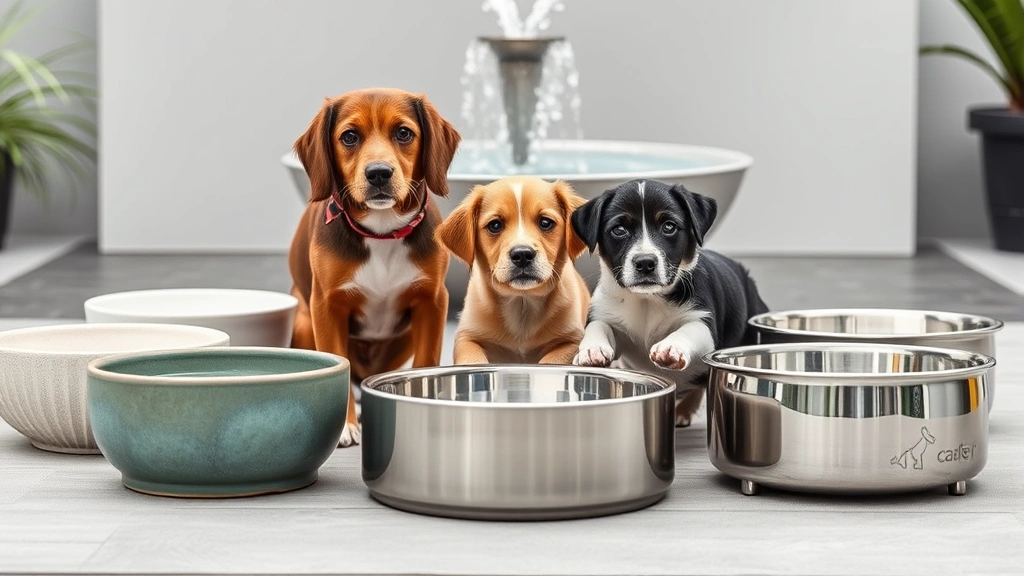
Bowl Material Matters: Stainless steel and ceramic bowls are typically better than plastic. Plastic bowls can retain odors and develop bacterial biofilm, making the water taste unpleasant to your pup. Stainless steel bowls are durable, easy to clean, and don’t absorb odors.
Multiple Water Stations: Place water bowls in multiple locations throughout your home. Dogs are more likely to drink when water is conveniently located. Keep bowls in the kitchen, bedroom, living room, and any other areas where your dog spends significant time.
Water Fountain Solutions: Many dogs are attracted to moving water. Consider investing in a pet water fountain, which keeps water circulating and oxygenated. The sound and movement often encourage dogs to drink more. Plus, fountains typically filter the water, keeping it fresher longer.
Bowl Cleanliness: Change your dog’s water at least twice daily and wash bowls daily with hot soapy water. Dogs can be sensitive to stale water or dirty bowls, just like humans!
Water Temperature: Some dogs prefer room temperature water, while others like it slightly cool. Experiment to see what your pup prefers. During hot weather, slightly cooler water might be more appealing.
Safe Water Flavor Enhancements
If plain water isn’t cutting it, there are safe ways to make it more appealing. These flavor enhancements can dramatically increase your dog’s water intake without compromising their health.
Bone Broth: Low-sodium, dog-safe bone broth is an excellent water enhancer. You can purchase it specifically formulated for dogs or make your own by simmering chicken or beef bones (never cooked bones) in water. This adds flavor and extra nutrients.
Chicken or Beef Broth: Plain, unsalted broth adds appealing flavor. Make sure it contains no onions, garlic, or excessive sodium, as these can be harmful to dogs.
Apple Slices: Thin apple slices (without seeds) can be added to water bowls. The natural sweetness appeals to many dogs, and apples are safe for canine consumption.
Watermelon: During summer months, watermelon is both hydrating and refreshing. Cut watermelon into small chunks and add to water bowls. It’s 92% water and contains beneficial vitamins.
Dog-Friendly Popsicles: Freeze water or broth into popsicle shapes. Many dogs enjoy the novelty and the cooling effect during hot weather. This counts toward their daily water intake!
Coconut Water: Unsweetened, unflavored coconut water can be added in small amounts. It contains electrolytes and is generally safe for dogs in moderation.
Avoid adding anything toxic to dogs, including chocolate, grapes, raisins, xylitol-containing products, or anything with artificial sweeteners. When in doubt, consult your veterinarian before introducing new water additives.
Incorporate Water Into Meals
Another excellent strategy is increasing your dog’s water intake through their food. This is particularly effective if your pup is a reluctant water drinker.
Wet Food Options: Mix wet dog food with your dog’s regular meals. Wet food contains significant moisture content, contributing to overall hydration. You can gradually increase the wet food ratio if your dog responds well.
Add Broth to Kibble: Pour unsalted, dog-safe broth over your dog’s kibble. This softens the food and adds moisture. Your dog will likely find it more appetizing, and they’re getting extra hydration with every meal.
Create Hydrating Treats: Make homemade dog treats using water-rich ingredients. Frozen treats made from watermelon, pumpkin puree mixed with water, or yogurt can be both refreshing and hydrating.
When considering how much food you should feed your dog, remember that moisture-rich foods may affect portion sizes. Adjust portions accordingly to maintain healthy weight while increasing hydration.
If your dog is on a primarily dry kibble diet, consider gradually transitioning to a mixed diet that includes some wet food. This is particularly important for dogs prone to kidney or urinary issues, as increased water intake helps flush toxins through the urinary system.
Environmental and Lifestyle Factors
Your dog’s environment and daily routine significantly impact their water consumption. Making strategic adjustments can naturally encourage more drinking.
Temperature Control: Dogs drink more water in hot weather and during intense exercise. Ensure your dog has access to fresh water before, during, and after outdoor activities. Never force your dog to exercise in extreme heat without adequate water breaks.
Humidity Levels: Higher humidity can affect how much your dog drinks. In dry climates or during winter months when heating systems run, dogs may need encouragement to drink more.
Activity Level: Active dogs naturally require more water. If your dog is relatively sedentary, gradually increasing exercise can boost thirst and overall health. This creates a positive cycle of better hydration and improved wellbeing.
Social Encouragement: Some dogs drink more when they see other pets drinking. If you have multiple pets, this social aspect might encourage your reluctant drinker. Even observing other dogs drinking during park visits can inspire your pup.
Routine Establishment: Create a consistent schedule for water breaks. Offer water after meals, after playtime, before bedtime, and throughout the day. Dogs thrive on routine, and they’ll anticipate these water opportunities.
Stress Reduction: Anxiety and stress can reduce water intake. Create a calm, safe environment for your dog. If your pup seems anxious, addressing the underlying cause may naturally improve hydration.
When to Contact Your Veterinarian
While most cases of low water intake can be resolved with the strategies mentioned above, some situations warrant professional veterinary attention. Understanding when to seek help is crucial for your dog’s health.
Contact your veterinarian if your dog:
- Shows signs of severe dehydration (see earlier section) that don’t improve within a few hours
- Has suddenly changed their drinking habits significantly
- Is drinking excessively (which can indicate diabetes, kidney disease, or other conditions)
- Refuses water completely for more than a few hours
- Shows other symptoms like vomiting, diarrhea, lethargy, or loss of appetite alongside low water intake
- Has a history of kidney disease, urinary tract infections, or other medical conditions
- Is elderly or very young and showing concerning dehydration signs
According to the ASPCA, certain health conditions can affect your dog’s thirst and hydration needs. Your veterinarian can run tests to rule out underlying issues and provide specific recommendations based on your dog’s individual health profile.
If you’re concerned about why your dog is drinking so much water, this also warrants veterinary evaluation, as excessive thirst can indicate diabetes, Cushing’s disease, or other serious conditions.
Frequently Asked Questions
How often should I change my dog’s water?
Change your dog’s water at least twice daily, ideally more often during hot weather. Fresh water should always be available. If using a water fountain, change and refill it daily and clean it every 2-3 days.
Can I give my dog tap water or should I use filtered water?
Tap water is generally safe for dogs in most areas. However, if your tap water has high mineral content or you have concerns about water quality, filtered or bottled water is a good alternative. Some dogs actually prefer filtered water due to taste differences.
What’s the best type of water bowl for encouraging drinking?
Stainless steel and ceramic bowls are ideal. If your dog seems interested in moving water, a pet water fountain can be highly effective. Avoid plastic bowls when possible, as they can harbor bacteria and retain odors.
Is it normal for my dog to drink less in winter?
Yes, dogs typically drink less water during cooler months. However, they still need adequate hydration. Indoor heating can dry out the air, so monitor your dog’s intake and encourage drinking even when temperatures drop.
Can adding supplements to water help with hydration?
Electrolyte supplements designed for dogs can be helpful, especially after exercise or for dogs recovering from illness. However, always consult your veterinarian before adding any supplements to your dog’s water.
How do I know if my dog is drinking enough water?
Monitor your dog’s urine color (pale yellow is ideal), energy levels, nose moisture, and skin elasticity. Your veterinarian can also assess hydration during regular checkups. If you’re concerned, keep a water intake log to track your dog’s drinking habits.
Are there any water additives I should absolutely avoid?
Yes! Never add chocolate, grapes, raisins, onions, garlic, xylitol, or artificial sweeteners to your dog’s water. These substances are toxic to dogs. When introducing any new additive, research thoroughly and consult your veterinarian first.
My dog drinks more water after eating salty treats. Is this normal?
Yes, this is completely normal! Salt increases thirst in dogs just as it does in humans. However, avoid regularly giving your dog salty treats, as excessive salt intake can be harmful. Limit treats to dog-safe options and maintain balanced nutrition.
Can I use milk as a water alternative?
While small amounts of plain, unsweetened milk are generally safe for most dogs, it’s not a water substitute. Many dogs are lactose intolerant, and milk contains calories that count toward daily intake. Water should remain the primary hydration source.
What should I do if my dog refuses water completely?
Start with the strategies mentioned in this article: try different bowl types, add safe flavorings, and ensure water is easily accessible. If your dog continues refusing water for several hours or shows other concerning symptoms, contact your veterinarian immediately.





