

How Do Dogs Get Fleas? Understanding the Causes
Picture this: You’re enjoying a peaceful evening with your furry best friend when you notice them scratching frantically at their fur. A few minutes later, you spot the culprit—tiny, dark specks hopping around your pup’s coat. Welcome to the world of fleas, one of the most common parasites affecting dogs today. If you’ve ever wondered how does a dog get fleas, you’re not alone. Understanding the causes is the first step toward keeping your canine companion healthy and itch-free.
Fleas are more than just a nuisance; they’re tiny vampires that can cause serious health complications for your dog. From anemia to tapeworms to allergic reactions, these parasites pack a serious punch despite their minuscule size. The good news? With knowledge and prevention, you can dramatically reduce the chances of your dog becoming a flea hotel.
In this comprehensive guide, we’ll explore exactly how dogs catch fleas, where these pesky parasites hide, and what you can do to protect your four-legged friend. Whether your dog spends most of their time indoors or roaming the backyard, understanding flea transmission is crucial for responsible pet ownership.
Direct Contact with Infested Animals
The most straightforward way your dog gets fleas is through direct contact with another infested animal. When dogs play together, wrestle, or simply cuddle, fleas can easily jump from one host to another. This is particularly common in dog parks, doggy daycares, grooming facilities, and boarding kennels where multiple dogs interact in close quarters.
Fleas are remarkable jumpers—they can leap up to 13 inches horizontally and 7 inches vertically, making them expert hitchhikers. A single flea can transfer from an infected dog to your pet in mere seconds. The scary part? Your dog doesn’t need to touch an infested dog directly. Fleas can also jump onto your clothes or into your car, then transfer to your pup when you get home.
If you have multiple dogs in your household and one gets fleas, the others are at extremely high risk. Fleas reproduce rapidly, with a single female laying up to 50 eggs per day. Within two weeks, you could have hundreds of fleas infesting your home. This is why treating all pets in a household simultaneously is crucial when dealing with a flea infestation.
Cat owners, take note: Cats and dogs can easily share fleas. If you have both feline and canine companions, ensuring both species receive proper flea prevention is essential. Many pet owners focus solely on their dog while neglecting their cat, only to find the fleas reinvesting the dog weeks later.
Environmental Exposure and Outdoor Hazards
Your dog doesn’t need to meet another animal to catch fleas. These parasites thrive in outdoor environments, waiting patiently for a suitable host. Grass, soil, leaf litter, and sand are all potential flea hotspots. When your dog rolls in the yard, walks through tall grass, or digs in the dirt, they’re essentially playing Russian roulette with flea exposure.
Fleas can survive in the environment for several months, depending on temperature and humidity. This means your backyard could be harboring fleas from previous infestations, stray animals, or wildlife. The flea life cycle includes eggs, larvae, pupae, and adults—all stages can exist simultaneously in your yard, making environmental control a critical part of flea prevention.
Even if your dog has never been to a dog park or met another dog, they can still catch fleas from contaminated outdoor spaces. Wooded areas, parks, hiking trails, and beaches are notorious flea zones. During warmer months, flea activity increases significantly, making spring and summer the peak seasons for outdoor flea exposure.
Urban dogs aren’t immune either. City parks, sidewalks where wildlife frequents, and even contaminated urban soil can harbor fleas. The key is understanding that outdoor exposure is a year-round risk, though it intensifies during warmer weather.
Wildlife and Stray Animals
Raccoons, opossums, foxes, and other wildlife are common flea carriers. When your dog encounters wildlife—whether through direct contact or simply investigating areas where wildlife has been—flea transmission becomes possible. Many dogs are naturally curious about small animals, and this curiosity can come with parasitic consequences.
Stray and feral cats are particularly problematic flea vectors. These animals often carry significant flea burdens and can shed thousands of flea eggs in areas where domestic dogs frequent. A single encounter with a stray cat could introduce fleas to your pet.
Rodents, including mice and rats, also carry fleas. If your dog hunts or plays with rodents, flea transmission is possible. Additionally, if rodents infest your home or yard, they bring fleas with them. This creates a dual problem: not only do you need to address the rodent issue, but you must also manage the flea population they’ve introduced.
Wildlife control and prevention go hand-in-hand with flea prevention. Securing your trash, removing food sources, and sealing entry points to your home can help reduce wildlife presence and, consequently, flea exposure.

Indoor Transmission Methods
Once fleas enter your home, they don’t need outdoor access to continue infesting your dog. Indoor flea transmission occurs through contaminated bedding, carpets, furniture, and clothing. Flea eggs and larvae can live in your carpet for months, developing into adults that jump onto your dog whenever the opportunity arises.
This is why treating your home environment is just as important as treating your dog. Vacuuming regularly, washing bedding in hot water, and using environmental flea treatments can significantly reduce indoor flea populations. However, if your dog isn’t on proper flea prevention, reinfection is inevitable.
Your dog’s bed is a common flea breeding ground. Fleas prefer warm, dark, sheltered areas—essentially the perfect description of a cozy dog bed. Washing your dog’s bedding weekly in hot water and drying on high heat can help control flea populations, but it’s not a complete solution without proper flea prevention for your pet.
Furniture and carpets are equally problematic. Fleas can hide deep within carpet fibers and upholstery, making them difficult to eliminate without professional help or intensive home treatment. This is why some pet owners opt for professional carpet cleaning and flea treatments when dealing with significant infestations.
Seasonal Factors and Climate
Fleas are opportunistic parasites that thrive in warm, humid conditions. This is why flea season typically peaks during spring and summer when temperatures rise. However, climate change and indoor heating have extended flea season in many regions. In warm climates, fleas can be a year-round concern.
Winter provides some natural flea control outdoors, but indoor heating creates ideal conditions for fleas to thrive inside your home. Many dog owners mistakenly believe their pets don’t need flea prevention during winter, leading to infestations that develop indoors.
Humidity levels also play a role. In humid climates or during humid seasons, flea development accelerates. A flea can complete its entire life cycle in as little as two weeks under ideal conditions, rapidly multiplying your pet’s parasite burden.
Geographic location matters too. Dogs in southern states face year-round flea pressure, while northern dogs experience seasonal spikes. Regardless of location, year-round flea prevention is recommended by veterinarians to ensure consistent protection.
Identifying Signs Your Dog Has Fleas
Understanding how to tell if your dog has fleas is essential for early intervention. The most obvious sign is excessive scratching, biting, or licking. Your dog may focus their attention on specific areas like the tail base, hind legs, or belly where fleas commonly congregate.
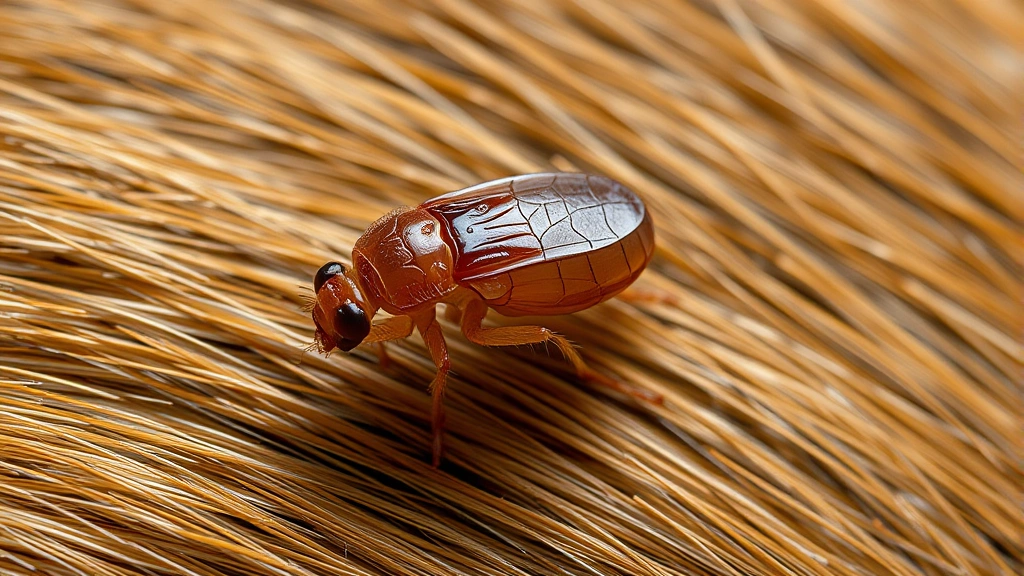
If you suspect fleas, knowing what do fleas look like on dogs helps with identification. Adult fleas are tiny (about 2-3mm), dark reddish-brown insects that move quickly through your dog’s fur. Flea dirt—essentially flea feces—looks like small black specks and is often easier to spot than the fleas themselves.
Other signs include hair loss from excessive scratching, red or irritated skin, scabs, and a distinctive musty odor. Some dogs develop flea allergy dermatitis, an allergic reaction to flea saliva that causes intense itching even from a single flea bite. Additionally, your dog might lick their paws excessively, particularly if fleas are concentrated on their legs and feet.
In severe cases, fleas can cause anemia from blood loss. Puppies and small dogs are particularly vulnerable. If your dog appears lethargic, pale, or unusually weak, consult your veterinarian immediately.
Prevention and Protection Strategies
The best approach to fleas is prevention. Year-round flea prevention is recommended by the American Kennel Club and veterinary professionals. Modern flea preventatives are highly effective and come in various forms: topical treatments, oral medications, flea collars, and injectable options.
Topical flea treatments applied monthly are popular and effective. Oral flea preventatives offer convenience and are particularly useful for dogs that spend time in water. Flea collars have evolved significantly and now offer advanced protection comparable to other methods. Discuss options with your veterinarian to determine the best choice for your dog.
Environmental control is equally important. Regular vacuuming, washing bedding frequently, and maintaining your yard can significantly reduce flea populations. Consider professional pest control services for severe infestations, especially if you have a large property.
If your dog does get fleas despite prevention efforts, consult your veterinarian immediately. Treatment options include prescription flea treatments, medicated baths, and in some cases, antibiotics for secondary skin infections. Your vet can also recommend strategies to help stop your dog from licking their paws obsessively if flea-related irritation is the cause.
Regular grooming with a flea comb can help you spot fleas early. Bathing your dog regularly with quality shampoo may help reduce flea populations, though it’s not a replacement for veterinary-approved flea prevention.
For households with multiple pets, treating all animals simultaneously is crucial. Discuss with your veterinarian about flea prevention for cats, rabbits, or other pets that might harbor fleas and reinfect your dog.
Finally, understand that humans can get fleas from dogs, though human flea infestations are relatively uncommon. Maintaining your dog’s flea-free status protects your entire family’s comfort and health.
Frequently Asked Questions
How long does it take for a dog to get fleas after exposure?
Fleas can infest a dog within 24 hours of exposure. Once on your dog, adult fleas begin feeding and reproducing almost immediately. However, visible signs of infestation may take longer to develop as flea populations build up.
Can indoor dogs get fleas?
Yes, absolutely. Indoor dogs can get fleas through contaminated clothing, contact with infested pets, or fleas brought inside on human clothing or shoes. Even minimal outdoor exposure can result in flea transmission. Additionally, if your home has rodent problems, fleas can enter through those routes.
Is flea prevention necessary year-round?
Veterinarians typically recommend year-round flea prevention. While flea activity decreases in cold climates during winter, indoor heating creates ideal conditions for flea development inside your home. In warm climates, fleas are active year-round outdoors. Consistent prevention is more effective than on-and-off approaches.
What’s the difference between fleas and ticks?
While both are parasites, fleas and ticks are different organisms. Fleas are insects that reproduce rapidly and cause itching. Ticks are arachnids that attach to skin and can transmit diseases like Lyme disease. Many flea preventatives also protect against ticks, but it’s worth confirming with your veterinarian.
Can I use human flea prevention products on my dog?
No. Never use human flea prevention on dogs. Many products safe for humans are toxic to dogs. Always use veterinary-approved flea preventatives specifically formulated for canines. Even some dog flea products are unsafe for certain breeds or sizes, so consult your veterinarian for appropriate recommendations.
How quickly do fleas reproduce?
Fleas reproduce at alarming rates. A single female can lay 50 eggs daily. Under ideal conditions, fleas can complete their entire life cycle in 2-3 weeks. This rapid reproduction is why early intervention is critical—a small infestation can explode into a major problem within weeks.
Are prescription flea treatments better than over-the-counter options?
Prescription flea treatments are often more effective and safer because they’re specifically prescribed based on your dog’s health status, age, and weight. Over-the-counter products vary in efficacy and may contain ingredients unsuitable for certain dogs. Your veterinarian can recommend the best option for your specific pet.
What should I do if my dog has fleas despite being on prevention?
Contact your veterinarian. Breakthrough infestations occasionally occur due to product failure, application errors, or resistant flea populations. Your vet may recommend switching to a different product, adjusting dosage, or implementing additional environmental controls. According to the ASPCA, professional guidance is essential for persistent flea problems.





