
How Long Are Hot Dogs Good For? Storage Tips and Safety Guidelines
Listen, we get it. You’ve got a pack of hot dogs in your fridge, and you’re wondering if they’re still safe to feed your furry best friend—or maybe you’re just curious about proper food storage in general. Whether you’re a pet parent trying to keep your pup healthy or someone who wants to avoid wasting food, understanding how long hot dogs last is crucial knowledge. The truth is, hot dogs have a surprisingly short shelf life once you bring them home from the store, and knowing the right storage techniques can mean the difference between a safe snack and a potential food safety disaster.
Hot dogs are a beloved American staple, and they’re conveniently packaged for quick meals and snacks. However, their convenience doesn’t mean they’ll stay fresh forever. From unopened packages sitting in your pantry to cooked hot dogs chilling in your refrigerator, the timeline for freshness varies significantly depending on storage conditions. We’re here to break down exactly how long hot dogs are good for and share expert storage tips that’ll keep your food safe and your household happy.
Unopened Hot Dogs: Shelf Life and Storage
When you purchase a package of hot dogs from the grocery store, that “sell by” or “use by” date printed on the packaging is your first clue about freshness. Unopened hot dogs typically last for about two weeks in the refrigerator from the date of purchase, though some premium brands might extend this timeline slightly. However, here’s where it gets interesting: the actual shelf life can be longer if you store them properly.
The key to maximizing the life of unopened hot dogs is understanding temperature control. Hot dogs should be stored in the coldest part of your refrigerator, typically the back of the bottom shelf where temperatures remain most consistent. Avoid storing them on the door, where temperature fluctuations from opening and closing can accelerate spoilage. The ideal refrigerator temperature for hot dogs is between 32°F and 40°F, which is standard for most modern refrigerators.
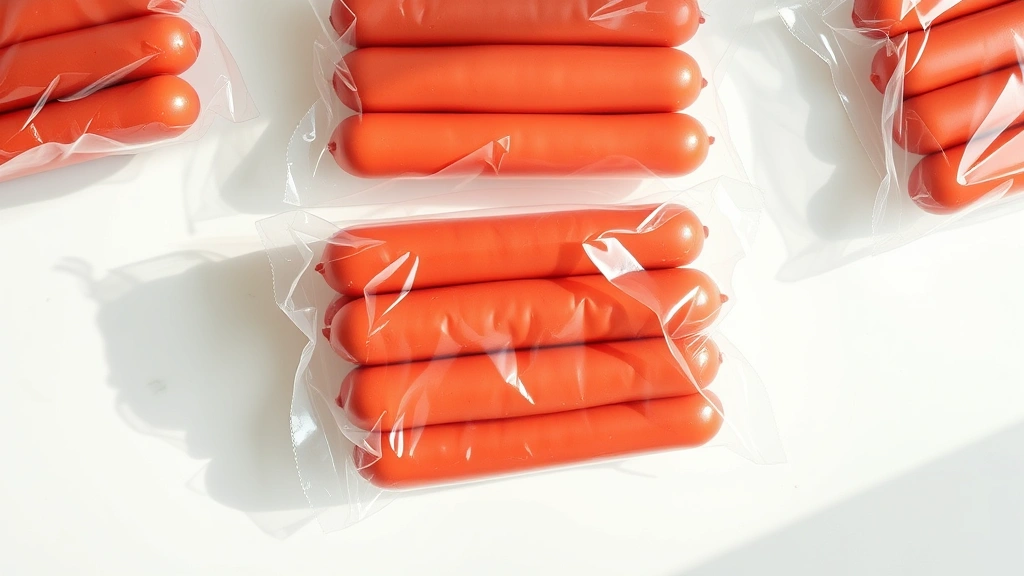
One often-overlooked factor is the original packaging. Hot dogs come vacuum-sealed or in modified atmosphere packaging (MAP), which extends their shelf life by limiting oxygen exposure. As long as this packaging remains intact and unopened, your hot dogs will stay fresher longer. Once you open that package, however, the clock starts ticking much faster. The exposure to air begins the oxidation process, which can lead to color changes and flavor degradation.
If you’ve purchased hot dogs and don’t plan to use them within the recommended timeframe, freezing is your best friend. Unopened packages can be frozen for up to two months without significant quality loss. Just make sure to freeze them before the “use by” date for optimal results.
Opened Hot Dogs: Refrigerator Guidelines
Once you’ve opened that package of hot dogs, things change dramatically. Opened hot dogs should be consumed within three to four days when stored properly in the refrigerator. This shortened timeline occurs because the protective packaging is compromised, and the hot dogs are now exposed to bacteria and air that can accelerate spoilage.
The best way to store opened hot dogs is to wrap them tightly in plastic wrap or place them in an airtight container. If you prefer to keep them in their original packaging, wrap the open end securely with plastic wrap or transfer them to a resealable plastic bag. This step is crucial because it minimizes air exposure and helps prevent the hot dogs from absorbing odors from other foods in your refrigerator.
Temperature consistency matters even more with opened hot dogs. Keep them in the coldest part of your fridge and avoid leaving them at room temperature for extended periods. If you’re planning to use hot dogs for a meal, remove only what you need from the refrigerator and promptly return the rest. Leaving them out for more than two hours (or one hour if your kitchen temperature exceeds 90°F) can allow harmful bacteria to multiply to dangerous levels.
If you want to know more about how long hot dogs last in the fridge, it’s worth noting that storage containers make a significant difference. Glass containers with airtight lids are superior to plastic bags for maintaining freshness because they provide better protection against odor absorption and air exposure.

Cooked Hot Dogs: How Long They Last
Cooked hot dogs have a different timeline than raw or processed hot dogs. Once you’ve cooked your hot dogs—whether by grilling, boiling, or microwaving hot dogs—they should be consumed within three to four days when properly stored in the refrigerator. This timeline is consistent with most cooked meat products and is recommended by the USDA Food Safety and Inspection Service.
The key to extending the life of cooked hot dogs is proper cooling and storage. Allow cooked hot dogs to cool to room temperature before refrigerating them, but don’t leave them sitting out for more than two hours. Once cooled, place them in an airtight container or wrap them tightly in plastic wrap or aluminum foil. Store them on a shelf in your refrigerator rather than the door to maintain consistent temperature.
If you’re interested in cooking methods that affect storage, using a crock pot for hot dogs is a fantastic option for meal prep because you can cook a large batch and portion them for refrigeration. Cooked hot dogs stored this way maintain their quality for the standard three to four days.
One pro tip: if you’re storing cooked hot dogs with their toppings or condiments already applied, consume them within one to two days instead. Toppings like chili, cheese, or sauerkraut can introduce additional bacteria and accelerate spoilage. It’s better to store plain cooked hot dogs and add toppings fresh when you’re ready to eat them.
Freezing Hot Dogs for Extended Storage
Freezing is your secret weapon for extending hot dog shelf life significantly. Both unopened and opened packages of hot dogs can be frozen, and they’ll maintain good quality for about one to two months in the freezer. For maximum freshness, freeze them as soon as possible after purchase if you don’t plan to use them within the recommended refrigerator timeline.
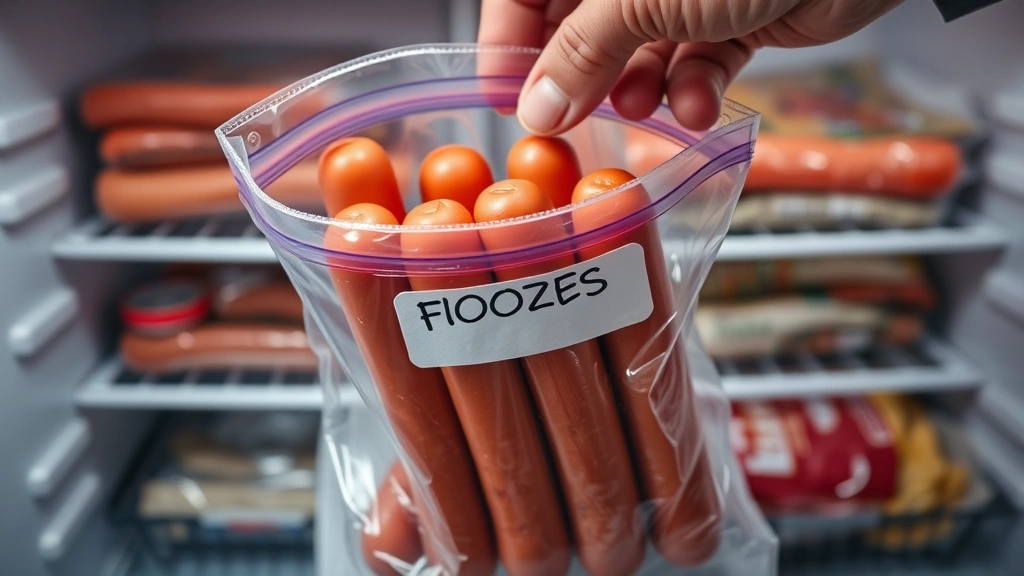
To freeze hot dogs properly, keep unopened packages in their original packaging. For opened packages, wrap the hot dogs tightly in plastic wrap, then place them in a freezer bag. Remove as much air as possible from the freezer bag before sealing—this prevents freezer burn, which can affect texture and flavor. Label the package with the date so you know when you froze them.
Cooked hot dogs can also be frozen. Wrap them individually in plastic wrap, then place them in a freezer bag for additional protection. This method makes it easy to thaw only the number of hot dogs you need. Cooked hot dogs frozen this way will last about one to two months as well.
When you’re ready to use frozen hot dogs, thaw them in the refrigerator overnight rather than at room temperature. This slow thawing method prevents bacterial growth and maintains the quality of the hot dogs. Once thawed, treat them like fresh refrigerated hot dogs and consume them within three to four days. Never refreeze hot dogs that have been thawed.
Signs Your Hot Dogs Have Gone Bad
Knowing how to identify spoiled hot dogs is just as important as knowing storage timelines. If your hot dogs have exceeded their storage recommendations, here are the telltale signs that they’ve gone bad and should be discarded immediately.
Appearance Changes: Fresh hot dogs have a vibrant color, typically reddish or brownish depending on the type. If your hot dogs have turned gray, developed a dull appearance, or show any signs of mold or discoloration, they’ve spoiled. Slime or a sticky coating on the surface is another red flag indicating bacterial growth.
Odor: Trust your nose. Fresh hot dogs have a mild, somewhat savory smell. If they emit a sour, rotten, or off-putting odor, don’t taste them—throw them away immediately. Spoiled hot dogs will have a distinctly unpleasant smell that’s hard to miss.
Texture: Fresh hot dogs should be firm. If they’ve become mushy, slimy, or have an unusual texture, bacterial growth has likely compromised their safety. This is particularly important to check with cooked hot dogs, which can deteriorate quickly.
Taste (Last Resort): While we don’t recommend tasting questionable hot dogs, if you accidentally taste one that’s gone bad, you’ll immediately notice a sour or off flavor. Spit it out and rinse your mouth. If you’re concerned about food poisoning, contact your healthcare provider.
When in doubt, throw it out. The cost of replacing a questionable package of hot dogs is far less than the cost of dealing with food poisoning. The ASPCA recommends erring on the side of caution when it comes to food safety.
Pet Safety Considerations
If you’re reading this because you’re wondering about feeding hot dogs to your furry friend, there are important safety considerations to keep in mind. While many dog owners wonder “can dogs eat hot dogs,” the answer is nuanced. Yes, dogs can technically eat hot dogs, but there are significant health considerations.
Hot dogs are highly processed meat products that contain high levels of sodium, nitrates, and sometimes harmful additives. They’re not an ideal food choice for dogs, especially as a regular treat. If you do decide to give your dog a hot dog occasionally, make sure it’s fresh and stored properly. Never give your dog a hot dog that shows any signs of spoilage, as dogs are susceptible to the same foodborne illnesses that affect humans.
Additionally, be aware of toxic ingredients that might be in or on hot dogs. If your hot dog has been topped with chocolate or other toxic substances, keep it far away from your pup. Onions and garlic, common hot dog toppings, are toxic to dogs and can cause serious health issues.
The American Kennel Club recommends consulting with your veterinarian about appropriate treats and human foods for your specific dog. Every dog has different dietary needs, and what’s safe for one dog might not be suitable for another.
If you’re looking for healthier treat alternatives that your dog might enjoy as much as why dogs like peanut butter, there are plenty of dog-safe options available. Fresh fruits, vegetables, and specially formulated dog treats are much better choices for your pet’s long-term health.
Frequently Asked Questions
How long do unopened hot dogs last in the refrigerator?
Unopened hot dogs typically last about two weeks in the refrigerator from the date of purchase. However, always check the “use by” date on the packaging and store them in the coldest part of your fridge, typically the back of the bottom shelf, for optimal freshness.
Can you eat hot dogs after the expiration date?
While hot dogs might still be safe to eat a few days after the expiration date if properly stored, it’s not recommended. The expiration date indicates when the manufacturer guarantees freshness and safety. If you’re unsure about a hot dog’s safety, it’s better to discard it than risk food poisoning.
What’s the safest way to thaw frozen hot dogs?
The safest method is to thaw frozen hot dogs in the refrigerator overnight. This slow thawing prevents bacterial growth and maintains quality. Avoid thawing at room temperature, as this allows bacteria to multiply rapidly in the “danger zone” between 40°F and 140°F.
Can you refreeze hot dogs after thawing them?
No, you should not refreeze hot dogs after thawing them. Thawing and refreezing can encourage bacterial growth and compromise food safety. If you’ve thawed more hot dogs than needed, refrigerate the extras and use them within three to four days.
Do all hot dogs have the same shelf life?
Most traditional hot dogs have similar shelf lives, but premium or specialty varieties might vary slightly. Always check the packaging for specific storage instructions and expiration dates, as some brands use different preservation methods that could affect how long hot dogs are good for.
How can you tell if cooked hot dogs have gone bad?
Check for changes in appearance (gray color, discoloration, mold), off or sour odors, and unusual texture (sliminess or mushiness). If any of these signs are present, discard the hot dogs immediately. Cooked hot dogs should be consumed within three to four days of cooking.
Is it safe to leave hot dogs out at room temperature?
Hot dogs should not be left at room temperature for more than two hours (or one hour if the temperature exceeds 90°F). After this time, harmful bacteria can multiply to dangerous levels. Always refrigerate hot dogs promptly after cooking or purchase.





