
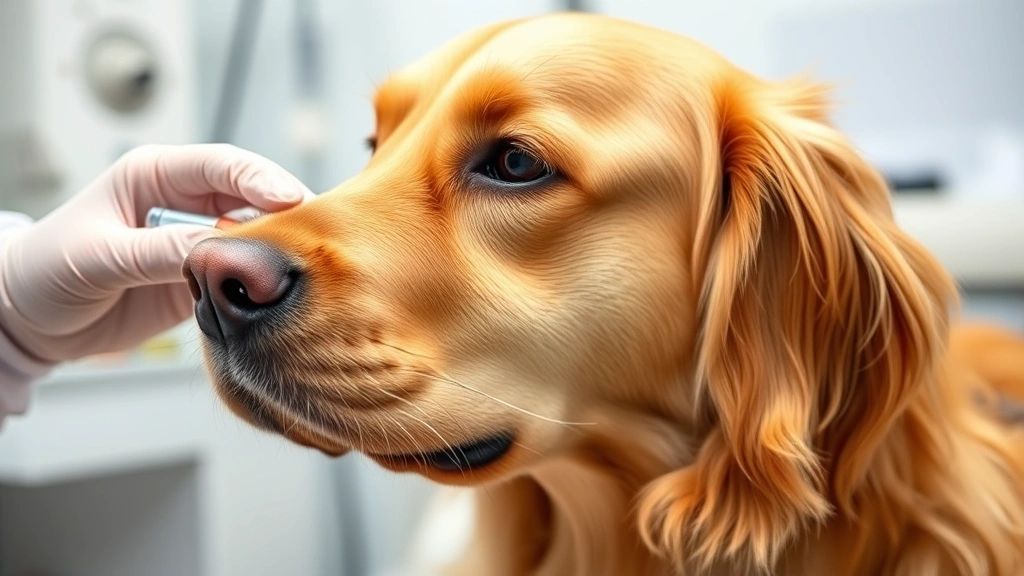
How Long Is a Rabies Shot Good for Dogs? Vet Insights
If you’re a dog parent, you’ve probably sat in your vet’s office wondering about the nitty-gritty details of your pup’s vaccination schedule. One question that comes up surprisingly often is: “How long is a rabies shot good for dogs?” It’s a legitimate question, and the answer is more nuanced than you might think. The truth is, rabies vaccination duration depends on several factors, including the type of vaccine your dog receives and your local regulations.
Rabies is no joke—it’s a deadly disease that affects the nervous system and is almost always fatal once symptoms appear. That’s why rabies vaccination isn’t just recommended; it’s often legally required for dogs in most states and municipalities. Understanding how long your dog’s rabies protection lasts is crucial for keeping your furry friend safe and staying compliant with local laws.
In this comprehensive guide, we’ll break down everything you need to know about rabies shot duration, booster schedules, and what factors might affect your dog’s vaccination timeline. Whether you’re a first-time dog owner or a seasoned pro, this information will help you make informed decisions about your dog’s health and safety.
How Long Does a Rabies Shot Last?
Here’s the straightforward answer: most rabies vaccines for dogs are approved for either one year or three years of protection, depending on the specific vaccine formulation. However—and this is important—the duration your vet recommends might not be the same as the vaccine’s maximum approved duration.
The American Animal Hospital Association (AAHA) provides comprehensive guidelines for veterinary vaccination protocols. According to these guidelines, a dog can receive either a one-year or three-year rabies vaccine. The three-year vaccine is more commonly used today because it provides longer protection and reduces the frequency of vet visits required.
However, local and state laws sometimes dictate the vaccination schedule regardless of what the vaccine label says. This means that even if your dog receives a three-year rabies vaccine, your municipality might legally require you to revaccinate every one or two years. It’s one of those situations where the law and the science don’t always align perfectly, so you’ll need to check both your vet’s recommendations and your local regulations.
The duration also depends on whether your dog is receiving a primary vaccination (their first rabies shot) or a booster (a follow-up shot). These can have different protection periods, which we’ll explore in more detail below.
Initial Rabies Vaccination Timeline
When your puppy or newly adopted dog receives their first rabies vaccine, the protection timeline is a bit different from subsequent boosters. This initial vaccination phase is crucial because your dog needs to develop adequate immunity before facing potential exposure to the rabies virus.
Puppies typically receive their first rabies vaccination between 12 to 16 weeks of age. After this initial shot, how often dogs require rabies shots becomes the next important question. Most veterinarians recommend a booster shot one year after the initial vaccination. This first booster is critical because it ensures your dog has developed a strong, lasting immune response to the virus.
After that first booster, the timeline shifts. If your vet administers a three-year rabies vaccine at that booster appointment, your dog will be protected for the next three years. However, if your state or local ordinances require annual vaccination, you may need to return yearly regardless of the vaccine’s approved duration.
It’s worth noting that if your dog is already an adult when you adopt them and their vaccination history is unknown, your vet will likely treat them as if they’re receiving their first vaccination and follow the initial vaccination protocol rather than assuming booster protection.

Understanding Rabies Booster Shots
Booster shots are follow-up vaccinations that “boost” your dog’s immunity and keep their protection current. Think of them as a refresher course for your dog’s immune system. The rabies booster schedule depends on several variables, including the vaccine type, your dog’s age, and local legal requirements.
After the initial vaccination and first booster at one year of age, most dogs can receive a three-year rabies vaccine. This means your dog would theoretically only need a rabies booster every three years. However, some vets and many jurisdictions still recommend or require annual boosters as a matter of protocol or legal compliance.
The decision about booster frequency should be made in consultation with your veterinarian, who understands both the science of vaccination and the specific legal requirements in your area. Your vet will likely discuss this with you during your annual wellness visit and provide a vaccination reminder card showing when your dog’s next booster is due.
One thing to keep in mind: if your dog’s rabies vaccination lapses—meaning you miss the booster deadline—your dog may need to restart the vaccination protocol from scratch in the eyes of the law. This is another reason why staying on top of your vaccination schedule is so important. Many states have specific rules about what happens if a vaccinated dog’s immunity lapses, and it can complicate matters if your dog has any incidents involving potential rabies exposure.
Factors That Affect Vaccine Duration
Several factors can influence how long your dog’s rabies vaccination remains effective and how often you’ll need boosters:
- Vaccine formulation: Different manufacturers produce rabies vaccines with different durations. Some are labeled for one year, others for three years. Your vet chooses based on availability and preference.
- Your dog’s immune system: Some dogs develop stronger immune responses than others. Age, overall health, and genetic factors all play a role in how well your dog responds to vaccination.
- Prior vaccination history: Dogs who have received previous rabies vaccinations may have different protection timelines than dogs receiving their first vaccine.
- Concurrent medications: If your dog is on immunosuppressive medications or has certain health conditions, their vaccine response might be different.
- Local and state laws: This is perhaps the most important factor for practical purposes. Even if the vaccine is approved for three years, your local jurisdiction might require annual vaccination.
- International travel: If you plan to travel internationally with your dog, some countries have specific rabies vaccination requirements that might differ from your home state’s regulations.
Understanding what shots dogs need in the broader context helps you appreciate how rabies vaccination fits into your dog’s overall health plan. It’s not just about the rabies vaccine in isolation; it’s about your dog’s complete immunization profile.

State Laws and Rabies Requirements
Here’s where things get interesting—and sometimes confusing. Rabies vaccination requirements vary significantly across the United States, and many states have specific laws about vaccination frequency and documentation.
In most states, rabies vaccination is legally required for all dogs. However, the frequency requirement varies. Some states mandate annual rabies vaccination, while others permit three-year intervals if the dog receives a three-year vaccine. A few states even have more flexible approaches, particularly for older dogs or dogs with medical contraindications to vaccination.
Your city or county might have even stricter requirements than your state. For example, your state might allow three-year intervals, but your municipality might require annual vaccination. This is why it’s essential to check with your local animal control or health department, not just rely on what your vet says (though your vet should be aware of local requirements).
Violating rabies vaccination laws can result in fines, and in some cases, if your unvaccinated dog is involved in a potential rabies exposure incident, the consequences can be severe—potentially including quarantine or even euthanasia. This is why staying current with vaccinations is so important beyond just the health benefits.
If you’re moving to a new state or traveling with your dog, research the rabies requirements for your destination. International travel typically has much stricter requirements, often including proof of current rabies vaccination and sometimes requiring vaccination at specific intervals before travel.
Types of Rabies Vaccines for Dogs
Not all rabies vaccines are created equal. Understanding the different types can help you have a more informed conversation with your veterinarian about which vaccine is best for your dog.
One-Year Rabies Vaccines: These vaccines are approved to provide protection for one year from the date of administration. They’re less commonly used today but are still available. They might be recommended for puppies receiving their initial vaccination or for dogs with specific health considerations.
Three-Year Rabies Vaccines: These are the most commonly administered rabies vaccines today. They’re approved to provide three years of protection and reduce the frequency of vet visits required. They’re not more expensive than one-year vaccines but offer significantly longer protection.
Injectable vs. Other Routes: Currently, all rabies vaccines for dogs in the United States are administered via injection. There are no oral or intranasal rabies vaccines approved for dogs, though research into alternative delivery methods continues.
When discussing how much a rabies shot costs for a dog, remember that the cost difference between one-year and three-year vaccines is typically minimal, making the three-year option a better value over time.
The American Veterinary Medical Association (AVMA) provides detailed information about approved rabies vaccines and their specifications. Your vet has access to these resources and can explain which vaccine they’re using and why they’ve chosen it for your dog.
Frequently Asked Questions
Can my dog skip a rabies booster if they’re indoor-only?
While the risk of rabies exposure is lower for indoor-only dogs, most veterinarians and legal authorities still recommend keeping rabies vaccinations current. Rabies can be transmitted through wildlife that might enter your home (like bats), and legally, most jurisdictions require vaccination regardless of lifestyle. Additionally, if your indoor dog ever escapes or travels with you, having current vaccination is crucial. Can dogs get rabies is a question with a definitive yes, which is why prevention through vaccination remains the best approach.
What happens if my dog’s rabies vaccination lapses?
If your dog’s rabies vaccination expires and you don’t immediately get a booster, the legal status becomes complicated. In many jurisdictions, your dog is considered unvaccinated and may need to restart the vaccination protocol, which typically involves an initial vaccine followed by a booster one year later. If an unvaccinated dog has a potential rabies exposure incident (like a bite), quarantine or other serious consequences may follow. This is why setting reminders for booster appointments is so important.
Can older dogs still receive rabies vaccines?
Yes, senior dogs can receive rabies vaccines, though some considerations apply. If your senior dog has never been vaccinated, they can still receive the vaccine and booster series. If they have a history of vaccination, boosters can continue throughout their life. However, if your older dog has significant health issues, discuss vaccination timing and safety with your vet. Some dogs with serious health conditions might need to delay vaccination temporarily, but this should only happen under veterinary guidance.
Do rabies vaccines have side effects I should know about?
Like all vaccines, rabies vaccines can cause mild side effects in some dogs. Common reactions include temporary soreness at the injection site, mild fever, lethargy, or decreased appetite. These typically resolve within 24-48 hours. Serious allergic reactions are rare but can occur. Your vet will want to monitor your dog for 15-30 minutes after vaccination to catch any immediate reactions. If you notice any concerning symptoms after vaccination, contact your vet immediately.
How much should I expect to pay for a rabies booster?
Rabies booster costs vary by location and veterinary clinic, typically ranging from $15 to $30 for the vaccine alone. However, when combined with a wellness exam and other services, your total visit cost might be higher. Check out how much dog vaccines cost for more detailed pricing information. Some animal shelters or low-cost clinics offer rabies vaccination at reduced rates, often $10-15, making it affordable for all dog owners to keep their pets protected.
Can I get a rabies titer test instead of a booster?
Titer tests measure antibody levels in your dog’s blood to determine if immunity is still present. While titer tests exist for rabies, most veterinarians and legal authorities don’t accept them as a substitute for vaccination boosters. This is because a titer test only shows current antibody levels—it doesn’t guarantee future protection. Additionally, many jurisdictions specifically require vaccination records, not titer results. Always check your local requirements before considering this option.
What if I’m traveling internationally with my dog?
International travel with dogs requires careful planning regarding rabies vaccination. Most countries require proof of current rabies vaccination, and some require vaccination at specific intervals before arrival (often 30 days before travel). Some countries also require import permits and health certificates. Contact your veterinarian and the destination country’s agricultural or customs department well in advance of your travel plans. The CDC’s rabies information includes resources for international pet travel.





