
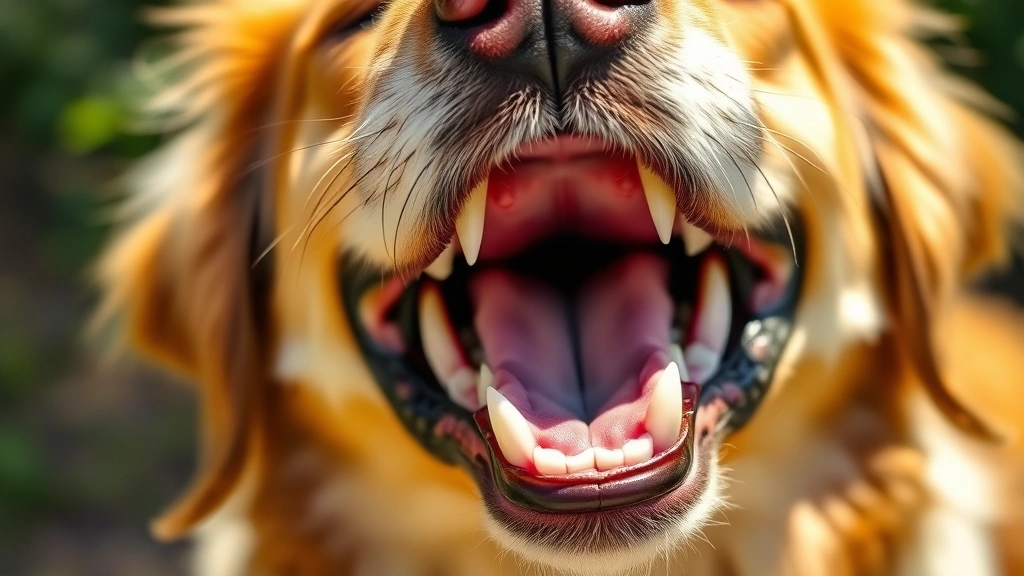
How Many Adult Teeth Do Dogs Have? Expert Insight
Ever wondered why your dog’s bite is so powerful? Or maybe you’ve noticed your pup’s adorable puppy teeth have been replaced with a more impressive set? The answer lies in understanding your dog’s dental anatomy. Adult dogs typically have 42 teeth, a significantly higher number than humans, which gives them the chomping power they’re famous for. This complete set of adult teeth serves multiple purposes—from tearing meat to grinding kibble and, let’s be honest, destroying your favorite squeaky toys.
Understanding how many adult teeth your dog has isn’t just a fun fact for trivia night. It’s crucial knowledge for responsible pet ownership. Whether you’re concerned about dental health, recognizing signs of tooth loss, or simply curious about your furry friend’s biology, knowing the specifics about canine dentition can help you provide better care. In this comprehensive guide, we’ll explore everything you need to know about your dog’s teeth, from the breakdown of different tooth types to maintenance tips that keep those pearly whites in top shape.
Your dog’s teeth tell a story about their health, age, and overall well-being. Let’s dive into the fascinating world of canine dental anatomy and discover why proper tooth care matters more than you might think.
How Many Adult Teeth Do Dogs Have
The answer is straightforward: adult dogs have exactly 42 teeth. This breaks down into a specific pattern that veterinarians use to assess dental health and age. The dental formula for adult dogs is 2 × (I 3/3, C 1/1, P 4/4, M 2/3) = 42, where I represents incisors, C represents canines, P represents premolars, and M represents molars. This means dogs have 20 teeth on their upper jaw and 22 on their lower jaw, creating a perfectly balanced bite designed for their carnivorous ancestry.
To put this in perspective, humans have only 32 permanent teeth, making dogs’ dental arsenal 10 teeth more robust. This difference isn’t accidental—it’s a result of thousands of years of evolution. Dogs needed more teeth to process raw meat, bones, and other foods in their natural diet. Even though modern dogs eat kibble and cooked meals, their dental structure remains largely unchanged from their wild ancestors.
If you’re trying to understand how many teeth do dogs have at different life stages, it’s important to know that puppies are born with no visible teeth. Baby teeth begin erupting around 3-4 weeks of age, and by 6-8 weeks, puppies have most of their temporary teeth. However, these are not the adult teeth we’re discussing here. The full complement of 42 adult teeth doesn’t fully develop until a dog is approximately 6-7 months old.
Each tooth serves a specific function in your dog’s mouth. The distribution isn’t random—it’s strategically arranged to optimize eating efficiency. Dogs rely on their teeth for much more than nutrition; they use them for grooming, playing, exploring their environment, and even communicating with other dogs. Understanding this complete dental picture helps you appreciate just how important it is to maintain those 42 teeth in excellent condition throughout your dog’s life.
Types of Adult Dog Teeth
Your dog’s 42 adult teeth aren’t all created equal. They fall into four distinct categories, each with a specialized purpose in your dog’s mouth. Understanding these different tooth types helps you recognize what you’re looking at when you peek inside your pup’s mouth and explains why certain teeth are more prone to problems than others.
Incisors are the small teeth at the front of your dog’s mouth. Dogs have 12 incisors total—6 on the upper jaw and 6 on the lower jaw. These little teeth are primarily used for grooming, nibbling, and picking up small objects. If you’ve ever watched your dog use their front teeth to scratch an itch or groom their paws, you’ve seen incisors in action. They’re also used for stripping meat from bones, though they’re not the primary teeth doing the heavy lifting in that department.
Canines are the long, pointed teeth on either side of the incisors—the ones that give dogs that fierce appearance. Each dog has four canines (two on top, two on bottom), and they’re probably the most recognizable teeth in a dog’s mouth. These are the teeth your dog uses to grip, tear, and hold onto objects. When dogs play tug-of-war or catch, it’s their canines doing most of the work. These teeth are also important for communication—think about how a dog’s canines are visible when they bare their teeth or snarl.

Premolars are the workhorses of your dog’s mouth. Dogs have 16 premolars total—8 on the upper jaw and 8 on the lower jaw. These teeth are positioned between the canines and molars, and they’re designed for shearing and grinding. The upper fourth premolar and lower first molar (known as the carnassial teeth) are particularly important—they work together like scissors to slice through meat and bone. If you’ve ever wondered how your dog can crunch through kibble so efficiently, you can thank the premolars.
Molars are the largest and strongest teeth in your dog’s mouth. Dogs have 10 molars total—6 on the upper jaw and 8 on the lower jaw. These grinding teeth are located at the very back of the mouth and are used for crushing and grinding food into manageable pieces. The lower jaw has more molars than the upper jaw, which is an interesting anatomical detail that contributes to the dog’s powerful bite force. When your dog is enjoying a tough chew toy, those molars are working overtime.
If you’re wondering about specific dental concerns, learning about how many teeth does a dog have at different life stages can help you track your dog’s dental development. Each tooth type plays a crucial role in your dog’s ability to eat, play, and interact with their environment. Losing even one tooth can affect their ability to eat comfortably and can lead to compensatory stress on surrounding teeth.
Tooth Development Timeline
Your dog’s journey to a full set of 42 adult teeth is a fascinating process that spans several months. Understanding this timeline helps you know what to expect as your puppy grows and what’s normal versus what might require veterinary attention.
Birth to 4 Weeks: Puppies are born without visible teeth. During the first few weeks of life, their baby teeth are developing beneath the gums. This is why young puppies rely entirely on their mother’s milk for nutrition. Around 3-4 weeks of age, the first temporary teeth begin to erupt, usually starting with the incisors.
4 to 8 Weeks: By this time, most of the baby teeth have erupted. Puppies typically have their complete set of 28 temporary teeth by 6-8 weeks of age. These baby teeth include incisors, canines, and premolars, but notably, no molars. This is one way to distinguish baby teeth from adult teeth—puppies simply don’t have molars.
3 to 5 Months: The process of losing baby teeth and gaining adult teeth begins during this period. The permanent incisors typically start coming in first, followed by the canines. You might notice your puppy drooling more than usual or showing less interest in food during this phase. Sore gums are completely normal, which is why puppies love chewing on toys during teething.
5 to 7 Months: The premolars and molars begin erupting during this period. This is when the real transformation happens, and your puppy’s mouth begins to look more like an adult dog’s mouth. By 6-7 months of age, most puppies have their complete set of 42 adult teeth. However, this timeline can vary slightly depending on the breed—larger dog breeds sometimes take a bit longer to complete their dental development than smaller breeds.

6 to 7 Months and Beyond: Once all adult teeth have erupted, your dog’s dental development is essentially complete. Unlike humans, dogs don’t get a second set of permanent teeth if they lose one. This makes dental care throughout their life incredibly important. A tooth lost in adulthood is gone for good, which is why prevention through regular brushing and professional cleanings is so critical.
If your dog’s teeth don’t follow this timeline, it’s worth discussing with your veterinarian. Retained baby teeth (where a baby tooth doesn’t fall out when the adult tooth comes in) can cause problems and may need to be extracted. Similarly, if your dog is missing adult teeth where they should have erupted, there might be an underlying issue worth investigating.
Maintaining Your Dog’s Dental Health
Now that you understand how many adult teeth your dog has and why they’re important, let’s talk about keeping them healthy. Proper dental care is one of the most overlooked aspects of pet ownership, yet it’s crucial for your dog’s overall health and quality of life.
Regular Brushing: The gold standard for canine dental health is regular tooth brushing. Ideally, you should brush your dog’s teeth daily, though even 3-4 times per week makes a significant difference. Use a toothbrush and toothpaste specifically designed for dogs—never use human toothpaste, as it can contain ingredients that are harmful to dogs. If your dog is resistant to brushing, start slowly with just rubbing your finger along their teeth and gums to get them accustomed to the sensation.
For pet owners looking for alternatives, there are other options available. Learning about how to clean dog teeth without brushing can provide supplementary methods to maintain oral hygiene. These alternatives can include dental chews, water additives, and professional cleanings, though they shouldn’t completely replace brushing if possible.
Professional Cleanings: Just like humans, dogs benefit from professional dental cleanings performed by veterinarians. During these cleanings, your vet can remove tartar and plaque buildup that regular brushing might miss. They can also identify early signs of dental disease before it becomes serious. Most dogs should have professional cleanings at least once a year, though some may need them more frequently depending on their age, breed, and predisposition to dental issues.
Diet and Chewing: What your dog eats directly impacts their dental health. Hard kibble can help reduce plaque buildup compared to soft foods, though it’s not a substitute for brushing. Some dental diets are specifically formulated to promote oral health through their texture and ingredients. Additionally, providing appropriate chewing opportunities—like dental chews, raw bones, or rubber toys—can help keep teeth clean naturally.
Regular Veterinary Checkups: During your dog’s annual veterinary examination, your vet will assess their dental health. They can spot early signs of problems like gum disease, tooth decay, or broken teeth. Addressing these issues early is much easier and less expensive than dealing with advanced dental disease.
If you notice your dog has bad breath, this could be a sign of dental problems. Understanding why does my dog’s breath stink can help you identify when professional help is needed. While some doggy breath is normal, particularly foul odor often indicates underlying dental disease that requires treatment.
Common Dental Problems in Dogs
Understanding the problems that can affect your dog’s 42 teeth helps you catch issues early and prevent serious complications. Dental disease is one of the most common health problems in dogs, affecting a significant percentage of dogs over the age of three.
Periodontal Disease: This is the most common dental problem in dogs. It starts with plaque buildup on the teeth, which hardens into tartar. If left untreated, this leads to gum inflammation, tooth loss, and can even affect your dog’s overall health by allowing bacteria to enter the bloodstream. Signs include bad breath, red or swollen gums, difficulty eating, and visible tartar on the teeth.
Broken or Fractured Teeth: Dogs can break teeth by chewing on hard objects, getting hit in the mouth, or from accidents. Depending on the severity, a fractured tooth might need to be extracted. Some breaks expose the pulp chamber inside the tooth, causing pain and infection if not treated.
Tooth Decay: While less common in dogs than in humans, cavities do occur. You might wonder, do dogs get cavities? The answer is yes, though it’s relatively uncommon. When cavities do develop, they typically form on the chewing surfaces of the molars and require professional treatment.
Retained Baby Teeth: Sometimes a baby tooth doesn’t fall out when the adult tooth comes in. This can cause crowding and misalignment, potentially leading to bite problems. Retained baby teeth usually need to be extracted by a veterinarian.
Malocclusion: This refers to misalignment of the teeth or bite. While some degree of misalignment is breed-specific and normal, severe malocclusion can cause eating difficulties and excessive wear on certain teeth. Some cases require orthodontic treatment or extraction.
According to the American Animal Hospital Association, dental disease is preventable in most cases through proper home care and professional treatment. Regular monitoring and early intervention can save your dog from pain and preserve their teeth for life.
Frequently Asked Questions
At what age do dogs get all their adult teeth?
Most dogs have their complete set of 42 adult teeth by 6-7 months of age. However, this can vary slightly by breed, with larger breeds sometimes taking a bit longer. If your dog is significantly older than this and still has baby teeth, it’s worth discussing with your veterinarian.
Do all dog breeds have the same number of adult teeth?
Yes, all healthy adult dogs have 42 teeth, regardless of breed. The number doesn’t change, though the size and shape of individual teeth can vary dramatically between a Chihuahua and a Great Dane. Breed-specific variations affect tooth appearance and bite structure, not the total count.
Can dogs live without all their teeth?
While dogs can survive and function with fewer teeth, having all 42 is ideal. Tooth loss can affect their ability to eat certain foods comfortably, may cause jaw pain or alignment issues, and can lead to infections. Prevention through proper dental care is much better than dealing with tooth loss.
How often should I brush my dog’s teeth?
Daily brushing is ideal, but even 3-4 times per week provides significant benefits. The key is consistency—regular brushing is more important than occasional thorough brushing. Start with whatever frequency you can maintain and work up from there.
Is dog breath supposed to smell bad?
While some odor is normal, particularly foul breath often indicates dental problems like gum disease or tooth decay. If your dog’s breath smells like rotten meat or is noticeably worse than usual, schedule a veterinary checkup. According to the ASPCA, bad breath is one of the first signs of dental disease in dogs.
What’s the best way to clean my dog’s teeth?
Regular brushing with dog-specific toothpaste is the most effective method. Additionally, professional veterinary cleanings, dental-specific diets, and appropriate chewing toys all contribute to oral health. A combination approach is most effective.
Can I use human toothpaste on my dog?
No, never use human toothpaste on dogs. Human toothpaste often contains fluoride and xylitol, both of which can be toxic to dogs. Always use toothpaste specifically formulated for canines.
What should I do if my dog loses a tooth?
If your adult dog loses a tooth, contact your veterinarian. While baby teeth are meant to be lost, adult tooth loss isn’t normal and could indicate gum disease, injury, or other health issues that need professional evaluation.
The American Kennel Club provides extensive resources on canine dental health, including breed-specific information that might be relevant to your dog. Additionally, the American Veterinary Medical Association offers evidence-based guidelines for pet dental care that veterinarians follow.





