
How Many Adult Teeth Do Dogs Have? Full Breakdown
Ever wondered why your furry friend has such an impressive bite? Well, the answer lies in their dental arsenal! Dogs are equipped with a surprisingly sophisticated set of teeth that would make any dentist raise an eyebrow. Unlike humans who sport a modest 32 permanent teeth, our canine companions pack quite a bit more hardware into their mouths. Understanding your dog’s dental anatomy isn’t just trivia for cocktail conversations—it’s genuinely important for their health and well-being.
The truth is, most dog owners never really think about what’s happening inside their pup’s mouth until something goes wrong. But here’s the thing: knowing how many adult teeth your dog has and what each one does can help you catch dental problems early, maintain better oral hygiene, and understand your dog’s eating habits. Whether your dog is a tiny Chihuahua or a massive Great Dane, they all share the same fundamental dental structure (though the proportions might differ a bit).
In this comprehensive guide, we’re diving deep into the world of canine dentistry. We’ll explore exactly how many adult teeth dogs have, what types of teeth they are, how they develop, and why proper dental care matters so much. Let’s get those tails wagging and those teeth gleaming!
How Many Adult Teeth Do Dogs Have?
The short answer? Dogs have 42 adult teeth. This is significantly more than the 32 teeth humans have, and for good reason. Those extra teeth are specifically designed for gripping, tearing, and crunching through their food and chew toys with impressive efficiency.
This dental count is consistent across virtually all dog breeds, from the tiniest Teacup Poodle to the largest Saint Bernard. While the size and shape of individual teeth might vary slightly between breeds, the total number remains constant at 42. Your veterinarian can confirm your dog’s full dental complement during a routine checkup, and if you’re ever concerned about whether your dog has lost a tooth or two, it’s always worth asking your vet about it.
The breakdown of these 42 teeth is quite specific: dogs have 12 incisors, 4 canines, 16 premolars, and 10 molars distributed across their upper and lower jaws. Each type of tooth serves a distinct purpose in your dog’s eating process, and understanding this distribution helps explain why your pup might favor certain toys or struggle with certain foods.
It’s worth noting that this dental setup has been refined over thousands of years of evolution. Dogs’ teeth are perfectly adapted for a carnivorous lifestyle, though modern domestic dogs have evolved to be omnivores who can digest a variety of foods. Their teeth still reflect their ancestral hunting heritage, though!
Types of Canine Teeth
Not all of your dog’s teeth are created equal. Each type has a specific job to do, and understanding these differences can help you appreciate just how perfectly engineered your dog’s mouth really is.
Incisors (12 total)
Dogs have 12 incisors—six on the top and six on the bottom—located at the very front of their mouth. These small teeth are primarily used for grooming, picking up small objects, and nibbling. If you’ve ever watched your dog use their front teeth to scratch at an itch or groom their fur, you’ve seen the incisors in action. They’re not particularly strong compared to other teeth, but they’re incredibly precise and useful for delicate work.
Canines (4 total)
The canine teeth are the impressive-looking pointed teeth you see when your dog grins or snarls. There are four of them—one on each side of the upper jaw and one on each side of the lower jaw. These are the longest and most prominent teeth in your dog’s mouth, and they’re designed for gripping and holding prey (or in the case of modern dogs, holding onto toys and chew items). The canine teeth are incredibly strong and deeply rooted, making them resistant to breakage under normal circumstances.

Premolars (16 total)
Premolars are the workhorses of your dog’s dental system. There are 16 of them—eight on top and eight on bottom—positioned between the canines and the molars. These teeth have sharp, blade-like edges and are primarily used for shearing and cutting food. When your dog is chewing, the premolars do a lot of the heavy lifting, grinding and cutting meat and kibble into smaller, more manageable pieces. The upper fourth premolar and lower first molar work together to form what’s called the “carnassial pair,” which is particularly effective at shearing through tough materials.
Molars (10 total)
Dogs have 10 molars—six on top and four on bottom—positioned at the back of their mouth. These teeth are broader and flatter than the premolars and are designed for crushing and grinding food. If your dog has ever crunched through a hard biscuit or kibble with that satisfying crunch sound, you’ve heard their molars doing their job. These teeth are essential for breaking down food into small enough pieces for proper digestion.
Puppy Teeth to Adult Teeth: The Timeline
Understanding how your dog’s teeth develop is fascinating and can help you recognize normal behavior versus potential problems. Puppies aren’t born with their full complement of teeth—in fact, newborn puppies have no teeth at all!
The Puppy Teething Timeline
Puppies begin developing their baby teeth (also called deciduous or primary teeth) around 3-4 weeks of age. By the time a puppy is about 6-8 weeks old, they typically have all 28 baby teeth. These deciduous teeth are smaller and sharper than adult teeth, which is why many new puppy owners are surprised at how needle-like those little chompers can be during playtime.
The baby teeth begin to fall out around 3-4 months of age as the permanent adult teeth start pushing through. This process can be uncomfortable for puppies, which is why they often chew more intensely during this period. You might find baby teeth around your house or in your puppy’s food bowl—this is completely normal and nothing to worry about.
By around 6-7 months of age, most puppies have all 42 of their permanent adult teeth fully erupted. However, some larger dog breeds might take a bit longer, sometimes not completing their full dental development until they’re closer to 8-9 months old. If your puppy still has some baby teeth lingering after 8 months, it’s worth mentioning to your veterinarian, as retained baby teeth can sometimes cause orthodontic issues.
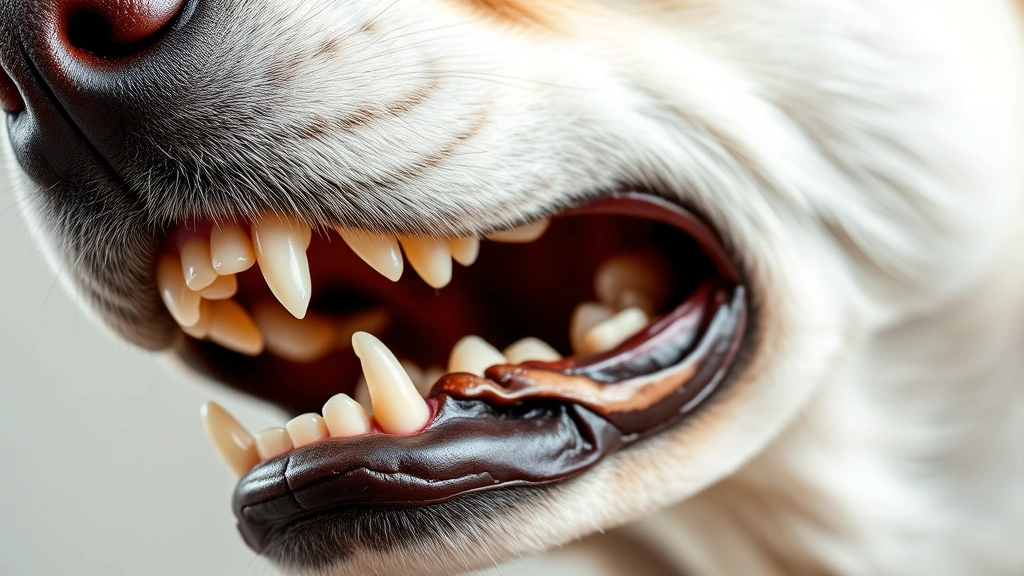
Adult Teeth Development
Once your dog has their full set of adult teeth, these teeth are permanent. Unlike humans who might get a third set if they’re lucky, dogs don’t grow replacement teeth. The adult teeth they have at around 7 months of age are the teeth they’ll have for life (barring accidents or dental disease). This makes maintaining good dental health throughout your dog’s life absolutely critical.
The development of adult teeth follows a fairly predictable pattern. The incisors typically come in first, followed by the canines, then the premolars, and finally the molars. This sequence makes sense from an evolutionary standpoint—the front teeth for grasping come in first, followed by the powerful teeth needed for processing food.
Understanding Canine Tooth Anatomy
To truly appreciate your dog’s dental system, it helps to understand the structure of an individual tooth. Each tooth is more complex than it might initially appear.
Crown
The crown is the visible part of the tooth that extends above the gum line. This is what you see when your dog opens their mouth. The crown is covered in enamel, which is the hardest substance in your dog’s body. Despite being incredibly hard, enamel can still wear down over time or be damaged by trauma.
Root
Below the gum line lies the root, which anchors the tooth firmly to the jawbone. Dogs’ teeth have one to three roots depending on the tooth type. The roots are covered in cementum, which is softer than enamel and more susceptible to disease. This is why gum disease and tooth decay can become serious issues if left untreated.
Pulp Chamber
Inside the tooth is the pulp chamber, which contains blood vessels and nerves. If a tooth is cracked or fractured deeply enough to expose the pulp chamber, your dog could be in significant pain, and the tooth might need professional treatment or extraction.
Understanding this anatomy helps explain why dental problems in dogs shouldn’t be ignored. When tartar builds up on the crown and extends below the gum line, it can lead to gum disease that eventually damages the root and bone support, potentially leading to tooth loss.
Maintaining Your Dog’s Dental Health
Now that you know how many teeth your dog has and how important they are, let’s talk about keeping them healthy. Proper dental care is one of the best investments you can make in your dog’s long-term health and quality of life.
Regular Brushing
Just like humans, dogs benefit tremendously from regular tooth brushing. Ideally, you should brush your dog’s teeth daily, though even a few times a week can make a significant difference. Use a dog-specific toothbrush and toothpaste—never use human toothpaste, as it can contain ingredients that are harmful to dogs.
If your dog isn’t used to having their teeth brushed, start slowly. Let them lick the toothpaste off your finger first, then gradually introduce the toothbrush. Most dogs adapt to the routine within a few weeks, and many actually come to enjoy the attention and the taste of dog toothpaste.
Dental Chews and Toys
Dental chews and appropriate chew toys can help reduce plaque and tartar buildup. Products designed specifically for dental health often have a texture that naturally cleans teeth as your dog chews. However, be cautious about extremely hard chews that could crack or fracture teeth. If you’re unsure whether a chew is appropriate for your dog, ask your veterinarian for recommendations.
Diet Considerations
What your dog eats affects their dental health. Some research suggests that dry kibble can help reduce plaque buildup compared to wet food, though this varies depending on the specific diet. There are also specialized dental diets formulated to support oral health. Your veterinarian can recommend options that work best for your individual dog.
Professional Cleanings
Even with excellent home care, most dogs benefit from professional dental cleanings performed by a veterinarian. During these cleanings, your vet uses ultrasonic instruments to remove tartar and plaque from above and below the gum line, and they can identify any problems that need attention. The frequency of professional cleanings depends on your individual dog’s dental health, but many dogs benefit from an annual cleaning.
If you’re concerned about whether your dog needs special care, learning how to clean dog teeth without brushing can provide additional options for maintaining oral hygiene between professional visits.
Common Dental Issues in Dogs
Despite our best efforts, dogs can still develop dental problems. Knowing what to watch for helps catch issues early.
Plaque and Tartar Buildup
Plaque is a sticky film of bacteria that forms on teeth. If not removed, it hardens into tartar (also called calculus), which can only be removed by professional cleaning. Both plaque and tartar can lead to gum disease and eventually tooth loss if left untreated.
Gum Disease
Periodontal disease is incredibly common in dogs, especially as they age. Early stages might show as red or swollen gums, while advanced cases can involve bone loss and tooth mobility. The concerning part? Gum disease doesn’t just affect the mouth—bacteria from infected gums can enter the bloodstream and affect the heart, kidneys, and other organs. This is why dental health is genuinely a matter of whole-body health.
Fractured or Broken Teeth
Dogs can crack or break teeth through trauma, chewing on hard objects, or sometimes even through normal play. If your dog has a fractured tooth, it might need extraction or root canal therapy depending on the severity. You might notice your dog favoring one side of their mouth or being reluctant to eat hard food.
Retained Baby Teeth
Some puppies don’t lose all their baby teeth when they should. These retained teeth can cause orthodontic issues and trap food and bacteria, leading to infection. Your veterinarian can extract retained baby teeth if they don’t come out on their own.
Tooth Decay and Cavities
While less common in dogs than in humans, dogs can get cavities. Cavity development in dogs is typically associated with diet and bacterial factors. Regular brushing and professional cleanings help prevent decay.
If you notice signs like bad breath, difficulty eating, drooling more than usual, or visible tooth damage, schedule a veterinary appointment promptly. Early intervention can prevent minor issues from becoming serious problems.
Bad Breath
While some dog breath is normal, excessively foul-smelling breath often indicates a dental problem. If your dog’s breath has suddenly become noticeably worse, it could be a sign of gum disease, tooth decay, or infection. Learn more about this issue by exploring why your dog’s breath stinks and what you can do about it.
Frequently Asked Questions
Do all dog breeds have the same number of teeth?
Yes! All healthy adult dogs have 42 permanent teeth, regardless of breed. While the size and shape of individual teeth vary significantly between breeds due to differences in jaw structure and size, the total count remains consistent. A Chihuahua and a German Shepherd both have 42 adult teeth, though they’re proportionally quite different.
What should I do if my dog loses an adult tooth?
Adult tooth loss in dogs is not normal and warrants a veterinary visit. Unlike baby teeth, adult teeth don’t grow back. Tooth loss in adult dogs typically indicates gum disease, trauma, or infection. Your veterinarian can determine the cause and recommend appropriate treatment. If your dog has lost a tooth, it’s especially important to focus on preventing further dental problems in the remaining teeth.
Are dogs’ teeth different from wolves’ teeth?
Dogs and wolves have the same number of teeth (42), and their basic dental anatomy is very similar. However, domestication has led to some subtle differences in tooth size and jaw structure in some dog breeds. Selective breeding for certain traits has sometimes resulted in overcrowded teeth or misalignment in some breeds, which is why some dogs are more prone to dental problems than others.
How can I tell if my dog has a dental problem?
Signs of dental problems include bad breath, red or swollen gums, difficulty eating, dropping food from their mouth, excessive drooling, pawing at the mouth, and behavioral changes like reluctance to play with toys. Some dogs with dental pain might also seem depressed or less interested in activities they normally enjoy. If you notice any of these signs, contact your veterinarian.
Is dog dental insurance worth it?
Dental problems can become expensive to treat, especially if they’ve progressed to the point of requiring extractions or root canals. Some pet insurance plans cover dental care, while others don’t. Evaluating whether dental insurance makes sense depends on your dog’s age, breed predisposition to dental issues, and your financial situation. However, prevention through regular brushing and professional cleanings is almost always more cost-effective than treating advanced dental disease.
Can I give my dog bones to chew on?
Raw bones are generally safer than cooked bones for dogs, but they still carry risks including choking, intestinal blockage, and tooth fractures. Many veterinarians recommend avoiding bones altogether and opting instead for veterinarian-approved dental chews and toys. If you do give your dog bones, always supervise them and choose appropriately sized bones for your dog’s size.
At what age should I start dental care for my puppy?
You can start caring for your puppy’s teeth as soon as they have their baby teeth, around 3-4 weeks of age. However, most puppies are more cooperative with tooth brushing once they’re a bit older and more accustomed to handling. Starting a dental care routine early helps establish good habits that will benefit your dog throughout their life. Your veterinarian can provide guidance specific to your puppy’s age and development.
Do dogs need their teeth professionally cleaned?
Most dogs benefit from professional dental cleanings performed by a veterinarian, especially as they age. The frequency depends on your individual dog’s dental health and risk factors. Some dogs might need annual cleanings, while others with excellent dental health might only need them every few years. Your veterinarian can recommend an appropriate schedule based on your dog’s specific needs.
Understanding Your Dog’s Dental Anatomy Matters
Now you know that your dog has 42 adult teeth, and you understand what each type does and why they’re important. But here’s the real takeaway: knowing about your dog’s teeth is just the first step. The real work happens when you put that knowledge into action through regular brushing, appropriate chew items, a healthy diet, and regular veterinary check-ups.
Your dog’s teeth are an investment in their health and happiness. Those 42 teeth help your pup eat, play, and interact with their world. They’re also a window into your dog’s overall health—dental disease doesn’t stay confined to the mouth, and it can affect your dog’s heart, kidneys, and other vital organs.
For more information about canine dental health, check out resources from the American Kennel Club, which provides evidence-based guidance on dental care. The ASPCA also offers comprehensive pet care information including dental health tips. Additionally, the American Veterinary Medical Association provides professional standards for veterinary dental care.
Whether you’re a new dog owner curious about your puppy’s teething process or an experienced dog parent looking to improve your senior dog’s dental care routine, remember that your veterinarian is your best resource. They can assess your individual dog’s dental needs and recommend the best preventive and treatment strategies.
So the next time your dog gives you a big grin, you can appreciate not just the adorable expression, but also the remarkable 42-tooth system working behind those canines. With proper care, those teeth can stay healthy and strong throughout your dog’s entire life, contributing to their overall health, happiness, and quality of life. That’s something worth smiling about!
For more information about your dog’s physical anatomy, you might also be interested in learning how many bones dogs have, which provides fascinating insights into your dog’s skeletal system. And if you’re looking for comprehensive information about canine dental anatomy in general, our guide on how many teeth dogs have offers additional context. You can also explore the related article on how many teeth a dog has for even more detailed information about canine dental structure.