

How Much Is a Belgian Malinois? The Complete Pricing Guide
If you’ve been researching dog breeds and stumbled upon the Belgian Malinois, you’re probably wondering: how much is this impressive canine companion going to cost? Well, buckle up, because the answer is more nuanced than a simple price tag. Belgian Malinois dogs are among the most sought-after breeds in the world, valued for their intelligence, athleticism, and unwavering loyalty. But their desirability comes with a price—literally.
The Belgian Malinois isn’t your average family pet. Originally bred as herding dogs in Belgium, these athletic powerhouses have earned their stripes as military and police K9s, competing in dog sports, and serving as protection dogs for high-profile clients. Their versatility and work ethic make them incredibly valuable, which is reflected in their cost. Whether you’re considering bringing one into your home or just curious about the financial commitment involved, this guide will break down everything you need to know about Belgian Malinois pricing.
From initial purchase prices to ongoing care expenses, we’re diving deep into the financial reality of owning one of these remarkable dogs. Spoiler alert: it’s not cheap, but many owners believe every penny is worth it.
Initial Purchase Price: What You’ll Pay
So, how much is a Belgian Malinois puppy? The answer typically ranges from $600 to $3,500 for a puppy from a reputable breeder. Yes, you read that right—there’s quite a spread. Most well-bred puppies from established breeders fall in the $1,500 to $2,500 range, while show-quality or working-line dogs can easily exceed $3,500.
If you’re looking at an adult Belgian Malinois from a rescue or shelter, you might find them for $150 to $500, which is significantly less than a breeder puppy. However, rescue dogs may come with unknown histories or behavioral challenges that require professional training.
The price difference between breeders can be shocking. A backyard breeder might charge $800 for a puppy, while a championship-line breeder could ask $4,000 or more. This isn’t just about greed—legitimate breeders invest heavily in health testing, genetic screening, and proper socialization. They’re not just making puppies; they’re carefully crafting the next generation of healthy, well-adjusted dogs.
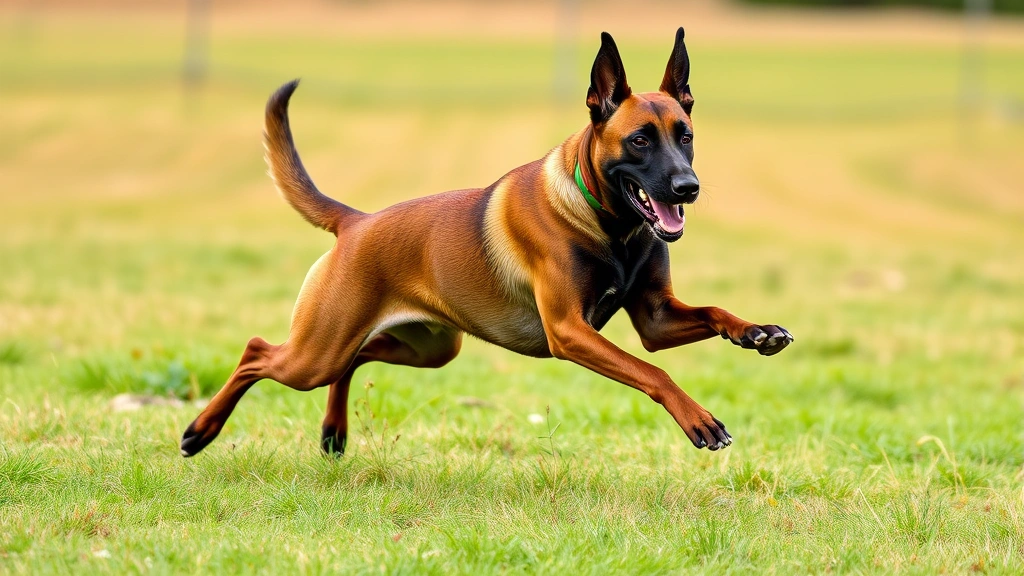
For working or protection-trained dogs, prices skyrocket. A fully trained adult Belgian Malinois with protection training or advanced obedience can cost anywhere from $5,000 to $20,000 or beyond. Some elite protection dogs trained by specialized facilities command prices exceeding $30,000. These aren’t typical family pets—they’re highly skilled working animals with years of professional training.
Factors That Influence Belgian Malinois Pricing
The price of a Belgian Malinois isn’t random. Several specific factors drive the cost up or down, and understanding them helps you make an informed decision.
Breeder Reputation and Credentials
Reputable breeders who are members of breed clubs, conduct health testing, and have championship bloodlines charge premium prices. A breeder affiliated with the American Kennel Club and who participates in dog shows or working trials typically charges more than a casual breeder. This premium reflects their commitment to breed standards and health.
Pedigree and Bloodline
If a puppy comes from champion parents or a prestigious working line, expect to pay more. Dogs descending from military or police K9 programs carry significant value. Their proven genetics mean a higher likelihood of inheriting desirable traits like intelligence, drive, and athleticism.
Health Testing and Certifications
Responsible breeders invest in extensive health screening, including hip and elbow evaluations, genetic testing, and eye examinations. This costs money, and they pass those costs along. A puppy from a breeder who’s invested in health testing might cost more upfront but could save you thousands in veterinary bills later.
Training and Socialization
Some breeders provide basic training and early socialization for puppies. Others offer started dogs with foundational obedience. These value-adds increase the price but can accelerate your dog’s development.
Geographic Location
Urban areas with higher costs of living typically see higher dog prices. A Belgian Malinois in New York City might cost more than the same dog in rural Montana, simply due to regional economic factors.
Age and Training Level
A fully trained adult dog obviously costs more than a young puppy. An 18-month-old dog with advanced obedience or bite work training could cost three to five times more than a 8-week-old puppy.

First Year Expenses Beyond Purchase Price
Here’s where many prospective owners get blindsided: the initial purchase price is just the beginning. Your first year with a Belgian Malinois involves substantial additional expenses.
Veterinary Care
Puppies require multiple veterinary visits during their first year. You’ll need vaccinations and booster shots, deworming treatments, and a general health assessment. Expect to spend $500 to $1,200 on veterinary care in the first year. This includes the initial exam, vaccination series, and parasite prevention.
Spaying or Neutering
Unless you’re planning to breed your dog or show them in intact competitions, spaying or neutering is a crucial investment. This procedure typically costs $200 to $600, depending on your veterinarian and location.
Microchipping and ID
A microchip provides permanent identification for your dog. This typically costs $25 to $75 and is a one-time expense. Combined with collar tags and licensing, budget around $100 for identification.
Food and Nutrition
Belgian Malinois are athletic dogs with healthy appetites. High-quality dog food appropriate for their size and energy level can cost $50 to $100+ per month, or $600 to $1,200 annually. Given their activity level, you want to feed them well-balanced, nutrient-dense food. While certain human foods are safe for dogs, most of their diet should be commercial dog food formulated for large, active breeds.
Training and Socialization
Professional puppy training classes cost $150 to $300 for an 8-week course. Many owners invest in basic obedience training to establish good habits early. If you want more intensive training, board-and-train programs run $1,500 to $5,000+ for several weeks of professional work.
Grooming Supplies
Professional grooming costs for a Belgian Malinois are relatively modest—typically $50 to $100 per session—since they have short coats. However, they shed considerably, so invest in quality brushes and grooming tools ($100-$200). Many owners do basic grooming at home to save money.
Supplies and Equipment
Beds, crates, bowls, leashes, collars, and toys add up quickly. Budget $300 to $500 for initial supplies. Belgian Malinois are active and intelligent, so quality toys designed for durable chewing are essential.
First Year Total
Adding it all up, expect to spend $2,500 to $4,000 in your first year beyond the initial purchase price. This means your total first-year investment could easily reach $4,000 to $7,500 or more.
Ongoing Annual Costs
Once you’ve survived the first year, costs typically decrease but remain substantial. Here’s what you can expect annually:
Veterinary Care
After the first year, annual veterinary visits for wellness checks and vaccinations cost $300 to $600 annually. Add preventive medications for parasites (heartworm, flea, tick prevention), which run $150 to $300 per year.
Food
Ongoing food costs remain your largest expense: $600 to $1,200 annually for quality nutrition. Determining the right feeding amount for your active Belgian Malinois is crucial to maintain optimal weight and health.
Grooming
Regular grooming maintenance costs $200 to $400 annually if you use professional services, or minimal costs if you groom at home.
Training and Enrichment
Belgian Malinois are highly intelligent and need mental stimulation. Ongoing training classes, agility lessons, or sport training can cost $200 to $1,000+ annually depending on your involvement level.
Toys and Supplies
Budget $100 to $300 annually for replacing worn toys, bedding, and other supplies.
Pet Insurance
Optional but recommended, pet insurance costs $30 to $80 monthly ($360 to $960 annually) depending on coverage. For a large, active breed like the Belgian Malinois, insurance can protect you from catastrophic veterinary bills.
Annual Total
Your annual ongoing costs typically range from $1,500 to $3,500, depending on your choices regarding training, veterinary care, and food quality.
Where to Buy and Red Flags
Now that you understand the costs, let’s talk about where to find a Belgian Malinois and how to avoid scams or irresponsible breeders.
Reputable Breeders
The American Kennel Club maintains a breeder directory. Reputable breeders are transparent about health testing, provide health guarantees, and welcome questions. They often have waiting lists because their puppies are in high demand. Expect to pay $1,500 to $2,500 for a well-bred puppy.
Rescue Organizations
Belgian Malinois rescue groups exist nationwide and can connect you with adult dogs needing homes. Rescue adoption fees typically range from $150 to $500. Organizations like ASPCA and breed-specific rescues are excellent resources.
Working Dog Trainers
Some professional trainers breed or have connections to Belgian Malinois dogs. They can provide insight into a dog’s temperament and training level. This route often yields higher-priced dogs but with guaranteed quality and known backgrounds.
Red Flags to Avoid
Be wary of:
- Prices that seem too good to be true ($300 for a “purebred” puppy is suspicious)
- Breeders who won’t let you visit or meet the parents
- No health testing documentation or health guarantees
- Multiple litters available constantly (indicates a puppy mill)
- Payment via wire transfer or cryptocurrency (classic scam indicators)
- Pressure to buy immediately or claims the puppy will be sold to someone else
- No references or online presence you can verify
Legitimate breeders are transparent, patient, and genuinely care about where their puppies go. They often interview potential buyers to ensure a good fit.
Frequently Asked Questions
Is a Belgian Malinois more expensive than a German Shepherd?
Generally, yes. Belgian Malinois typically cost $200 to $500 more than German Shepherds from comparable breeders. Both breeds are expensive, but the Malinois’ reputation as an elite working dog drives prices higher.
Why are Belgian Malinois so expensive?
Their intelligence, athleticism, trainability, and proven track record in military and police work make them highly valuable. Responsible breeding requires significant investment in health testing and genetics. High demand drives prices up.
Can I find a cheap Belgian Malinois?
You might find cheaper puppies from backyard breeders or puppy mills, but this often leads to health and behavioral problems that cost far more in the long run. Adopting from a rescue is the most affordable option at $150-$500.
Are Belgian Malinois worth the cost?
For the right owner, absolutely. These dogs are incredibly intelligent, loyal, and capable. However, they require significant time, exercise, and mental stimulation. If you want a couch potato, they’re not worth any price. If you want an athletic, engaged partner, they’re priceless.
What’s the most expensive Belgian Malinois ever sold?
Elite protection-trained dogs have sold for $50,000 to $100,000+. However, these are exceptional cases involving specialized training for high-profile clients, not typical family pets.
Should I get pet insurance for my Belgian Malinois?
Strongly consider it. Large, active breeds are prone to orthopedic issues like hip dysplasia. Pet insurance can protect you from $2,000 to $10,000+ veterinary bills from injuries or genetic conditions.
How long do Belgian Malinois live?
Typically 12 to 15 years. This long lifespan means your financial commitment extends for over a decade. Factor this into your decision.
Do Belgian Malinois need special food?
They benefit from high-quality, protein-rich food formulated for large, active breeds. Consult your veterinarian about the best nutrition plan for your individual dog.





