

How Much Pepto Can Dogs Have? Vet-Approved Guide
Is your furry best friend experiencing digestive distress? If you’ve ever wondered whether you can reach into your medicine cabinet and share your trusty Pepto-Bismol with your pup, you’re not alone. Many dog parents face this question when their beloved companions develop an upset stomach, and it’s a legitimate concern that deserves a thoughtful, evidence-based answer.
The truth is, while Pepto-Bismol can sometimes help dogs, it’s not a one-size-fits-all solution. Understanding the correct dosage, potential risks, and when to call your veterinarian is crucial for keeping your dog safe and healthy. This comprehensive guide will walk you through everything you need to know about giving Pepto to your dog, including proper dosing, side effects, and safer alternatives.
Whether your dog is dealing with occasional tummy troubles or you’re looking to be prepared for future incidents, this vet-approved guide will give you the confidence to make informed decisions about your pet’s digestive health.
Can Dogs Have Pepto?
The short answer is: yes, dogs can have Pepto-Bismol, but with important caveats. Pepto-Bismol’s active ingredient is bismuth subsalicylate, which works by reducing inflammation in the digestive tract and has mild antimicrobial properties. When used appropriately and under veterinary guidance, it can provide temporary relief for minor digestive upset in dogs.
However, the key word here is “appropriately.” Not all dogs are suitable candidates for Pepto-Bismol, and certain conditions make it downright dangerous. According to the American Kennel Club, while bismuth subsalicylate is generally recognized as safe for canine use when dosed correctly, pet parents must understand the limitations and risks involved.
Dogs metabolize medications differently than humans do, which means what works for you might not work the same way for Fido. The formulation matters too—liquid Pepto-Bismol is typically safer for dogs than tablets or caplets, as it’s easier to dose accurately and doesn’t pose a choking hazard.
Pepto Dosage for Dogs
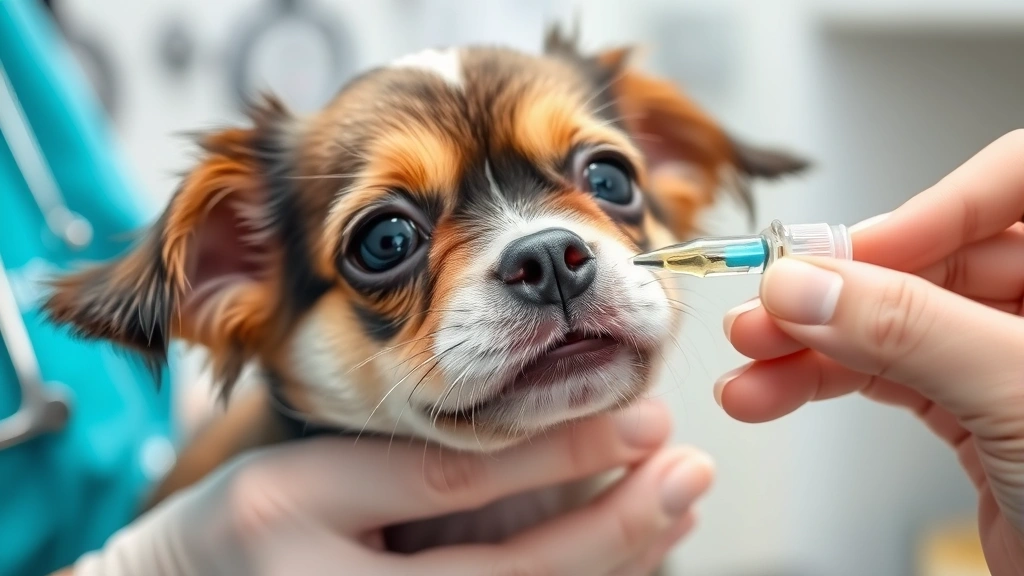
Understanding how much Pepto-Bismol to give your dog is absolutely critical. Dosing errors can lead to serious health complications, so precision is essential.
Standard Pepto-Bismol Dosage for Dogs:
- For dogs weighing 6-12 pounds: 1 teaspoon every 8-12 hours, not to exceed 3 doses in 24 hours
- For dogs weighing 13-25 pounds: 1 tablespoon every 8-12 hours, not to exceed 3 doses in 24 hours
- For dogs weighing 26-50 pounds: 1-2 tablespoons every 8-12 hours, not to exceed 3 doses in 24 hours
- For dogs weighing 50+ pounds: 2 tablespoons every 8-12 hours, not to exceed 3 doses in 24 hours
These dosages are based on the original Pepto-Bismol liquid formulation (262 mg/15 mL). Always double-check your specific product’s strength, as formulations can vary. When in doubt, consult your veterinarian for personalized dosing recommendations for your individual dog.
Duration matters significantly too. Pepto-Bismol should not be given for more than 3-5 days without veterinary approval. If your dog’s symptoms persist beyond this timeframe, it’s time to schedule a vet visit to identify the underlying cause of the digestive upset.
Safety Concerns and Side Effects
While Pepto-Bismol is generally considered safe for short-term use in dogs, it’s not without risks. Understanding potential complications helps you make informed decisions about your pet’s care.
Who Should NOT Get Pepto-Bismol:
- Dogs with aspirin sensitivity or allergies (bismuth subsalicylate is salicylate-based)
- Puppies and senior dogs (more sensitive to medication effects)
- Dogs currently taking blood thinners or NSAIDs
- Dogs with bleeding disorders or clotting issues
- Pregnant or nursing dogs
- Dogs with kidney or liver disease
- Dogs with inflammatory bowel disease or gastric ulcers
Possible Side Effects:
- Dark or black stools (this is actually normal and expected—it’s the bismuth)
- Constipation
- Nausea or vomiting
- Allergic reactions (rare but possible)
- Salicylate toxicity with overdose or prolonged use
One particularly important consideration is the interaction between Pepto-Bismol and other medications. If your dog is currently taking any prescription medications, antibiotics, or over-the-counter supplements, inform your veterinarian before administering Pepto-Bismol. The ASPCA Animal Poison Control Center recommends checking with a vet before giving any human medication to your pet.
Additionally, bismuth subsalicylate can interfere with certain diagnostic tests and may mask symptoms of more serious underlying conditions. This is why using it as a band-aid solution rather than addressing the root cause of digestive issues can be problematic.
When to Use Pepto for Dogs
Knowing when Pepto-Bismol is appropriate versus when you need professional veterinary care is crucial. Giving your dog Pepto-Bismol makes sense in specific situations, primarily for mild, occasional digestive upset.
Appropriate Uses:
- Mild diarrhea lasting less than 24 hours with no other symptoms
- Minor stomach upset after dietary indiscretion (your dog ate something they shouldn’t have)
- Occasional nausea or queasiness
- Temporary digestive discomfort following stress or dietary changes
The key qualifier is “mild” and “occasional.” If your dog experiences repeated digestive issues, there’s likely an underlying cause that needs investigation. Many chronic digestive problems stem from food sensitivities, allergies, parasites, infections, or more serious gastrointestinal conditions.
Think of Pepto-Bismol as a temporary comfort measure, not a treatment solution. It addresses symptoms without treating the cause, which is why veterinary guidance is so valuable when digestive issues become a pattern.
Safer Alternatives to Pepto
Before reaching for Pepto, consider these safer, often more effective alternatives for what you can give a dog for an upset stomach.
Dietary Adjustments:
Sometimes the best medicine is a temporary dietary reset. Offering bland, easily digestible foods like plain cooked chicken, white rice, or pumpkin puree can soothe an upset stomach. Many veterinarians recommend the BRAT diet approach (though adapted for dogs): bland proteins, rice, and plain vegetables.
Probiotics:
Canine-specific probiotics support healthy gut bacteria and can be incredibly effective for digestive upset. Unlike Pepto-Bismol, probiotics address the root cause by promoting beneficial bacterial balance. Look for products specifically formulated for dogs, as human probiotics may not be appropriate.
Pumpkin Puree:
Plain pumpkin puree (not pie filling) is a natural remedy praised by veterinarians everywhere. It’s high in fiber and can help regulate both diarrhea and constipation. A tablespoon mixed into your dog’s regular food can work wonders for mild digestive upset.
Bone Broth:
Homemade bone broth (cooled, unsalted, without garlic or onions) provides hydration and nutrients while being gentle on the digestive system. It’s also incredibly palatable for picky eaters.
Veterinary-Prescribed Medications:
Your vet may recommend prescription options like metronidazole, omeprazole, or other medications specifically designed for your dog’s particular digestive issue. These are often more effective than over-the-counter solutions.
The advantage of these alternatives is that they either address the underlying cause or work with your dog’s natural digestive processes rather than against them. Learning how to stop dog diarrhea effectively often involves understanding these alternative approaches first.
When to Contact Your Veterinarian
Certain situations demand professional veterinary attention rather than home treatment with Pepto-Bismol or other over-the-counter remedies.
Contact Your Vet Immediately If:
- Your dog’s diarrhea or vomiting lasts more than 24 hours
- There’s blood in the stool or vomit
- Your dog shows signs of severe dehydration (dry gums, lethargy, sunken eyes)
- Your dog is unable to keep food or water down
- Abdominal pain or bloating is present
- Your dog appears lethargic or unusually unwell
- Multiple dogs in your household are affected simultaneously
- Your dog has recently eaten something potentially toxic or foreign
- Your dog has a pre-existing medical condition
- Your dog is taking other medications
The American Animal Hospital Association emphasizes that many conditions mimicking simple upset stomachs can actually be serious. Pancreatitis, intestinal blockages, infections, and other significant issues can present similarly to minor digestive upset, which is why professional evaluation is crucial.
Your veterinarian can perform appropriate diagnostics, identify the actual cause of your dog’s symptoms, and recommend targeted treatment rather than symptomatic relief alone. This is especially important for puppies, senior dogs, and dogs with existing health conditions.
Frequently Asked Questions
Can I give my dog Pepto-Bismol tablets instead of liquid?
While tablets are technically possible, liquid Pepto-Bismol is strongly preferred for dogs. Tablets present choking hazards, are harder to dose accurately, and may not dissolve properly in the canine digestive system. Stick with the liquid formulation for safety and effectiveness.
How long does Pepto-Bismol take to work in dogs?
Most dogs show improvement within 30-60 minutes of administration, though some may take up to 2 hours. If you don’t see improvement after a few doses over 24 hours, it’s time to contact your veterinarian. Pepto-Bismol isn’t a miracle cure, and lack of response suggests a different underlying issue.
Can I give Pepto-Bismol to my puppy?
Puppies are more sensitive to medications and their developing systems are more vulnerable to adverse effects. Most veterinarians recommend avoiding Pepto-Bismol in puppies under 12 weeks old. For older puppies with digestive upset, consult your vet before administering any medication.
Is Pepto-Bismol safe for dogs with sensitive stomachs?
Dogs with chronically sensitive stomachs often have underlying conditions like food allergies or inflammatory bowel disease. For these dogs, Pepto-Bismol might provide temporary relief but won’t address the root cause. Veterinary investigation is essential to develop an appropriate long-term management plan.
What should I do if my dog accidentally ingests too much Pepto-Bismol?
If your dog ingests more than the recommended dose, contact your veterinarian or the ASPCA Animal Poison Control Center immediately at (888) 426-4435. Bismuth subsalicylate toxicity can cause serious complications. Have the product container available so you can provide the exact formulation and strength information.
Can I use Pepto-Bismol as a preventative measure?
No. Pepto-Bismol is intended for treating existing symptoms, not prevention. Using it prophylactically can lead to unnecessary medication exposure and may mask early signs of developing health issues. Prevention focuses on quality diet, fresh water, appropriate exercise, and regular veterinary care.
Are there any breed-specific considerations for Pepto-Bismol?
While breed doesn’t directly contraindicate Pepto-Bismol use, certain breeds are predisposed to digestive issues or medication sensitivities. German Shepherds, for example, are prone to exocrine pancreatic insufficiency. Always inform your vet of your dog’s breed when discussing digestive health and medication options.





